What Happens if You Drink Alcohol While Taking Ozempic
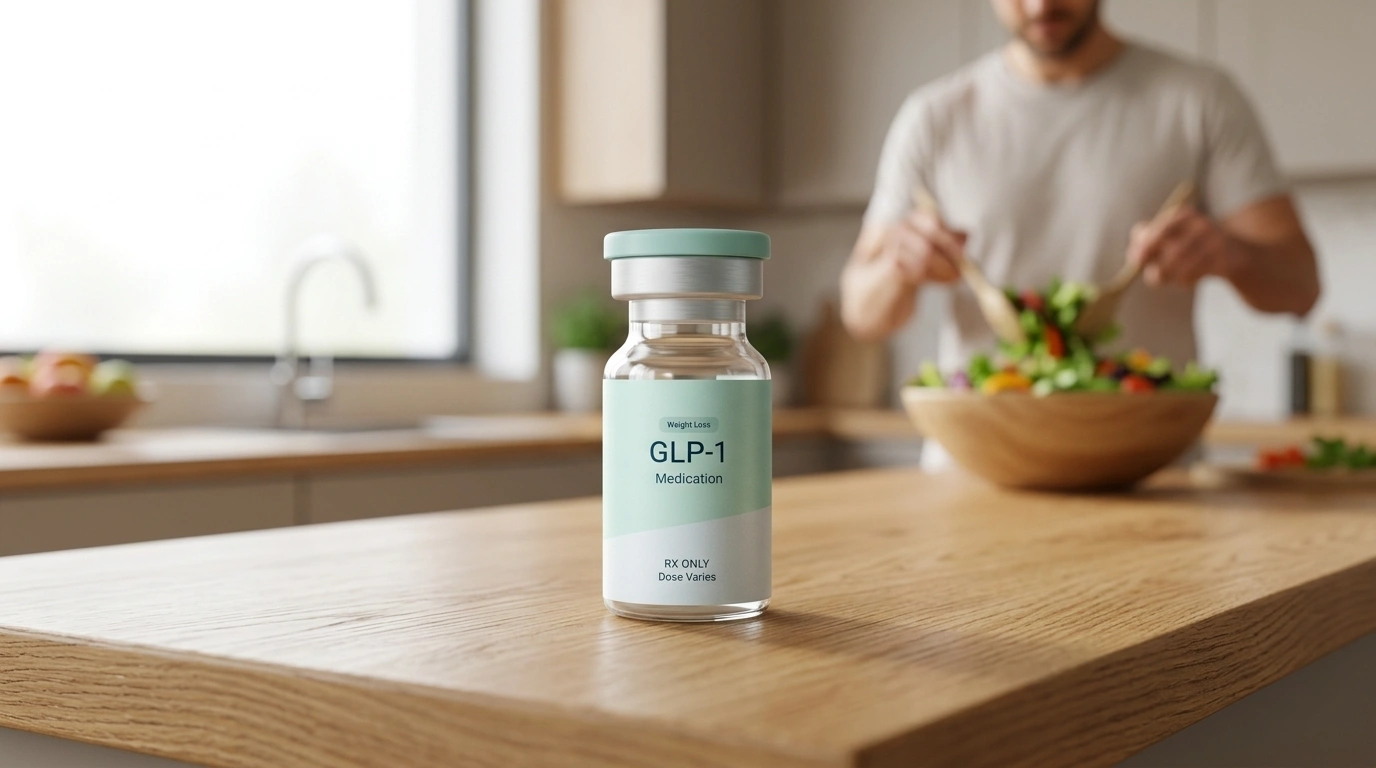
Introduction
Deciding to start a weight loss journey is a significant step toward a healthier future. If you are using Ozempic® (semaglutide) to manage your weight or blood sugar, you might wonder how your new routine fits into your social life. Whether it is a celebratory toast at a wedding or a casual glass of wine with dinner, the question of how alcohol interacts with your medication is common and valid. At TrimRx, we believe that understanding the science behind your treatment is the best way to ensure your safety and success.
While there is no direct, dangerous chemical interaction between alcohol and semaglutide, combining them can lead to unexpected physical reactions. If you want a deeper explanation, our semaglutide and alcohol guide breaks down the research behind that interaction. This post covers how alcohol affects your body during treatment, the potential for intensified side effects, and how you can navigate social settings while staying on track with your health goals. Our goal is to provide the clarity you need to make informed choices that support your metabolic health.
Quick Answer: While drinking alcohol is not strictly prohibited, it can significantly worsen common side effects like nausea and vomiting. It also increases the risk of low blood sugar and may slow your weight loss progress due to added calories and metabolic changes.
If you are considering prescription GLP-1 treatment, take the free assessment quiz to see whether a personalized program is a fit.
Understanding the Relationship Between GLP-1 and Alcohol
Ozempic® belongs to a class of medications called GLP-1 receptor agonists. To see what GLP-1 does in the body, it helps to start with appetite and blood sugar regulation. These medications work by mimicking this hormone, which tells your brain you are full and slows down the rate at which your stomach empties.
When you introduce alcohol into this equation, the way your body processes both the medication and the drink changes. Alcohol is a toxin that the liver prioritizes for removal. While your liver is busy processing alcohol, it may struggle to manage other functions, such as maintaining steady blood glucose levels.
Delayed Gastric Emptying
One of the primary ways semaglutide works is by slowing gastric emptying. This means food stays in your stomach longer, helping you feel satisfied with smaller portions. When you drink alcohol, it also sits in your stomach for an extended period. For some, this prolonged exposure can lead to increased irritation of the stomach lining, resulting in discomfort that might not occur if you were not taking the medication.
Metabolic Priorities
Your metabolism is a complex series of chemical reactions. When you are on a personalized program like those we facilitate, your body is often transitioning toward burning fat more efficiently. Alcohol can temporarily halt this process. Because alcohol cannot be stored in the body, your system prioritizes burning it off immediately, which can pause the fat-burning “momentum” you have built through your program.
Common Side Effects of Mixing Alcohol and Ozempic
The most immediate thing most people notice when drinking while on semaglutide is a change in how they feel physically. Many of the side effects associated with Ozempic® are gastrointestinal, and alcohol is a known gastric irritant. For a broader overview, our GLP-1 side effects guide explains how these reactions often show up during treatment. When combined, these two can amplify one another.
Nausea and Vomiting
Nausea is the most frequently reported side effect of GLP-1 medications. Alcohol can trigger nausea on its own, especially if consumed in higher quantities. Many individuals find that even one or two drinks while on medication lead to significant waves of nausea or even bouts of vomiting. This is often due to the “double hit” of slowed digestion and the irritating nature of ethanol on the stomach.
Increased Risk of Dehydration
Both semaglutide and alcohol can contribute to dehydration. Some people on GLP-1s experience diarrhea or decreased thirst, which can lower fluid levels. Alcohol is a diuretic, meaning it encourages your body to remove fluids through your kidneys. This combination can lead to:
- Intense headaches or migraines
- Dizziness and lightheadedness
- Fatigue and muscle weakness
- Dry mouth and skin
Digestive Distress
Abdominal pain, bloating, and changes in bowel habits are common when starting a weight loss medication. Alcohol can exacerbate these issues by causing inflammation in the digestive tract. For some, a single drink might lead to significant cramping or an urgent need to use the bathroom, which can be particularly frustrating during a social event.
Key Takeaway: Combining alcohol with semaglutide does not create a new toxin, but it significantly lowers your threshold for side effects like nausea, dehydration, and stomach pain.
The Serious Risks: Blood Sugar and Pancreatitis
Beyond the discomfort of an upset stomach, there are more serious clinical concerns that require careful attention. If you want a clearer picture of GLP-1 weight loss medication and the risks that can come with it, this section is especially important. These risks are particularly important for individuals managing Type 2 diabetes, but they can affect anyone on a GLP-1 protocol.
Hypoglycemia (Low Blood Sugar)
Ozempic® is designed to lower blood sugar by stimulating insulin release when you eat. Alcohol also has a blood-sugar-lowering effect because it prevents the liver from releasing stored glucose into the bloodstream.
When these two effects happen at the same time, your blood sugar can drop to dangerously low levels, a condition known as hypoglycemia. This can be confusing because the symptoms of low blood sugar—dizziness, shakiness, and confusion—are very similar to the feeling of being intoxicated. This makes it difficult for you or those around you to recognize a medical emergency.
Pancreatitis Risks
Pancreatitis is the inflammation of the pancreas, a serious condition that requires medical intervention. While rare, pancreatitis is a listed potential side effect of Ozempic®. Chronic or heavy alcohol use is also a leading cause of pancreatitis. While there is no definitive study showing that moderate drinking while on semaglutide causes this condition, we generally advise caution. Combining two factors that both stress the pancreas could theoretically increase your risk.
Note: If you experience severe, persistent abdominal pain that radiates to your back, you should stop drinking immediately and contact a healthcare professional, as this can be a sign of pancreatitis.
Alcohol and Your Weight Loss Goals
Most people join a program like ours at TrimRx because they want to see sustainable changes in their weight and metabolic health. While the occasional drink may seem harmless, it can impact your progress in ways that go beyond a simple calorie count.
Empty Calories and Nutritional Displacement
Alcohol provides what scientists call “empty calories.” This means it offers energy but no nutritional value. When you are on a GLP-1 medication, your overall appetite is reduced. This makes every calorie you consume more important for meeting your nutritional needs. If a portion of your daily intake is replaced by alcohol, you may miss out on essential proteins, vitamins, and minerals your body needs to maintain muscle mass and energy levels.
The Impact on “Food Noise”
One of the most praised effects of semaglutide is the reduction of “food noise”—the constant, intrusive thoughts about eating. Alcohol is known to lower inhibitions and impair judgment. After a drink or two, you may find that the food noise returns or that you are more likely to make impulsive food choices that do not align with your goals.
Slowed Fat Metabolism
As mentioned earlier, the liver treats alcohol as a priority. While your liver is busy detoxifying the alcohol, it is not focusing on the metabolic processes that help you lose weight. For some individuals, even a single night of drinking can stall weight loss for several days as the body rebalances its hormonal and metabolic state.
| Feature | Ozempic® Effect | Alcohol Effect | Combined Result |
|---|---|---|---|
| Digestion | Slowed | Irritated | High risk of nausea/vomiting |
| Blood Sugar | Lowered (regulated) | Lowered (suppressed) | Increased risk of hypoglycemia |
| Hydration | Potential for loss | Diuretic (fluid loss) | High risk of dehydration/headache |
| Appetite | Reduced | Lowered inhibitions | Risk of impulsive overeating |
The “Ozempic Buzzkill”: Why You Might Not Even Want to Drink
An interesting phenomenon reported by many patients is a sudden loss of interest in alcohol altogether. This is often referred to colloquially as the “Ozempic buzzkill.” Research suggests there is a biological reason for this change in behavior.
The Role of Dopamine and Reward
GLP-1 receptors are not just in your gut; they are also found in the reward centers of your brain. These areas are responsible for the “hit” of dopamine you feel when you do something pleasurable, like eating a delicious meal or having a drink.
By acting on these receptors, medications like Ozempic® and Wegovy® (semaglutide) may dampen the reward response. People often find that the first sip of a cocktail doesn’t provide the same relaxation or “buzz” it once did. Without that reward, the desire to continue drinking often fades.
Changes in Taste and Preference
Some individuals report that the taste of alcohol becomes unappealing. Beer may taste overly bitter, or wine may seem cloyingly sweet. This change in palate is a common side effect of GLP-1 therapy and can actually be a helpful tool for those looking to reduce their alcohol consumption as part of a healthier lifestyle.
How to Navigate Social Drinking Safely
If you choose to consume alcohol while on your weight loss journey, it is possible to do so with the right strategy. Following these steps can help minimize discomfort and keep your progress on track.
Step 1: Consult Your Provider
Before you have your first drink on the medication, talk to your healthcare provider. If you want to start with a personalized plan, complete the free assessment quiz first. They can review your health history, especially if you have conditions like diabetes or a history of kidney issues, to give you personalized guidance.
Step 2: Eat Before You Sip
Never drink on an empty stomach. Because your digestion is already slowed, having a meal rich in protein and fiber can help stabilize your blood sugar and provide a “buffer” for the alcohol. This reduces the chances of a rapid blood sugar drop and helps protect your stomach lining.
Step 3: Prioritize Hydration
For every alcoholic drink you have, drink at least one full glass of water. This helps counteract the diuretic effects of alcohol and keeps your system hydrated, which is essential for managing semaglutide side effects.
Step 4: Choose Wisely
Opt for lower-calorie, lower-sugar options. Sugary mixers can cause a spike in blood sugar followed by a sharp crash. Clear spirits with soda water and a squeeze of lime, or a light glass of dry wine, are generally better choices than frozen margaritas or heavy craft beers.
Step 5: Start Slow and Observe
Your tolerance may be significantly lower than it was before you started the program. Start with half a drink and wait 30 to 60 minutes to see how your body reacts. If you feel nauseated or dizzy, stop there.
Managing Side Effects After Drinking
If you do find yourself feeling unwell after a night involving alcohol, focus on gentle recovery.
- Sip Electrolytes: Water alone may not be enough if you have been vomiting or are severely dehydrated. Use an electrolyte solution to replenish lost minerals.
- Support Your Nutrition: Consider the GLP-1 Daily Support supplement if you want additional nutritional support during treatment.
- Boost Energy: If fatigue is weighing you down during your weight loss journey, the Weight Loss Boost supplement may fit your routine.
- Monitor Blood Sugar: If you have a glucose monitor, check your levels frequently. If you feel faint or confused, seek medical attention.
- Rest: Give your body time to process both the medication and the alcohol. Fatigue is a common “hangover” symptom that is often magnified on GLP-1s.
Bottom line: While the occasional drink is usually manageable, your body’s reaction to alcohol will likely be different on Ozempic®, requiring a more cautious and mindful approach.
The Role of Personalized Support
At TrimRx, we understand that weight loss is not just about a prescription; it is about how that treatment fits into your real life. Our platform connects you with licensed providers who can help you navigate these exact questions. If you want to learn more about GLP-1 support, we offer a telehealth-first experience that prioritizes your comfort and safety.
Our personalized programs are designed to adapt to your lifestyle. We offer 24/7 access to specialists who can adjust your plan based on how you feel. If you find that alcohol is making your journey more difficult, our team can offer guidance on managing those side effects or adjusting your lifestyle for better results.
Conclusion
Drinking alcohol while taking Ozempic® is a personal choice that requires a balance of caution and self-awareness. While many people can enjoy a drink in moderation, the risk of intensified side effects like nausea and low blood sugar is real. By understanding how semaglutide affects your metabolism and digestion, you can make choices that protect your health without feeling completely sidelined in social situations.
At TrimRx, our mission is to provide you with the tools, technology, and clinical expertise needed for sustainable weight loss. If you want a clearer look at how structured care works, GLP-1 weight loss programs may help you better understand the process.
Next Steps for Your Journey:
- Assess Your Needs: If you are curious if a GLP-1 program is right for you, take our free assessment quiz to explore your options.
- Support Your Body: Consider our GLP-1 Daily Support supplement to help manage common digestive hurdles and maintain your nutrient levels.
- Stay Informed: Keep a journal of how you feel after different foods and drinks to help your provider fine-tune your program.
FAQ
Is it safe to have one glass of wine while taking Ozempic?
For most people, a single glass of wine is generally safe, but it may still cause increased nausea or a headache. It is important to drink the wine slowly and ensure you have eaten a protein-rich meal beforehand. Always monitor how you feel, as your tolerance might be lower than usual while on this medication.
Can alcohol stop Ozempic from working for weight loss?
Alcohol does not stop the medication from physically working in your body, but it can hinder your results. Alcohol contains empty calories and can temporarily stall your metabolism, making it harder to reach the caloric deficit needed for weight loss. Additionally, it may increase “food noise” or lead to impulsive eating choices.
Why do I feel sick after just one drink on semaglutide?
You may feel sick because both semaglutide and alcohol slow down your digestive system and can irritate the stomach lining. When combined, they can lead to a “backup” in the stomach, causing nausea, acid reflux, or vomiting. Dehydration, which both substances contribute to, can also make you feel unwell very quickly.
Does Ozempic help people stop drinking?
While not currently FDA-approved for treating alcohol use disorder, many patients report a decreased desire to drink while taking semaglutide. This is likely because the medication affects the reward centers in the brain, reducing the dopamine “hit” associated with alcohol. Research is ongoing to determine if GLP-1 medications can be used as a clinical treatment for reducing alcohol cravings. If you want personalized guidance, take the free assessment quiz.
Disclaimer: This content is for informational purposes only and does not constitute medical advice. It is not intended to diagnose, treat, cure, or prevent any disease or condition. Individual results may vary. Always consult a qualified healthcare professional before starting any weight loss program or medication.

Transforming Lives, One Step at a Time
Keep reading

Why Does My Tongue Feel Coated on Ozempic?
Usually because there is less saliva washing your tongue clean, and less food passing over it to do the same job mechanically. Your tongue…
Starting a New Job With No Insurance While on Ozempic
The problem is usually a waiting period rather than a permanent loss, and waiting periods are plannable in a way that job loss is…
Does Collagen Help With Loose Skin on Ozempic?
Probably not for the thing you are hoping it will fix, and it is unlikely to do harm. Collagen supplements have been studied mainly…


