What Happens If You Eat Fatty Foods On Mounjaro?
Introduction
Finding the right balance with your diet can feel like a secondary challenge when you begin a medical weight loss journey. You may have noticed that certain meals you once enjoyed now leave you feeling uncomfortable or physically ill. If you are using Mounjaro®, a branded medication containing the active ingredient tirzepatide, your body’s relationship with food undergoes a significant physiological shift. At TrimRx, we believe that understanding the science behind these changes is the key to minimizing discomfort and achieving sustainable results.
While this medication is a powerful tool for weight management, it changes how your digestive system processes nutrients—especially fats. Eating high-fat or greasy foods while on this medication can trigger a range of gastrointestinal issues, from mild bloating to severe nausea. This post will cover exactly why these reactions happen, what symptoms to watch for, and how our personalized programs can help you navigate these dietary transitions. If you are considering treatment, you can complete a free eligibility assessment to see whether a personalized program may be right for you.
How Mounjaro® Interacts With Your Digestion
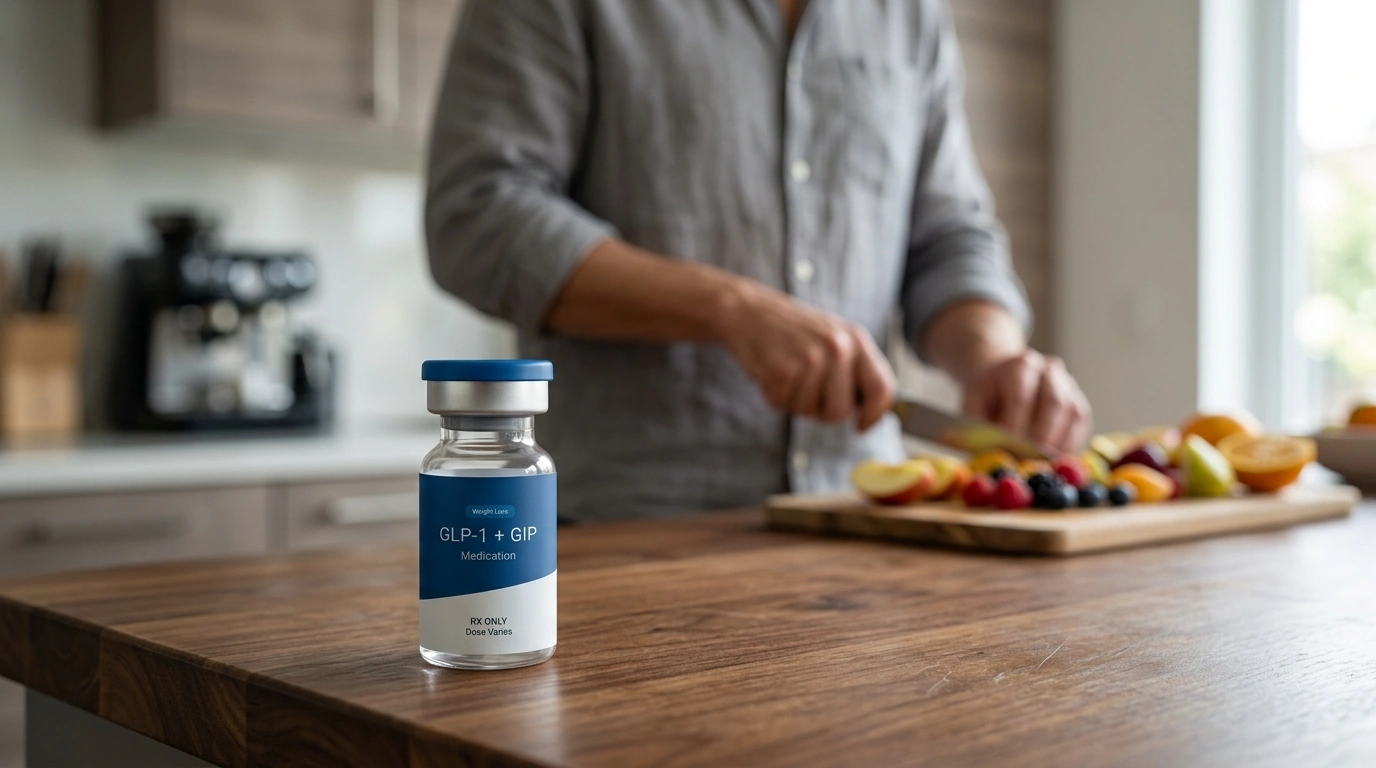
To understand why a cheeseburger or a side of fries might suddenly cause distress, you first need to understand how tirzepatide works in your body. Mounjaro is a dual receptor agonist. This means it mimics two naturally occurring hormones in your body: glucagon-like peptide-1 (GLP-1) and glucose-dependent insulinotropic polypeptide (GIP).
These hormones perform several roles, including signaling your brain that you are full and helping your pancreas regulate insulin. However, one of the most significant effects for weight loss is the slowing of gastric emptying. This is the medical term for the speed at which food leaves your stomach and enters your small intestine.
For a broader explanation of this mechanism, read how tirzepatide affects digestion and common side effects.
The Role of Slowed Gastric Emptying
When you are on a tirzepatide-based regimen, food stays in your stomach for a much longer period than usual. This is a primary reason why you feel full sooner and stay full longer. Under normal circumstances, this is a beneficial effect that helps reduce overall calorie intake. However, when the food sitting in your stomach is heavy, greasy, or high in fat, this “delay” can become a source of physical discomfort.
Why Fat Complicates the Process
Fat is naturally the slowest macronutrient to digest. Even without medication, your body requires more time and effort to break down fats compared to proteins or carbohydrates. When you combine the naturally slow digestion of fat with the medication-induced slowing of the stomach, you create a “traffic jam” in your digestive tract.
Because the fat cannot be processed quickly, it sits in the stomach environment longer than intended. This can lead to fermentation, acid buildup, and a feeling of extreme heaviness. For many, this is the primary cause of the most common side effects associated with GLP-1 and GIP medications.
Key Takeaway: Mounjaro slows down your stomach’s natural rhythm. Because fatty foods are already difficult to digest, they stay in your system too long, often leading to significant gastrointestinal distress.
Common Side Effects of High-Fat Meals
If you choose to eat fatty foods while your body is adjusting to this medication, you are likely to experience a specific set of symptoms. These are not necessarily “allergic” reactions, but rather biological consequences of delayed fat processing.
For additional guidance, see what to expect from tirzepatide side effects and how to manage them.
Nausea and Vomiting
Nausea is the most frequently reported side effect of tirzepatide. When you eat a high-fat meal, the stomach becomes distended because it cannot empty the heavy contents quickly. This sends signals to the brain that the stomach is overfilled, resulting in a persistent feeling of queasiness. In some cases, if the stomach cannot move the food forward into the small intestine, it may trigger a vomiting reflex to clear the contents.
Acid Reflux and Heartburn
Fatty foods relax the lower esophageal sphincter, which is the muscle that acts as a valve between your esophagus and your stomach. When this muscle relaxes, and the stomach is already full of slow-moving food, stomach acid is much more likely to travel upward. This results in the painful burning sensation known as heartburn or gastrointestinal reflux (GERD). Many patients find that these symptoms are worse at night if they eat a fatty meal close to bedtime.
Bloating and “Sulfur Burps”
A unique side effect often discussed by those on GLP-1 medications is the “sulfur burp.” This happens when food—particularly fats and certain proteins—stays in the stomach so long that it begins to break down and release gas. This gas often smells like or tastes like rotten eggs. This is usually accompanied by intense bloating and abdominal pressure as the gas trapped in the stomach has nowhere to go.
Diarrhea and Gastric Distress
While some people experience constipation on these medications, fatty foods often have the opposite effect. If a large amount of undigested fat eventually moves into the small intestine all at once, it can overwhelm the bowel’s ability to absorb water. This leads to loose, oily stools and urgent diarrhea. This is the body’s way of trying to quickly flush out the excess fat that it could not process normally.
Bottom line: High-fat meals amplify the natural side effects of tirzepatide, leading to increased nausea, painful reflux, and significant changes in bowel habits.
The Impact on Weight Loss Progress
Beyond the immediate physical discomfort, frequently consuming fatty foods can hinder your long-term health goals. The goal of a program like those offered through TrimRx is to help you build sustainable habits that support metabolic health.
For more information about common digestive changes, explore when tirzepatide side effects typically begin.
Caloric Density and Satiety Fatty foods are calorie-dense but often low in nutrients. Because the medication makes you feel full on much smaller portions, every bite you take needs to count. If your limited stomach space is filled with high-fat, low-nutrient foods, you may miss out on the essential proteins and fibers your body needs to maintain muscle mass and energy levels during weight loss.
Blood Sugar Stability While tirzepatide is excellent for regulating blood sugar, high-saturated fat intake can contribute to insulin resistance over time. To get the most out of your treatment, it is important to focus on foods that work with the medication rather than against it. Consistently eating greasy foods can lead to “stalls” in weight loss where the scale stops moving despite the medication’s presence.
Note: If you find that your weight loss has plateaued, it may be helpful to look at the fat content of your recent meals. Even small portions of high-fat foods can impact your progress due to their high caloric density.
Foods to Prioritize While on Tirzepatide
To minimize side effects and feel your best, you should aim to transition toward a “GLP-1 friendly” diet. This doesn’t mean you can never have fat, but the type and timing of fat intake matter immensely.
For more meal ideas, read what to eat on Mounjaro when nausea is a concern.
Lean Proteins and Fiber
Protein is the most important macronutrient to focus on. It helps preserve lean muscle mass as you lose weight. Opt for:
- Grilled chicken or turkey
- White fish or shrimp
- Tofu and legumes
- Low-fat Greek yogurt
Fiber is equally important to keep the digestive tract moving. Since the medication slows things down, fiber acts as a gentle broom for your intestines. However, introduce fiber slowly to avoid additional bloating.
Hydration and Healthy Fats
Not all fats are created equal. While fried foods and heavy creams often cause issues, small amounts of “healthy” fats are usually better tolerated. These include:
- Avocado (in moderation)
- Olive oil
- Nuts and seeds
Hydration is also critical. Many people mistake thirst for hunger, and being dehydrated can make the nausea from fatty foods feel even worse. We recommend sipping water throughout the day rather than drinking large amounts during a meal, which can overfill the stomach.
Supporting Your Journey with Supplements
Sometimes, even with a careful diet, your body needs extra support to handle the metabolic changes. We offer targeted options like GLP-1 Daily Support, which is designed to provide essential nutrients that may be lacking when your appetite is reduced. Additionally, our Weight Loss Boost supplement can help maintain energy levels as you adjust to a lower-calorie, lower-fat lifestyle.
Key Takeaway: Focus on “nutrient density.” Prioritize lean proteins and fiber-rich vegetables to ensure your body gets what it needs without triggering the GI distress associated with heavy fats.
Strategies for Navigating Social Dining
You don’t have to stop eating out or avoid social gatherings while on Mounjaro. You simply need a new strategy for how you approach the menu.
Review the Menu in Advance Before you arrive at a restaurant, look at the menu online. Identify dishes that are “steamed,” “grilled,” “roasted,” or “poached.” Avoid items described as “crispy,” “breaded,” “creamy,” or “buttery.”
The “Small Plate” Rule Because your stomach capacity is reduced, consider ordering an appetizer as your main course. This allows you to enjoy a variety of flavors without the risk of overeating or consuming too much fat in one sitting.
Be Mindful of Sauces and Dressings Often, the hidden fat in a meal isn’t the meat or the vegetables, but the sauce. Ask for dressings and sauces on the side so you can control the amount. A salad can quickly become a high-fat trigger if it is drenched in a heavy ranch or Caesar dressing.
Step-by-Step: How to Test New Foods If you aren’t sure how a specific food will affect you, follow this process:
- Eat a small portion: Try just two or three bites.
- Wait 20 minutes: Allow your stomach time to signal how it is reacting.
- Check for fullness: Stop immediately if you feel even slightly full.
- Hydrate: Drink water between bites to aid digestion.
When to Consult Your Healthcare Provider
While some discomfort is normal when adjusting to a new diet on tirzepatide, certain symptoms require professional attention. The providers we work with at TrimRx are available to help you navigate these challenges, but you should be aware of the “red flag” symptoms.
You should contact a healthcare professional if you experience:
- Severe, persistent abdominal pain that radiates to your back (this could indicate pancreatitis).
- Uncontrolled vomiting or the inability to keep liquids down for more than 24 hours.
- Severe constipation that does not respond to over-the-counter fiber or stool softeners.
- Signs of severe dehydration, such as dizziness or very dark urine.
Most mild side effects from fatty foods will resolve within 12 to 24 hours as the food finally clears your system. However, if you find that you cannot eat even healthy foods without significant pain, a dosage adjustment or a clinical review may be necessary.
For more detail on warning signs, review serious tirzepatide side effects and when to seek help.
Important: Always consult with your licensed healthcare provider before making significant changes to your medication schedule or if you experience side effects that interfere with your daily life.
Conclusion
Success with Mounjaro® is about more than just the medication; it is about learning to listen to your body’s new signals. Eating fatty foods while on this treatment is often a self-correcting mistake—the physical discomfort is usually enough to discourage a repeat performance. By prioritizing lean proteins, staying hydrated, and avoiding greasy triggers, you can maximize the benefits of your program while feeling your best.
At TrimRx, our mission is to provide you with the clinical expertise and personalized support you need for a sustainable transformation. We understand that weight loss is a journey of both science and empathy, and we are here to guide you through every dietary adjustment.
Your Next Steps:
- If you are ready to start a medically supervised journey, take our free assessment quiz to see which program is right for you.
- Explore our quick-access supplements like GLP-1 Daily Support to help bridge the nutritional gaps in your diet.
- Focus on your next meal: choose a lean protein and a colorful vegetable to see how much better your body feels.
FAQ
Can I ever eat fried food again while on Mounjaro?
While small amounts of fried food may be tolerated by some individuals later in their treatment, most people find that the side effects—such as nausea and bloating—make it unappealing. If you do choose to eat fried food, it is best to limit it to a very small portion and ensure you are well-hydrated. Over time, many people find their cravings for these foods naturally diminish as their body adjusts to the medication.
How long after eating a fatty meal will I feel sick?
Because the medication slows down your digestion, you might not feel the effects of a fatty meal immediately. It often takes 30 minutes to two hours for the “heaviness” and nausea to set in. In some cases, the most severe symptoms, like bloating or sulfur burps, may occur several hours later or even the next morning as the food ferments in the stomach.
Why do I get diarrhea after eating fat on this medication?
Diarrhea occurs when the small intestine is overwhelmed by undigested fats that the stomach was unable to break down efficiently. This causes the body to pull water into the intestines to flush out the contents quickly. This reaction, sometimes called “dumping,” is a common response to high-fat or high-sugar meals when gastric transit is altered by medication.
Are healthy fats like avocado or olive oil okay to eat?
Yes, healthy fats are essential for your body and are generally better tolerated than saturated or trans fats found in processed foods. However, moderation is still key because even healthy fats are slow to digest. Start with a small serving—like a quarter of an avocado or a tablespoon of olive oil—to see how your stomach handles it before increasing the amount.
Disclaimer: This content is for informational purposes only and does not constitute medical advice. It is not intended to diagnose, treat, cure, or prevent any disease or condition. Individual results may vary. Always consult a qualified healthcare professional before starting any weight loss program or medication.

Transforming Lives, One Step at a Time
Keep reading

Mounjaro Alternatives: What Else to Consider
If Mounjaro isn’t the right fit, the closest alternatives are other GLP-1 medications, chiefly semaglutide (Ozempic for diabetes, Wegovy for weight), along with a…

Mounjaro vs Zepbound: Same Drug, Two Brands
Like their semaglutide counterparts, Mounjaro and Zepbound are the same medication (tirzepatide) sold under two names for two purposes: Mounjaro is approved for type…

Retatrutide vs Mounjaro: Triple Agonist vs Dual Agonist
The core difference between retatrutide and Mounjaro comes down to how many hormone targets each hits: retatrutide activates three receptors, while Mounjaro (tirzepatide) activates…


