What Happens If You Eat Too Much on Wegovy?
Introduction
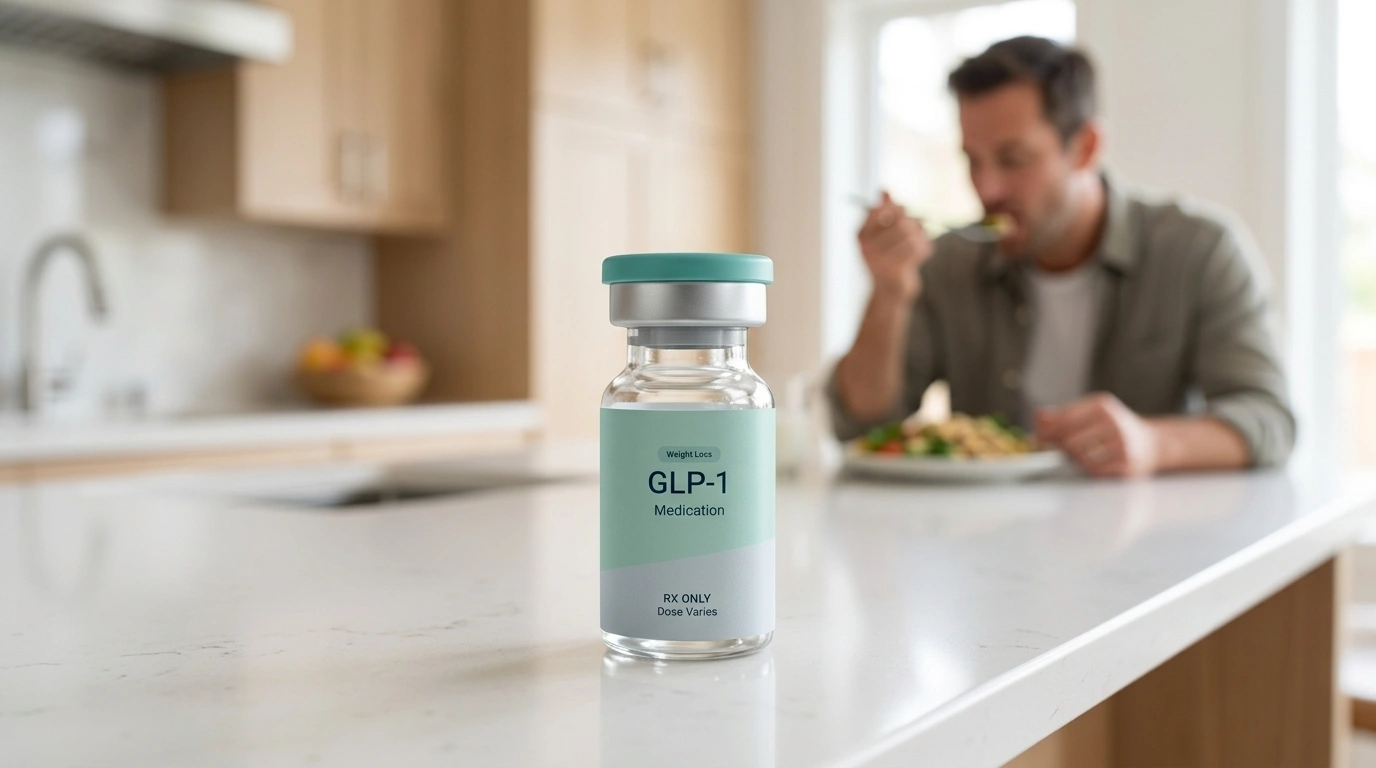
Finding the right rhythm with a new weight loss medication can feel like a balancing act. Many people starting their journey with Wegovy® find that their relationship with food changes almost overnight, but old habits—like finishing every bite on a large plate—can be hard to break. If you have ever ignored your body’s new “full” signals while on this medication, you likely noticed a quick and uncomfortable physical response. At TrimRx, we believe that understanding the science behind your body’s reactions is the first step toward a more comfortable and sustainable transformation. This post explores the physiological consequences of overeating while on a GLP-1 medication, how to identify your body’s early satiety cues, and practical ways to manage the transition. By learning why your body reacts the way it does, you can turn a moment of discomfort into a valuable tool for long-term success.
If you are considering prescription GLP-1 treatment, you can complete a free eligibility assessment to explore whether a personalized program may be appropriate for you.
The Science of Satiety and GLP-1 Medications
To understand why overeating causes such a strong reaction, it is helpful to look at how Wegovy® (a brand-name version of the drug semaglutide) works within the body. Semaglutide is a GLP-1 receptor agonist, which means it mimics a hormone naturally produced in your intestines called glucagon-like peptide-1. This hormone plays a major role in how your brain and stomach communicate about hunger and fullness.
When you take this medication, it targets the areas of the brain that regulate appetite. It also significantly slows down gastric emptying, which is the process of food moving from your stomach into your small intestine. Under normal circumstances, your stomach might empty a meal in a few hours. On a GLP-1 medication, that process is stretched out.
For a broader overview, read this plain-English explanation of how GLP-1 injections work.
Key Takeaway: Because your stomach stays full for much longer, there is physically less room for additional food. If you eat a “normal” portion size from your pre-medication days, you are essentially trying to fit a gallon of water into a quart-sized jar.
Delayed Gastric Emptying Explained
Delayed gastric emptying is one of the primary mechanisms for weight loss, but it is also the primary reason for discomfort when overeating. The medication signals the pyloric sphincter—the muscular valve at the bottom of the stomach—to stay closed for longer periods. This keeps food in the stomach, which keeps you feeling full and satisfied on much smaller amounts of food.
However, if you continue to eat after the stomach has reached its capacity, the food has nowhere to go. This leads to increased pressure within the stomach lining, which triggers the vagus nerve to send distress signals to the brain. These signals manifest as the common side effects many patients report when they have had a few bites too many.
For additional context, review this guide to common semaglutide side effects.
Immediate Physical Consequences of Overeating
If you consume a large meal or eat too quickly while on Wegovy®, your body will likely provide immediate feedback. These symptoms are not necessarily a sign that the medication is “bad” for you, but rather a sign that the medication is working exactly as intended by enforcing a physical limit on consumption.
Intense Nausea and Vomiting
Nausea is the most common side effect reported by those on semaglutide. When the stomach is overly distended due to excess food that cannot exit quickly, the brain triggers a nausea response. In many cases, if the overconsumption is significant, the body may attempt to relieve the pressure through vomiting.
Bolded Lead Sentence: The feeling of nausea often serves as a primary deterrent against future overeating. Many individuals find that after one or two episodes of post-meal nausea, they become much more attuned to the very first signs of fullness.
You can also explore this guide to understanding nausea with Wegovy for additional strategies.
Abdominal Pain and Bloating
As food sits in the stomach longer, it can lead to a sensation of intense heaviness or “bricks” in the stomach. Bloating occurs as the stomach stretches to accommodate more than the medication-induced limit allows. This can cause sharp pains or a dull, persistent ache in the upper abdomen that may last for several hours as the body slowly processes the meal.
Acid Reflux and Heartburn
Because the stomach is full and the exit to the small intestine is restricted, the only other way for pressure to go is up. This can force stomach acid and partially digested food back into the esophagus, leading to gastroesophageal reflux (GERD) or heartburn. This is often worse if you lie down shortly after eating a meal that was too large.
The “Sulfur Burp” Phenomenon
Many people on GLP-1 medications report a specific type of gas known as “sulfur burps.” This happens because food is sitting in the stomach for an extended period, allowing it to ferment slightly and release hydrogen sulfide gas. When you eat too much, the fermentation process is amplified because there is more material to break down and it stays in the warm, acidic environment of the stomach even longer.
Why the “Clean Plate Club” Is Hard to Leave
Most of us were raised with specific social and psychological habits around eating. We may have been taught to finish everything on our plates, or we may use large plates that make small portions look insufficient. When you start a program like the ones supported by us, your biology changes much faster than your psychology.
Bolded Lead Sentence: Brain-stomach discord occurs when your mind remembers the pleasure of a large meal, but your stomach can no longer handle the volume. It takes time for the “eyes” to catch up with the “stomach.” You might serve yourself a portion that looks reasonable based on your history, only to realize halfway through that you are physically done.
Note: It is important to listen to the physical sensation of fullness rather than the visual cue of an empty plate. Learning to leave food behind is a vital skill for anyone on a GLP-1 journey.
How to Avoid Overeating on a GLP-1 Program
Preventing the discomfort associated with overeating is largely about mindfulness and adjusting your mechanical eating habits. Since the medication is managing the hormonal side of hunger, you must manage the behavioral side of eating.
For more practical guidance, review these ways to get the most out of GLP-1 treatment.
Practice the 20-Minute Rule
It takes approximately 20 minutes for the hormones in your gut to signal to your brain that you are full. On Wegovy®, these signals are amplified, but they still take time to register. If you eat quickly, you can easily consume twice as much as your stomach can comfortably hold before your brain realizes what has happened.
Step 1: Set a timer or simply observe the clock when you start eating.
Step 2: Take small bites and chew each one thoroughly, aiming for 20 to 30 chews per mouthful.
Step 3: Put your fork down between every single bite.
Step 4: At the 10 or 15-minute mark, pause and ask yourself if you are still hungry or if you are just eating because the food is there.
Prioritize Protein and Fiber
When you can only eat a small amount, the quality of that food matters immensely. High-fat, greasy, or sugary foods take even longer to digest and are more likely to cause nausea and reflux. By focusing on lean proteins and fiber-rich vegetables, you provide your body with the nutrients it needs while minimizing the risk of severe indigestion.
These best foods for weight loss can help you build more nutrient-dense meals.
Use Smaller Plates
This is a simple but effective psychological trick. A small portion on a large dinner plate can make you feel deprived, leading you to scoop more food than you need. Putting that same portion on a salad plate makes the meal look substantial, which can help satisfy the psychological need for a “full” meal without overstuffing your stomach.
Stop at the First Sigh
Many people notice a “sigh of fullness”—a literal, involuntary deep breath that happens when the stomach starts to reach capacity. Others might notice a slight change in the taste of the food; the first bite tastes amazing, but by the tenth bite, the pleasure diminishes. These are subtle cues that it is time to stop.
Bottom line: Success on a GLP-1 medication requires a shift from eating until you are “stuffed” to eating until you are simply “no longer hungry.”
Managing Symptoms If You Have Already Eaten Too Much
If you find yourself in a position where you overindulged and are now feeling the consequences, there are steps you can take to mitigate the discomfort.
- Stay Upright: Do not lie down for at least two to three hours after overeating. Staying vertical uses gravity to help keep stomach acid down and encourages the slow movement of food through the digestive tract.
- Gentle Movement: A slow, ten-minute walk can help stimulate digestion and relieve some of the pressure. Avoid vigorous exercise, which could trigger vomiting.
- Sip, Don’t Gulp: If you feel nauseated, small sips of water or ginger tea can help. Avoid drinking large amounts of liquid at once, as this adds more volume to an already overstretched stomach.
- Over-the-Counter Support: Some find relief with anti-gas medications or antacids, but you should always check with your healthcare provider before adding new medications to your routine.
For more information, read this complete guide to managing semaglutide side effects.
Long-Term Impact on Your Weight Loss Journey
Occasional overeating is a normal part of the learning curve. It does not mean you have failed, nor does it mean the medication is not working. In fact, these moments of discomfort are often the best teachers. They provide a “Pavlovian” response that helps rewire your brain to prefer smaller, more frequent meals.
However, chronic overeating while on Wegovy® can lead to more than just temporary discomfort. Constant stretching of the stomach can hinder the medication’s effectiveness over time and may increase the risk of more serious gastrointestinal complications. Consistent overindulgence can also lead to inadequate weight loss results, as the caloric intake may still exceed what is needed for a deficit, despite the medication’s metabolic benefits.
The Importance of Professional Guidance
Because everyone’s body reacts differently to GLP-1 medications, having a support system is crucial. The transition to a new way of eating is not just about willpower; it is about biological adaptation. This is why a personalized approach is so important. At TrimRx, we connect you with licensed providers who can help you navigate these side effects and adjust your program as needed.
Key Takeaway: If you find that you are consistently unable to eat enough to maintain your energy levels, or if your nausea is so severe that it prevents daily functioning, it is essential to speak with a healthcare professional to adjust your dosage or strategy.
If you are evaluating whether prescription GLP-1 medications may fit your goals, find out if you qualify for a personalized program.
Nutrient Support During Your Program
When your food intake decreases significantly, you must ensure that every calorie counts. Many patients benefit from supplemental support to bridge the gap in nutrition or to help manage the metabolic changes occurring in their bodies. Our GLP-1 Daily Support supplement is designed to work alongside your program, helping to provide the essential nutrients your body might miss when your portions are smaller. Similarly, Weight Loss Boost can offer an extra layer of metabolic support for those looking to optimize their results while following a medically supervised plan.
When to Seek Medical Attention
While mild nausea and bloating are common when starting or overeating on Wegovy®, certain symptoms require immediate medical consultation. You should contact a healthcare professional if you experience:
- Severe, persistent abdominal pain: This could be a sign of pancreatitis or gallbladder issues, which are rare but serious risks associated with rapid weight loss and GLP-1 medications.
- Inability to keep liquids down: If vomiting is so frequent that you cannot stay hydrated, you may need medical intervention to prevent dehydration.
- Chronic constipation: Slowed digestion can sometimes lead to severe constipation that requires more than over-the-counter remedies.
- Significant heart palpitations or dizziness: These can be signs of electrolyte imbalances or other underlying issues.
Conclusion
Overeating on a GLP-1 medication like Wegovy® is a physically demanding experience that most people only want to go through once. The combination of delayed gastric emptying and altered brain signaling means that your “old” way of eating is no longer compatible with your “new” biology. This adjustment period is a natural part of the process, and it serves as a powerful tool for learning how to nourish your body with precision rather than excess.
At TrimRx, our mission is to help you navigate this transition with empathy and clinical expertise. We believe in a transparent, science-backed approach that focuses on sustainable lifestyle changes rather than quick fixes. By combining personalized medication programs with 24/7 support and high-quality supplements, we empower you to reclaim your health and build a lasting, positive relationship with food.
If you are ready to start your journey or need a program that offers the professional oversight necessary to manage these transitions safely, the first step is simple. We invite you to take the free assessment quiz to see which personalized program is right for your unique health profile and goals.
FAQ
How long does the nausea last if I eat too much on Wegovy?
The duration of discomfort depends on how much you ate and the specific type of food, but most people feel relief within 4 to 12 hours as the stomach slowly empties. High-fat meals may cause symptoms to linger longer because they are even slower to digest. Staying upright and sipping water can help pass the time more comfortably.
For related guidance, read about what to expect during the first week on semaglutide.
Can overeating once on Wegovy cause permanent damage?
A single episode of overeating is very unlikely to cause permanent damage, though it will be physically unpleasant. The main risk of repeated overeating is the potential for severe acid reflux or placing undue stress on the digestive system over time. Use the experience as a learning moment to better understand your body’s new limits.
Why do I feel sick even if I only ate a small amount?
In the first few weeks of treatment or after a dosage increase, your stomach’s emptying rate is at its slowest. Even a small, healthy meal can feel like “too much” if your body is still adjusting to the medication. Try breaking your food into even smaller snacks throughout the day rather than sitting down for three standard meals.
If you are considering treatment and want professional guidance, complete a free assessment for a personalized program.
What are the best foods to eat to avoid feeling sick?
Focus on “bland” and nutrient-dense options like grilled chicken, steamed vegetables, eggs, and low-fat Greek yogurt. Avoid fried foods, heavy sauces, spicy seasonings, and high-sugar carbonated drinks, as these are the most common triggers for nausea and bloating. Prioritizing protein helps maintain muscle mass while you are eating fewer calories.
For more meal-planning ideas, explore this guide to what to eat while using weight loss injections.
Disclaimer: This content is for informational purposes only and does not constitute medical advice. It is not intended to diagnose, treat, cure, or prevent any disease or condition. Individual results may vary. Always consult a qualified healthcare professional before starting any weight loss program or medication.

Transforming Lives, One Step at a Time
Keep reading
Can the Wegovy Pill Hold the Weight You Lost on Semaglutide Injections?
Most likely yes, once you reach the maintenance dose. The risk is not the destination but the trip: switching means restarting titration on the…

Wegovy Alternatives: What Else Works for Weight Loss
If Wegovy isn’t working out, the strongest alternative is tirzepatide (Zepbound), which tends to produce more weight loss, followed by other GLP-1 options and…

VK2735 vs Wegovy: Investigational Contender vs Proven Semaglutide
VK2735 and Wegovy sit at different stages of development. VK2735, an investigational drug from Viking Therapeutics, comes in both injectable and oral forms and…


