What Happens If You Inject Mounjaro Wrong
Introduction
Standing with a medication pen in your hand for the first time can feel incredibly daunting. You might worry about hitting a nerve, choosing the wrong spot, or somehow wasting a dose of a medication you have worked hard to access. If you have already administered your dose and realized it was not in the “perfect” location, that wave of anxiety is completely normal. At TrimRx, we understand that the clinical side of weight loss can feel intimidating, but our goal is to provide the clarity you need to move forward confidently. This article explains what happens if an injection goes slightly off-target, why specific sites are recommended, and how to ensure your medication works effectively. Understanding the “how” behind your treatment is the first step toward a successful journey. Most minor mistakes are easily corrected and rarely impact your long-term progress.
Quick Answer: If you inject Mounjaro® in the wrong spot, such as into muscle or too close to the navel, the medication is usually still absorbed by the body. You may experience localized bruising, more pain, or a temporary increase in nausea, but it is rarely a medical emergency.
Understanding the Subcutaneous Injection
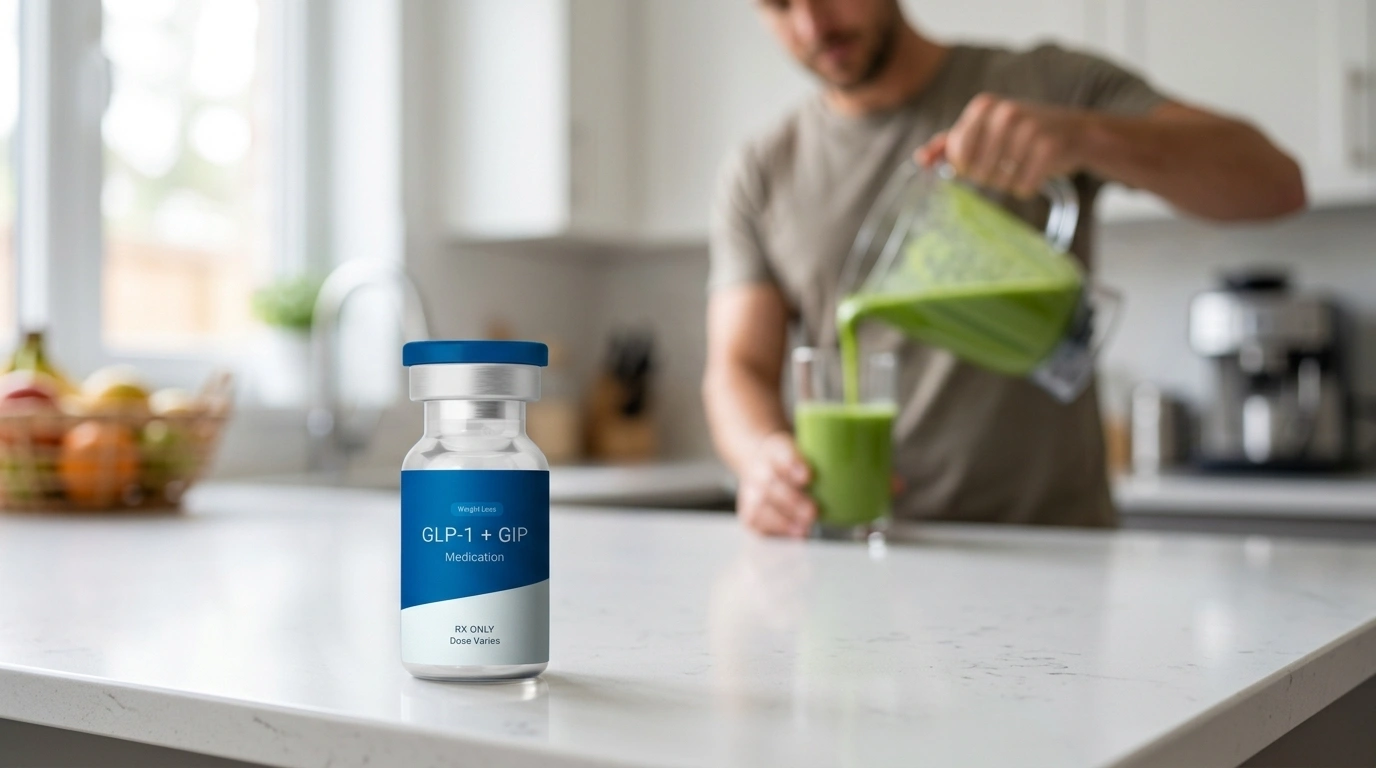
Mounjaro® (tirzepatide) is a medication known as a dual GLP-1 (glucagon-like peptide-1) and GIP (glucose-dependent insulinotropic polypeptide) receptor agonist. These “agonists” are substances that mimic hormones in your body to help manage blood sugar and support weight loss. For these medications to work as intended, they must be injected into the subcutaneous fat layer. This is the layer of fatty tissue located directly between your skin and the underlying muscle.
The fatty tissue is the ideal target because it has fewer blood vessels than muscle. This lack of dense blood flow allows the medication to be absorbed into your system slowly and steadily over several days. This controlled release is why you only need to take the medication once a week. If you inject too deeply into the muscle or too shallowly into the skin surface, the primary issue is usually a change in this absorption rate. For additional background, review this guide to how GLP-1 injections work.
Key Takeaway: Subcutaneous fat acts like a slow-release reservoir for your medication. Injecting into the “wrong” spot usually just means the medication enters your bloodstream faster or slower than the manufacturer intended.
Common Injection Mistakes and Their Effects
When people worry about injecting “wrong,” they are usually referring to a few specific scenarios. While these mistakes can be frustrating, they are common learning moments for many individuals starting a new program.
Injecting Into Muscle Tissue
If you press the pen too hard or choose an area with very little body fat, the needle might reach the muscle. This is called an intramuscular injection. Because muscle has a high blood flow, the medication may be absorbed much faster than it would be from fat. This does not make the medication “fail,” but it might cause the peak level of the drug to hit your system sooner. This can lead to a sudden, temporary increase in side effects like nausea, vomiting, or diarrhea. You can also review this explanation of what happens if Mounjaro is injected into muscle.
Injecting Too Close to the Navel
Clinical guidelines suggest staying at least two inches away from your belly button (navel). The tissue directly around the navel is often tougher and contains more blood vessels and nerves. Injecting here is usually more painful and can lead to significant bruising. It can also cause inconsistent absorption because the tissue is less “spongy” than the surrounding abdominal fat. See these additional guidelines for where not to inject Mounjaro.
Injecting Into Scars or Stretch Marks
Scar tissue and stretch marks are structurally different from healthy skin and fat. They are often denser and have less blood flow. If you inject directly into a scar, the medication may get “trapped” in the tough tissue, leading to very slow or incomplete absorption. This might make you feel like your dose was less effective that week.
Failing to Rotate Sites
Using the exact same spot every week is a frequent mistake. Over time, this can lead to a condition called lipohypertrophy. This involves the development of small, hard lumps of fat or scar tissue under the skin. These lumps are not dangerous, but they are very poor at absorbing medication. If you keep injecting into a “lumpy” area, your body may not receive the full benefit of the treatment. This tirzepatide injection site rotation guide offers another practical way to change locations.
Will the Medication Still Work?
The short answer is yes. Your body is very efficient at absorbing the ingredients in these medications, even if the delivery was not perfect. As long as the liquid from the pen entered your body, the tirzepatide will eventually reach your circulation and begin its work in the brain and digestive system.
You may notice that your hunger suppression feels different for that specific week. If the absorption was too fast (due to hitting muscle), you might feel very “full” early in the week but find that the effect wears off by day five or six. Conversely, if you hit a scar, it might take longer for the suppression to kick in. At TrimRx, we encourage patience during these moments. One imperfect injection will not undo the progress you have made over several months.
Note: If you believe you missed the entire dose because the pen malfunctioned or the liquid ran down your skin, do not take a second dose immediately. Contact your healthcare provider or our support team for guidance on when to safely administer your next dose.
Signs of an Injection Site Reaction
It is important to distinguish between “injecting wrong” and having a normal reaction to the medication. Some physical feedback at the site of the injection is common and usually expected. You can also review these tips for managing Mounjaro injection site pain.
- Bruising: A small bruise is normal, especially if you hit a tiny capillary. It is more common in the thigh than the abdomen.
- Redness and Itching: Some people have a mild sensitivity to the medication or the needle. A small red, itchy circle (about the size of a quarter) that disappears within a day or two is usually not a cause for concern.
- The “Wheal” or Bubble: Immediately after injecting, you might see a small raised bubble of liquid under the skin. This just means the injection was very shallow. It will disappear as the liquid absorbs.
- Pain: A quick pinch is normal. Sharp, lingering pain usually means the site was too close to a nerve or the medication was injected while still very cold from the refrigerator.
Comparison of Approved Injection Sites
| Site | Ease of Access | Pain Level | Absorption |
|---|---|---|---|
| Abdomen | High (Easy to see/reach) | Low (Most fat available) | Consistent and steady |
| Thigh | High (Good for sitting) | Moderate (Higher nerve density) | Slightly slower than abdomen |
| Upper Arm | Low (May need assistance) | Moderate | Consistent |
Why Site Rotation Is Non-Negotiable
Rotating your injection site is the best way to prevent long-term skin issues and ensure your medication remains effective. We recommend a “clock” method or a “quadrant” method for the abdomen.
Imagine your abdomen is divided into four sections: top left, top right, bottom left, and bottom right. Every week, move to a new section, staying at least two inches away from the belly button. You can also switch between your stomach and your thigh.
Myth: “Injecting in the stomach makes you lose belly fat faster.” Fact: Mounjaro® works systemically. Once the medication is in your bloodstream, it moves to the brain and the gut to regulate appetite and insulin. It does not “spot-reduce” fat in the area where it was injected.
How to Handle a “Dry” Injection or Pen Malfunction
Sometimes the mistake isn’t where you injected, but how the pen functioned. If you remove the pen and see liquid on your skin or dripping from the needle, this is often called a “wet” or “dry” injection issue.
- Check the Plunger: Look at the pen window. If the gray plunger is visible, the pen has successfully fired. Even if a small drop of liquid is on your skin, you likely received the vast majority of the dose.
- Do Not Re-Inject: It is impossible to know exactly how much medication was lost. Taking another full dose could lead to severe side effects.
- Clean the Area: Simply wipe away the excess liquid with a tissue.
- Review Technique: Ensure you are holding the pen firmly against the skin for the full count (usually 10 seconds) until the second click is heard.
Step-by-Step: Proper Injection Technique
Following a consistent routine reduces the chance of making a mistake. Use this process every week to stay on track. This step-by-step tirzepatide injection guide provides additional technique guidance.
Step 1: Prepare the medication. / Take the pen out of the refrigerator 30 minutes before you plan to inject. Cold medication is thicker and often more painful to inject.
Step 2: Inspect the liquid. / Look through the pen window. The medication should be clear and colorless. If it is cloudy or contains particles, do not use it.
Step 3: Select and clean your site. / Choose a fatty area. Wipe the skin with an alcohol swab and let it air dry completely. Injecting through wet alcohol causes a stinging sensation.
Step 4: Position and unlock. / Pull the base cap off. Place the clear base flat against your skin. Only unlock the pen once it is firmly in place.
Step 5: Inject and hold. / Press the purple button. You will hear a click. Keep holding the pen firmly against your skin. You will hear a second click when the injection is done. Wait an extra five seconds just to be sure.
Step 6: Dispose safely. / Place the used pen in a sharps container. Never throw needles or pens in the regular trash.
Key Takeaway: The “two-click” rule is your best friend. Wait for the second click and a visible gray plunger to ensure the dose was delivered.
Managing Side Effects After a Mistake
If you realize you injected into a muscle or an unapproved area, you might feel more side effects than usual. This is a common part of the learning curve.
- For Nausea: Focus on small, frequent sips of water. Ginger or peppermint tea can help settle the stomach.
- For Bruising: Apply a cold compress to the site for 10 minutes to reduce swelling. Do not rub the area, as this can increase bruising.
- For “Lumps”: If you feel a hard spot, leave it alone. Do not massage it, as this can interfere with how the medication is being processed. Mark that spot on a calendar so you remember to avoid it for several weeks.
When to Contact a Healthcare Professional
While most injection mistakes are minor, there are times when you should seek medical advice. Our team at TrimRx is always available to help, but you should also be aware of your body’s signals.
- Severe Allergic Reaction: If you experience hives, swelling of the face or throat, or difficulty breathing, seek emergency medical care immediately.
- Infection Signs: If the injection site becomes increasingly painful, hot to the touch, or begins to drain fluid/pus, it may be infected.
- Unrelenting Side Effects: If you cannot keep liquids down for more than 24 hours due to vomiting, you risk dehydration and should consult a provider.
- Pen Malfunction: If the pen breaks or fails to fire, contact the manufacturer or your pharmacy to report the defect.
If you are considering a prescription weight loss program with clinical guidance, you can complete a free eligibility assessment.
How TrimRx Supports Your Success
We know that a weight loss journey is about more than just a prescription. It is about feeling supported every time you pick up that medication pen. Our personalized programs are designed to take the guesswork out of your treatment. When you use the TrimRx platform, you gain access to a dedicated team that can answer your questions about injection techniques, side effect management, and metabolic health.
We offer a telehealth-first approach, meaning you can get the guidance you need from the comfort of home. Whether you are curious about the best injection site for your body type or need help troubleshooting a pen issue, our specialists are available to guide you. By combining modern GLP-1 medications with clinical expertise, we help you build a sustainable path toward your health goals. For additional energy and metabolic support during weight loss, explore the Weight Loss Boost supplement.
Bottom line: An occasional injection mistake is a minor hurdle in a long journey. By focusing on proper technique and consistent site rotation, you can minimize discomfort and maximize your results.
FAQ
Does injecting Mounjaro® in the thigh cause fewer side effects?
Some patients report that injecting in the thigh reduces nausea compared to the abdomen, though clinical studies show the medication is equally effective in both sites. If you experience significant stomach upset, switching your injection site to the thigh or arm may improve your comfort.
Can I inject Mounjaro® through my clothes if I am in a hurry?
No, you should never inject through clothing. This can introduce bacteria from the fabric into the injection site, increasing the risk of infection, and may prevent the needle from reaching the proper depth in the fatty tissue.
What should I do if I see a drop of blood after injecting?
A small drop of blood is common and usually means the needle nicked a tiny surface vein or capillary. Simply press a clean tissue or cotton ball against the site for a few seconds; it does not mean the medication failed to work. For more information, review this guide on what to do if you do not feel a Mounjaro injection.
Is it okay to use the same injection site if I move it over an inch?
Yes, as long as you are at least one inch away from the previous week’s site, you are technically rotating. However, switching to a completely different quadrant or a different body part (like moving from the left side of the stomach to the right thigh) is the best way to prevent tissue damage.
If you are still deciding whether prescription treatment is appropriate for you, take the free assessment quiz.
Disclaimer: This content is for informational purposes only and does not constitute medical advice. It is not intended to diagnose, treat, cure, or prevent any disease or condition. Individual results may vary. Always consult a qualified healthcare professional before starting any weight loss program or medication.

Transforming Lives, One Step at a Time
Keep reading

Mounjaro Alternatives: What Else to Consider
If Mounjaro isn’t the right fit, the closest alternatives are other GLP-1 medications, chiefly semaglutide (Ozempic for diabetes, Wegovy for weight), along with a…

Mounjaro vs Zepbound: Same Drug, Two Brands
Like their semaglutide counterparts, Mounjaro and Zepbound are the same medication (tirzepatide) sold under two names for two purposes: Mounjaro is approved for type…

Retatrutide vs Mounjaro: Triple Agonist vs Dual Agonist
The core difference between retatrutide and Mounjaro comes down to how many hormone targets each hits: retatrutide activates three receptors, while Mounjaro (tirzepatide) activates…


