What Happens if You Take Too Much GLP-1?

Introduction
It is a moment that can cause immediate panic: you are staring at your syringe or medication pen, wondering if you miscalculated the units, or perhaps you realized you accidentally took your weekly dose twice. With the rise in popularity of weight management medications, many people find themselves asking what happens if you take too much GLP-1. At TrimRx, we believe that understanding the safety profile of your medication is just as important as the treatment itself. This article will cover the physical symptoms of an accidental overdose, the physiological reasons why these reactions occur, and the critical steps you should take if you suspect you have taken more than your prescribed amount. By staying informed and working closely with a clinical team, you can navigate your journey safely and effectively.
Quick Answer: Taking too much GLP-1 medication typically leads to severe gastrointestinal distress, including intense nausea, prolonged vomiting, and abdominal pain. While rarely life-threatening for healthy individuals, it can lead to severe dehydration or low blood sugar, requiring immediate medical consultation or emergency care.
The Role of GLP-1 in the Body
To understand what happens when there is an excess of GLP-1 in your system, it helps to first understand what the hormone does naturally. GLP-1, or glucagon-like peptide-1, is a hormone produced in the gut. Its primary job is to tell the pancreas to release insulin when blood sugar levels rise. It also slows down “gastric emptying,” which is the speed at which food leaves your stomach and enters the small intestine. For more background, read this guide to what the GLP-1 hormone does.
Medications like Semaglutide and Tirzepatide are known as receptor agonists. This means they “mimic” the natural hormone but stay in the body much longer. While your natural GLP-1 lasts only minutes, these medications are designed to work for a full week. When you take the correct dose, you feel full sooner and stay full longer. However, when the dose is too high, these natural processes are pushed into overdrive.
Compounded Semaglutide and Compounded Tirzepatide are often used in personalized weight loss programs. These medications are prepared and shipped by FDA-registered, inspected compounding pharmacies. Regardless of whether you are using a branded version or a compounded one, the biological response to an excessive dose remains the same. The body becomes overwhelmed by the signal to slow down digestion and manage glucose.
Common Symptoms of Taking Too Much GLP-1
The most frequent reaction to an excessive dose of GLP-1 is extreme gastrointestinal upset. Because the medication significantly slows the movement of food through the digestive tract, an overdose can cause the system to come to a near-halt. This leads to a backup that the body attempts to clear through vomiting or diarrhea. For additional information, review this semaglutide side effects and management guide.
Severe Nausea and Vomiting
While mild nausea is a common side effect when starting GLP-1 medications, an overdose usually triggers “intractable” vomiting. This is vomiting that does not stop and makes it impossible to keep down liquids or food. This is the body’s primary response to an overabundance of the hormone.
Intense Abdominal Pain and Bloating
As the stomach remains full for an extended period, gas and pressure can build up. This often results in sharp cramps or a feeling of extreme fullness that is painful to the touch. In some cases, this can mimic the symptoms of more serious conditions like pancreatitis, which is why medical evaluation is necessary.
Dehydration and Dizziness
Frequent vomiting and diarrhea quickly lead to a loss of fluids and electrolytes. Dehydration is often the most dangerous secondary effect of taking too much GLP-1. Symptoms include a very dry mouth, dark-colored urine, extreme fatigue, and feeling lightheaded when you stand up.
Table: Symptoms of Standard vs. Excessive GLP-1 Dosage
| Symptom | Standard Dose Side Effect | Excessive Dose (Overdose) |
|---|---|---|
| Nausea | Mild, comes and goes | Constant and debilitating |
| Vomiting | Rare or occasional | Frequent and uncontrollable |
| Appetite | Reduced, manageable | Total food aversion/nausea at sight of food |
| Blood Sugar | Stable | Risk of hypoglycemia (low blood sugar) |
| Hydration | Normal | High risk of severe dehydration |
The Risk of Hypoglycemia
Hypoglycemia, or dangerously low blood sugar, is a significant concern if too much GLP-1 is administered. Although GLP-1 medications are designed to stimulate insulin only when blood sugar is high, an massive excess can sometimes interfere with the body’s ability to maintain glucose balance.
This risk is significantly higher for individuals who are also taking other medications for Type 2 diabetes, such as insulin or sulfonylureas. Low blood sugar can be a medical emergency. If you experience shakiness, sweating, confusion, or a rapid heartbeat after a dosing error, you should check your blood sugar immediately and seek help.
Key Takeaway: The primary danger of a GLP-1 overdose is not the medication itself, but the secondary effects of severe vomiting, which can lead to dehydration and electrolyte imbalances that require IV fluids.
Why Taking More Does Not Mean Faster Progress
It is a common misconception that increasing your dose faster than prescribed will lead to quicker weight loss. In reality, taking too much GLP-1 usually stalls progress because the individual becomes too ill to maintain healthy habits.
Weight loss is a marathon, not a sprint. The body needs time to adjust to the metabolic changes these medications induce. This is why clinical protocols involve “titration”—the process of starting at a very low dose and slowly increasing it over several months. Learn more about gradual semaglutide dose increases.
Myth: If I take a double dose, I will lose twice as much weight this week. Fact: Doubling your dose will likely lead to severe illness and may require a trip to the emergency room, often forcing you to stop the medication entirely while you recover.
When you follow a personalized program, your dosage is carefully calibrated to your specific health profile and weight loss goals. Skipping steps or self-adjusting your dose bypasses the safety mechanisms put in place by healthcare providers to ensure your body handles the medication well. This semaglutide dosing guide explains why titration matters.
Common Causes of Dosing Errors
Understanding how mistakes happen is the first step in preventing them. Most GLP-1 dosing errors occur during the transition between different types of delivery systems or when moving from a low dose to a higher one.
- Confusing Units with Milligrams: For those using Compounded Semaglutide or Compounded Tirzepatide, the medication is often drawn into a syringe from a vial. The markings on a syringe are in “units” (volume), but the prescription is written in “milligrams” (strength). Miscalculating this conversion is a frequent cause of accidental overdose. This guide to understanding tirzepatide units provides additional context.
- Double Dosing: Life gets busy, and it is easy to forget if you took your weekly injection. If you take a second dose because you can’t remember the first, you are effectively doubling the concentration in your bloodstream.
- Rapid Titration: Some people feel they aren’t losing weight fast enough and decide to move up to the next dose level before their body is ready. This often results in the body reacting as if it has been overdosed.
- Misunderstanding Pen Mechanisms: For branded medications like Wegovy® or Zepbound®, the delivery pens are usually pre-filled. However, confusion about how to trigger the pen or thinking a dose didn’t “fire” can lead some to use a second pen immediately.
What to Do If You Take Too Much
If you realize you have taken an excessive amount of GLP-1, do not wait for symptoms to appear before taking action. Early intervention can help manage the severity of the side effects.
Step 1: Contact Your Healthcare Provider
Notify your clinical team immediately. They can provide specific guidance based on your medical history and the exact amount you took. If you are part of a program like ours, reaching out to your dedicated specialist is the best first step.
Step 2: Monitor for “Red Flag” Symptoms
Watch for signs that indicate you need emergency care. These include an inability to keep any liquids down for more than 12 hours, severe abdominal pain that radiates to the back, confusion, or fainting.
Step 3: Prioritize Hydration
Even if you feel nauseated, try to take small, frequent sips of water or an electrolyte-replacement drink. Avoid large gulps, which can trigger the vomiting reflex. Proper hydration can often be the difference between recovering at home and needing a hospital visit.
Step 4: Check Your Blood Sugar
If you have a glucose monitor, check your levels every few hours, even if you are not diabetic. If your blood sugar drops below 70 mg/dL, follow the “15-15 rule”: consume 15 grams of fast-acting carbs (like 4 ounces of juice) and recheck in 15 minutes.
Note: If you are experiencing persistent, uncontrollable vomiting or signs of severe dehydration, visit an urgent care center or emergency room. They can provide intravenous (IV) fluids and anti-nausea medications to stabilize you.
How Personalized Care Prevents Dosing Mistakes
The best way to avoid the complications of taking too much GLP-1 is to be part of a supervised, telehealth-based program. At TrimRx, we focus on education and accessibility to ensure our members feel confident in their treatment. If you are considering prescription treatment, you can complete a free eligibility assessment to begin the process.
When you use our platform, you aren’t just receiving a prescription; you are entering a managed ecosystem of care. This includes:
- Clear Dosing Instructions: We provide easy-to-understand guides on how to measure your dose, specifically addressing the “units vs. milligrams” confusion.
- Gradual Titration Schedules: Our providers follow evidence-based protocols that slowly introduce the medication to your system, allowing your gut to adapt.
- 24/7 Specialist Access: If you are ever unsure about your dose, you can reach out to our team for clarification before you take the injection.
- Medication Management: We help you track your doses so you never have to guess whether you’ve already taken your weekly shot.
Our mission is to help individuals embrace healthier lifestyles through science, empathy, and a transparent, personalized approach to sustainable weight loss. By removing the guesswork, we minimize the risk of errors and focus on long-term results.
Supporting Your Body During Treatment
Optimizing your GLP-1 journey involves more than just the medication. Supporting your body’s natural pathways can help mitigate minor side effects and improve your overall experience. When your body is properly supported, you are less likely to feel the urge to “rush” the process by taking higher doses than necessary.
For those looking for additional support, we offer quick-access supplements like GLP-1 Daily Support and Weight Loss Boost. These are designed to provide the nutrients your body needs while on a reduced-calorie diet and can be purchased without a prescription or a quiz. Maintaining your nutrient levels helps ensure that your energy remains stable, reducing the temptation to over-medicate in search of faster results.
The Importance of Professional Guidance
You should never attempt to manage GLP-1 medications without the oversight of a licensed healthcare professional. While the internet is full of advice, every individual’s metabolic health is unique. Factors such as kidney function, heart health, and concurrent medications play a massive role in how your body processes GLP-1 agonists. For more information about starting treatment through telehealth, read how to get GLP-1 medication online safely.
A telehealth-first approach allows you to skip the waiting rooms and in-person visits while still receiving high-level clinical care. This constant connection to a provider ensures that if you do make a mistake with your dosing, you have a professional ready to guide you through the recovery process.
Bottom line: While taking too much GLP-1 is distressing and physically demanding, it is usually manageable with proper medical guidance and aggressive hydration. Prevention through clear education and professional supervision is the most effective strategy.
Conclusion
Taking too much GLP-1 can be a frightening experience, often leading to severe nausea, vomiting, and the risk of dehydration. However, understanding that these symptoms are a result of the medication’s natural mechanism being overstimulated can help you stay calm and take the necessary steps toward recovery. Always prioritize hydration, monitor for emergency red flags, and contact a healthcare professional immediately if a dosing error occurs.
At TrimRx, our goal is to provide a safe, supportive, and science-backed environment for your weight loss journey. We combine modern technology with clinical expertise to ensure your program is personalized to your needs, minimizing risks while maximizing your potential for sustainable health. If you are ready to start a supervised journey with a team that prioritizes your safety, the first step is simple.
Ready to start your personalized path to wellness? Take our free assessment quiz today to see which program is right for you.
FAQ
What are the first signs that I’ve taken too much GLP-1?
The earliest signs of an excessive dose usually involve a sudden, intense wave of nausea that far exceeds the typical mild queasiness experienced during titration. This is often followed by repeated vomiting and a feeling of extreme abdominal bloating or “heaviness” as your digestion slows down significantly. Some people also report feeling a rapid heartbeat or cold sweats if their blood sugar begins to fluctuate.
Should I go to the emergency room for a GLP-1 overdose?
You should seek emergency care if you cannot keep any liquids down for an extended period (usually 12 hours or more), as this leads to severe dehydration. Other reasons for an ER visit include signs of a serious allergic reaction, severe pain in the upper stomach that moves to the back, or if you feel faint and confused. If your symptoms are manageable at home, you should still contact your healthcare provider or a poison control center for guidance.
Can I skip my next dose if I accidentally took too much this week?
You should never adjust your dosing schedule without consulting your healthcare provider first. Generally, if you have taken too much, your provider may advise you to wait longer before your next injection to allow the medication levels in your blood to drop. However, the exact timing will depend on the amount taken and how your body is recovering, so professional advice is essential. For more on how gradual dosing works, review this tirzepatide titration guide.
How long do the effects of a GLP-1 overdose last?
Because medications like Semaglutide and Tirzepatide have a long half-life, the symptoms of an overdose can last for several days. Most people find that the most intense symptoms, such as frequent vomiting, peak within the first 24 to 48 hours and gradually subside over the course of a week. During this time, focusing on small sips of water and electrolyte drinks is crucial for recovery.
Disclaimer: This content is for informational purposes only and does not constitute medical advice. It is not intended to diagnose, treat, cure, or prevent any disease or condition. Individual results may vary. Always consult a qualified healthcare professional before starting any weight loss program or medication.

Transforming Lives, One Step at a Time
Keep reading
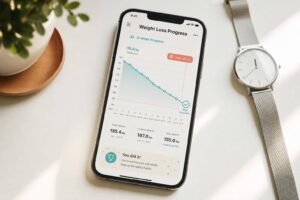
Weight Loss Progress Tracker
Track your weight loss over time, see progress clearly, and stay motivated with simple charts, summaries, and goal-based insights.
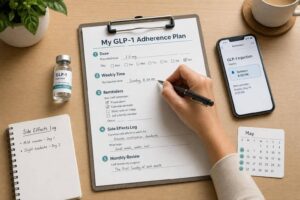
How to Create a Personalized Adherence Plan
Build a one-page GLP-1 adherence plan: record dose, pick a weekly time, set reminders, log side effects, and review monthly.

Weight Loss Medication Dosage Calculator
Estimate weight loss medication doses by weight and drug type, with starting guidance, dose progression info, and a clear medical disclaimer.


