What Happens to the Body When You Stop Taking Mounjaro
Introduction
For many people, reaching a target weight feels like the end of a long journey. You have put in the work, managed the side effects, and finally see a different person in the mirror. However, as the focus shifts from losing weight to maintaining it, a new question often arises: what happens when the medication stops? It is a moment of both pride and anxiety. You may wonder if your appetite will return with a vengeance or if the health markers you improved will begin to slide backward. If you’re still building a maintenance strategy, our guide on how to start a weight loss journey that actually lasts is a helpful companion.
At TrimRx, we believe that understanding the transition off a medication is just as important as the process of starting one. This post covers the physiological changes, metabolic shifts, and psychological adjustments your body undergoes when you discontinue tirzepatide. By exploring the science of cessation, we aim to equip you with the knowledge to manage your long-term health effectively. Stopping this medication involves more than just skipping a dose; it is a major biological transition that requires a clear plan for sustainability. If you want a personalized starting point, you can complete the free assessment quiz before deciding what comes next.
The Science of Cessation: How the Body Responds
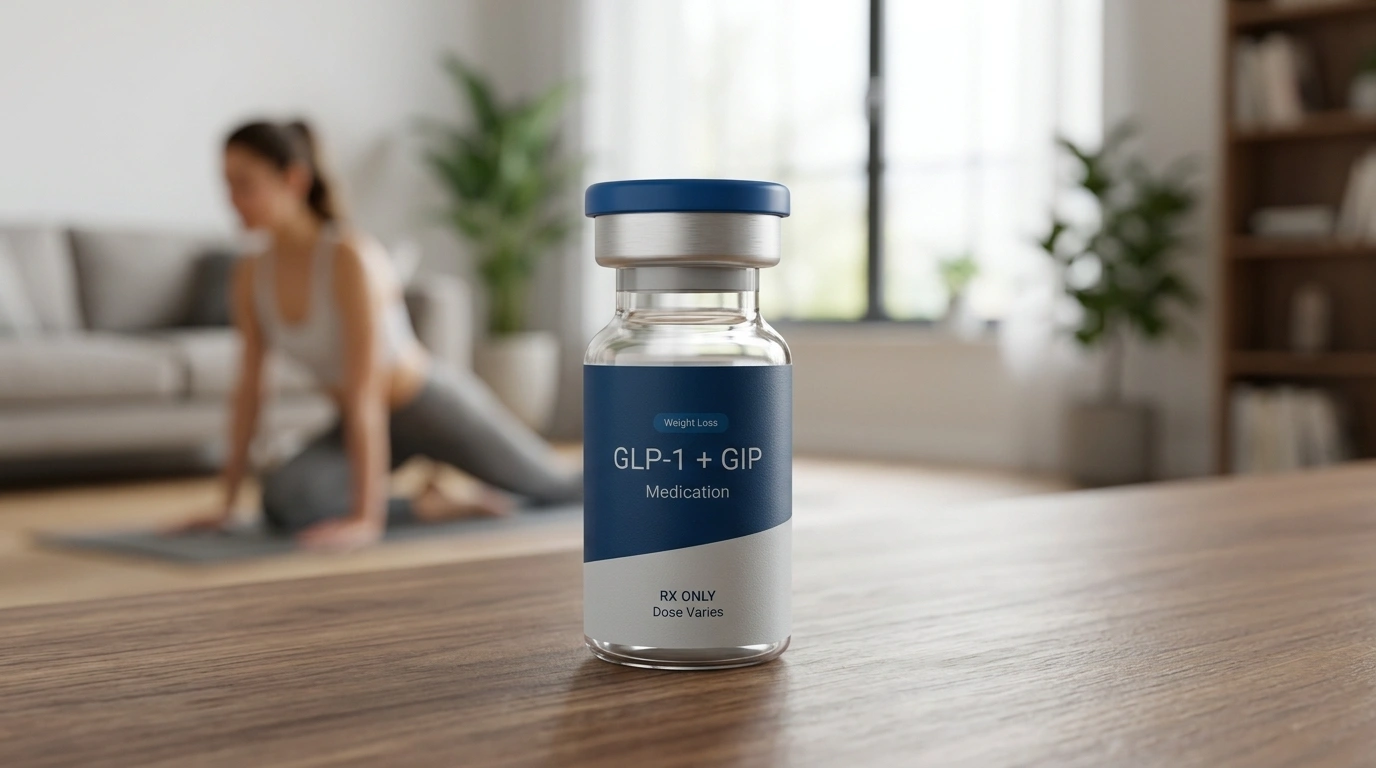
To understand what happens when you stop taking Mounjaro® (tirzepatide), you must first understand how it works while it is in your system. This medication is a dual agonist. This means it mimics two different hormones in your body: glucagon-like peptide-1 (GLP-1) and glucose-dependent insulinotropic polypeptide (GIP). These hormones are naturally produced in the gut and are responsible for telling your brain you are full, slowing down how fast your stomach empties, and helping your pancreas release the right amount of insulin. For a closer look at that mechanism, see Understanding How Tirzepatide Works.
When you take the medication, these signals are amplified. Your body essentially receives a constant, high-level message that it is satisfied. When you stop taking the medication, that external amplification disappears. Your body must return to its own natural hormonal production, which may have been “quieted” or adjusted while the medication was present.
The Role of GIP and GLP-1 Receptors
The dual action on GIP and GLP-1 receptors is what makes tirzepatide distinct from other weight loss medications. GLP-1 primarily focuses on appetite suppression and slowing the digestive tract. GIP is thought to play a larger role in how the body breaks down fats and manages energy storage. When the medication is withdrawn, the “dual support” for your metabolism is removed.
Without the medication stimulating these receptors, the brain’s hunger centers no longer receive the same level of satiety signals. This is not a failure of willpower. It is a biological response to the absence of a hormone mimic that was previously regulating your metabolism.
The Half-Life of Tirzepatide
Tirzepatide has a half-life of approximately five days. The “half-life” is the amount of time it takes for the concentration of the drug in your body to reduce by 50%. This means the medication does not leave your system overnight. It takes about 25 to 30 days for the drug to be entirely cleared from your body.
During these first four weeks, you may experience a “fading” effect. You might feel the medication’s benefits for several days after your last dose, but as the concentration drops, the biological changes become more apparent. Most people start to notice a significant shift in their appetite and digestion within the first ten to fourteen days after their final injection.
Key Takeaway: Mounjaro® acts as a dual hormone mimic. When stopped, it takes about 30 days to fully leave the system, during which time the body must relearn how to manage hunger and insulin without external help.
The Reappearance of Food Noise and Cravings
One of the most frequently discussed benefits of GLP-1 and GIP medications is the reduction of “food noise.” This term describes the constant, intrusive thoughts about food, cravings, and the mental energy spent planning the next meal. For many, this noise disappears entirely while on the medication, allowing them to focus on other aspects of life. For a deeper look at the hormone’s appetite effects, read what GLP-1 does.
When you stop taking the medication, this food noise often returns. This can be one of the most challenging aspects of the transition. The return of these thoughts is often sudden and can feel overwhelming for those who have enjoyed months of mental quiet.
Understanding the Mental Shift
Food noise is not just a habit; it is a neurological process. The reward centers of the brain, which are influenced by dopamine, are highly sensitive to food cues. Medications like tirzepatide help dampen the “reward” response your brain gets from high-calorie foods.
When the medication is gone, those reward pathways become more sensitive again. A piece of chocolate or a salty snack may once again trigger a much stronger “hit” of pleasure in the brain. This makes cravings harder to ignore than they were while you were using the medication.
Why Hunger Returns with Intensity
As the medication leaves your system, your appetite does not just return to “normal”—it may feel even stronger than before. This is sometimes called “rebound hunger.” Because your stomach is now emptying at its natural, faster rate, you will feel physical hunger signals much sooner after a meal.
Furthermore, your body may be trying to defend its previous, higher weight. This is a biological mechanism where the body increases hunger hormones like ghrelin to encourage you to eat more and regain lost energy stores. Managing this phase requires a proactive approach to nutrition and mindset.
Quick Answer: When you stop Mounjaro®, your appetite increases because the medication no longer suppresses hunger hormones or slows digestion. Most people experience the return of “food noise” and cravings within two weeks of stopping.
Metabolic Changes and Weight Regain
The most common concern for anyone stopping a weight loss medication is weight regain. Clinical data, including the SURMOUNT-4 trial, has shown that weight regain is a very real possibility. In that study, participants who switched to a placebo after months of tirzepatide treatment regained a significant portion of their lost weight over the following year. For a closer look at the maintenance side of this transition, read building lasting habits after stopping GLP-1 medications.
The Reality of Weight Maintenance
Weight regain happens because obesity is a chronic condition, much like high blood pressure or asthma. When you stop the treatment for a chronic condition, the symptoms often return. Without the metabolic support of the medication, the body’s underlying tendency to store fat may take over again.
Statistics suggest that many people regain a portion of their lost weight within the first year of stopping. However, the amount of weight regained varies significantly from person to person. Those who have established strong lifestyle habits, such as consistent exercise and high-protein diets, may be better equipped to mitigate this regain.
Blood Sugar and Insulin Sensitivity
If you were using Mounjaro® for type 2 diabetes or insulin resistance, stopping the medication will directly affect your blood glucose levels. The medication helps the pancreas release insulin more effectively when blood sugar is high.
Without this help, your blood sugar levels may begin to rise. For individuals with diabetes, this could lead to a return of high A1C levels and the need for alternative medications. Even for those without diabetes, a decrease in insulin sensitivity can make it easier for the body to store fat and harder to maintain energy levels throughout the day.
Note: If you have type 2 diabetes or metabolic syndrome, you must consult a licensed healthcare provider before stopping your medication. Sudden changes in blood sugar can lead to serious health complications.
Digestive Readjustment After Mounjaro
The digestive system is one of the primary areas affected by tirzepatide. Because the medication slows down gastric emptying—the process by which food leaves the stomach—it keeps you feeling full for a longer time. When this process speeds back up, your body may experience a period of readjustment. If you want a broader nutrition lens on the digestive side of GLP-1 treatment, see Fiber on Ozempic: Why It Matters and How to Get Enough.
Gastric Emptying Returns to Baseline
As the medication leaves your body, your stomach begins to empty at its original pace. For many, this feels like a sudden “emptiness” that can be mistaken for extreme hunger. You may also find that your digestion feels more “active.” You might hear more stomach noises or feel the movement of food through your digestive tract more clearly than you did while on the medication.
Potential GI Shifts
While many people stop the medication to avoid side effects like nausea or constipation, the transition off can also cause temporary GI upset. Some individuals report:
- Mild nausea as the body adjusts to faster digestion.
- Changes in bowel habits, such as moving from constipation to more frequent movements.
- Bloating or gas as you potentially increase the volume of food you eat.
These symptoms are usually temporary and should resolve as the drug fully clears your system. If you find yourself eating larger portions to satisfy your returning hunger, the sudden increase in food volume can also cause digestive discomfort.
Cardiovascular and Health Marker Reversals
Weight loss on tirzepatide often leads to secondary health benefits, such as lower blood pressure, improved cholesterol levels, and reduced inflammation. These improvements are partly due to the weight loss itself and partly due to the medication’s direct effects on the body.
Changes in Blood Pressure and Cholesterol
Research suggests that when weight is regained after stopping a GLP-1 or GIP medication, these health benefits can also reverse. If your blood pressure dropped while you were losing weight, a significant regain might cause it to rise again. Similarly, cholesterol levels, especially triglycerides, may return to their pre-medication baseline if dietary habits shift back to old patterns.
This reversal highlights the importance of regarding the medication as a “window of opportunity” to build lasting health. The goal is to use the time on the medication to strengthen the cardiovascular system through exercise so that the heart remains healthy even if some weight returns.
The Psychological and Emotional Transition
The emotional impact of stopping a successful medication is often underestimated. There is a psychological comfort in knowing a medication is “doing the heavy lifting” for your metabolism. When that safety net is removed, it can lead to feelings of vulnerability or fear. For another perspective on energy shifts during treatment, read GLP-1 Medications and Energy Levels: What to Expect.
Managing Frustration and Disappointment
If the scale begins to move upward, it is common to feel a sense of failure. It is vital to remember that weight regain is a biological response, not a lack of discipline. The frustration of returning hunger can be mentally taxing. Many people find that they have to “re-learn” how to navigate a world full of high-calorie triggers without the pharmacological shield they had become used to.
Impact on Mood and Energy
There is emerging evidence that GLP-1 and GIP receptors in the brain may influence mood and reward processing. Some people report feeling more sluggish or experiencing shifts in their mood as the medication leaves their system. This may be related to changes in blood sugar stability or the brain’s adjustment to the loss of the medication’s influence on dopamine pathways.
Bottom line: Stopping Mounjaro® is a significant metabolic event. You should expect physical changes in hunger and digestion, as well as a mental shift as you regain responsibility for managing cravings and food noise.
Strategies for Sustaining Progress
While the risks of stopping are real, they are not inevitable. You can take specific steps to protect your progress and minimize the impact of stopping the medication. At TrimRx, we focus on helping individuals create a sustainable path that lasts long after the initial weight loss phase.
Step 1: Develop a Tapering Plan
Do not stop the medication cold turkey unless directed by a doctor. A gradual tapering of the dose may help your body adjust to the returning hunger signals more slowly. This gives you time to recalibrate your portion sizes and mental strategies before the medication is entirely gone.
Step 2: Prioritize Protein and Fiber
When hunger returns, what you eat matters more than ever. If you want a practical look at the fiber side of that shift, Fiber on Ozempic: Why It Matters and How to Get Enough is a useful reference.
- Protein: Aim for high-quality protein at every meal. Protein is the most satiating macronutrient and helps preserve muscle mass, which is critical for maintaining your metabolism.
- Fiber: Fiber adds bulk to your diet and slows down digestion naturally. This can help mimic the “full” feeling that the medication used to provide.
Step 3: Focus on Strength Training
One of the risks of rapid weight loss and subsequent regain is the loss of muscle tissue. Muscle is metabolic “gold”—it burns more calories at rest than fat. If you regain weight as fat but have lost muscle, your metabolism will be slower than it was before you started. Engaging in regular resistance training helps protect your muscle mass.
Step 4: Monitor and Track
The “rebound” can happen quietly. Continue to track your weight and perhaps your measurements or food intake for the first few months after stopping. This data provides an early warning system, allowing you to make adjustments before a small gain becomes a large one.
Step 5: Consider Nutritional Support
Supplements can play a role in the transition. Our GLP-1 Daily Support supplement is designed to help provide the nutrients your body needs during and after treatment. Maintaining stable energy levels and gut health can make the physical transition much smoother.
If you want Weight Loss Boost supplement support during weight loss, this option is designed to fit alongside your routine.
Navigating Your Journey with TrimRx
We understand that weight management is a lifelong commitment. The end of a prescription is not the end of our support. Our platform is designed to provide more than just access to medication; we provide a personalized framework for health.
Our programs are built on the understanding that every body is different. Whether you are transitioning to a maintenance dose, moving to a different medication like Compounded Semaglutide, or focused on lifestyle-only maintenance, we offer the resources you need. Through the TrimRx platform, you have 24/7 access to specialists who can help you navigate the nuances of weight maintenance, appetite management, and metabolic health.
We partner with FDA-registered, inspected compounding pharmacies to ensure that if your clinical provider determines a personalized medication path is right for you, you receive high-quality care without the stress of insurance hurdles or hidden fees. Our goal is to empower you to take the next step with confidence, knowing you have a team behind you.
Conclusion
Stopping Mounjaro® is a significant transition that affects your body’s hunger signals, digestive speed, and metabolic rate. The return of “food noise” and the potential for weight regain are natural biological responses to the removal of GLP-1 and GIP support. However, by understanding these changes and preparing with a focus on protein, strength training, and medical guidance, you can work toward a sustainable future.
We believe in a personalized approach to health that recognizes the challenges of the maintenance phase. Sustainable weight loss is not just about the numbers on the scale; it is about how you feel and how your body functions in the long term. If you are ready to take the next step in your journey or need a more personalized plan for your metabolic health, take the free assessment quiz and we are here to guide you.
FAQ
Will I gain all the weight back if I stop Mounjaro®?
Research shows that many people regain a portion of their lost weight when they stop the medication because the underlying biological triggers for hunger return. However, the amount of weight regained varies and can be minimized through a high-protein diet, regular strength training, and a structured maintenance plan. For more detail on keeping progress moving after treatment, read building lasting habits after stopping GLP-1 medications.
Are there withdrawal symptoms when stopping tirzepatide?
There is no “withdrawal” in the traditional sense, but you may experience “rebound effects” as the medication leaves your system. These can include a significant increase in appetite, the return of food noise, and temporary digestive changes like bloating or nausea as your stomach returns to its normal emptying speed.
How long does it take for my appetite to return after the last dose?
Because tirzepatide has a five-day half-life, you may still feel its effects for about a week after your last dose. Most people report a noticeable increase in hunger and food cravings within 10 to 14 days, though it takes about 30 days for the medication to be completely cleared from the body.
Can I stop Mounjaro® cold turkey?
While it is physically possible to stop the medication, it is generally recommended to consult your healthcare provider first. They may suggest a tapering schedule to help your body and mind adjust to the returning hunger signals more gradually, which can make the transition more manageable and help protect your weight loss results. If you want a personalized starting point before making any changes, you can take the free assessment quiz.
Disclaimer: This content is for informational purposes only and does not constitute medical advice. It is not intended to diagnose, treat, cure, or prevent any disease or condition. Individual results may vary. Always consult a qualified healthcare professional before starting any weight loss program or medication.

Transforming Lives, One Step at a Time
Keep reading

Mounjaro Alternatives: What Else to Consider
If Mounjaro isn’t the right fit, the closest alternatives are other GLP-1 medications, chiefly semaglutide (Ozempic for diabetes, Wegovy for weight), along with a…

Mounjaro vs Zepbound: Same Drug, Two Brands
Like their semaglutide counterparts, Mounjaro and Zepbound are the same medication (tirzepatide) sold under two names for two purposes: Mounjaro is approved for type…

Retatrutide vs Mounjaro: Triple Agonist vs Dual Agonist
The core difference between retatrutide and Mounjaro comes down to how many hormone targets each hits: retatrutide activates three receptors, while Mounjaro (tirzepatide) activates…


