What Happens When You Eat Too Much on Ozempic: Navigating Your Weight Loss Journey
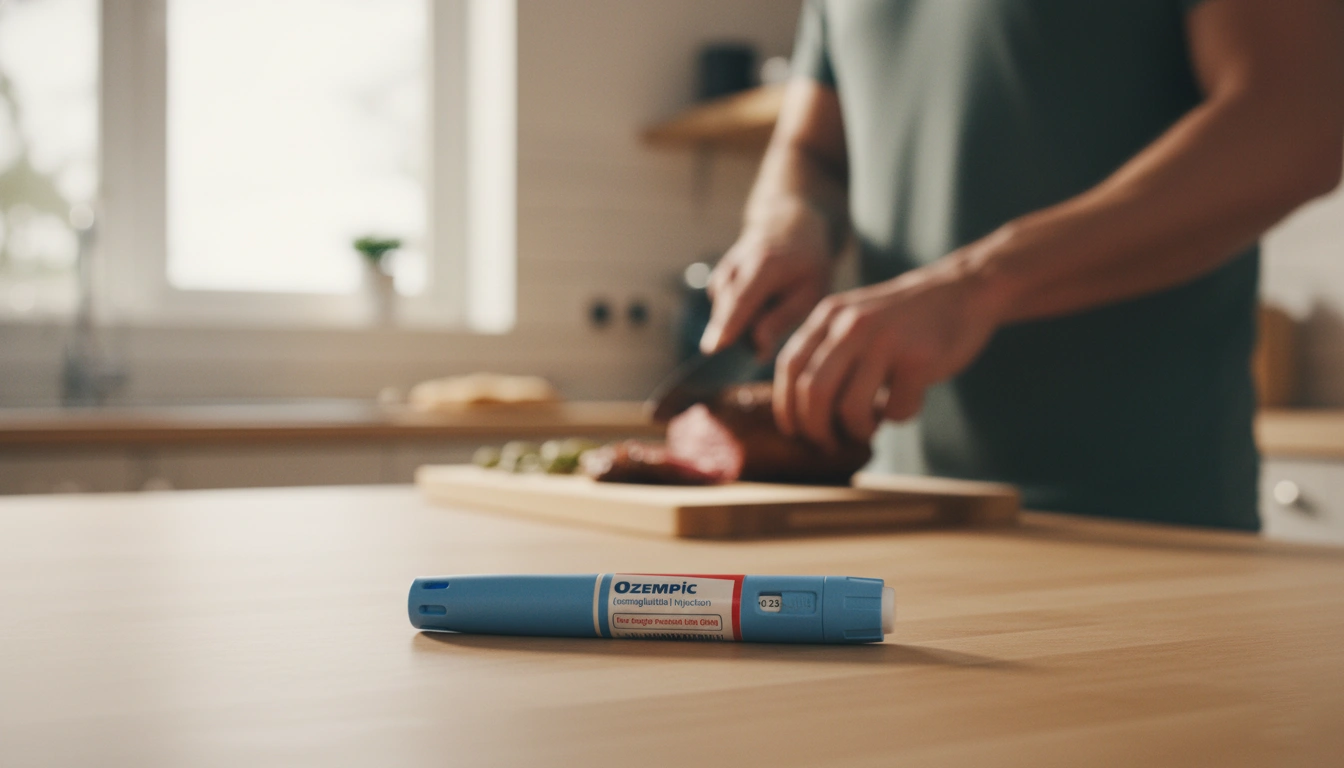
For many, the journey toward sustainable weight loss can feel like a labyrinth, marked by past struggles and a constant search for effective, lasting solutions. We understand this challenge deeply, as our journey at TrimRx began with a shared vision to help individuals embrace healthier lifestyles. We saw the potential of merging cutting-edge telehealth innovations with effective weight loss solutions, creating a user-friendly and supportive platform where personalized, medically supervised care is not just a concept, but a reality. As more people explore the benefits of medications like Ozempic® and similar GLP-1 receptor agonists, an important question arises: what happens when you eat too much on Ozempic?
Introduction
Imagine finding a powerful tool that helps your body re-learn satiety, slow down digestion, and support your weight loss goals. This is the promise of GLP-1 receptor agonists like Ozempic®, which have revolutionized how we approach chronic weight management. However, like any significant change to your body’s natural rhythms, understanding how these medications interact with your lifestyle, especially your eating habits, is crucial. The effectiveness of these medications is undeniable, yet their unique mechanism—slowing gastric emptying—means that the familiar pattern of overeating can lead to unexpected and often uncomfortable consequences.
This shift in how your body processes food necessitates a new understanding of dietary choices and portion control. Far from being a “magic bullet,” these medications are most effective when integrated into a holistic approach that includes mindful eating, appropriate nutritional choices, and consistent medical guidance. We believe that sustainable weight loss should be achieved through science, empathy, and a transparent approach, which is why we’re dedicated to providing you with the comprehensive knowledge you need.
In this blog post, we will delve into the science behind how GLP-1 medications work, explore the specific physiological responses that occur when you eat too much on Ozempic, and outline practical strategies for navigating your diet effectively. Our aim is to empower you with insights into optimizing your experience, managing potential side effects, and leveraging the full benefits of your personalized weight management plan. We’ll discuss the dietary adjustments that can make a significant difference, the importance of consistent medical supervision, and how our comprehensive programs at TrimRx are designed to support every step of your unique journey. By the end, you’ll have a clearer understanding of how to align your eating habits with your medication for safer, more effective weight loss.
The Transformative Role of GLP-1 Medications
Glucagon-like peptide-1 (GLP-1) receptor agonists have emerged as a significant advancement in the treatment of type 2 diabetes and chronic weight management. Medications such as Ozempic®, which contains semaglutide, mimic a natural hormone in your body that plays a crucial role in regulating blood sugar and appetite. This innovative class of drugs offers a multi-pronged approach to weight loss, extending beyond simple calorie restriction to address underlying physiological mechanisms.
At their core, GLP-1 agonists work by increasing insulin release when blood sugar levels are high, decreasing glucagon secretion (which prevents the liver from releasing too much sugar), and most notably, slowing down gastric emptying. This last mechanism is particularly relevant to what happens when you eat too much on Ozempic. By allowing food to remain in the stomach for longer, these medications enhance feelings of fullness and satiety, reducing overall appetite and leading to decreased food intake. This helps individuals feel satisfied with smaller portions and reduces cravings, fundamentally changing their relationship with food.
Our Commitment to Personalized Wellness
Understanding the profound impact these medications can have, our vision at TrimRx is rooted in providing compassionate, personalized care. We combine advanced medical science with modern technology to deliver treatment plans that respect every individual’s unique journey. Our commitment is to offer a transparent service, ensuring that our approach remains consistent, whether it’s through comprehensive doctor consultations, medication provided through FDA-registered and inspected pharmacies, essential lab work, or unlimited ongoing support—all without hidden fees. We believe that by providing a medically supervised and supportive environment, we can help individuals achieve not just weight loss, but a sustainable path to healthier living. To explore how our personalized programs can support your unique needs, we invite you to take our free assessment quiz today.
Understanding How GLP-1 Medications Reshape Your Relationship with Food
The introduction of GLP-1 receptor agonists like Ozempic® into your weight management plan represents a significant physiological shift. These medications are not simply appetite suppressants; they fundamentally alter how your body processes and responds to food, promoting a sense of satiety that can be unfamiliar to those accustomed to persistent hunger signals.
The Science Behind Slower Digestion and Satiety
The primary mechanism relevant to dietary management on GLP-1 agonists is the delayed gastric emptying they induce. This means that food stays in your stomach for a considerably longer period. For individuals, this translates into feeling fuller for an extended duration after meals, reducing the urge to snack between meals, and ultimately consuming fewer calories throughout the day. This prolonged digestion also helps to stabilize blood sugar levels, preventing the rapid spikes and crashes that often contribute to cravings and overeating.
This physiological change requires an adjustment in eating habits. Your body is now working with a slower digestive pace, and ignoring these new signals can lead to discomfort. Understanding this mechanism is the first step in adapting your diet to complement the medication, rather than working against it.
The Importance of Mindful Eating on GLP-1 Agonists
With appetite cues naturally reduced by GLP-1 medications, mindful eating becomes an even more powerful tool. Mindful eating involves paying close attention to your body’s hunger and fullness signals, recognizing when you are truly hungry, and stopping when you are comfortably full, rather than stuffed. On these medications, your body’s signals will be different: true hunger might be less intense, and satiety will likely arrive sooner.
Practicing mindful eating helps you listen to these subtle cues. It involves eating slowly, savoring each bite, and checking in with your body throughout the meal. This approach not only prevents the uncomfortable side effects of overeating but also fosters a healthier, more intuitive relationship with food, which is a cornerstone of sustainable weight loss. At TrimRx, we emphasize that medication is a tool, but true transformation comes from integrating these scientific advancements with practical, lifelong habits that foster overall wellness.
What Happens When You Eat Too Much on Ozempic: The Unintended Consequences
For individuals undergoing weight management with medications like Ozempic®, the experience of overeating can be distinctly different and more uncomfortable than before starting treatment. The fundamental change in gastric emptying, while beneficial for appetite control, means that the digestive system handles excessive food intake with significantly reduced efficiency. Understanding what happens when you eat too much on Ozempic is crucial for managing your journey safely and effectively.
Common Gastrointestinal Side Effects and Their Causes
The slowing of gastric emptying means that when a larger volume of food, especially certain types of food, enters the stomach, it remains there for an extended period. This can lead to a range of gastrointestinal (GI) side effects, which are typically mild to moderate but can be pronounced with overeating.
Nausea and Vomiting: Why Overeating Triggers Discomfort
Nausea is one of the most frequently reported side effects of GLP-1 agonists, and it can be exacerbated significantly by overeating. When too much food, particularly rich or heavy meals, sits in the stomach for longer than usual, it can create a feeling of excessive fullness and pressure. This sensation can quickly escalate to nausea and, in some cases, vomiting. The body is essentially signaling that it cannot efficiently process the excess volume of food under the medication’s influence. Studies indicate that nausea and vomiting are more common when starting the medication or increasing the dose, and overeating can mimic or intensify these effects.
Heartburn, Indigestion, and Bloating: The Impact of Prolonged Gastric Emptying
The slowed movement of food can also lead to increased instances of heartburn, general indigestion (upset stomach), and bloating. Food fermenting or simply sitting too long in the stomach can lead to a buildup of stomach acid and gas. This prolonged presence can irritate the stomach lining and potentially allow stomach acid to reflux into the esophagus, causing heartburn. Bloating arises from the combination of delayed digestion and gas accumulation, creating uncomfortable pressure and distension in the abdominal area. For these reasons, eating smaller, more frequent meals can be a beneficial strategy to alleviate these symptoms.
Constipation and Diarrhea: Balancing Fiber and Hydration
While often associated with slowed digestion, GI side effects can manifest as either constipation or, paradoxically, diarrhea. Constipation can occur because the overall transit time of food through the digestive tract is longer, leading to drier, harder stools. Overeating, especially low-fiber foods, can contribute to this. Dehydration, a common issue when experiencing nausea or reduced fluid intake, also significantly worsens constipation.
Conversely, some individuals may experience diarrhea, especially if their diet lacks sufficient fiber or includes foods that are particularly irritating to a slower digestive system. When your body is unable to process a large meal effectively, it might lead to a rapid expulsion of waste. Managing these side effects often involves careful dietary adjustments, focusing on appropriate fiber intake, and crucially, maintaining excellent hydration. For immediate support in balancing your system, our GLP-1 Daily Support supplement is formulated to help maintain digestive harmony.
Beyond Discomfort: Potential Risks of Consistent Overeating
While most immediate consequences of overeating on GLP-1 medications are uncomfortable GI symptoms, consistently ignoring your body’s new signals and overeating can have broader implications for your health and treatment efficacy.
Impact on Blood Sugar Regulation
One of the benefits of GLP-1 agonists is their ability to help stabilize blood sugar. However, consuming large quantities of food, particularly those high in refined carbohydrates and sugars, can challenge this regulatory effect. While the medication still works to dampen blood sugar spikes, an excessive load can lead to higher post-meal glucose levels than desired, potentially counteracting some of the therapeutic benefits. For those with type 2 diabetes, this could also impact overall glycemic control.
The Cycle of Discomfort and Dietary Choices
Repeated episodes of discomfort from overeating can create a negative association with food and the medication itself. This can inadvertently lead to poor dietary choices, such as avoiding meals altogether (which can cause other issues like low blood sugar in susceptible individuals) or making unhealthy selections in an attempt to alleviate symptoms. It is essential to break this cycle by understanding that the medication empowers you to make healthier choices and that uncomfortable side effects are often signals that your dietary patterns need adjustment.
Our medically supervised programs at TrimRx aim to help you navigate these challenges by providing ongoing support and guidance. We believe that sustainable weight loss is about more than just medication; it’s about learning to listen to your body and making informed, empathetic choices about your nutrition. If you’re wondering if a personalized approach to weight management is right for you, we encourage you to take our free assessment quiz.
Navigating Dietary Choices While on GLP-1 Medications
Adapting your diet is a cornerstone of success when utilizing GLP-1 receptor agonists for weight management. The goal isn’t just to avoid discomfort but to maximize the medication’s benefits by nourishing your body effectively. Our approach at TrimRx emphasizes making informed choices that support your overall health and well-being.
Foods to Prioritize for Optimal Wellness
Building a diet rich in specific nutrients can significantly improve your experience on GLP-1 medications, helping to manage side effects and support sustained weight loss.
Lean Proteins for Satiety and Muscle Preservation
Protein is paramount. It not only contributes to feelings of fullness but also helps preserve lean muscle mass, which is crucial during weight loss. Losing muscle can slow metabolism and weaken the body. Incorporate lean sources such as fish, chicken, tofu, beans, lentils, and Greek yogurt into your meals. These foods digest more slowly, complementing the medication’s effect and maintaining satiety. If appetite loss makes consuming enough protein challenging, meal replacement or protein shakes can be an excellent liquid alternative that’s easier to digest while providing essential nutrients.
Fiber-Rich Fruits, Vegetables, and Whole Grains
Fiber is a vital component for digestive health, especially when gastric emptying is slowed. It helps regulate bowel movements, preventing both constipation and, in some cases, diarrhea. Focus on a variety of fruits (apples, berries, oranges), vegetables (leafy greens, broccoli, carrots), and whole grains (oats, quinoa, brown rice). It is important to increase fiber intake gradually to avoid new digestive upset. These foods also provide essential vitamins, minerals, and antioxidants, contributing to overall health.
The Role of Hydration
Staying adequately hydrated is fundamental. Dehydration can exacerbate constipation, nausea, and general fatigue. Aim for consistent fluid intake throughout the day, primarily water. Avoiding sugary drinks, excessive caffeine, and alcohol is also recommended, as these can dehydrate you and add unnecessary calories. Proper hydration supports every bodily function, including efficient digestion and nutrient absorption. For an added boost, consider our Weight Loss Boost supplement, which supports metabolic health and energy.
Foods to Approach with Caution
Certain foods can trigger or worsen the uncomfortable side effects associated with GLP-1 agonists due to their impact on a slower digestive system. Moderation and awareness are key when it comes to these categories.
High-Fat and Greasy Foods
Because GLP-1 medications slow digestion, high-fat and greasy foods like pizza, fried chicken, donuts, and rich sauces will sit in your stomach for even longer periods. This significantly increases the likelihood of nausea, vomiting, indigestion, and heartburn. These foods are harder for the body to break down, intensifying the strain on a system already working at a reduced pace. Opt for healthier fats in moderation, such as those found in avocados, nuts, and olive oil.
Sugary and Refined Carbohydrates
Foods and drinks with added sugars (soda, candies, pastries) and refined carbohydrates (white bread, crackers, white rice) can contribute to GI upset and are counterproductive to weight loss goals. While they may offer a temporary energy boost, they can lead to rapid blood sugar fluctuations that, even with the medication’s help, can be jarring for your system. These foods also lack the fiber and protein needed for sustained satiety, making them less valuable dietary choices.
Spicy and Processed Options
Spicy foods can irritate the digestive tract, potentially worsening heartburn and indigestion for some individuals on GLP-1 medications. Similarly, highly processed foods, which often contain excessive sodium, unhealthy fats, and artificial ingredients, can be difficult to digest and offer little nutritional value. Prioritizing whole, unprocessed foods is a generally beneficial strategy for anyone, but especially for those managing digestion with medication.
By consciously choosing nutrient-dense foods and limiting those that cause discomfort, you can significantly enhance your experience on medications like Ozempic®. Our approach at TrimRx is to empower you with the knowledge and tools to make these beneficial dietary shifts, fostering a path to sustainable health. To discover how our personalized programs and expert guidance can support your unique dietary needs, we encourage you to take our free assessment quiz.
The Critical Role of Medical Supervision and Support
Embarking on a weight loss journey with prescription medications is a significant step that thrives on expert guidance and continuous support. At TrimRx, we stand firm in our belief that sustainable weight loss should be achieved through science, empathy, and a transparent approach, all underpinned by robust medical supervision.
Why a Personalized Plan Matters
Every individual’s body, health history, and weight loss goals are unique. This is why a one-size-fits-all approach to medications like Ozempic® or other GLP-1 agonists is not sufficient. A medically supervised program ensures that your treatment plan is tailored specifically to you, taking into account your current health status, any co-existing conditions, and your specific responses to the medication. This personalized approach minimizes risks and maximizes effectiveness. Our programs at TrimRx are designed to provide this individualized care, beginning with a comprehensive assessment to determine eligibility and craft a plan that aligns with your body’s needs. We partner with FDA-registered and inspected pharmacies for the shipping of weight loss medications, ensuring that you receive high-quality products. While we facilitate this process, it’s important to understand that TrimRx partners with these pharmacies for shipping and does not provide actual medical supervision; instead, our comprehensive service includes necessary doctor consultations and support through our platform.
Adhering to Your Prescribed Dosage and Schedule
One of the most critical aspects of safe and effective treatment is strict adherence to your prescribed dosage and schedule. GLP-1 agonists are typically introduced with a “step-up” approach, starting at a low dose and gradually increasing it over time. This titration schedule is designed to allow your body to adjust to the medication, reducing the likelihood and severity of side effects. Deviating from this, such as taking a higher dose than prescribed in an attempt to accelerate weight loss, can lead to severe gastrointestinal distress, including pronounced nausea, vomiting, and abdominal pain. In rare but serious cases, taking too much semaglutide can lead to complications like severe dehydration, acute kidney failure, or dangerously low blood sugar. This underscores the importance of ongoing communication with healthcare professionals.
Recognizing and Addressing Serious Side Effects
While most side effects of GLP-1 agonists are mild and manageable with dietary adjustments, it’s vital to be aware of potential serious, albeit rare, complications. These can include:
- Severe Hypoglycemia: Especially for individuals with type 2 diabetes also taking insulin, low blood sugar can be a concern.
- Pancreatitis: Inflammation of the pancreas, characterized by severe abdominal pain.
- Gastroparesis (Stomach Paralysis): An extremely rare condition where stomach muscle contractions weaken, preventing food from moving into the intestines.
- Thyroid C-Cell Tumors: Observed in rodent studies; its relevance to humans is still being studied. If you have a personal or family history of thyroid cancer, discuss this with your doctor.
Should you experience any severe or persistent symptoms, it is imperative to contact your healthcare provider immediately. Our commitment to compassionate care means we prioritize your safety and well-being, providing channels for unlimited support to address any concerns you may have throughout your journey. Whether you are prescribed Ozempic®, Wegovy®, Zepbound®, Mounjaro®, Compounded Semaglutide, or Tirzepatide, or their oral forms, our emphasis is always on transparent, medically guided care. To learn more about how our structured programs can support your weight loss and health goals, we invite you to take our free assessment quiz.
TrimRx’s Holistic Approach to Your Weight Loss Journey
At TrimRx, we recognize that true transformation in weight management extends beyond medication. It encompasses a comprehensive ecosystem of support, expertise, and personalized care designed to empower you every step of the way. Our brand is built on being empathetic, innovative, trustworthy, supportive, results-oriented, and deeply personalized.
Our Vision: Science, Empathy, and Transparency
Our journey began with a clear vision: to merge the accessibility of telehealth with clinically proven, effective weight loss solutions. We believe that sustainable weight loss should be achieved through a blend of cutting-edge science, profound empathy for each individual’s unique struggles, and a transparent approach in all our services. We’re committed to offering compassionate care that respects your unique journey, combining advanced medical science with modern technology to deliver personalized, medically supervised care that is both attainable and tailored to you. We highlight that our commitment to transparent service means our approach remains consistent, regardless of dosage changes, and our focus on safety is unwavering, working exclusively with FDA-registered and inspected pharmacies.
Comprehensive Care: From Consultation to Ongoing Support
Choosing TrimRx means gaining access to a complete suite of services designed to ensure your success and well-being. Our comprehensive service includes:
- Doctor Consultations: Personalized consultations with licensed medical professionals who assess your eligibility, understand your health history, and prescribe the most appropriate treatment plan.
- Medication Management: Access to prescription weight loss medications, provided through FDA-registered, inspected, and approved pharmacies, ensuring quality and safety. (Note: Compounded medications are not FDA approved; branded medications like Ozempic® and Zepbound® are FDA approved).
- Lab Work: Essential lab tests to monitor your health and ensure the medication is safe and effective for your body.
- Unlimited Support: Ongoing, unlimited support from our dedicated care team, ensuring you have answers to your questions and guidance throughout your weight loss journey.
- Shipping with No Hidden Fees: Transparent service that includes the convenience of having your medication shipped directly to you, with no surprises.
We are here to walk alongside you, offering the tools and encouragement needed to achieve lasting results.
Our Product Offerings: Tailored Solutions for Every Need
We understand that different people require different paths to achieve their weight loss goals. That’s why TrimRx offers a diverse range of clinically proven solutions, carefully curated to meet individual needs.
Prescription Weight Loss Medications: Your Personalized Path
For those who may benefit from prescription intervention, we offer a robust selection of GLP-1 receptor agonists and related medications. To ensure these powerful medications are right for you, and to tailor a plan that works best, we require a personalized assessment. This allows our medical professionals to determine your eligibility and create a customized treatment approach. Our prescription offerings include:
- Compounded Semaglutide
- Oral Semaglutide
- Ozempic®
- Compounded Tirzepatide
- Oral Tirzepatide
- Mounjaro®
- Zepbound®
- Wegovy®
If you’re ready to explore whether these advanced weight loss medications are suitable for your journey, we highly recommend taking our free assessment quiz. It’s the first step towards a personalized and effective plan.
Quick-Access Wellness Supplements: Supporting Your Journey
Beyond prescription medications, we also offer quick-access supplements designed to support your overall wellness and enhance your weight loss efforts. These supplements do not require a quiz and are available for immediate purchase, providing additional support whether you are on a prescription plan or simply seeking to boost your health.
- GLP-1 Daily Support: Designed to support digestive health and overall well-being, complementing the effects of GLP-1 pathways.
- Weight Loss Boost: Formulated to provide additional metabolic support and energy, assisting your body in its fat-burning processes.
These supplements offer a convenient way to enhance your journey, ensuring you have comprehensive tools at your disposal for optimal results.
Moving Forward: Embracing Sustainable Lifestyle Changes
The journey with medications like Ozempic® is not merely about taking a weekly injection; it’s an invitation to cultivate a sustainable, healthier lifestyle. Understanding what happens when you eat too much on Ozempic is a critical piece of this puzzle, guiding you towards mindful eating and smarter dietary choices. These medications provide a powerful physiological advantage, helping to quiet the relentless hunger and cravings that often derail weight loss efforts. However, their true potential is unlocked when combined with informed food choices, consistent hydration, and regular physical activity.
At TrimRx, we are committed to helping you integrate these powerful tools into a comprehensive and sustainable wellness strategy. Our personalized programs, built on a foundation of science, empathy, and transparent support, are designed to guide you through every adjustment, celebrate every milestone, and empower you to build lasting habits. We believe that by providing medically supervised care and continuous support, we can help you achieve not just your weight loss goals, but a profoundly healthier and more fulfilling life.
Conclusion
Navigating your weight loss journey with medications like Ozempic® means understanding their profound impact on your body, particularly how they influence digestion and satiety. We have explored what happens when you eat too much on Ozempic, highlighting the uncomfortable but manageable gastrointestinal side effects that signal a need for dietary adjustment. The key lies in recognizing the medication’s mechanism of slowed gastric emptying and adapting your eating habits to work in harmony with it, emphasizing mindful eating, lean proteins, fiber-rich foods, and adequate hydration, while exercising caution with high-fat, sugary, and processed options.
Our commitment at TrimRx is to provide you with a medically supervised, personalized, and supportive pathway to safe and effective weight loss. Through our comprehensive programs, including doctor consultations, access to medications from FDA-registered pharmacies, essential lab work, and unlimited support, we aim to empower you to embrace healthier lifestyles. We offer a range of solutions, from prescription medications like Ozempic® (requiring a free assessment quiz) to immediate support supplements like GLP-1 Daily Support and Weight Loss Boost.
Your journey to sustainable health is a partnership, and we are here to support you with integrity, innovation, and unwavering care. By understanding how to optimally integrate your medication with thoughtful lifestyle choices, you are not just losing weight; you are building the foundation for a healthier, more vibrant future. We invite you to take the next step towards your personalized wellness plan with TrimRx.
Frequently Asked Questions (FAQs)
How do GLP-1 medications like Ozempic® affect my digestion?
GLP-1 medications significantly slow down the rate at which food leaves your stomach (gastric emptying). This makes you feel fuller for longer and reduces your appetite, which is beneficial for weight loss. However, it also means that your digestive system takes more time to process food, requiring adjustments to your eating habits to avoid discomfort.
What are the most common side effects if I eat too much on Ozempic®?
If you eat too much while on Ozempic®, you may experience increased nausea, vomiting, heartburn, indigestion, and bloating. These symptoms occur because the excess food sits in your stomach for a prolonged period due to the medication’s effect, leading to discomfort and an overwhelmed digestive system.
What foods should I avoid or limit while taking Ozempic®?
To minimize side effects, it’s advisable to limit or avoid high-fat foods (like fried foods, greasy meals), foods with excessive added sugars (sodas, pastries), refined carbohydrates (white bread), and highly processed items. These foods are harder to digest and can worsen GI symptoms when gastric emptying is slowed.
How can TrimRx help me manage my diet and side effects on weight loss medication?
TrimRx offers comprehensive, medically supervised programs that include personalized doctor consultations, essential lab work, medication provided through FDA-registered pharmacies, and unlimited ongoing support. Our team helps you understand how to adjust your diet, manage potential side effects, and develop sustainable eating habits that complement your medication for effective and safe weight loss. We encourage you to take our free assessment quiz to get started.

Transforming Lives, One Step at a Time
Keep reading

What to Do If Your Ozempic Pen Malfunctions
You’ve set aside time for your weekly injection, you pick up the pen, and something isn’t right. Maybe the dose button won’t push down,…

Ozempic and Water Retention: What Patients Notice
Water retention on Ozempic sits in a confusing middle ground. Some patients notice puffiness or swelling, particularly in the hands, feet, or ankles, while…

Ozempic and Heartburn: Managing Acid Reflux on GLP-1
Heartburn on Ozempic tends to surprise people. You’re eating less, your meals are smaller, and yet you’re experiencing more acid reflux than before. It…


