What Happens When You Quit Taking Ozempic
Introduction
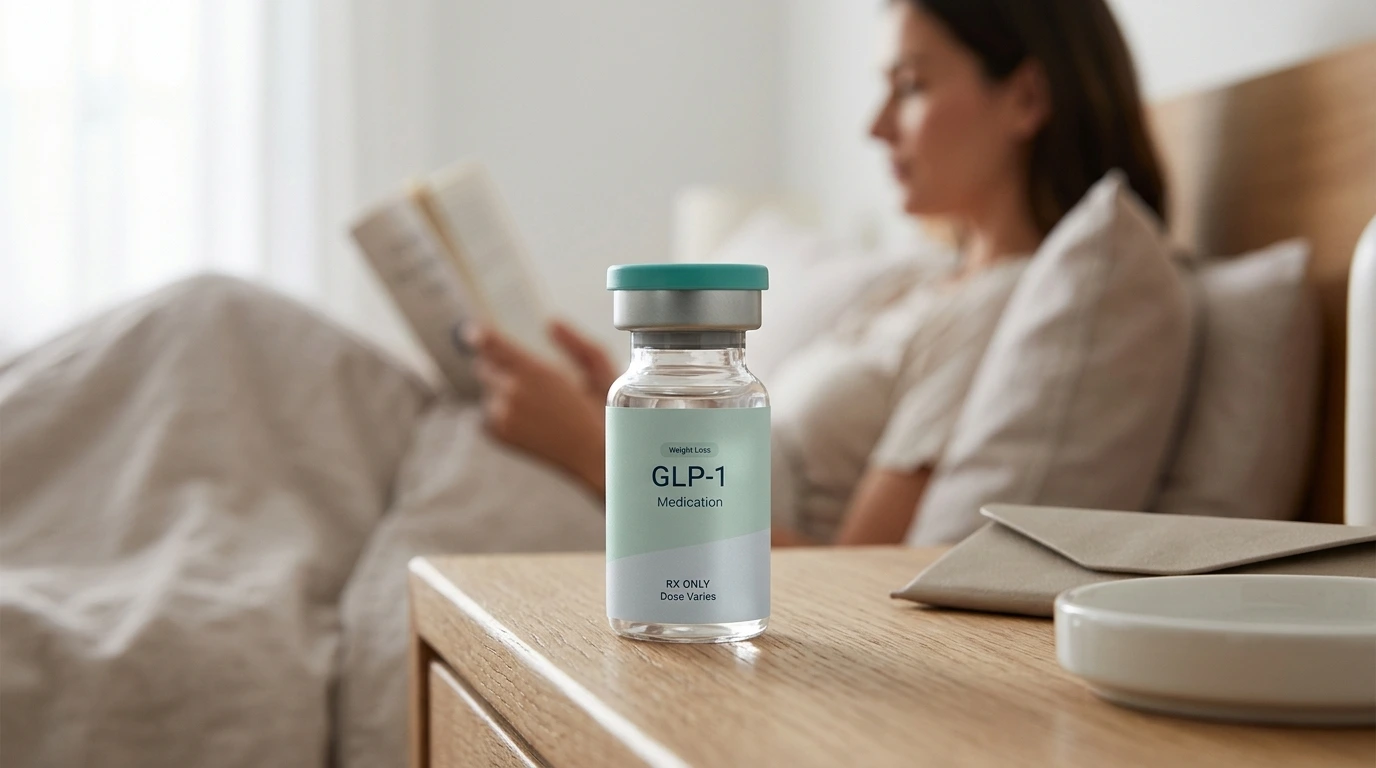
Deciding to start a weight loss journey is a significant milestone, but many people find themselves asking a crucial question as they near their goals: what happens when the treatment ends? If you have been using a GLP-1 medication like Ozempic®, the prospect of stopping can feel both exciting and intimidating. You might worry about the return of cravings or whether the weight you worked so hard to lose will come back. At TrimRx, we believe that the end of a medication cycle shouldn’t mean the end of your progress. We are dedicated to providing the clinical support and personalized resources needed to navigate these transitions safely. If you are considering a prescription path, take the free assessment quiz to see what your next step could look like. This article covers the physiological changes that occur when you stop semaglutide, the reasons individuals choose to discontinue, and the evidence-based strategies you can use to protect your metabolic health.
The Role of Semaglutide in the Body
To understand what happens when you stop taking a medication, you must first understand how it functions while it is in your system. Ozempic® is a branded version of semaglutide, a glucagon-like peptide-1 (GLP-1) receptor agonist. This medication mimics a hormone that your body naturally produces in the gut after a meal. If you want a deeper explanation of the mechanics, read our guide to how semaglutide works for weight loss.
When you are taking the medication, it performs three primary functions. First, it tells your brain that you are full, which significantly reduces “food noise”—those intrusive, constant thoughts about your next meal or snack. Second, it slows down gastric emptying, meaning food stays in your stomach longer, physically extending the feeling of fullness. Third, it helps your pancreas release the right amount of insulin to manage blood sugar levels effectively.
Quick Answer: When you stop taking Ozempic, the medication gradually leaves your system over several weeks. As the synthetic GLP-1 levels drop, your natural hunger signals return, digestion speeds back up to its baseline rate, and blood sugar regulation shifts back to its pre-medication state.
The Immediate Effects of Discontinuation
When you stop your weekly injections, the medication does not disappear instantly. Semaglutide has a half-life of approximately one week. This means that seven days after your last dose, about half of the medication is still in your system. It can take four to five weeks for the drug to be fully cleared from your body.
During this transition period, you may notice a gradual shift in your physical sensations. As the exogenous hormone levels decline, the “ileal brake”—the mechanism that slows your digestion—is released. You may find that you feel hungry sooner after eating than you did while on the medication. For a closer look at what patients commonly experience, see our GLP-1 side effects guide.
The Return of Food Noise
One of the most frequently reported experiences after stopping a GLP-1 is the return of food noise. For many, the medication provided a sense of mental quiet where they could make food choices based on logic rather than impulsive cravings. When the medication is discontinued, those cravings often return to their original intensity. This is not a lack of willpower; it is a physiological response as your brain’s hunger receptors are no longer being suppressed by the medication.
Changes in Digestion
While on the medication, many people experience side effects like nausea or constipation because the digestive tract is moving slowly. As you quit the medication, these side effects typically resolve. However, the trade-off is that you will no longer have that physical “cap” on how much you can eat before feeling uncomfortable. You may notice you can consume larger portions before reaching satiety.
The Impact on Weight Maintenance
The most significant concern for most individuals is weight regain. Clinical research, including the STEP 1 extension study, has shown that many people who stop semaglutide regain a portion of their lost weight within the first year. In many cases, participants regained about two-thirds of the weight they had lost once the pharmacological support was removed. If maintaining your results is the priority, our article on effective strategies for how to control weight gain offers a helpful companion perspective.
The Biological Set Point
Your body has a “set point,” which is a weight range it strives to maintain to protect you from what it perceives as starvation. When you lose a significant amount of weight quickly, your body may respond by increasing hunger hormones (ghrelin) and decreasing satiety hormones (leptin) to drive you back toward your previous weight. Without the medication to balance these signals, the biological urge to eat more can be powerful.
Muscle Mass vs. Fat Mass
When we lose weight rapidly, we often lose a combination of fat and skeletal muscle. Muscle is metabolically active tissue that helps burn calories at rest. If an individual stops the medication and experiences rapid weight regain, the weight often returns as fat rather than muscle. This can lead to a slightly lower metabolic rate than before the weight loss started, making long-term maintenance more challenging.
Key Takeaway: Weight regain after stopping a GLP-1 is often driven by biological feedback loops rather than a personal failure of discipline. Planning for a structured transition is essential to counteracting these hormonal shifts.
Metabolic and Blood Sugar Changes
For individuals who were using Ozempic® to manage Type 2 diabetes or insulin resistance, stopping the medication has direct implications for blood sugar control. The medication’s primary design is to improve how the body handles glucose.
Blood Glucose Rebound
When the medication is removed, the pancreas no longer receives the extra signal to secrete insulin in response to meals. Additionally, the liver may begin to release more stored glucose into the bloodstream. This can lead to a rise in HbA1c levels and fasting blood glucose. If you are managing a metabolic condition, it is vital to coordinate with a healthcare provider to ensure you have a secondary plan for glucose management.
Cardiovascular Markers
Many patients see improvements in blood pressure and cholesterol levels while losing weight on a GLP-1. If weight regain occurs after quitting the medication, these cardiovascular markers often return to their baseline levels. Maintaining the lifestyle habits established during the treatment phase—such as a low-sodium diet and regular aerobic activity—becomes the primary defense for heart health after discontinuation.
Common Reasons for Stopping Treatment
While many people would prefer to stay on the medication long-term to maintain their results, several factors may lead someone to stop. At TrimRx, we see that every individual’s journey is unique, and the decision to stop is often influenced by external circumstances.
Cost and Insurance Coverage
Branded medications like Ozempic®, Wegovy®, Mounjaro®, or Zepbound® can be prohibitively expensive without insurance coverage. Many insurance providers have strict criteria for coverage, and once an individual reaches a “healthy” BMI, the provider may stop paying for the prescription. This financial barrier is a primary reason many people seek alternatives or decide to stop treatment altogether.
Medication Shortages
Supply chain issues have made branded GLP-1 medications difficult to find in many parts of the United States. Frequent “out of stock” notices at pharmacies can cause involuntary gaps in treatment, which may lead an individual to eventually give up on the regimen.
Reaching a Target Goal
Some individuals view these medications as a “jump start” rather than a lifelong commitment. After reaching a specific goal weight or resolving a specific health issue, they may feel ready to transition to a lifestyle-only approach.
Managing Persistent Side Effects
While many side effects are manageable, about 10% to 15% of users experience persistent gastrointestinal distress that interferes with their quality of life. For these individuals, the benefits of weight loss may eventually be outweighed by the daily discomfort of nausea, vomiting, or severe constipation.
The Role of Compounded Medications in Maintenance
For those who want to continue their progress but face barriers with branded products, compounded semaglutide or compounded tirzepatide may be an option. These medications are prepared by FDA-registered, inspected compounding pharmacies to meet specific patient needs.
It is important to note that compounded medications are not FDA-approved in the same way branded drugs are, but they are frequently used during times of drug shortages or when a patient needs a specific dosage not available in commercial pens. If you are weighing whether a personalized program may fit your situation, take the free assessment quiz to explore your options with a provider. Using a personalized program through a platform like TrimRx allows you to work with a provider who can tailor your dosage, potentially tapering you down slowly rather than stopping abruptly.
How to Protect Your Progress After Stopping
If you and your healthcare provider have decided that it is time to stop your medication, the focus must shift to environmental and behavioral controls. You are essentially taking over the job that the medication was doing for your hormones.
Focus on Protein and Fiber
While on a GLP-1, you likely ate smaller portions because the drug made you feel full. Once you stop, you need to choose foods that provide natural satiety.
- Protein: Lean protein takes longer to digest and has a high thermic effect. Aim for protein at every meal to help preserve muscle mass.
- Fiber: Fiber adds bulk to your diet and slows down digestion naturally. High-fiber vegetables, legumes, and whole grains can help mimic the gastric slowing effects of the medication.
For a deeper dive into this piece of the puzzle, read our take on the best protein for weight loss.
Prioritize Resistance Training
Because of the risk of muscle loss, lifting weights or performing bodyweight exercises is non-negotiable for successful weight maintenance. Muscle tissue acts as a “metabolic sink,” helping your body process glucose and burn more energy throughout the day.
Use Nutrient Support
As your appetite returns, you may find it harder to maintain the same nutritional density you had while on the medication. GLP-1 Daily Support supplement is designed to fill nutritional gaps and support your transition.
If you also want support for energy and metabolic momentum during this phase, Weight Loss Boost supplement can be a helpful option to consider.
Step-by-Step Transition Plan
If you are planning to stop, consider these steps to improve your chances of long-term success:
- Step 1: Consult Your Provider. Never stop a prescription medication cold turkey without a clinical consultation. Your provider may suggest a tapering schedule to let your body adjust slowly.
- Step 2: Audit Your Habits. Identify which habits were “medication-assisted” (like not wanting dessert) and which are “self-directed” (like going for a daily walk). Reinforce the self-directed habits.
- Step 3: Track Your Intake. For the first few weeks after stopping, consider tracking your food to ensure you aren’t unconsciously increasing your portion sizes beyond your maintenance needs.
- Step 4: Monitor Your Health Markers. Keep an eye on your weight, but also your energy levels and blood sugar. Catching a small weight gain early (3–5 pounds) is much easier to manage than waiting until you have regained 20 pounds.
The Importance of a Supportive Environment
Weight management is not just about what happens in your body; it is about the world around you. When the chemical support of a GLP-1 is removed, your environment becomes your most powerful tool.
- Clear the Pantry: If “food noise” returns, having highly processed, hyper-palatable snacks in the house can make maintenance much harder.
- Build a Support System: Whether it is a dedicated clinical team or a community of peers, having people who understand the biological challenges of weight maintenance can provide the emotional resilience needed to stay on track.
- Utilize Telehealth: The beauty of a telehealth-first approach is that you have 24/7 access to specialists. If you feel your hunger levels becoming unmanageable, you can quickly reach out for an adjustment in your program or a new strategy.
What Research Says About Long-Term Success
While the statistics on weight regain can seem discouraging, they are not a guaranteed outcome. Success stories often involve individuals who used the time on the medication to fundamentally rewrite their relationship with food and movement.
A study in the journal Diabetes, Obesity and Metabolism suggests that those who maintained a structured exercise program and a high-protein diet were significantly more likely to keep the weight off than those who relied solely on the medication. The medication should be viewed as a tool that opens a “window of opportunity” for lifestyle change. When the tool is removed, the house you built during that time must be strong enough to stand on its own.
Note: If you experience a significant and rapid return of weight or a dramatic spike in blood sugar after stopping Ozempic®, contact your healthcare provider immediately to discuss alternative metabolic support.
The TrimRx Approach to Sustainable Health
At TrimRx, our mission is to help you embrace a healthier lifestyle through science, empathy, and a transparent approach. We understand that weight loss isn’t just about a number on a scale—it’s about how you feel and how your body functions over the long term.
Whether you are just starting your journey or are looking for a way to transition off medication while keeping your results, we are here to guide you. Our personalized programs are designed to look at your entire health profile, ensuring that you have the tools—both pharmacological and behavioral—to succeed. We don’t just provide a prescription; we provide a partnership in your health.
If you want a broader look at the support side of treatment, read our guide to GLP-1 support. If you are considering whether a prescription-based plan makes sense for your next step, take the free assessment quiz to explore a personalized path.
Summary: Life After GLP-1s
Stopping a GLP-1 medication like Ozempic® is a significant transition for your metabolism. While the return of hunger and the risk of weight regain are real biological hurdles, they are not insurmountable. By focusing on protein intake, resistance training, and a structured transition plan with medical supervision, you can defend the progress you’ve made.
Bottom Line: Transitioning off a GLP-1 medication requires a shift from pharmacological appetite suppression to environmental and behavioral management. Professional guidance is the key to preventing “rebound” weight and maintaining metabolic health.
If you are ready to talk through your options and see whether a personalized program could fit your goals, take the free assessment quiz.
FAQ
Will I regain all the weight I lost if I stop Ozempic?
While many people regain a portion of their weight after stopping, it is not a guarantee. Success depends on how well you can maintain the lifestyle habits developed during treatment and whether you have a plan to manage the return of natural hunger signals.
How long does it take for Ozempic to leave my system?
It generally takes about five weeks for the medication to be completely cleared from your body. However, you may start to feel the return of your baseline appetite and “food noise” within one to two weeks after your last dose.
Can I taper off the medication instead of stopping cold turkey?
Yes, many healthcare providers recommend tapering the dose gradually to help the body adjust. If you want a clearer look at how dosing and long-term planning work together, read our semaglutide dosing guide. This can help minimize the shock to your system and allow you to slowly implement more lifestyle-based satiety strategies as the medication levels decrease.
What are the signs that my blood sugar is rising after stopping?
If you have Type 2 diabetes, you should watch for symptoms like increased thirst, frequent urination, fatigue, and blurred vision. It is essential to monitor your glucose levels closely during the weeks following your last injection.
Disclaimer: This content is for informational purposes only and does not constitute medical advice. It is not intended to diagnose, treat, cure, or prevent any disease or condition. Individual results may vary. Always consult a qualified healthcare professional before starting any weight loss program or medication.

Transforming Lives, One Step at a Time
Keep reading

I Took My Ozempic Two Days in a Row by Accident
Call for guidance now rather than waiting to see how you feel. In the United States, Poison Control is available free and around the…

Why Does My Ozempic Injection Sting More Some Weeks Than Others?
Because more variables change between injections than most people realize. Temperature of the medication, which site you used, how deep the needle went, how…
How to Store Your Ozempic Pen During a Power Outage
Keep the refrigerator door closed. An unopened refrigerator holds a safe temperature for roughly four hours, and a full freezer holds for considerably longer….


