What Happens When You Stop Taking Ozempic?
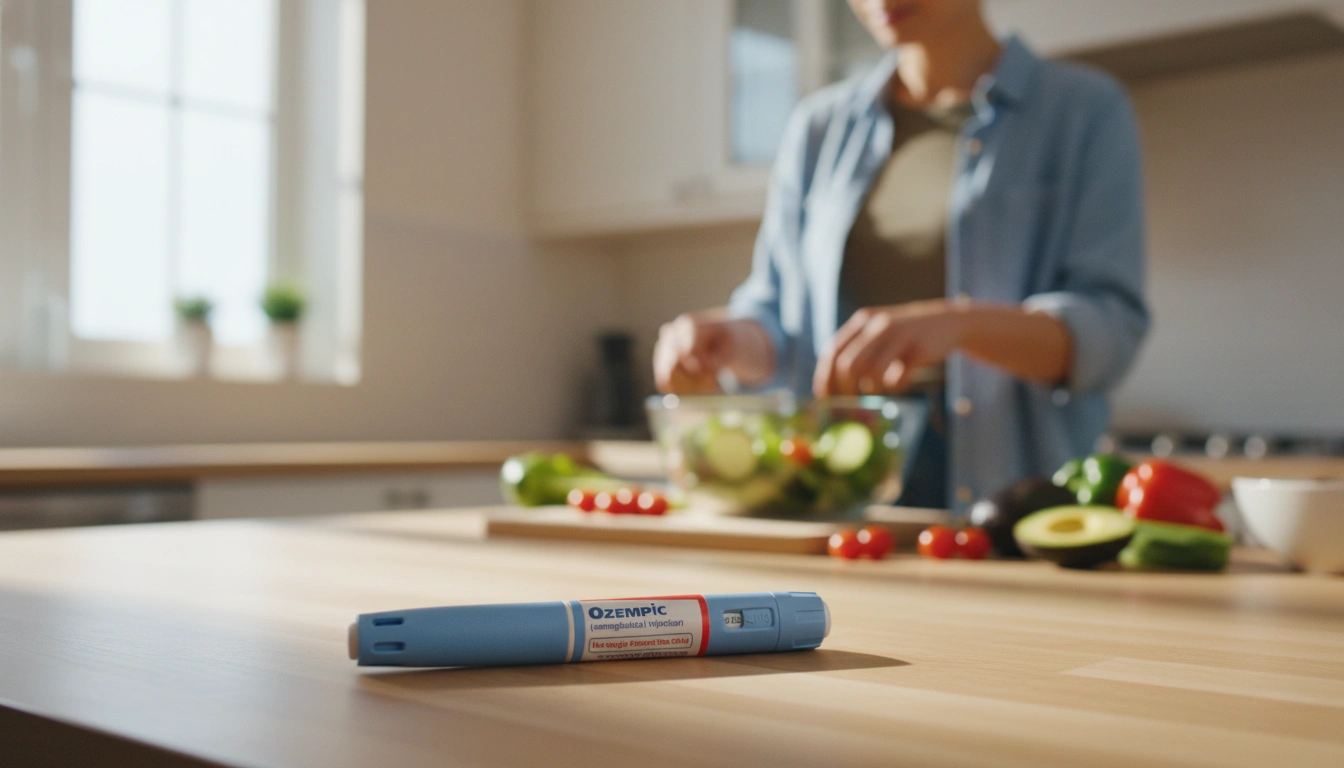
When you stop taking Ozempic, your appetite returns to its pre-medication level within a few weeks, and most people regain a significant portion of their lost weight over the following months. The medication’s effects on hunger, fullness, and food noise don’t persist once the drug clears your system. This isn’t a reflection of willpower. It’s biology doing exactly what biology does when the pharmacological support is removed.
That’s the direct answer, and it’s consistent across every major semaglutide study. But the full picture is more nuanced than “you’ll gain it all back.” How much you regain, how quickly it happens, and what you can do about it all depend on factors worth understanding before you make the decision to stop.
The Timeline of Stopping
Ozempic (semaglutide) has a half-life of approximately one week. That means it takes about five weeks for the medication to fully clear your body after your last injection. During those five weeks, the effects gradually taper rather than disappearing overnight.
Here’s what most people report during that transition.
Weeks one and two after the last dose feel relatively normal. You still have medication in your system, and appetite suppression remains noticeable. Most people don’t feel a dramatic shift yet.
Weeks three and four are when things start to change. Hunger signals get louder. The “food noise,” that constant background chatter about what to eat next, begins returning. Portions that felt satisfying start feeling small. Cravings for high-calorie foods may resurface.
By weeks five through eight, the medication is essentially gone. Your appetite has returned to baseline, and the hormonal environment that drives overeating is fully reactivated. This is the period when most people notice the scale starting to move upward.
The speed of regain varies. Some people gain rapidly in the first few months. Others experience a slower, steadier climb over six to twelve months. But the direction is consistent for the majority of people who discontinue without a transition plan.
What the Research Shows About Regain
The STEP 1 trial extension, published by Wilding et al. in Diabetes, Obesity and Metabolism (2022), provides the clearest data. Participants who stopped semaglutide after 68 weeks of treatment regained approximately two-thirds of their lost weight within one year. They also lost many of the cardiometabolic improvements they’d gained, including reductions in blood pressure, cholesterol, and waist circumference.
Let’s put that in concrete terms. A patient who lost 45 pounds on Ozempic over a year could expect to regain roughly 30 of those pounds within the year after stopping. Not everyone follows this average exactly, but it’s a useful benchmark for setting expectations.
The metabolic piece is worth emphasizing. Weight loss on Ozempic doesn’t just change the number on the scale. It improves insulin sensitivity, reduces inflammatory markers, lowers blood pressure, and shifts cardiovascular risk factors in the right direction. When weight comes back, those improvements reverse too. Stopping the medication doesn’t just mean a bigger number at your next weigh-in. It can mean losing real health gains.
Why Regain Happens (And Why It’s Not Your Fault)
The weight regain after stopping Ozempic isn’t a motivation problem. It’s a hormone problem.
When you lose a significant amount of weight, your body interprets the loss as a threat. It responds by increasing ghrelin (the hormone that makes you hungry), decreasing leptin (the hormone that makes you feel full), and reducing your resting metabolic rate. These adaptations can persist for years after weight loss, sometimes indefinitely.
Ozempic counteracts these adaptations. It mimics GLP-1, a gut hormone that promotes satiety, slows gastric emptying, and acts on brain centers that regulate appetite. While you’re on the medication, these adaptive hunger signals are overridden. When you stop, they’re not.
This is why the comparison to blood pressure medication keeps coming up in clinical conversations. You wouldn’t stop your antihypertensive because your blood pressure normalized and then blame yourself when it rose again. The medication was managing the condition. Ozempic does the same thing for the hormonal dysregulation that drives obesity.
Understanding this can take a lot of guilt out of the equation. If you’ve stopped Ozempic and gained weight, you didn’t fail. Your biology reasserted itself, which is exactly what the research predicts.
What Else Changes When You Stop
Beyond appetite and weight, several other effects shift when Ozempic leaves your system.
Gastric emptying speeds back up. Ozempic slows how quickly food moves from your stomach to your small intestine, which is part of why you feel full longer on the medication. When it wears off, food moves through faster, and that prolonged satiety disappears. Meals that used to keep you satisfied for five or six hours might leave you hungry after three.
Blood sugar regulation changes. Even in non-diabetic users, Ozempic helps stabilize blood glucose by enhancing insulin secretion and reducing glucagon. Stopping can lead to more blood sugar variability, which some people experience as increased cravings, energy dips, and that mid-afternoon crash that drives snacking.
GI side effects resolve. If you were dealing with nausea, constipation, or sulfur burps on Ozempic, those will clear up as the medication leaves your system. For people whose side effects were significant, this is one genuine upside of stopping.
The psychological shift can be the hardest part. Many people describe the mental clarity around food while on Ozempic as transformative. The constant negotiation with cravings quiets down. Food becomes fuel rather than an obsession. When that clarity fades after stopping, it can feel like losing a superpower. That emotional experience is real and valid, and it’s one more reason to make the decision to stop thoughtfully rather than impulsively.
Reasons People Stop (And Whether They Should)
People stop Ozempic for a variety of reasons, and not all of them are good ones.
Cost is the most common driver. Without insurance, Ozempic runs over $900 per month. Even with coverage, copays and prior authorization headaches can make continued use feel unsustainable. If cost is your primary barrier, switching to compounded semaglutide through a service like TrimRx can keep you on the same active ingredient at a significantly lower price point before you resort to stopping entirely.
Side effects push some people to quit. Persistent nausea, GI problems, or fatigue that doesn’t resolve with time can make the medication feel like more trouble than it’s worth. Before stopping for this reason, talk to your provider about dose adjustments. Sometimes stepping down from 1.0 mg to 0.5 mg resolves side effects while still providing meaningful appetite control.
Reaching a goal weight makes some people feel like they’re “done.” This is the most problematic reason to stop because it’s based on the assumption that the medication was a temporary tool rather than ongoing treatment. The data on how long you can take Ozempic supports continued use for as long as the benefits outweigh the risks, which for most people means indefinitely.
Pregnancy planning is a legitimate medical reason to stop. Semaglutide should be discontinued at least two months before attempting to conceive. This is a conversation to have with your provider well in advance.
Insurance changes or supply shortages sometimes force an unplanned stop. If this happens, work with your provider to find an alternative rather than going without treatment. Switching to compounded semaglutide or transitioning to a different GLP-1 medication can bridge the gap.
How to Stop Safely If You Must
If you and your provider decide that stopping is the right call, doing it strategically can minimize the impact.
A gradual taper is better than an abrupt stop. Stepping down from 1.0 mg to 0.5 mg to 0.25 mg over several weeks gives your body time to adjust rather than experiencing a sudden hormonal shift. Not every provider recommends tapering, but many patients find it eases the transition.
Front-load your lifestyle habits before you stop. If you haven’t already established a consistent exercise routine and solid nutritional patterns, build those while you still have the medication’s appetite support. It’s much harder to create new habits when your hunger hormones are surging.
Monitor your weight weekly, not daily. Daily fluctuations will cause unnecessary anxiety. Weekly weigh-ins on the same day, at the same time, give you a clearer trend line. If you see consistent upward movement over three to four weeks, that’s a signal to reconnect with your provider.
Set a regain threshold that triggers action. Decide in advance, with your provider, how much regain is acceptable before you restart medication or try a different approach. Five pounds of regain might be normal fluctuation. Fifteen pounds is a trend that warrants intervention.
The Better Alternative to Stopping
For most people, the better question isn’t “what happens when I stop Ozempic” but “how do I stay on treatment sustainably?” Whether that means finding a more affordable formulation, adjusting your dose for long-term maintenance, or switching to a different medication that fits your needs better, continuing treatment in some form produces dramatically better outcomes than stopping.
If you’re considering stopping because of cost, side effects, or uncertainty about long-term use, a conversation with a provider can help you see options you might not have considered. Take the intake quiz to connect with a TrimRx clinician who can help you build a plan that keeps your results intact.
This information is for educational purposes and is not medical advice. Consult with a healthcare provider before starting any medication. Individual results may vary.

Transforming Lives, One Step at a Time
Keep reading

Ozempic Maintenance Dose: Finding Your Long-Term Level
Your Ozempic maintenance dose is the lowest dose that sustains your weight loss while keeping side effects manageable. For some patients, that’s the same…

How Long Can You Take Ozempic for Weight Loss In 2026?
There is no set time limit for taking Ozempic for weight loss. Current medical evidence supports long-term, ongoing use for as long as the…

Ozempic to Mounjaro: Making the Transition
Switching from Ozempic to Mounjaro means moving from a GLP-1 receptor agonist (semaglutide) to a dual GIP/GLP-1 receptor agonist (tirzepatide). Unlike switching between two…


