What Helps Constipation While Taking Ozempic
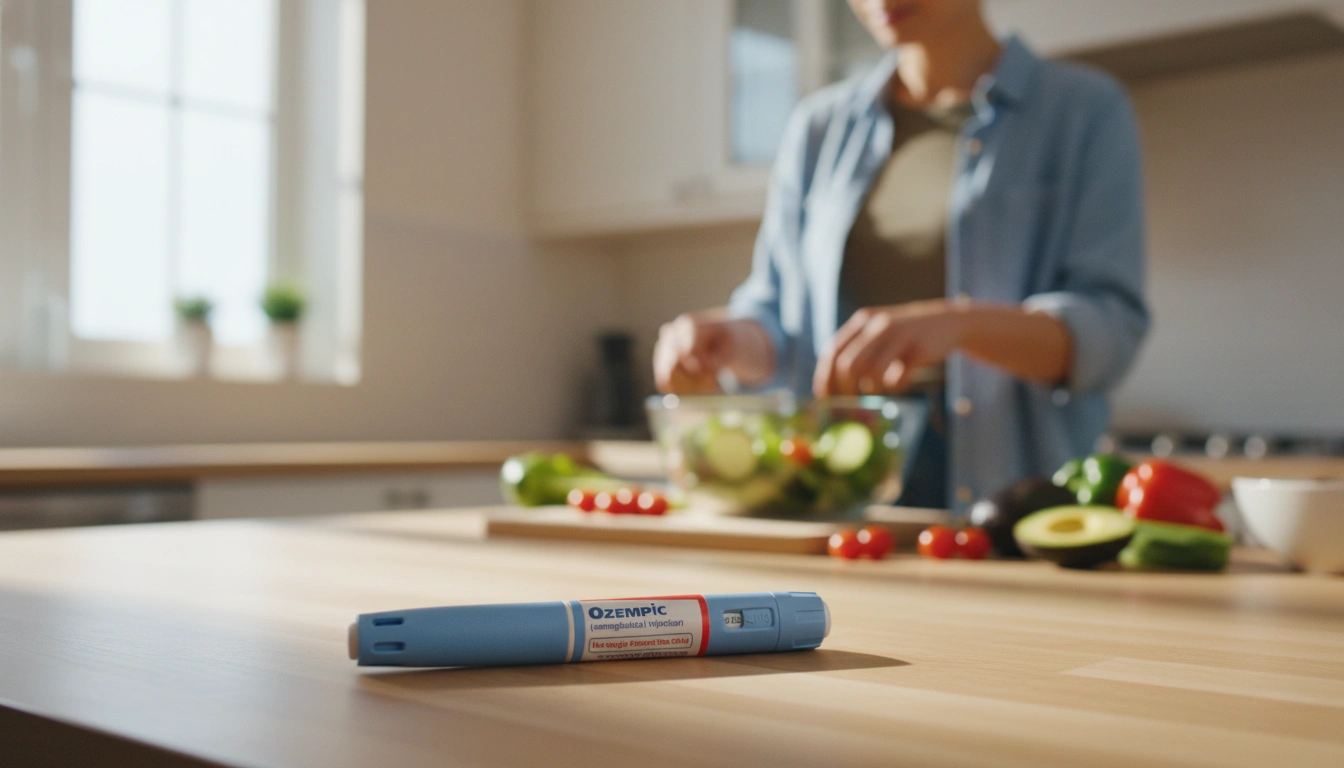
Constipation is an all-too-common experience for many individuals beginning a new medication, particularly those taking Ozempic. This injectable medication, which contains semaglutide, has gained attention not only for its effectiveness in managing type 2 diabetes but also for its role in weight management. However, as our bodies adjust to this medication, we may encounter a variety of side effects, with constipation being one of the most frequently reported. If you’ve found yourself grappling with this uncomfortable condition, you’re not alone, and there are ways to find relief.
At TrimRx, our mission is to support individuals on their weight loss journey by providing personalized, medically supervised care. We understand that navigating the world of medications, side effects, and dietary adjustments can be overwhelming. This blog post aims to equip you with the knowledge and strategies needed to alleviate constipation while taking Ozempic, ultimately enhancing your overall experience on this journey toward better health.
Introduction
Experiencing constipation while on Ozempic can feel like a frustrating roadblock in your weight loss or diabetes management journey. Did you know that research indicates approximately 24% of individuals taking semaglutide for weight loss report experiencing constipation? This statistic highlights the importance of addressing this side effect head-on. In this post, we will explore why constipation occurs with Ozempic, practical steps to alleviate it, and how we at TrimRx can assist you in managing your health effectively.
By understanding the mechanisms behind Ozempic-induced constipation and implementing simple dietary and lifestyle changes, you can regain control over your digestive health. We aim to provide you with actionable insights that will not only help you deal with constipation but also enhance your overall well-being. Whether you’re new to Ozempic or have been using it for a while, this comprehensive guide will empower you with the knowledge you need to make informed decisions about your health.
Together, we will delve into the causes of constipation while using Ozempic, discuss effective remedies, and provide tips for preventing this common issue. You’ll also find information about our personalized weight loss programs that can complement your medication regimen. Let’s embark on this journey toward a healthier lifestyle together.
Understanding Ozempic and Its Mechanism
Before we explore the connection between Ozempic and constipation, it’s essential to understand what Ozempic is and how it works. Ozempic is a brand name for semaglutide, a medication classified as a glucagon-like peptide-1 (GLP-1) receptor agonist. Originally developed for treating type 2 diabetes, it has also gained popularity as a weight management solution due to its ability to regulate appetite and promote satiety.
When we ingest food, GLP-1 is naturally released by our intestines, signaling the pancreas to release insulin, which helps lower blood sugar levels. Ozempic mimics this hormone, leading to several physiological responses, including:
-
Delaying Gastric Emptying: Ozempic slows down the process of gastric emptying, meaning food stays in the stomach longer. This can help you feel fuller for an extended period, reducing overall caloric intake.
-
Reducing Appetite: The delayed gastric emptying and increased feelings of fullness can contribute to a decreased appetite, which is beneficial for those looking to lose weight.
-
Lowering Blood Sugar Levels: By promoting insulin secretion and inhibiting glucagon release, Ozempic helps maintain healthier blood sugar levels.
However, while these effects can aid in weight loss and diabetes management, they can also lead to digestive issues, including constipation. Slowed gastric emptying may cause food and waste to linger in the intestines longer than usual, resulting in harder stools that are more challenging to pass.
The Link Between Ozempic and Constipation
Constipation is defined as having fewer than three bowel movements per week or experiencing difficulty passing stools. When taking Ozempic, several factors contribute to the onset of constipation:
- Decreased Fluid Intake: The sensation of fullness may lead to reduced fluid consumption, which is critical for maintaining normal bowel movements.
- Low Fiber Diet: If nausea or appetite suppression occurs, you may inadvertently consume fewer high-fiber foods, leading to constipation. Fiber is essential for adding bulk to the stool and facilitating its passage through the intestines.
- Changes in Gut Motility: Ozempic’s action on the digestive system can alter gut motility, causing stools to move more slowly through the intestines.
By understanding these connections, we can take proactive measures to mitigate constipation while benefiting from the positive effects of Ozempic.
Strategies to Alleviate Constipation While Taking Ozempic
While experiencing constipation can be uncomfortable, there are several effective strategies you can implement to alleviate this side effect. Here, we will explore a variety of lifestyle changes and dietary adjustments that can help manage and prevent constipation.
1. Gradual Dosing of Ozempic
Starting Ozempic at a lower dose and gradually increasing it over time can help your body adjust to the medication’s effects. This approach may reduce the severity of gastrointestinal side effects, including constipation. If you are new to Ozempic or considering starting, discuss dosing strategies with your healthcare provider to find the best approach for you.
2. Increasing Hydration
Staying well-hydrated is crucial for maintaining healthy bowel movements. Water helps soften stools, making them easier to pass. We recommend:
- Aim for Adequate Fluid Intake: Strive for at least 8-10 cups (64-80 ounces) of water daily, adjusting based on your activity level and climate.
- Incorporate Hydrating Foods: Include water-rich foods in your diet, such as fruits and vegetables, which can aid in hydration and provide additional fiber.
3. Boosting Fiber Intake
Fiber plays a vital role in promoting regular bowel movements. To enhance your fiber intake, consider the following tips:
-
Gradually Increase Fiber: Introduce high-fiber foods slowly to avoid digestive discomfort. Aim for a mix of soluble and insoluble fiber.
- Soluble Fiber: Found in oats, beans, and fruits, this type of fiber helps absorb water and form a gel-like substance, softening the stool.
- Insoluble Fiber: Present in whole grains, nuts, and vegetables, this fiber adds bulk to the stool and promotes movement through the digestive tract.
-
Consider Fiber Supplements: If you struggle to meet your daily fiber needs through food, a fiber supplement may be helpful. Consult with your healthcare provider to find an appropriate product.
4. Regular Physical Activity
Engaging in regular physical activity can significantly improve digestive health and promote regular bowel movements. Aim for at least 150 minutes of moderate-intensity exercise each week. Activities such as walking, swimming, or cycling can help stimulate intestinal motility and alleviate constipation.
5. Incorporating Natural Laxatives
Certain foods and beverages have natural laxative properties that can help relieve constipation. Consider trying:
- Prune Juice: Known for its natural laxative effects, drinking a small glass of prune juice can help soften stools and encourage bowel movements.
- Fiber-Rich Fruits: Fruits such as pears, apples, and berries are not only delicious but also high in fiber, aiding in digestion.
6. Monitoring Dietary Choices
While on Ozempic, it’s essential to pay attention to your dietary choices. Foods that are low in fiber or high in fat and sugar can exacerbate constipation. We recommend:
- Reduce Processed Foods: Limit consumption of fast food, sugary snacks, and highly processed items that lack nutritional value.
- Focus on Whole Foods: Emphasize whole grains, fruits, vegetables, and lean proteins in your diet to support overall health and digestion.
7. Seeking Medical Guidance
If you find that constipation persists despite implementing these strategies, it may be time to consult your healthcare provider. They can evaluate your symptoms and determine if further interventions are necessary, including the potential use of over-the-counter laxatives or prescription options.
Prevention: Tips for Maintaining Healthy Bowel Movements
Preventing constipation while taking Ozempic involves a proactive approach to diet and lifestyle. Here are some additional preventative measures to consider:
- Establish a Routine: Try to set aside time each day for regular bowel habits, as maintaining a routine can help train your body.
- Listen to Your Body: Don’t ignore the urge to have a bowel movement. Responding promptly can help prevent constipation.
- Limit Alcohol Consumption: Alcohol can lead to dehydration, which may worsen constipation. Moderation is key.
Conclusion
Navigating the complexities of medication can be challenging, but by understanding the connection between Ozempic and constipation, you can take proactive steps to manage this side effect. At TrimRx, we believe that personalized care and support can make all the difference in your weight loss journey. By implementing strategies such as increasing hydration, boosting fiber intake, and engaging in regular physical activity, you can effectively alleviate constipation and enhance your overall well-being.
As you continue on your path toward a healthier lifestyle, remember that you don’t have to do it alone. We encourage you to take our free assessment quiz to explore our personalized weight loss programs, which can provide the support and guidance you need. Together, we can achieve your health goals, ensuring that your journey is as smooth and successful as possible.
FAQs
What actually helps constipation while taking Ozempic?
Fiber supplements, increased water intake, gentle laxatives, and regular activity help constipation effectively while taking Ozempic. TrimRx recommends practical strategies for managing constipation, helping patients restore comfortable bowel function during treatment.
Does drinking more water help constipation when taking Ozempic?
Yes, drinking 8–10 glasses of water daily helps soften stools and ease constipation while taking Ozempic. TrimRx emphasizes hydration as one of the most effective and foundational ways to support digestive regularity during treatment.
What foods help constipation while on Ozempic?
High-fiber foods like prunes, flaxseed, chia seeds, and leafy vegetables naturally help constipation by improving bowel motility. TrimRx provides nutrition guidance on food-based solutions that promote healthy digestion while taking Ozempic.
Can exercise help constipation while taking Ozempic?
Yes, regular walking and light physical activity stimulate intestinal movement, helping relieve constipation while taking Ozempic. TrimRx incorporates gentle exercise into constipation management plans to enhance bowel function and comfort.
What over-the-counter medications help constipation with Ozempic?
Osmotic laxatives like MiraLAX and fiber supplements work safely to relieve constipation without harsh stimulant effects. TrimRx recommends gentle, evidence-based OTC options to ease symptoms while taking Ozempic.
Does magnesium help constipation while taking Ozempic?
Yes, magnesium citrate helps relieve constipation by drawing water into the intestines, promoting smoother bowel movements. TrimRx often includes magnesium as part of safe, effective constipation relief strategies for patients using Ozempic.
What helps severe constipation while taking Ozempic?
For persistent or severe constipation, prescription medications or medical evaluation may be required. TrimRx escalates treatment options when standard measures fail, ensuring stronger and targeted relief while taking Ozempic.
How long until interventions help constipation while taking Ozempic?
Most constipation remedies show results within 24–72 hours, though consistent habits lead to longer-term relief. TrimRx helps patients set realistic expectations for how quickly various interventions can improve digestion.
Can probiotics help constipation while taking Ozempic?
Yes, probiotics support gut bacteria balance, improving digestion and stool regularity. TrimRx often includes probiotics as part of a holistic plan to maintain digestive health while taking Ozempic.
What helps prevent constipation before starting Ozempic?
Establishing a high-fiber diet, maintaining hydration, and staying active before starting Ozempic can prevent constipation from developing. TrimRx emphasizes early preventive strategies for smoother digestive adaptation during treatment.
Should I avoid certain foods that worsen the problem?
Yes, avoid low-fiber foods, excessive dairy, and processed items that may worsen constipation. Instead, focus on whole grains, fruits, vegetables, and fluids to maintain healthy bowel function.
Can I use stool softeners long-term safely?
Stool softeners like docusate sodium are generally safe for extended use when needed. However, addressing the root causes—through hydration, diet, and physical activity—provides a more sustainable and healthy solution.
Does the medication dose affect severity of digestive issues?
Yes, higher doses of Ozempic often slow digestion more significantly, potentially increasing constipation. TrimRx may adjust titration speed or dosage to help manage symptoms effectively.
When should I contact my doctor about bowel problems?
Seek medical help if you experience no bowel movement for 5–7 days, severe abdominal pain, vomiting, or blood in your stool. These may indicate complications requiring prompt evaluation.
Will digestive issues improve over time on the medication?
Yes, most patients notice improvement within 4–8 weeks as their body adapts to Ozempic. Consistent hydration, fiber intake, and movement help digestive function normalize over time.

Transforming Lives, One Step at a Time
Keep reading

Ozempic for Men: What’s Different
Men and women lose weight differently. That’s not a controversial statement; it’s biology. Hormonal profiles, fat distribution patterns, muscle mass, and metabolic rates all…

Ozempic vs Surgery: Comparing Weight Loss Options
Weight loss surgery has been the gold standard for severe obesity for decades. Then GLP-1 medications like Ozempic arrived, and the conversation shifted. Now…

Metformin vs Ozempic for Weight Loss
Metformin has been a cornerstone of diabetes treatment for decades, and it’s often the first medication providers reach for when weight loss is part…


