What Helps Sulphur Burps on Mounjaro: Relief and Management Strategies
Introduction
Starting a weight loss journey often brings a mix of excitement and new physical adjustments. You might find yourself finally reaching a goal weight, only to be interrupted by an unexpected and unpleasant side effect: burps that smell like rotten eggs. This phenomenon, often called sulfur burps, is a common experience for those using Mounjaro® (tirzepatide). At TrimRx, we understand that these digestive changes can feel embarrassing and frustrating, especially when you are working hard to improve your health.
While the smell and taste can be off-putting, these burps are usually a manageable side effect of how the medication interacts with your digestive system. This article explores why these burps occur, which foods might be triggering them, and practical steps you can take to find relief. If you want to see if you qualify for a personalized program, you can get started here. By making small adjustments to your diet and lifestyle, you can minimize discomfort and stay focused on your long-term wellness goals.
What Are Sulfur Burps and Why Do They Happen?
Sulfur burps are characterized by a distinct smell similar to rotten eggs. This odor comes from hydrogen sulfide gas, which is produced when bacteria in your digestive tract break down sulfur-containing compounds. While everyone produces some gas during digestion, certain factors can cause an increase in its production and release.
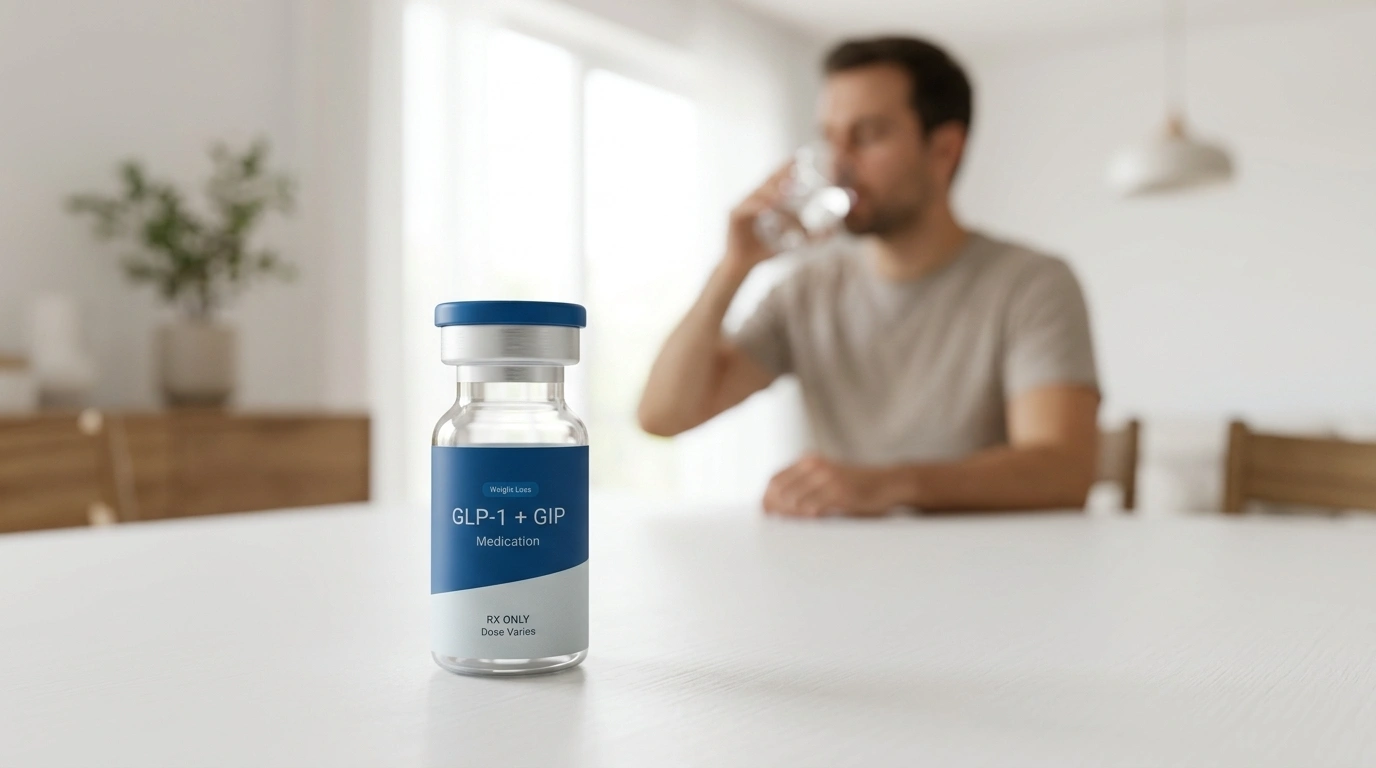
Mounjaro® belongs to a class of medications known as dual GIP (glucose-dependent insulinotropic polypeptide) and GLP-1 (glucagon-like peptide-1) receptor agonists. These medications work by mimicking natural hormones in your body to help regulate blood sugar and decrease appetite. One of the primary ways they support weight loss is by slowing down gastric emptying.
The Role of Delayed Gastric Emptying
Gastric emptying is the process by which food leaves your stomach and enters the small intestine. When you take a medication like tirzepatide, how GLP-1 actually works for weight loss becomes easier to understand, because this process slows down significantly. This is intentional, as it helps you feel full for longer periods and reduces the urge to overeat. However, because food stays in the stomach for an extended duration, it has more time to sit and ferment.
When food remains in the stomach longer than usual, the natural bacteria in your gut begin to break it down. If the food you ate contains sulfur, this fermentation process releases hydrogen sulfide gas. Because the exit to the small intestine is slowed, the gas builds up in the stomach and eventually escapes upward as a burp.
Key Takeaway: Sulfur burps are a byproduct of slowed digestion. Because food stays in the stomach longer, it produces more gas, leading to that characteristic rotten-egg smell.
Identifying Common Food Triggers
What you eat plays a massive role in the frequency and intensity of sulfur burps. Since the gas is a result of breaking down sulfur, reducing your intake of high-sulfur foods is often the first and most effective step in finding relief.
High-Sulfur Vegetables
Cruciferous vegetables are famous for their health benefits, but they are also very high in sulfur. If you are experiencing frequent burps, you may want to temporarily limit:
- Broccoli and cauliflower
- Brussels sprouts and cabbage
- Kale and collard greens
- Bok choy
Protein Sources
Proteins are essential for maintaining muscle mass during weight loss, but many common sources are rich in sulfur-containing amino acids. You don’t need to eliminate protein, but you might consider shifting toward leaner options if you notice a reaction to:
- Red meats (beef, pork, and lamb)
- Eggs (specifically the yolks)
- Dairy products like heavy cream and certain aged cheeses
- Poultry (in high quantities)
Other Potential Triggers
Beyond vegetables and proteins, other dietary staples can contribute to gas buildup. These include:
- Alliums: Garlic, onions, leeks, and shallots are high in sulfur compounds.
- Legumes: Beans, lentils, and peas can cause general gas and bloating, which may exacerbate sulfur burps.
- Processed Foods: Many preservatives used in packaged snacks contain sulfur to maintain shelf life.
- Alcohol: Certain beverages like beer and wine naturally contain sulfites.
Dietary Strategies for Relief
Knowing what helps sulfur burps on Mounjaro starts with how you structure your daily meals. It is not just about what you eat, but how you eat it. For more GLP-1 nausea management tips, smaller changes often make a bigger difference than people expect.
Eat Smaller, More Frequent Meals
If you are used to eating three large meals a day, your stomach may struggle to process that volume of food while on a GLP-1 or GIP medication. A large meal sitting in a slow-moving stomach is a recipe for fermentation. Instead, try breaking your daily intake into five or six small snacks or “mini-meals.” This keeps the volume in your stomach low and allows your digestive system to keep up.
Prioritize Hydration
Water is vital for every stage of digestion. It helps move food through the gastrointestinal tract and can help dilute the acids and gases in your stomach. Aim for consistent sips throughout the day rather than “chugging” large amounts of water at once, which can actually lead to swallowing more air.
Avoid Carbonated Beverages
Soda, sparkling water, and beer add extra gas to an already crowded stomach. When you combine the carbon dioxide from these drinks with the hydrogen sulfide produced by digestion, the pressure in your stomach increases, leading to more frequent burping. Stick to flat water, herbal teas, or diluted fruit juices.
Quick Answer: To reduce sulfur burps on Mounjaro, prioritize eating small, frequent meals and avoid high-sulfur foods like broccoli, eggs, and red meat. Staying hydrated with non-carbonated water and taking a short walk after eating can also significantly improve symptoms.
Lifestyle Habits to Support Digestion
Sometimes, simple changes in your daily routine can make a significant difference in how your body handles medication side effects.
Gentle Movement After Eating
A 10-to-15-minute walk after a meal can do wonders for your digestion. Light physical activity stimulates the muscles in your digestive tract, encouraging food to move from the stomach into the small intestine. This reduces the time food has to ferment and produce gas.
Avoid Swallowing Excess Air
Aerophagia, or the swallowing of air, is a common cause of burping. While it doesn’t cause the sulfur smell itself, it increases the total volume of gas in your stomach, making you burp more often. To minimize this:
- Eat slowly and chew your food thoroughly.
- Avoid using straws.
- Skip the chewing gum.
- Avoid talking while eating.
Mind Your Posture
Lying down immediately after eating can cause stomach contents and gases to press against the esophageal sphincter, making it easier for gas to escape as a burp or causing acid reflux. Try to remain upright for at least two to three hours after your last meal of the day.
Natural Remedies and Supplements
Many people find that natural ingredients can help soothe the digestive lining and reduce gas production.
Ginger and Peppermint
Ginger has been used for centuries to treat nausea and support digestion. It acts as a prokinetic, meaning it helps the stomach empty more efficiently. You can try ginger tea or small amounts of fresh ginger in your meals. Peppermint is another classic remedy for gas and bloating, as it helps relax the muscles in the digestive tract. However, if you also suffer from acid reflux, be cautious with peppermint, as it can sometimes worsen heartburn.
Herbal Teas
Sipping on warm chamomile or fennel tea after a meal can help relax the digestive system and reduce the accumulation of gas. These teas are generally gentle and can be a soothing part of a nighttime routine.
Nutrient Support
At TrimRx, we recognize that staying consistent with your program is easier when you feel your best. Our GLP-1 Daily Support supplement is designed to help maintain digestive comfort and provide the nutrients your body needs while on a weight loss journey. Supporting your gut health can often make these temporary side effects much more manageable.
Over-the-Counter Options
If dietary and lifestyle changes aren’t providing enough relief, there are several over-the-counter (OTC) medications that may help. It is always best to consult with a healthcare provider before starting any new medication, even those available without a prescription.
- Simethicone: This is the active ingredient in many anti-gas medications. It works by breaking up large gas bubbles in the stomach into smaller ones, making them easier to pass without discomfort.
- Bismuth Subsalicylate: Commonly known as Pepto-Bismol®, this medication has a unique property—it can actually bind to hydrogen sulfide in the gut, which helps neutralize the rotten-egg smell of the burps.
- Probiotics: Introducing beneficial bacteria into your gut can help balance the microbiome and potentially reduce the production of foul-smelling gas over time.
- Digestive Enzymes: Some individuals find that taking a broad-spectrum digestive enzyme helps break down proteins and fibers more quickly, reducing the time food sits in the stomach.
Comparing Side Effects: Semaglutide vs. Tirzepatide
Both semaglutide (the active ingredient in Wegovy® and Ozempic®) and tirzepatide (the active ingredient in Mounjaro® and Zepbound®) can cause gastrointestinal side effects. For a deeper look at tirzepatide side effects and how to manage them, it helps to compare how these medications affect digestion.
| Feature | Semaglutide | Tirzepatide |
|---|---|---|
| Mechanism | GLP-1 Receptor Agonist | Dual GIP & GLP-1 Receptor Agonist |
| Primary GI Side Effects | Nausea, Vomiting, Constipation | Nausea, Diarrhea, Burping |
| Sulphur Burp Frequency | Common in early stages | Common, especially with dose increases |
| Administration | Weekly Injection or Daily Oral | Weekly Injection or Daily Oral |
While the mechanisms are slightly different, the management strategies for sulfur burps remain the same. Most people find that these side effects are most prominent when they first start the medication or when they increase their dosage. As the body adjusts to the hormones, the symptoms often fade.
When to Consult a Healthcare Professional
While sulfur burps are generally a harmless, albeit annoying, side effect, they can sometimes indicate a more significant issue. It is important to listen to your body and recognize when a side effect becomes a symptom that requires clinical attention.
You should contact a licensed healthcare provider if your sulfur burps are accompanied by:
- Severe abdominal pain or cramping that does not go away.
- Persistent vomiting or the inability to keep down liquids.
- A significant change in bowel habits, such as severe diarrhea or prolonged constipation.
- Fever or chills.
- Signs of dehydration, such as extreme thirst, dark urine, or dizziness.
In some cases, persistent sulfur burps may be related to an underlying condition like H. pylori infection or Gastroesophageal Reflux Disease (GERD). A provider can help determine if your symptoms are a standard reaction to the medication or if further investigation is needed.
Starting Your Journey with TrimRx
Navigating the world of GLP-1 and GIP medications doesn’t have to be overwhelming. We believe that weight loss is a personal journey that deserves a personalized approach. We connect you with licensed providers who evaluate your health history and goals to create a program that fits your life. When you’re ready to begin, start with the free assessment quiz so the team can review your information.
Whether you are considering Compounded Semaglutide or Compounded Tirzepatide, our platform ensures you have access to medications from FDA-registered and inspected compounding pharmacies. We provide a telehealth-first experience, meaning you can manage your consultations, lab work, and medication refills all from the comfort of your home.
How the Program Works
Step 1: Complete the free assessment quiz. This helps us understand your medical history, BMI, and weight loss goals.
Step 2: Connect with a provider. A licensed healthcare professional will review your information and, if appropriate, write a prescription for a treatment program tailored to you.
Step 3: Receive your medication. Your medication is shipped directly to your door from a specialized pharmacy. Everything you need for the program—including supplies and shipping—is included.
Step 4: Ongoing support. You have 24/7 access to our team for any questions about your dosage, side effects, or progress.
Conclusion
Sulfur burps can be one of the more unpleasant parts of starting a GLP-1 or GIP medication, but they are rarely a reason to stop your progress. By understanding that these burps are a result of your body’s slowed digestion, you can take proactive steps to manage them. Focus on smaller meals, hydration, and avoiding known sulfur triggers like eggs and cruciferous vegetables.
Our mission is to help you achieve sustainable weight loss through science and empathy. We are here to provide the clinical expertise and dedicated support you need to navigate every step of your journey. If you are ready to see if a personalized weight loss program is right for you, take the assessment quiz is the best next step.
FAQ
Why do my burps smell like rotten eggs on Mounjaro?
The smell is caused by hydrogen sulfide gas produced when food stays in your stomach longer than usual. Mounjaro® slows down your digestion, which gives food more time to ferment and release these sulfur-rich gases.
How long do sulfur burps last?
For most people, sulfur burps are temporary and occur most frequently when first starting the medication or increasing the dose. They typically subside within a few days or weeks as your digestive system adjusts to the treatment. For a related timeline on side effects, how long GLP-1 nausea really lasts can help you understand the adjustment period.
Can I take Pepto-Bismol for sulfur burps?
Yes, bismuth subsalicylate (Pepto-Bismol®) is often effective because it can bind to the sulfur in your gut and neutralize the odor. However, you should always check with your healthcare provider before starting new OTC medications to ensure they are safe for you.
Will drinking more water help?
Yes, staying hydrated helps support the overall digestive process and can help move food through your system more efficiently. It may also help dilute the gases in your stomach, potentially reducing the intensity of the burps.
Disclaimer: This content is for informational purposes only and does not constitute medical advice. It is not intended to diagnose, treat, cure, or prevent any disease or condition. Individual results may vary. Always consult a qualified healthcare professional before starting any weight loss program or medication.

Transforming Lives, One Step at a Time
Keep reading

Mounjaro Alternatives: What Else to Consider
If Mounjaro isn’t the right fit, the closest alternatives are other GLP-1 medications, chiefly semaglutide (Ozempic for diabetes, Wegovy for weight), along with a…

Mounjaro vs Zepbound: Same Drug, Two Brands
Like their semaglutide counterparts, Mounjaro and Zepbound are the same medication (tirzepatide) sold under two names for two purposes: Mounjaro is approved for type…

Retatrutide vs Mounjaro: Triple Agonist vs Dual Agonist
The core difference between retatrutide and Mounjaro comes down to how many hormone targets each hits: retatrutide activates three receptors, while Mounjaro (tirzepatide) activates…


