What Helps With Nausea on Mounjaro
Introduction
Starting a weight loss journey with a medication like Mounjaro® can feel like a major turning point. You have likely spent years navigating diets that did not stick or exercise routines that left you exhausted. Finally, you have a tool that works with your biology rather than against it. However, that excitement can quickly turn to frustration if you begin to feel a lingering sense of queasiness or a settled “sour” stomach. Nausea is one of the most frequently reported side effects for those starting why tirzepatide can cause nausea, the active ingredient in this medication.
At TrimRx, we believe that managing your metabolic health should not feel like a constant battle with physical discomfort. We have designed our approach to help you navigate these transitions smoothly, ensuring that your path to a healthier weight is as comfortable as possible. This article covers the biological reasons why nausea occurs, practical dietary and lifestyle shifts to settle your stomach, and how our personalized programs support you through every step of the process. Our goal is to equip you with the knowledge needed to manage these symptoms effectively, and if you want to see whether a personalized program is a fit, you can complete our free assessment quiz.
Why Does Mounjaro Cause Nausea?
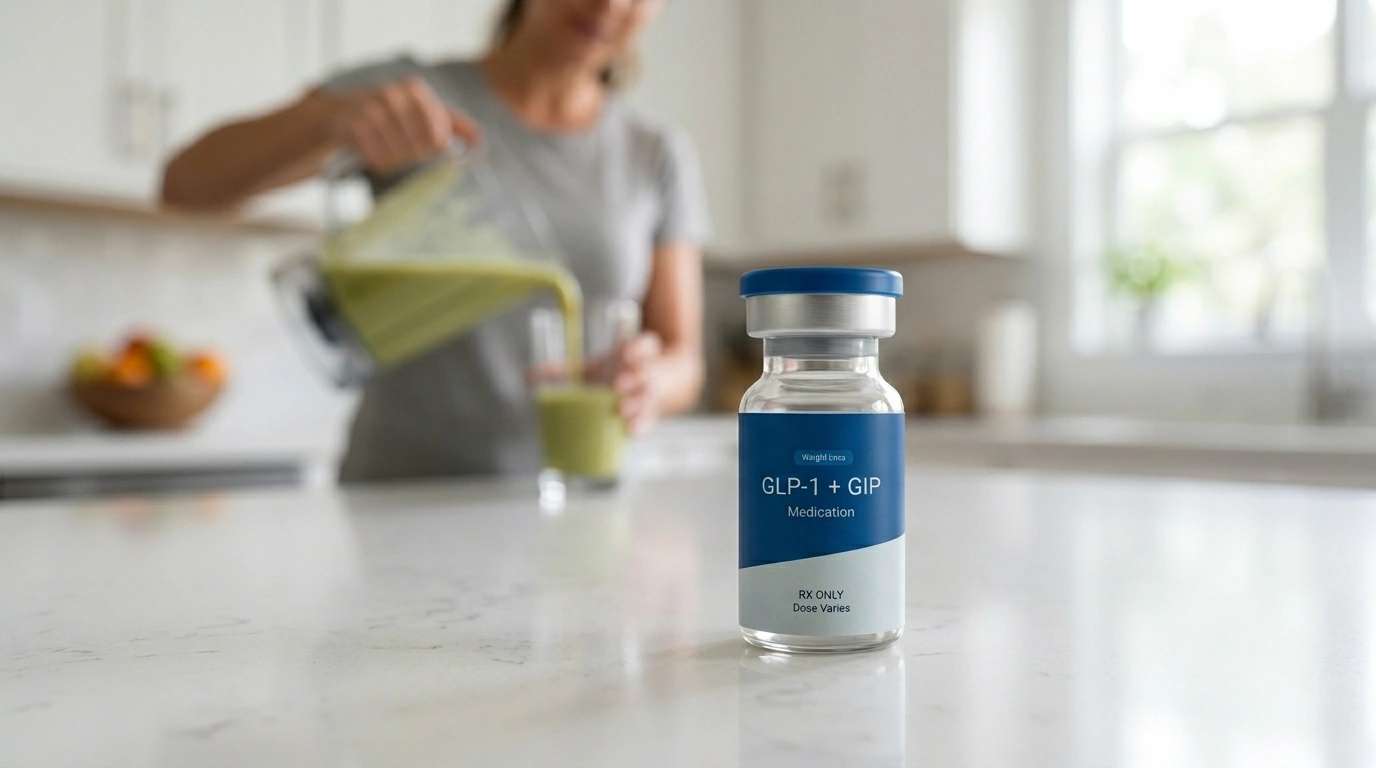
To understand how to stop the “queasy” feeling, it helps to understand what is happening inside your body. Mounjaro® belongs to a class of medications known as dual receptor agonists. It mimics two specific hormones: glucagon-like peptide-1 (GLP-1) and glucose-dependent insulinotropic polypeptide (GIP). These hormones play a vital role in how your body processes sugar and how your brain perceives hunger.
The primary reason for nausea is a process called delayed gastric emptying. In simpler terms, the medication tells your stomach to hold onto food for a longer period. This keeps you feeling full and satisfied on much smaller portions, which is excellent for weight loss. However, if your stomach is still full from a previous meal when you sit down for the next one, your digestive system may feel overwhelmed. This backlog of food can signal the brain that something is “off,” resulting in that familiar feeling of nausea.
Furthermore, these hormones interact directly with the “nausea center” in your brain, known as the area postrema. As your body adjusts to higher levels of these hormone mimics, the brain can overreact to the new signals. This is why many people find that their nausea is most intense in the first few days after an injection or immediately after their dose is increased.
Key Takeaway: Nausea is a side effect of how the medication slows down digestion and interacts with brain signals. It is usually a sign that the drug is working to increase fullness, and for most people, it lessens as the body adapts.
Dietary Strategies for Nausea Relief
What you eat—and how you eat it—is often the most powerful tool you have for managing nausea. Because your digestion is moving more slowly, the “rules” of eating change slightly, especially if you are following what to eat on GLP-1.
Focus on Smaller Portions
One of the most effective ways to prevent nausea is to avoid getting “too full.” On a GLP-1 or GIP medication, the line between “satisfied” and “overstuffed” is very thin. If you eat the same portion size you were used to before starting treatment, you will likely feel sick.
Try breaking your nutrition into five or six small snacks or “mini-meals” throughout the day rather than three large ones. This keeps your blood sugar stable without putting too much pressure on your stomach at once. Listen closely to your body’s signals; the moment you feel a slight sense of fullness, stop eating, even if there is food left on the plate.
Choose Bland, Simple Foods
When your stomach feels sensitive, lean into what many call the “BRAT” diet or similar bland options. These are easier for your digestive system to break down while it is in its slowed state.
- Plain crackers or toast: These can help absorb excess stomach acid.
- Bananas and applesauce: These provide gentle energy and are easy on the lining of the stomach.
- Lean proteins: Think boiled chicken, tofu, or white fish. Avoid heavy seasonings or breading.
- Rice or potatoes: Plain white rice or a baked potato (without the butter and sour cream) can be very grounding for a sour stomach.
Avoid High-Fat and Greasy Foods
Fried foods, heavy sauces, and high-fat meats are the primary triggers for nausea while on Mounjaro®. Fat is already the slowest macronutrient to digest. When you combine high-fat foods with a medication that further slows the stomach, the food sits for a very long time. This can lead to not only nausea but also acid reflux and a heavy “brick in the stomach” feeling, which is why many people look for foods to avoid on tirzepatide.
The Role of Fiber
While fiber is essential for health, a sudden increase in fiber while starting a GLP-1 medication can sometimes worsen bloating and nausea. Focus on soluble fiber (like oats) which is gentler, and ensure you are introducing high-fiber vegetables slowly to see how your body reacts.
The Science of Hydration
Dehydration is a sneaky cause of nausea. When you are not eating as much, you are also not getting as much hydration from food. Additionally, if you have had any bouts of vomiting or diarrhea, your electrolyte balance may be off, so it helps to keep GLP-1 nausea solutions in mind when you are trying to stay ahead of symptoms.
Sip, Don’t Gulp
Drinking a large glass of water all at once can actually trigger the “fullness” nausea. Instead, keep a water bottle with you and take small sips throughout the day. This keeps your system hydrated without distending the stomach.
Separate Liquids from Solids
Many people find relief by not drinking anything 30 minutes before or after a meal. This “separation” ensures that your stomach has enough room for the nutrients you are eating and prevents the liquid from making you feel prematurely or uncomfortably full.
Electrolytes and Teas
Plain water is great, but sometimes your body needs more.
- Ginger Tea: Ginger is a clinically recognized natural anti-emetic (anti-nausea agent). Sipping warm ginger tea or chewing on a piece of dried ginger can settle the stomach quickly.
- Peppermint Tea: Peppermint helps relax the digestive muscles, which can reduce the “spasms” or cramping feelings that often accompany nausea.
- Electrolyte Replacements: If your nausea is making it hard to eat, a low-sugar electrolyte drink can help maintain your energy levels and prevent the headaches that often come with the early stages of weight loss.
Lifestyle and Posture Adjustments
Managing nausea is not just about what goes into your mouth; it is also about what you do with your body after you eat.
Stay Upright
Because your stomach is emptying slowly, lying down immediately after a meal is a recipe for disaster. Gravity helps keep food moving in the right direction. Aim to stay upright for at least two to three hours after eating. If you take your Mounjaro® injection at night, try to eat a very light dinner a few hours before you plan to sleep.
Fresh Air and Movement
While it might be the last thing you feel like doing when you are queasy, a gentle five-minute walk can stimulate “peristalsis”—the natural movement of your digestive tract. Fresh air also provides a sensory distraction that can help break the cycle of nausea.
Manage Strong Smells
When you are on a medication that mimics pregnancy-related hormones (like GLP-1), your sense of smell can become heightened. Strong cooking odors, perfumes, or even the smell of the coffee pot can trigger a wave of nausea. Keep your environment well-ventilated and try to stick to “cold” foods (like sandwiches or salads) which tend to have less aroma than hot, steaming dishes.
Dosing and Timing Considerations
The way you administer your medication can also play a role in how your body reacts.
Injection Site Sensitivity
While there is more anecdotal evidence than clinical data on this, many individuals report that injecting into the thigh or back of the arm results in less nausea than injecting directly into the abdomen. If you are struggling with stomach issues, you might consult your provider about rotating your injection site to a different area to see if it makes a difference for you.
Consistency is Key
Taking your medication at the same time and on the same day each week helps your body maintain a steady state. Avoid skipping doses or changing your “shot day” without guidance, as this can cause hormone fluctuations that lead to more side effects.
The “Low and Slow” Approach
At TrimRx, our partner providers typically follow a titration schedule. This means you start at a very low dose—usually 2.5 mg—to let your body get used to the medicine. You only increase the dose after four weeks, and only if you are tolerating it well. If your nausea is severe, your provider may suggest staying at a lower dose for an extra month. There is no need to rush to the highest dose; weight loss can be very effective even on lower doses.
Key Takeaway: Successful weight management is a marathon, not a sprint. Adjusting the timing or the site of your injection, under medical guidance, can significantly improve your daily comfort level.
When to Consult Your Healthcare Provider
While a moderate amount of nausea is common, it is important to know the difference between a manageable side effect and a serious medical concern. You should always feel empowered to reach out to your clinical team if something feels wrong.
Red Flags to Watch For
Contact a healthcare professional immediately if you experience any of the following:
- Severe abdominal pain: Especially pain that radiates to your back or feels “sharp.”
- Persistent vomiting: If you cannot keep any liquids down for more than 12–24 hours.
- Signs of dehydration: Extreme thirst, dark yellow urine, or feeling very dizzy when you stand up.
- Jaundice: A yellowing of the skin or eyes, which could indicate gallbladder issues.
- High fever or chills: Especially when combined with stomach pain.
Professional Guidance
Your doctor or telehealth provider can offer solutions that go beyond lifestyle changes. In some cases, they may prescribe a short course of anti-nausea medication like ondansetron (Zofran®) to help you get through the initial adjustment period. However, these medications should be used sparingly and only under professional supervision, as they can have their own side effects, such as constipation. If you are wondering whether prescription treatment is the right next step, you can see if you qualify with the free assessment quiz.
The TrimRx Difference
We understand that weight loss is not just about a number on a scale; it is about how you feel every single day. The “all-or-nothing” approach of the past does not work because it ignores the reality of how these medications affect the human body. Our mission at TrimRx is to provide a supportive, science-backed platform that prioritizes your comfort and long-term success.
Our programs are designed to be flexible. We connect you with licensed providers who understand the nuances of GLP-1 and GIP therapy. Because we offer 24/7 access to our team, you never have to “tough it out” alone. Whether you need a dose adjustment or advice on the best meal plan to settle your stomach, we are here to guide you. We also offer targeted supplements, such as our GLP-1 Daily Support supplement, which is designed to help bridge nutrient gaps and support your body while you are eating less.
Conclusion
Nausea on Mounjaro® is a hurdle, but it is one that most people successfully clear within the first few weeks. By understanding that your body is simply learning a new way to process food and hunger, you can take proactive steps to manage the transition. Focus on hydration, prioritize bland and small meals, and give yourself the grace to move slowly as you adjust.
Sustainable weight loss is built on a foundation of empathy and science. We are dedicated to making sure you have the tools, the medication, and the specialist support needed to reach your goals without sacrificing your quality of life. If you are ready to start a program that is tailored to your unique health profile, the best first step is to complete our free health assessment quiz.
FAQ
How long does the nausea usually last when starting Mounjaro?
For most people, nausea is most prominent during the first two to four weeks of treatment or in the first few days following a dose increase. As your body becomes accustomed to the dual-hormone signals, the “nausea center” in the brain typically desensitizes, and your digestive system adapts to the slower pace. If you want a deeper look at how long tirzepatide side effects last, it is important to discuss it with your healthcare provider.
Can I take over-the-counter stomach medicine with Mounjaro?
Many people find relief using over-the-counter (OTC) options like bismuth subsalicylate or ginger-based supplements. However, because Mounjaro® slows down how quickly your stomach absorbs oral medications, the timing and effectiveness of OTC drugs might be different than usual. You should always check with your provider before starting new supplements or medications to ensure they do not interfere with your treatment plan.
Does the injection site really affect how much nausea I feel?
While clinical studies have not definitively proven that one injection site is “better” than another for side effects, many patients report that rotating away from the stomach helps. Injecting into the thigh or the back of the arm may slow the initial absorption rate for some individuals, potentially leading to fewer gastrointestinal symptoms. It is a simple, safe adjustment you can try during your next scheduled dose.
Should I stop eating if I feel nauseous?
You should not stop eating entirely, as low blood sugar and dehydration can actually make nausea feel worse. Instead of skipping meals, try to eat very small amounts of “safe” foods like plain crackers or a few bites of ginger yogurt. If you are unable to keep any food or liquid down for an extended period, this is a sign that you need to contact your healthcare provider for guidance.
Disclaimer: This content is for informational purposes only and does not constitute medical advice. It is not intended to diagnose, treat, cure, or prevent any disease or condition. Individual results may vary. Always consult a qualified healthcare professional before starting any weight loss program or medication.

Transforming Lives, One Step at a Time
Keep reading

Mounjaro Alternatives: What Else to Consider
If Mounjaro isn’t the right fit, the closest alternatives are other GLP-1 medications, chiefly semaglutide (Ozempic for diabetes, Wegovy for weight), along with a…

Mounjaro vs Zepbound: Same Drug, Two Brands
Like their semaglutide counterparts, Mounjaro and Zepbound are the same medication (tirzepatide) sold under two names for two purposes: Mounjaro is approved for type…

Retatrutide vs Mounjaro: Triple Agonist vs Dual Agonist
The core difference between retatrutide and Mounjaro comes down to how many hormone targets each hits: retatrutide activates three receptors, while Mounjaro (tirzepatide) activates…


