What is a GLP-1 Supplement: Exploring the Myths and Realities
Introduction
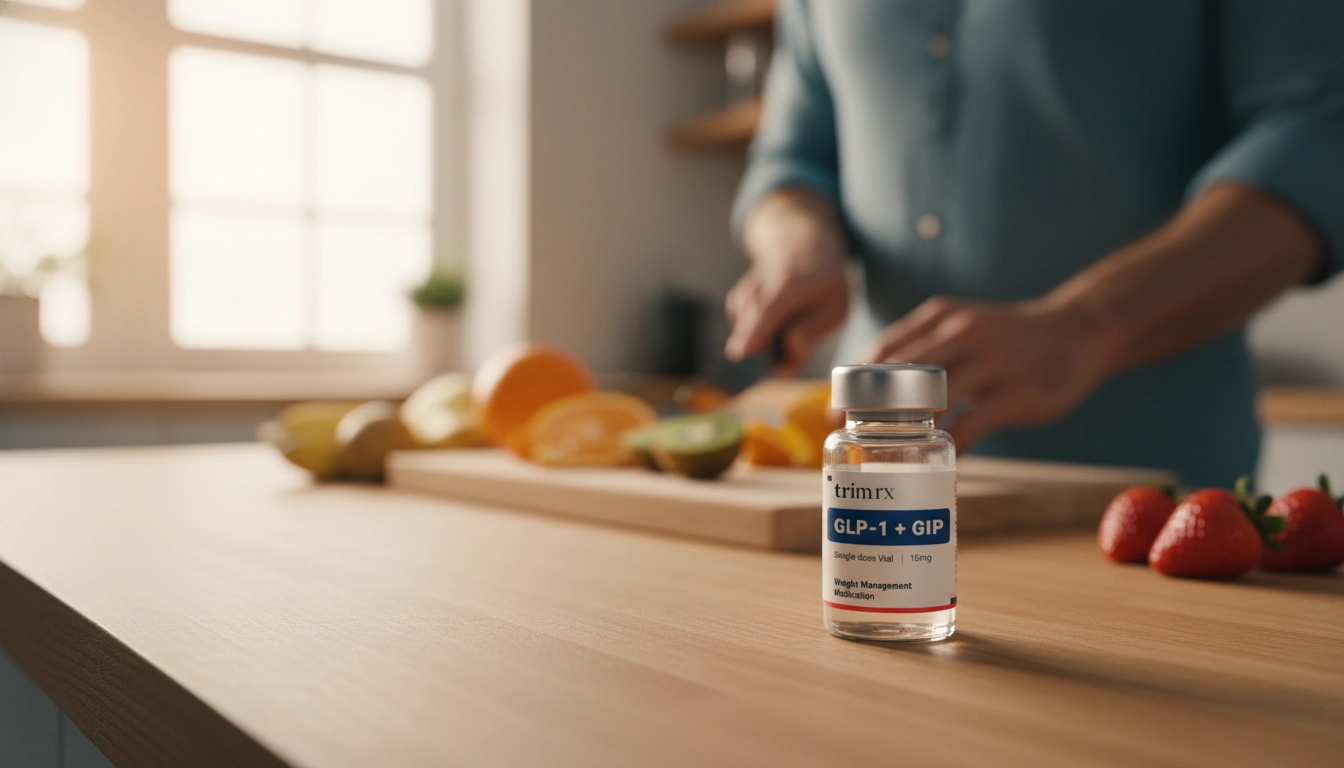
Did you know that a hormone produced in your gut could play a significant role in managing your appetite and blood sugar levels? Glucagon-like peptide-1, or GLP-1, is a vital hormone that our bodies naturally produce in response to food intake. In recent years, GLP-1 has gained significant attention due to its role in weight management and diabetes treatment, leading to the development of medications like Ozempic and Wegovy. However, as the popularity of these medications has soared, so too has the emergence of dietary supplements claiming to enhance GLP-1 levels in the body.
So, what exactly is a GLP-1 supplement, and do they live up to the claims made about them? In this blog post, we will delve into the science behind GLP-1, the differences between prescription medications and over-the-counter supplements, and explore whether these supplements are a viable option for weight loss and appetite control.
Our goal is to equip you with a thorough understanding of GLP-1 supplements, the evidence (or lack thereof) supporting their efficacy, and how they fit into the broader landscape of weight loss solutions. By the end of this article, we hope to clarify any misconceptions surrounding GLP-1 supplements and guide you toward informed decisions on your health journey.
We will cover the following key points:
- Understanding GLP-1: The Hormone Behind Appetite Regulation
- The Rise of GLP-1 Medications: Prescription Drugs vs. Supplements
- What’s Inside GLP-1 Supplements? Common Ingredients and Their Effects
- Expert Opinions: Do GLP-1 Supplements Work?
- Safety Considerations and Regulatory Landscape
- Conclusion: Making Informed Choices About GLP-1 Supplements
- FAQs
Let’s embark on this enlightening journey together!
Understanding GLP-1: The Hormone Behind Appetite Regulation
GLP-1 is a hormone that plays a crucial role in regulating appetite and glucose metabolism. Synthesized in the intestines, GLP-1 is released after we consume food. Its primary functions include stimulating insulin secretion, inhibiting glucagon release (a hormone that raises blood sugar levels), and slowing gastric emptying—all actions that contribute to a feeling of fullness and help regulate blood sugar levels.
Research has shown that individuals with obesity often experience lower levels of GLP-1 after meals, which can contribute to difficulties in appetite regulation and weight management. The introduction of GLP-1 receptor agonists, such as semaglutide (Ozempic and Wegovy) and tirzepatide (Mounjaro), has provided new avenues for treating obesity and type 2 diabetes. These medications mimic the action of GLP-1, helping to enhance feelings of fullness and reduce appetite.
But what about the supplements that claim to mimic or enhance GLP-1 levels naturally?
The Rise of GLP-1 Medications: Prescription Drugs vs. Supplements
The FDA has approved several GLP-1 medications, which have undergone rigorous clinical testing to ensure their safety and efficacy. Ozempic and Wegovy, for instance, have demonstrated significant weight loss results in clinical trials, with participants losing an average of 15% of their body weight over a specified period.
In contrast, dietary supplements marketed as GLP-1 enhancers are readily available over the counter without the need for a prescription. These products often contain a mix of herbal extracts, vitamins, and other ingredients that claim to promote natural GLP-1 production. However, they are not subjected to the same level of scrutiny as prescription medications, leaving potential users to question their safety and effectiveness.
What Sets Prescription Medications Apart?
- Clinical Trials: Prescription GLP-1 medications are backed by extensive clinical trials involving thousands of participants, ensuring that their benefits and risks are well understood.
- Regulatory Oversight: The FDA strictly regulates prescription drugs, requiring manufacturers to provide proof of safety and efficacy before approval. This is not the case for dietary supplements, which can be marketed with little to no evidence to support their claims.
- Standardized Dosing: Prescription medications come with clear dosing guidelines and established effects, while the potency and effectiveness of supplements can vary widely.
This stark contrast raises important questions about the true value of GLP-1 supplements.
What’s Inside GLP-1 Supplements? Common Ingredients and Their Effects
Many GLP-1 supplements boast a range of ingredients purported to enhance natural GLP-1 production. However, it’s crucial to scrutinize these claims and understand what these ingredients can realistically achieve.
Common Ingredients in GLP-1 Supplements
- Berberine: A plant compound often cited for its potential to improve metabolic health and support weight loss. Some studies suggest it may enhance glucose metabolism and reduce appetite, but its effects are not nearly as potent as prescription GLP-1 medications.
- Saffron Extract: Sometimes included for its purported appetite-suppressing properties. Limited studies have shown some promise in weight management, but more research is needed to confirm its efficacy.
- Green Tea Extract: Known for its antioxidant properties, green tea extract may aid in weight loss, but its impact on GLP-1 levels is minimal compared to the effects of GLP-1 medications.
- Chromium: Often touted for its blood sugar regulation properties, but evidence supporting its effectiveness is inconsistent.
- Eriomin (Lemon Extract): Marketed as a natural enhancer of GLP-1 levels, its actual impact on weight loss remains largely unproven.
While some of these ingredients have shown potential benefits in limited studies, they fail to replicate the substantial effects of GLP-1 medications. It’s also important to note that the presence of a certain ingredient does not guarantee its effectiveness, particularly in the context of weight loss.
Expert Opinions: Do GLP-1 Supplements Work?
The consensus among healthcare professionals is clear: while some ingredients in GLP-1 supplements may offer mild benefits, they do not match the efficacy of prescription GLP-1 medications. Dr. Supriya Rao, an expert in obesity medicine, emphasizes that prescription GLP-1 medications provide a more reliable and effective means of appetite control and weight loss.
Dr. Jamie Alan, an associate professor of pharmacology, warns that many supplements are little more than rebranded weight-loss products lacking scientific backing. The FDA has even cautioned consumers about the potential risks associated with unregulated dietary supplements, which may contain harmful ingredients or interact negatively with other medications.
In essence, while GLP-1 supplements may sound appealing due to their accessibility and lower cost, they simply cannot compete with the evidence-based results demonstrated by GLP-1 medications like Ozempic and Wegovy.
Safety Considerations and Regulatory Landscape
One of the most significant concerns surrounding GLP-1 supplements is the lack of regulatory oversight. Dietary supplements are not required to undergo the same rigorous testing as prescription medications, which means that their safety and effectiveness are often unverified.
Potential Risks of GLP-1 Supplements
- Inconsistent Dosage: Unlike prescription medications, the potency of supplements can vary widely between products and batches, leading to unpredictable effects.
- Hidden Ingredients: Some supplements may contain undisclosed ingredients that can lead to adverse reactions or interfere with prescription medications.
- False Sense of Security: Individuals may rely on these supplements as a substitute for medically supervised treatments, delaying effective treatment options.
Given these risks, we encourage anyone considering GLP-1 supplements to consult with a healthcare provider first. At TrimRx, we prioritize safety and efficacy in our weight loss solutions, providing personalized programs overseen by qualified healthcare professionals.
Conclusion: Making Informed Choices About GLP-1 Supplements
While GLP-1 supplements may offer some benefits, they are not a substitute for the clinically proven efficacy of GLP-1 medications like Ozempic and Wegovy. Understanding the science behind GLP-1 and the differences between prescription medications and dietary supplements is crucial for making informed health decisions.
As we navigate the complexities of weight management, we invite you to explore our personalized weight loss programs at TrimRx. Our approach combines science, empathy, and individualized care to help you achieve sustainable weight loss tailored to your unique needs.
If you’re interested in discovering whether our prescription weight loss medications are right for you, we encourage you to take our free assessment quiz here.
Additionally, for those looking for immediate support during their weight loss journey, consider our quick-access supplements, such as the GLP-1 Daily Support and Weight Loss Boost.
FAQ
What are GLP-1 supplements?
GLP-1 supplements are dietary products marketed to enhance the body’s natural production of glucagon-like peptide-1 (GLP-1), a hormone involved in appetite regulation and blood sugar control.
Do GLP-1 supplements help with weight loss?
While some ingredients in these supplements may provide mild benefits, they do not have the same potency or efficacy as FDA-approved GLP-1 medications for weight loss.
Are GLP-1 supplements safe?
The safety of GLP-1 supplements can be questionable due to limited regulation and oversight, making it essential to consult a healthcare provider before use.
How do prescription GLP-1 medications differ from supplements?
Prescription GLP-1 medications are clinically tested for safety and efficacy, whereas supplements are not required to undergo the same rigorous testing and may vary in quality and effectiveness.
Can I take GLP-1 supplements while on other medications?
It is crucial to consult with your healthcare provider before adding any supplements to your regimen, especially if you are taking other medications, to avoid potential interactions.
By staying informed and working alongside healthcare professionals, we can navigate the path to effective weight management together!

Transforming Lives, One Step at a Time
Keep reading

How to Adjust Weight Loss Goals on GLP-1 Medications
Adjust weight goals on GLP-1 meds by tracking body composition and labs, optimizing protein, activity, sleep, and working with your provider on dosing.
Falsified Mounjaro pens prompt urgent safety advisory
MHRA warns of counterfeit Mounjaro pens (batch D873576); stop use and check batch numbers for infection risk.
Novo Nordisk shares drop as Alzheimer’s hopes for weight-loss drug fade
Novo Nordisk’s semaglutide failed to slow Alzheimer’s in large trials, prompting shares to fall and expert reactions.


