What Is a Good Protein Supplement for Weight Loss? A 2026 Breakdown
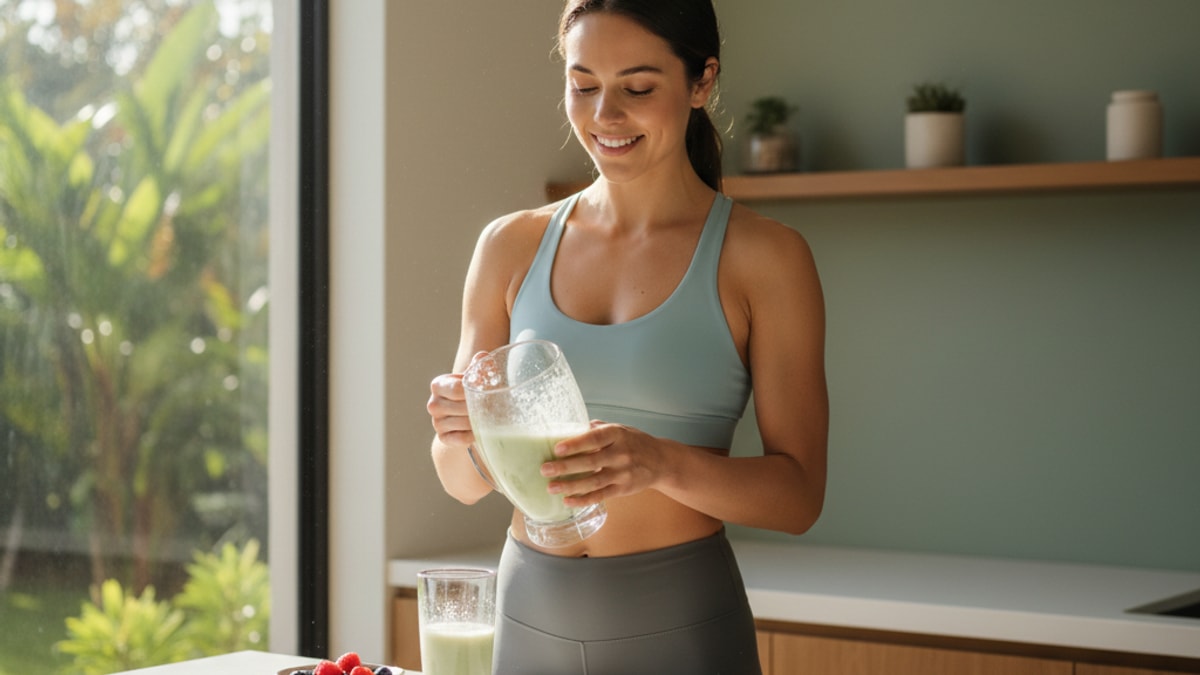
The supplement aisle in 2026 is a dizzying landscape of promises. Jars of brightly colored powders scream about building muscle, shedding fat, and transforming your life with a single scoop. It’s overwhelming. And frankly, a lot of it is just noise. The search for 'what is a good protein supplement for weight loss' often leads people down a rabbit hole of conflicting advice and slick marketing, leaving them more confused than when they started.
Here at TrimrX, our perspective is grounded in medical science and years of clinical experience. We see protein supplements not as a magic bullet, but as a formidable tool within a larger, more intelligent strategy. For our patients, especially those on medically-supervised programs utilizing advanced GLP-1 medications like Semaglutide and Tirzepatide, proper protein intake isn't just helpful—it's a critical, non-negotiable element for achieving sustainable, high-quality weight loss. It's about losing fat, not just weight. And that's a monumental difference.
Why Protein is Foundational for Fat Loss
Before we even touch a shaker bottle, let's get one thing straight: you can't out-supplement a poor diet. But once your nutritional foundation is solid, protein becomes your most powerful ally. Its role in weight management is multifaceted, and understanding these functions is key to using it effectively.
First, there's satiety. It’s a simple concept with profound implications. Protein is, calorie for calorie, the most satiating macronutrient. This means it helps you feel fuller for longer. A mid-afternoon protein shake is far more likely to crush cravings and carry you to dinner than a carb-heavy snack that can lead to a blood sugar spike and subsequent crash. For individuals whose hunger signals are being recalibrated by GLP-1 medications, this effect is amplified. It helps ensure the smaller meals you consume are satisfying and nutrient-dense.
Then there's the Thermic Effect of Food (TEF). Your body actually burns calories to digest and metabolize the food you eat. Protein has the highest TEF of all macronutrients. Roughly 20-30% of the calories from protein are expended during its digestion. While this won't be the primary driver of your fat loss, it's a metabolic advantage that adds up over time, contributing to a more favorable energy balance.
But here's the part we can't stress enough, especially in the context of significant weight loss: muscle preservation. When you're in a calorie deficit, your body looks for energy. It will burn fat, which is great, but it can also start breaking down precious muscle tissue. This is a catastrophic outcome. Losing muscle slows your metabolism, makes you weaker, and leads to the dreaded 'skinny fat' look. Protein provides the essential amino acids your body needs to repair and maintain lean muscle mass, ensuring that the weight you lose is overwhelmingly fat. It's about sculpting your physique, not just shrinking the number on the scale.
We've seen it work. It's the key.
The Main Contenders: Whey, Casein, and Plant-Based Proteins
Not all protein is created equal. The source, processing, and digestion speed all play a role in determining the right fit for your goals. Let's break down the major players you'll encounter in 2026.
Whey Protein: The Fast-Acting Classic
Whey is the undisputed king of the protein world for a reason. A byproduct of cheese production, it's a complete protein loaded with all nine essential amino acids, including a high concentration of Branched-Chain Amino Acids (BCAAs), which are vital for muscle synthesis. Its primary characteristic is its rapid absorption rate.
- Whey Concentrate: This is the most basic form. It's typically around 70-80% protein by weight, with the remainder being a small amount of lactose (milk sugar) and fat. It's the most affordable and often has the best taste, but if you're sensitive to lactose, it might cause some digestive issues.
- Whey Isolate: This is a more filtered version where most of the lactose and fat have been removed, yielding a protein content of 90% or higher. Our team often recommends whey isolate as the go-to for weight loss. Why? Because you get a higher dose of pure protein with fewer carbs and fats per scoop. It's incredibly efficient.
- Whey Hydrolysate: This form has been 'pre-digested' with enzymes, breaking the protein into smaller peptides for the fastest possible absorption. While technically superior for rapid delivery, the difference for the average person is negligible, and it comes with a significantly higher price tag and a more bitter taste. For most weight loss goals, it's overkill.
Casein Protein: The Slow-Burn Specialist
If whey is the sprinter, casein is the marathon runner. It's the other protein found in milk, making up about 80% of its protein content. When you consume casein, it forms a gel-like substance in your stomach, leading to a much slower, sustained release of amino acids into your bloodstream—sometimes for up to seven hours.
This slow-and-steady nature makes it a terrible choice for post-workout recovery but an impeccable one for other scenarios. We've found that a small casein shake in the evening can be a game-changer for patients struggling with late-night hunger pangs. It provides a feeling of fullness that lasts, preventing mindless snacking before bed. It can also be an excellent base for a meal replacement smoothie, providing prolonged satiety that a fast-absorbing whey protein simply can't match.
Plant-Based Proteins: The Modern Powerhouses
The plant-based protein market has exploded, and the quality in 2026 is light-years ahead of where it was a decade ago. These are fantastic options for vegans, those with dairy allergies, or anyone looking to diversify their protein sources.
However, there's a nuance here: amino acid profiles. Many single-source plant proteins (like brown rice or hemp) are 'incomplete,' meaning they are low in one or more essential amino acids. The solution? Blends. Modern plant-based supplements almost always combine multiple sources, like pea and brown rice, to create a complete amino acid profile that rivals whey.
- Pea Protein: Rich in BCAAs and digests easily.
- Soy Protein: A complete protein on its own, but its phytoestrogen content remains a topic of debate (though moderate consumption is considered safe for most).
- Hemp Protein: A great source of healthy fats and fiber, but lower in protein content per scoop.
- Blends (The Best Choice): Our experience shows that a blend of pea and rice protein offers the best of all worlds—a robust amino acid profile, good digestibility, and a neutral flavor base that works well in shakes.
Comparison Table: Your Protein Cheat Sheet
To simplify things, here’s a straightforward comparison our team put together to help you visualize the differences.
| Feature | Whey Protein Isolate | Casein Protein | Plant-Based Blend (Pea/Rice) |
|---|---|---|---|
| Digestion Speed | Very Fast (30-60 minutes) | Very Slow (4-7 hours) | Moderate |
| Best Use Case | Post-workout recovery, quick protein boost. | Before bed, meal replacement, prolonged satiety. | Any time of day, for dairy-free/vegan individuals. |
| Key Benefit for Weight Loss | Rapidly delivers muscle-repairing amino acids with low carbs/fat. | Crushes cravings and keeps you full for hours. | Highly digestible, allergen-friendly, sustainable source. |
| Potential Downside | Can cause digestive issues for the lactose-sensitive. | Can have a gritty texture; not ideal post-workout. | Single-source options may be incomplete; blends are best. |
What to Look For on the Label (And What to Run From)
This is where you separate the high-quality tools from the cheap junk. Reading a supplement label shouldn't require a chemistry degree. Here's what we tell our patients to look for.
The Green Flags:
- Third-Party Certification: Look for seals from organizations like NSF Certified for Sport or Informed-Choice. This is a non-negotiable. It means an independent company has verified that what's on the label is actually in the bottle and that it's free from contaminants. It's your guarantee of quality and safety.
- Minimal Ingredients: The best protein powders have short ingredient lists. You should see the protein source (e.g., Whey Protein Isolate), a natural flavor, a natural sweetener, and maybe a thickening agent like sunflower lecithin. That’s it. If the list is a paragraph long, be skeptical.
- Low Sugar Content: Aim for a powder with less than 2-3 grams of sugar per serving. Many companies load their products with sugar to improve taste, which completely defeats the purpose if your goal is weight loss.
The Red Flags:
- Proprietary Blends: If you see the words "Proprietary Blend," put the container down. This allows companies to hide the exact amounts of each ingredient, often masking a formula that is primarily cheap filler.
- Artificial Sweeteners & Colors: While sweeteners like sucralose and acesulfame potassium are generally recognized as safe, a growing number of people experience digestive upset or prefer to avoid them. In 2026, there are plenty of excellent options sweetened naturally with stevia or monk fruit.
- Amino Spiking: This is a deeply deceptive industry practice where manufacturers add cheap, non-protein amino acids like glycine or taurine to their powders. These compounds register as nitrogen in lab tests, artificially inflating the protein content reported on the label. A huge red flag is seeing these amino acids listed separately in the ingredients.
How Protein Fits into a Medically-Supervised Weight Loss Journey
Now, let's bring this all back to the TrimrX approach. A protein supplement isn't the program. It's a strategic component that enhances the results of a comprehensive, medically-guided plan.
When you're using powerful and effective GLP-1 medications, your relationship with food changes dramatically. Appetite is significantly reduced. This is a massive advantage for weight loss, but it also creates a new challenge: ensuring you get adequate nutrition from a lower volume of food. Nutrient density becomes the name of the game. Every single calorie has to work for you.
This is precisely where a high-quality protein supplement becomes an invaluable asset. On a day when a full meal of chicken breast and broccoli feels like a formidable task, a simple, easy-to-drink protein shake can deliver 25-30 grams of high-quality protein with minimal volume and effort. It's pure efficiency. It ensures you're hitting your protein targets to protect that precious, metabolism-driving muscle mass while the medication and your calorie deficit take care of the fat.
This is the kind of nuanced, personalized strategy we build with our patients. It's about using every tool at our disposal to maximize results safely and sustainably. If you're tired of the guesswork and ready to see how a comprehensive approach can transform your health, perhaps it's time to learn more. You can Start Your Treatment Now and have a conversation with our medical team.
Perfecting Your Timing and Dosage
People used to be obsessed with the post-workout "anabolic window," racing to slam a shake within 30 minutes of their last rep. Modern science has shown us that while post-workout protein is beneficial, the window is much wider than we thought, and your total daily protein intake is far more important.
For weight loss, the goal is consistency. Spreading your protein intake throughout the day is a much more effective strategy. This keeps you consistently satiated and provides a steady stream of amino acids for your muscles.
So, how much do you need? A general guideline for active individuals seeking to lose fat is around 1.2 to 1.6 grams of protein per kilogram of body weight (or about 0.5 to 0.7 grams per pound). However, this is just a starting point. Individual needs can vary based on activity level, age, and overall health. This is a conversation you should have with your healthcare provider—someone who understands your unique medical history and goals.
Instead of fixating on one massive shake, think about incorporating 20-40 grams of protein at each meal and snack. This could look like:
- Greek yogurt for breakfast.
- A grilled chicken salad for lunch.
- A whey protein shake as a mid-afternoon snack.
- A piece of salmon for dinner.
It's about the cumulative effect. The consistency. That's what drives real, lasting change.
Choosing a protein supplement doesn't have to be a bewildering ordeal. By understanding the fundamental differences between the types and learning how to read a label with a critical eye, you can select a product that genuinely supports your journey. Remember, it's a supplement—designed to supplement a solid nutritional plan and a healthy lifestyle. It’s a powerful tool, but you're the one who has to build the house. When combined with a medically-supervised strategy, it can help ensure the house you build is strong, lean, and made to last.
Frequently Asked Questions
Can protein powder make me bulky if I’m trying to lose weight?
▼
No, this is a common myth. Gaining bulky muscle requires a significant calorie surplus and intense, heavy resistance training. For weight loss, protein powder helps preserve the lean muscle you already have while you’re in a calorie deficit, which is crucial for maintaining a healthy metabolism.
Is whey or casein better for weight loss?
▼
Neither is inherently ‘better’; they serve different purposes. Whey is great for a quick protein boost with low carbs and fat, like after a workout. Casein is excellent for prolonged satiety, making it ideal for a meal replacement or before bed to curb cravings.
How much protein do I actually need per day for weight loss?
▼
A general guideline is 1.2-1.6 grams of protein per kilogram of body weight. However, your specific needs depend on your activity level, age, and overall health. We always recommend consulting with a healthcare professional to determine your optimal intake.
Can I use a protein shake as a meal replacement?
▼
You can, but it should be done strategically. A simple scoop of protein in water lacks the fiber, fats, and micronutrients of a whole meal. If you do use it as a replacement, consider blending it with things like spinach, chia seeds, and a healthy fat source like avocado to make it more nutritionally complete.
Are plant-based proteins as effective as whey for building muscle?
▼
Yes, high-quality plant-based protein blends (like pea and rice) that provide a complete amino acid profile have been shown to be just as effective as whey for muscle synthesis and support. The key is to choose a blend rather than a single incomplete source.
Will drinking protein shakes damage my kidneys?
▼
For individuals with healthy, functioning kidneys, a high-protein diet is perfectly safe. The myth that it causes kidney damage has been widely debunked. If you have a pre-existing kidney condition, you should absolutely consult your doctor before increasing your protein intake.
What’s the best time to drink a protein shake for weight loss?
▼
While post-workout is an option, for weight loss, the best time is whenever it helps you meet your daily protein goals and manage hunger. Many people find a mid-afternoon shake helps prevent snacking, while others use it before bed to stay full overnight.
Do I need a protein supplement if I’m on a GLP-1 medication like Semaglutide?
▼
While not strictly necessary, it is highly recommended. GLP-1 medications reduce appetite, making it challenging to eat enough whole-food protein to prevent muscle loss. A supplement is an incredibly efficient and easy way to meet your protein needs and ensure you’re losing fat, not muscle.
What should I mix my protein powder with?
▼
For the lowest calorie option, mix it with water or unsweetened almond milk. For a more substantial shake or meal replacement, you can blend it with milk (dairy or plant-based), fruit, and a source of healthy fat like nut butter or avocado.
Is collagen a good protein supplement for weight loss?
▼
Collagen is not a complete protein and lacks the essential amino acids needed for muscle synthesis. While it has benefits for skin, hair, and joints, it should not be used as your primary protein source for preserving muscle during weight loss. Think of it as a supportive supplement, not a foundational one.
How do I choose a protein powder that tastes good?
▼
Taste is highly subjective, so we recommend starting with single-serving packets from a few reputable brands to see what you like. Generally, whey proteins tend to have a smoother texture, while some plant-based proteins can be a bit grittier. Reading recent reviews from 2025 or 2026 can also help.

Transforming Lives, One Step at a Time
Keep reading

Do You Need a Prescription for GLP-1s? The 2026 Answer
Wondering ‘do you need a prescription for glp 1’ in 2026? Yes. We explain why a doctor’s oversight is critical for safe, effective results.

How to Get GLP-1 Covered By Insurance: Our 2026 Playbook
Struggling with how to get glp-1 covered by insurance? Our 2026 guide breaks down prior authorizations, appeals, and documentation.

Traveling with GLP-1s in 2026: Your Essential Trip-Proof Plan
Don’t let travel disrupt your GLP-1 treatment. Learn how to travel with glp 1 medications safely and stress-free in our 2026 expert guide.


