What is a Normal Ozempic® Dose? Navigating Your Personalized Path to Health
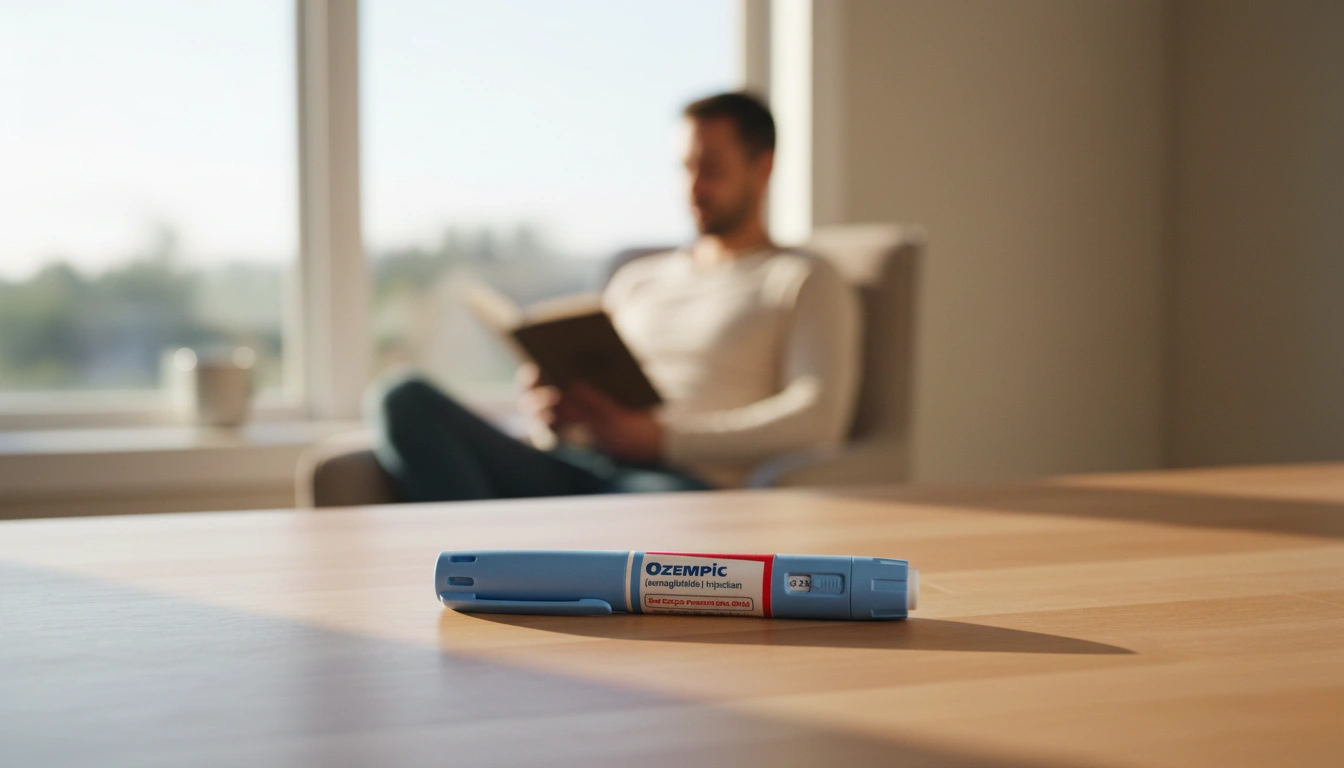
Striving for a healthier life often feels like navigating a complex maze, especially when it comes to managing health conditions like type 2 diabetes or seeking effective weight management. Many individuals find themselves pondering questions about new medications, particularly around “what is normal Ozempic® dose?” This isn’t just a clinical query; it’s a question about finding stability, effectiveness, and safety in a journey toward improved well-being. The dosage of any powerful medication is a cornerstone of its efficacy and safety, influencing everything from how well it works to how comfortably it integrates into your daily life.
In this comprehensive guide, we’ll delve into the specifics of Ozempic® dosing, exploring not just the standard guidelines but also the crucial factors that make each individual’s “normal” dose unique. We will uncover how healthcare providers determine the right starting point and how dosages are carefully adjusted over time, always with your health and progress in mind. Our purpose is to demystify the Ozempic® dosing schedule, providing clarity and empowering you with the knowledge needed to engage confidently with your health journey. We’ll also highlight how TrimRx supports this personalized approach, merging cutting-edge telehealth innovations with effective weight loss solutions, ensuring that your path to sustainable health is scientifically backed, empathetically guided, and transparently managed.
By the end of this article, you will have a deep understanding of Ozempic®’s role in health management, the nuances of its dosing, and how a personalized, medically supervised program can make all the difference. We believe that sustainable weight loss and health management should be achieved through science, empathy, and a transparent approach, and we are here to support you every step of the way.
Understanding Ozempic®: More Than Just a Medication
Ozempic® is a widely recognized brand-name prescription medication that has revolutionized the approach to managing type 2 diabetes and associated health risks. Approved by the Food and Drug Administration (FDA) for specific uses, it offers a multi-pronged benefit that extends beyond simple blood sugar control.
What Ozempic® Does: A Multifaceted Approach to Health
At its core, Ozempic® is prescribed to help adults with type 2 diabetes improve their blood sugar levels, especially when used in conjunction with a healthy diet and regular exercise. But its benefits don’t stop there. For individuals with type 2 diabetes and established cardiovascular disease (conditions affecting the heart or blood vessels), Ozempic® plays a critical role in reducing the risk of major heart-related problems, such as heart attack and stroke. Furthermore, it is also approved to help reduce the risk of worsening kidney disease and death from cardiovascular disease in adults with type 2 diabetes and chronic kidney disease. This comprehensive approach underscores the medication’s profound impact on overall health for eligible individuals.
The Active Ingredient: Semaglutide and GLP-1 Agonists
The power behind Ozempic® lies in its active ingredient, semaglutide. This compound belongs to a class of medications known as glucagon-like peptide-1 (GLP-1) receptor agonists. GLP-1 is a natural hormone in your body that plays a crucial role in regulating blood sugar and appetite. When you take Ozempic®, semaglutide mimics the action of this natural hormone, leading to several beneficial effects:
- Stimulates Insulin Release: It prompts the pancreas to release insulin when blood sugar levels are high, helping to lower them.
- Decreases Glucagon Secretion: It reduces the amount of glucagon, another hormone that raises blood sugar, produced by the pancreas.
- Slows Gastric Emptying: By slowing down how quickly food leaves the stomach, it can help manage blood sugar spikes after meals and contributes to a feeling of fullness.
- Affects Appetite Regulation: Semaglutide impacts areas in the brain that regulate appetite, which can lead to reduced food intake and, for some, significant weight loss.
This intricate mechanism of action explains why Ozempic® is so effective, not just in glycemic control but also in supporting broader health goals, including weight management. It’s a testament to how advanced medical science, combined with an understanding of the body’s natural processes, can provide powerful tools for health. For those looking to support their body’s natural processes, our GLP-1 Daily Support supplement is designed to complement your wellness journey by providing essential nutrients.
The Core Question: What is a Normal Ozempic® Dose?
When considering a medication like Ozempic®, one of the first questions that comes to mind for many is, “what is normal Ozempic® dose?” The answer, while seemingly straightforward, involves a careful, step-by-step process designed to ensure both effectiveness and patient comfort. There isn’t a single “normal” dose that applies to everyone from day one; instead, it’s a journey toward finding the optimal individualized dosage.
The Titration Principle: Starting Low, Going Slow
The approach to Ozempic® dosing is based on a principle called “titration.” This means that treatment typically begins with a very low starting dose, which is then gradually increased over several weeks or months. This “start low, go slow” strategy is crucial for several reasons:
- Minimizing Side Effects: GLP-1 receptor agonists can sometimes cause gastrointestinal side effects like nausea, vomiting, or diarrhea, especially when first introduced or when the dose is increased too quickly. Starting with a low dose allows your body to adjust to the medication, reducing the likelihood and severity of these initial reactions.
- Assessing Tolerance: It helps your healthcare provider evaluate how well your body tolerates the medication at each dose level.
- Finding the Minimum Effective Dose: The goal is to find the lowest possible dose that effectively manages your blood sugar and/or provides other desired benefits, such as cardiovascular protection or support for weight management. This personalized approach is a hallmark of safe and effective medical care.
Typical Dosing Schedules: A General Overview
Ozempic® is administered as a subcutaneous injection once a week. The pens come in different strengths, delivering specific doses. Here’s a general outline of typical dosing schedules, though it’s vital to remember that your doctor will tailor this to your unique needs.
For Blood Sugar Management and Cardiovascular Risk Reduction
For adults with type 2 diabetes, with or without established cardiovascular disease, the common titration schedule progresses as follows:
- Starting Dose: You will typically begin with a dose of 0.25 mg once weekly for the first four weeks. This initial period is primarily for your body to adapt to the medication.
- First Increase: After four weeks, your dose is usually increased to 0.5 mg once weekly. Your healthcare provider will often recommend staying at this dose for at least another four weeks to observe your response and continued tolerance.
- Further Increases (If Needed): If your blood sugar levels are not adequately managed after at least four weeks at 0.5 mg, your doctor may consider increasing the dose to 1 mg once weekly. Similarly, if further control is needed, the dose may be increased to 2 mg once weekly.
- Maximum Dose: The maximum recommended dose for Ozempic® is 2 mg once weekly.
It is important that any dosage increase occurs every four weeks, allowing sufficient time for your body to adjust and for your healthcare provider to assess the medication’s impact.
For Reducing Risk of Worsening Kidney Disease
For individuals with type 2 diabetes and chronic kidney disease, where Ozempic® is used to reduce the risk of worsening kidney disease and cardiovascular death, the dosing schedule often follows a similar titration, but with a specific maintenance target:
- Starting Dose: 0.25 mg once weekly for four weeks.
- Intermediate Dose: 0.5 mg once weekly for at least four weeks.
- Recommended Maintenance Dose: 1 mg once weekly. While higher doses are possible for blood sugar management, the recommended maintenance dose for kidney protection in this context is typically 1 mg.
The Concept of a “Normal” Dose: It’s All About You
When we talk about “what is normal Ozempic® dose,” it’s less about a universal standard and more about what is normal for you. Your normal dose is the lowest effective dose that helps you achieve your health goals with minimal side effects.
Why Individualization is Key
Every individual’s body responds to medication differently due to a myriad of factors, including:
- Metabolism: How quickly your body processes and eliminates the medication.
- Severity of Condition: The extent of your type 2 diabetes, kidney disease, or cardiovascular risk.
- Other Health Conditions: Co-existing health issues can influence medication response.
- Lifestyle: Diet, exercise, and overall activity levels play a significant role.
This is precisely why a one-size-fits-all approach doesn’t work. The journey to finding your normal Ozempic® dose is a collaborative process between you and your healthcare provider, focusing on careful observation and adjustment. At TrimRx, our journey began with a shared vision to help individuals embrace healthier lifestyles by merging cutting-edge telehealth innovations with effective weight loss solutions. We understand that your “normal” is unique, and our platform is a user-friendly and supportive space where individuals receive personalized, medically supervised care, all designed to make sustainable weight loss attainable and tailored to the individual. To truly understand if Ozempic®, or any other prescription weight loss medication, is right for you, we encourage you to take our free assessment quiz.
Factors Influencing Your Ozempic® Dosage
Beyond the typical titration schedule, several individual factors can significantly influence what is considered a normal Ozempic® dose for you. Your healthcare provider meticulously considers these elements to craft a treatment plan that is both safe and maximally effective.
Existing Health Conditions
The presence and severity of other health conditions are paramount in determining your Ozempic® dosage. For example:
- Kidney Function: While Ozempic® is beneficial for kidney protection in certain contexts, individuals with impaired kidney function may require careful monitoring and potentially different dose adjustments, especially if experiencing severe side effects like dehydration. Your doctor will assess your kidney function before starting treatment.
- History of Pancreatitis or Thyroid Issues: These conditions, though rare, can influence the suitability and dosing of Ozempic® due to potential interactions or exacerbations.
TrimRx is committed to providing compassionate care that respects every individual’s unique journey. Our advanced medical science and modern technology ensure that your health history is thoroughly evaluated to determine the safest and most effective path forward.
Other Medications and Interactions
It’s crucial to inform your healthcare provider about all medications, supplements, and even herbal remedies you are currently taking. Certain drugs can interact with Ozempic®, potentially affecting its efficacy or increasing the risk of side effects. For instance:
- Insulin or Sulfonylureas: If you are also taking insulin or other medications that stimulate insulin release (like sulfonylureas), your doctor might need to adjust their dosages to prevent hypoglycemia (dangerously low blood sugar).
- Oral Medications: Because Ozempic® slows gastric emptying, it can potentially affect the absorption of other oral medications. Your doctor will consider this when prescribing.
Our comprehensive service includes thorough doctor consultations and lab work to identify any potential interactions and ensure your treatment plan is harmonized with your existing health regimen.
Your Body’s Response and Side Effects
Individual responses to Ozempic® can vary widely. While some individuals tolerate dose increases easily, others might experience more pronounced side effects.
- Gastrointestinal Symptoms: Nausea, vomiting, diarrhea, or constipation are common, especially during initial titration. If these become severe or persistent, your doctor may decide to hold a dose increase or even temporarily reduce your dose.
- Blood Sugar Levels: Your ongoing blood sugar readings are a direct indicator of the medication’s effectiveness. Consistent monitoring allows your doctor to see if your current dose is achieving the desired glycemic control.
Open communication with your healthcare provider about how you feel is essential. Your feedback directly informs dosage adjustments, guiding the path to your personal “normal Ozempic® dose.”
The Role of Your Healthcare Provider
Ultimately, your healthcare provider is the most critical factor in determining your Ozempic® dosage. They combine their medical expertise with your individual health profile, lifestyle, and treatment goals to make informed decisions. They will:
- Conduct Thorough Assessments: Including medical history review, physical exams, and lab tests.
- Monitor Progress: Regularly check your blood sugar, weight, and overall well-being.
- Adjust Dosing: Incrementally increase your dose, if appropriate, based on your response and tolerance.
- Provide Guidance: Offer detailed instructions on administration, potential side effects, and what to do in various scenarios.
TrimRx emphasizes a trusting partnership. Our platform provides unlimited support, ensuring you always have access to guidance and expert care throughout your weight loss and health management journey. We believe in transparent service, highlighting that our approach remains consistent regardless of dosage changes. To start your journey with personalized, medically supervised care, take our free assessment quiz.
Navigating Your Treatment with TrimRx: Our Approach to Personalized Care
Understanding “what is normal Ozempic® dose” is just one piece of a larger, more intricate puzzle: your personalized health journey. At TrimRx, we recognize that true health transformation isn’t found in generic solutions but in individualized care that considers every facet of your unique situation.
Our Commitment to Science, Empathy, and Transparency
Our foundation at TrimRx is built on a shared vision: to empower individuals to embrace healthier lifestyles. We achieve this by seamlessly merging cutting-edge telehealth innovations with clinically proven, effective weight loss solutions. Our commitment is unwavering, guided by three core values:
- Science: We leverage the latest medical research and clinically proven medications and supplements to ensure our programs are effective and safe. We work exclusively with FDA-registered and inspected pharmacies for the shipping of weight loss medications, ensuring the highest standards of quality and safety.
- Empathy: We believe that every individual’s journey is unique, often filled with challenges and triumphs. Our compassionate care respects these personal narratives, offering a supportive environment where you feel understood and valued.
- Transparency: From the moment you engage with us, our processes are clear. We highlight our commitment to transparent service—our approach remains consistent regardless of dosage changes, and we always outline what our comprehensive service includes: doctor consultations, medication, lab work, unlimited support, and shipping, with absolutely no hidden fees.
The TrimRx Personalized Assessment: Your First Step
For those considering prescription weight loss medications like Ozempic®, Compounded Semaglutide, Oral Semaglutide, Compounded Tirzepatide, Oral Tirzepatide, Mounjaro®, Zepbound®, or Wegovy®, the first step is always personalization. We don’t believe in a one-size-fits-all approach.
Our free, in-depth assessment quiz is designed to gather essential information about your health history, current medications, lifestyle, and goals. This crucial step allows our medical professionals to determine your eligibility and craft a personalized treatment plan tailored specifically to your needs. This is where your unique “normal Ozempic® dose” or the most appropriate alternative medication will be carefully considered.
Ready to discover your personalized path? Take our free assessment quiz today to see if you qualify for our prescription weight loss medications.
Our Comprehensive Support: Beyond the Prescription
Receiving a prescription is only the beginning. We understand that sustainable weight loss requires ongoing support and guidance. Our program goes beyond just providing medication; we offer a holistic suite of services designed to ensure your success:
- Medically Supervised Care: Our team of experienced healthcare professionals provides continuous oversight, adjusting your plan as needed and addressing any concerns.
- Unlimited Support: You’ll have access to our supportive team, ready to answer your questions and provide encouragement throughout your journey.
- Convenience: Our telehealth model brings expert care directly to you, eliminating the need for frequent in-person appointments.
- Safety First: We partner with FDA-registered and inspected pharmacies for the shipping of your medications, ensuring that what you receive is of the highest quality. (It’s important to clarify that while branded medications like Ozempic®, Mounjaro®, Wegovy®, and Zepbound® are FDA-approved, compounded medications are not FDA-approved.)
Our brand is empathetic, innovative, trustworthy, supportive, results-oriented, and personalized. We combine advanced medical science with modern technology to deliver a compassionate and effective weight loss experience.
Practical Guidance for Ozempic® Administration
Once you and your healthcare provider have determined what is a normal Ozempic® dose for you, understanding how to properly administer the medication is crucial for its effectiveness and your comfort. Ozempic® comes in prefilled, disposable pens designed for once-weekly subcutaneous (under the skin) injection.
Injection Sites and Rotation
Choosing and rotating your injection sites correctly can help prevent skin irritation and ensure consistent absorption of the medication. The recommended sites for Ozempic® injection are:
- Abdomen: This is a common and often preferred site, typically offering good absorption. Avoid injecting too close to the navel.
- Thigh: The front of your thigh is another suitable area.
- Upper Arm: The back of your upper arm can also be used, though some individuals may find it easier to have assistance for this site.
Key Rule: Always rotate your injection site with each weekly dose. If you choose to inject in the same general area (e.g., the abdomen), make sure to select a different spot within that area each time. This helps prevent lipohypertrophy (lumps under the skin) and ensures optimal absorption. Do not inject into moles, scars, or areas with broken skin. Clean the chosen site with an alcohol swab before injecting.
Mastering Your Weekly Schedule
Consistency is paramount when taking Ozempic®. You should inject your dose on the same day each week. For example, if you take your first dose on a Monday morning, plan to take all subsequent doses on Monday mornings.
- Time of Day: You can take your dose at any time of day, with or without food. The most important thing is to pick a time that works reliably for your routine.
- Reminders: Use phone alarms, calendar reminders, or medication tracker apps to help you remember your weekly injection. This ensures you maintain a consistent amount of the drug in your body, which is vital for sustained efficacy.
What to Do If You Miss a Dose
Life happens, and sometimes a dose might be missed. Here’s what to do:
- Within 5 Days: If fewer than five days have passed since your missed dose, take the missed dose as soon as you remember. Then, resume your regular once-weekly dosing schedule.
- More Than 5 Days: If more than five days have passed since your missed dose, skip the missed dose entirely. Do not take two doses at once, as this can lead to an overdose and severe hypoglycemia. Simply wait and administer your next dose on your regularly scheduled day.
Always communicate any missed doses with your healthcare provider, especially if it happens frequently, so they can offer guidance and ensure your treatment remains on track.
Proper Storage and Handling
Correct storage and handling of your Ozempic® pens are vital to maintain the medication’s integrity and effectiveness:
- New, Unused Pens: Store new, unopened Ozempic® pens in the refrigerator at temperatures between 36°F and 46°F (2°C to 8°C).
- Pen in Use: Once you start using a pen, you can store it at room temperature (between 59°F and 86°F / 15°C to 30°C) or in the refrigerator (36°F to 46°F / 2°C to 8°C) for up to 56 days (8 weeks). After 8 weeks, discard the pen, even if there is medication remaining.
- Do Not Freeze: Never freeze Ozempic®. If the medication has been frozen, do not use it.
- Protection: Always keep your Ozempic® pens protected from heat and light.
- Disposal: After each injection, dispose of the used needle in an FDA-approved sharps disposal container or a sturdy plastic container with a tight-fitting lid. Never recap needles to avoid accidental needle sticks.
Following these practical guidelines ensures that you are administering your Ozempic® dose safely and effectively, contributing significantly to the success of your personalized health plan. For additional support on managing your weight loss journey, consider our Weight Loss Boost supplement, designed to offer immediate support.
The Broader Context: Ozempic® for Weight Management
While we’ve focused on “what is normal Ozempic® dose” primarily for its FDA-approved indications in type 2 diabetes and cardiovascular/kidney risk reduction, it’s widely known that many individuals experience significant weight loss while on Ozempic®. This aspect has led to considerable discussion and interest in its role in weight management.
FDA Approval vs. Off-Label Use
It’s crucial to understand the distinction between FDA-approved uses and “off-label” use:
- FDA-Approved Uses for Ozempic®: As previously discussed, Ozempic® (semaglutide) is FDA-approved to improve blood sugar control in adults with type 2 diabetes, and to reduce the risk of major cardiovascular events and worsening kidney disease in specific populations with type 2 diabetes.
- Weight Loss and Off-Label Use: While weight loss is a common and often beneficial side effect of Ozempic®, the medication itself is not FDA-approved specifically for weight loss. When doctors prescribe a medication for a purpose other than its FDA-approved indications, it is referred to as “off-label” use. Healthcare providers may choose to prescribe Ozempic® off-label for weight management based on their clinical judgment and the patient’s individual needs, but it’s important for patients to be aware that this is not its primary approved indication.
Many patients with type 2 diabetes naturally experience weight loss as a positive outcome of improved glycemic control with Ozempic®, demonstrating its multifaceted benefits.
The Connection to Wegovy® and Semaglutide
The active ingredient in Ozempic® is semaglutide. This same active ingredient is also found in another medication, Wegovy®, which is FDA-approved specifically for chronic weight management in adults with obesity or who are overweight with at least one weight-related condition.
- Shared Active Ingredient, Different Indications: Both Ozempic® and Wegovy® contain semaglutide, but they are prescribed for different primary purposes and typically have different dosing schedules and maximum doses for their respective approved uses.
- Do Not Use Both Concurrently: It is very important that you do not use Ozempic® and Wegovy® at the same time, as this would mean taking a double dose of semaglutide and could significantly increase your risk of side effects. Your healthcare provider will determine the most appropriate medication for your specific health goals.
At TrimRx, we offer a range of personalized prescription weight loss solutions, including Ozempic® and Wegovy®, as well as Compounded Semaglutide, Oral Semaglutide, Compounded Tirzepatide, Oral Tirzepatide, Mounjaro®, and Zepbound®. Our free assessment quiz helps determine which medication, if any, is best suited for your unique journey. Take our free assessment quiz to explore your options.
Supporting Your Journey: Quick-Access Supplements
Whether you are on a prescription weight loss program or are simply looking for additional support for your overall wellness during your health journey, TrimRx offers quick-access supplements that do not require a quiz or prescription.
- GLP-1 Daily Support: This supplement is formulated to provide essential nutrients that complement your body’s natural processes, supporting overall metabolic health. It’s a convenient option for those seeking to enhance their wellness journey. Learn more and purchase our GLP-1 Daily Support.
- Weight Loss Boost: Designed to provide immediate support, our Weight Loss Boost supplement offers a blend of ingredients aimed at supporting your weight management efforts and energy levels. Discover more and purchase our Weight Loss Boost.
These supplements are designed to integrate seamlessly into your lifestyle, offering accessible support for your pursuit of a healthier you.
Potential Considerations and Safety Information
While Ozempic® offers significant benefits, understanding potential considerations and safety information is a vital part of finding what is normal Ozempic® dose for you and maintaining a successful treatment journey. Open communication with your healthcare provider about any concerns is always paramount.
Recognizing Potential Side Effects
Like all medications, Ozempic® can cause side effects. Most are mild and often subside as your body adjusts to the medication, especially during the initial titration phase. Common side effects often involve the gastrointestinal system:
- Nausea, Vomiting, Diarrhea, Constipation: These are the most frequently reported side effects. Starting with a low dose and gradually increasing it helps to mitigate these.
- Abdominal Pain: Some individuals may experience discomfort in the stomach area.
Less common but more serious side effects warrant immediate medical attention. These include:
- Pancreatitis: Characterized by severe, persistent stomach pain that may radiate to the back, with or without vomiting.
- Gallbladder Problems: Symptoms like severe stomach pain, fever, yellow eyes or skin, or clay-colored stools.
- Thyroid C-Cell Tumors (including Medullary Thyroid Carcinoma): Ozempic® has caused thyroid C-cell tumors in rats and mice. It is unknown if Ozempic® causes these tumors, including a type of thyroid cancer called medullary thyroid carcinoma (MTC), in people. Do not use Ozempic® if you or any of your family have a history of MTC, or if you have Multiple Endocrine Neoplasia syndrome type 2 (MEN 2). Report any lumps or swelling in your neck, hoarseness, trouble swallowing, or shortness of breath to your doctor immediately.
- Hypoglycemia (Low Blood Sugar): While Ozempic® generally doesn’t cause low blood sugar on its own, the risk increases significantly if you are also taking other diabetes medications, particularly insulin or sulfonylureas. Symptoms can include dizziness, headache, shaking, mood changes, and confusion.
- Kidney Problems: Dehydration, often due to severe vomiting or diarrhea, can sometimes lead to acute kidney injury.
- Serious Allergic Reactions: Symptoms like swelling of the face, lips, tongue, or throat, trouble breathing or swallowing, severe rash, or a very fast heartbeat.
Always discuss any new or worsening symptoms with your healthcare provider promptly.
Overdose: A Serious Concern
Using more Ozempic® than prescribed can lead to serious consequences, particularly severe hypoglycemia (dangerously low blood sugar). Because Ozempic® is a long-acting medication, its effects can persist for an extended period, meaning hypoglycemia could last for a prolonged time.
- Symptoms of Hypoglycemia: These include dizziness, lightheadedness, confusion, blurred vision, sweating, rapid heartbeat, slurred speech, hunger, and shakiness.
- Action in Case of Overdose: If you suspect you have used too much Ozempic®, seek immediate medical attention. Contact your doctor or emergency services right away.
It’s vital to adhere strictly to your prescribed dosage and never try to increase your dose on your own.
The Importance of Ongoing Monitoring
Your journey with Ozempic® is dynamic and requires ongoing monitoring to ensure its continued safety and effectiveness. This includes:
- Regular Doctor Consultations: These allow your healthcare provider to assess your progress, monitor for side effects, and make any necessary dosage adjustments.
- Blood Sugar Monitoring: Regularly checking your blood sugar levels (if applicable to your condition) provides essential data for dose management.
- Lab Work: Periodic lab tests, including those for kidney function, can help ensure your body is responding well and to detect any potential issues early.
At TrimRx, we uphold the highest standards of safety and care. Our commitment to transparent service includes comprehensive doctor consultations and lab work, ensuring you receive medically supervised care throughout your weight loss journey. We work exclusively with FDA-registered and inspected pharmacies, giving you peace of mind about the quality and safety of your prescribed medications.
Conclusion: Your Empowered Journey with TrimRx
Navigating the complexities of medications like Ozempic® and understanding “what is normal Ozempic® dose” can feel overwhelming. However, with the right information, personalized care, and unwavering support, your journey toward improved health can be both clear and empowering. We’ve explored how Ozempic® works, the critical role of individualized dosing through a careful titration process, and the many factors that influence your unique treatment plan. We’ve also emphasized the importance of proper administration, storage, and vigilant monitoring for side effects, all of which contribute to a safe and effective experience.
At TrimRx, we are more than just a provider of medications; we are your partner in health. Our journey began with a vision to help individuals embrace healthier lifestyles by merging cutting-edge telehealth innovations with clinically proven, personalized weight loss solutions. We believe that sustainable weight loss and effective health management are achieved through science, empathy, and a transparent approach. Our platform is designed to be a user-friendly and supportive space where you receive personalized, medically supervised care, ensuring your path is tailored to you.
Whether you’re exploring the possibility of prescription weight loss medications like Ozempic®, Compounded Semaglutide, or Tirzepatide, or seeking immediate support through our quick-access supplements like GLP-1 Daily Support or Weight Loss Boost, we are here to guide you. Our comprehensive service includes doctor consultations, medication, lab work, unlimited support, and shipping with no hidden fees, all delivered with our brand’s empathetic, innovative, trustworthy, and results-oriented personality.
Your health journey is personal, and your path to a healthier you should be too. Take the first step towards a sustainable and effective solution by discovering how our personalized programs can transform your life.
Ready to find your personalized path to health? Take our free assessment quiz today to see if you qualify for our prescription weight loss medications.
Frequently Asked Questions About Ozempic® Dosing
How long does it typically take to reach my maintenance Ozempic® dose?
Reaching your maintenance Ozempic® dose typically involves a gradual titration process, with dose increases occurring approximately every four weeks. This means it can take several weeks to a few months (e.g., 8-12 weeks to reach 1 mg or 12-16 weeks to reach 2 mg, if medically appropriate) to find your optimal “normal Ozempic® dose,” allowing your body to adjust and minimizing side effects.
Can I adjust my Ozempic® dose on my own if I’m not seeing results or experiencing side effects?
No, you should never adjust your Ozempic® dose on your own. All dosage changes must be made by your healthcare provider. They will evaluate your progress, side effects, and overall health to determine if an adjustment is appropriate, ensuring your treatment remains safe and effective.
What should I do if I experience nausea after increasing my Ozempic® dose?
Nausea is a common side effect when starting Ozempic® or after a dose increase, but it often lessens over time as your body adjusts. If you experience nausea, try eating smaller, blander meals, avoiding fatty foods, and staying hydrated. If the nausea is severe or persistent, contact your healthcare provider at TrimRx for guidance; they may recommend staying at your current dose longer or exploring other strategies.
Does the “normal Ozempic® dose” change if I’m taking other medications for type 2 diabetes?
Yes, the normal Ozempic® dose, and possibly the doses of your other diabetes medications, may need to be adjusted if you are taking them concurrently. Your healthcare provider will carefully monitor your blood sugar levels and may reduce the dosage of other medications, particularly insulin or sulfonylureas, to prevent hypoglycemia. Always provide a complete list of all medications to your TrimRx healthcare provider.

Transforming Lives, One Step at a Time
Keep reading

Ozempic Results After One Year: What Long-Term Use Looks Like
A full year on Ozempic puts you in a category that most weight loss approaches never reach: sustained, medically supported treatment that has had…

Ozempic Results at 6 Months: Progress and What Comes Next
Six months on Ozempic is a significant milestone. By this point, most patients have reached a therapeutic dose, worked through the early adjustment period,…

Ozempic Results at 3 Months: What to Realistically Expect
Three months into Ozempic, most people are starting to see results that feel genuinely meaningful. By this point you’ve moved through the starting dose,…


