What Is Compound GLP-1? A Guide to Personalized Weight Loss
Introduction
The search for effective weight loss often feels like a series of closed doors. You might have navigated the frustration of high costs, insurance denials, or the recent, widely reported shortages of brand-name medications. In your research, you have likely come across the term “compound GLP-1” as a potential alternative. At TrimRx, we believe that understanding your options is the first step toward a successful health journey.
This article provides a deep dive into what compound GLP-1 is, how it differs from traditional branded medications, and the safety standards surrounding its production. We will cover the clinical mechanisms of these medications, the role of compounding pharmacies, and how to determine if a personalized program is right for your needs. For additional background, read our guide to what GLP-1 medications are and how they work. This guide is designed to clarify the science and the process behind these medications so you can make an informed decision for your metabolic health.
Understanding the GLP-1 Hormone
To understand what compound GLP-1 is, it is essential to first understand the hormone it mimics. GLP-1 stands for glucagon-like peptide-1. This is a hormone naturally produced in your gut, primarily in response to eating.
When you eat, your body releases GLP-1 to perform several critical functions related to metabolic health. First, it tells your pancreas to release insulin, which helps manage blood sugar levels. Second, it slows down gastric emptying, which is the speed at which food leaves your stomach. This process helps you feel full for a longer period. Finally, the hormone interacts with the “reward centers” in your brain to reduce hunger signals and cravings.
Glucagon-like peptide-1 receptor agonists (GLP-1 RAs) are a class of medications designed to mimic this natural hormone. While the natural hormone stays in your system for only a few minutes, these medications are engineered to last much longer, providing sustained support for weight management and blood sugar control.
Key Takeaway: GLP-1 medications work by mimicking a natural gut hormone that regulates appetite, slows digestion, and helps the body manage insulin more effectively.
What Is Pharmacy Compounding?
Pharmacy compounding is a long-standing practice in medicine where a licensed pharmacist creates a customized medication to meet the specific needs of an individual patient. This is often necessary when a mass-produced, commercially available drug does not fit a patient’s requirements.
For example, an individual might be allergic to a specific dye or preservative in a branded pill. A compounding pharmacist can recreate the medication without that allergen. In other cases, a patient might need a specific dosage strength that is not manufactured by a large pharmaceutical company. For more detail, explore this guide to compounding pharmacy semaglutide.
There are two primary types of compounding facilities in the United States:
- 503A Pharmacies: These are state-licensed facilities that prepare medications based on specific prescriptions for individual patients.
- 503B Outsourcing Facilities: These are larger facilities that can produce batches of medications for healthcare providers to keep in stock. These facilities are subject to higher regulatory standards and more frequent inspections.
It is important to note that while the individual ingredients used in compounding may be FDA-approved, the final compounded formulation itself is not.
What Is Compound GLP-1?
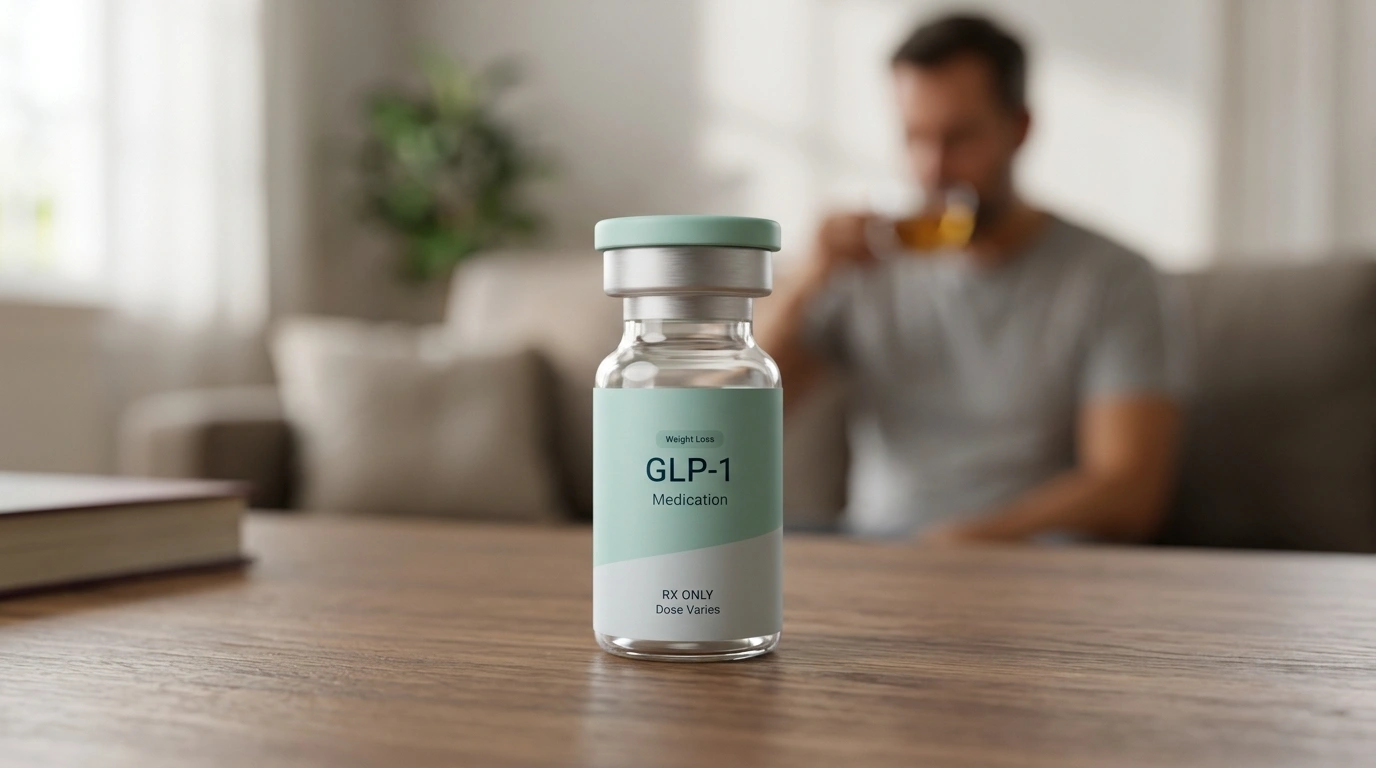
Compound GLP-1 refers to medications like semaglutide or tirzepatide that are prepared by a compounding pharmacy rather than a traditional pharmaceutical manufacturer. These medications are designed to have the same active pharmaceutical ingredients as branded versions like Ozempic®, Wegovy®, Mounjaro®, or Zepbound®.
Compounded versions are often used when branded medications are on the official FDA drug shortage list. Under federal law, when a drug is in shortage, compounding pharmacies are permitted to prepare versions of that medication to ensure patients still have access to necessary treatments.
If you are exploring whether prescription treatment may be appropriate for you, you can take the free assessment quiz.
Quick Answer: Compound GLP-1 is a customized version of medications like semaglutide or tirzepatide, prepared by licensed compounding pharmacies. It is often used to address medication shortages or to provide personalized dosages for patients.
Comparing Branded and Compounded GLP-1
When evaluating weight loss options, it is helpful to look at how branded and compounded medications compare in terms of their delivery and regulation.
| Feature | Branded GLP-1 (e.g., Wegovy®) | Compound GLP-1 |
|---|---|---|
| Manufacturer | Large Pharmaceutical Companies | Licensed Compounding Pharmacies |
| FDA Status | FDA-Approved Drug | Not FDA-Approved |
| Packaging | Prefilled single-use pens | Vials and syringes or oral formats |
| Dosage | Fixed, standard doses | Customizable doses |
| Availability | Subject to supply chain shortages | More readily available during shortages |
| Ingredients | Standardized formula | Tailored formula (may include B12) |
While the active ingredients serve the same purpose, the experience of taking them can differ. Branded medications usually come in an auto-injector pen. Compounded versions are typically dispensed in a glass vial, requiring the patient to draw the medication into a syringe for administration.
The Role of Active Ingredients: Semaglutide and Tirzepatide
There are two primary active ingredients currently used in compound GLP-1 programs.
Compounded Semaglutide
Semaglutide is the active ingredient found in Wegovy® and Ozempic®. It is a pure GLP-1 receptor agonist. It focuses on the primary GLP-1 pathway to slow digestion and signal fullness to the brain. In clinical settings, semaglutide has been shown to support significant weight loss when combined with lifestyle changes.
Compounded Tirzepatide
Tirzepatide is the active ingredient in Zepbound® and Mounjaro®. It is unique because it is a “dual-agonist.” It mimics GLP-1, but it also mimics a second hormone called GIP (glucose-dependent insulinotropic polypeptide). By targeting two different pathways, tirzepatide may offer a more comprehensive approach to metabolic health for some individuals. You can compare the two ingredients in this guide to semaglutide and tirzepatide for weight loss.
Safety and Quality Standards
Safety is the most common concern for those exploring compounded options. Because these medications are not FDA-approved, the responsibility for quality control lies with the compounding pharmacy and the oversight of state boards of pharmacy.
To ensure safety, it is vital to work with a program that uses FDA-registered and inspected compounding pharmacies. These pharmacies must adhere to strict standards known as Current Good Manufacturing Practices (cGMP) or specific United States Pharmacopeia (USP) guidelines for sterile compounding.
Quality Indicators to Look For:
- Source of Ingredients: Pharmacies should use high-quality active pharmaceutical ingredients (APIs) sourced from FDA-registered facilities.
- Testing: Reliable compounders perform third-party testing on their batches to verify potency, sterility, and the absence of contaminants.
- Base Form vs. Salt Form: The FDA has expressed concerns about pharmacies using “salt” forms of these drugs (like semaglutide sodium). High-quality programs prioritize the “base” form of the medication, which is the form used in clinical trials.
Note: Always ensure your medication comes from a pharmacy that provides a Certificate of Analysis (CoA) for its batches. This document proves the medication has been tested for purity.
How Compound GLP-1 Supports Weight Loss
Compound GLP-1 medications are not “fat burners” in the traditional sense. Instead, they address the biological drivers of weight gain. For many, weight loss is difficult because the body’s hunger signals are overactive.
The biological impact includes:
- Reduced “Food Noise”: Many patients report a significant decrease in intrusive thoughts about food, making it easier to stick to a healthy eating plan.
- Early Satiety: You may find that you feel full much sooner during a meal, naturally leading to a reduction in calorie intake.
- Stable Blood Sugar: By improving insulin sensitivity, these medications help prevent the blood sugar spikes and crashes that often trigger overeating.
At TrimRx, we focus on a personalized approach. We understand that metabolic health is not one-size-fits-all. By using a telehealth-first model, we connect individuals with licensed providers who can determine the appropriate medication and dosage based on a comprehensive health profile.
Common Side Effects and Management
Like all medications, GLP-1 receptor agonists can cause side effects. These are most common when you first start the medication or when your dose is increased. Most side effects are gastrointestinal and tend to diminish as the body adjusts. You can also review this guide to common GLP-1 side effects before beginning treatment.
Common side effects include:
- Nausea
- Vomiting
- Diarrhea or constipation
- Abdominal discomfort
- Heartburn
Tips for managing side effects:
- Eat smaller portions: Since your digestion is slower, large meals can cause discomfort.
- Hydrate: Drinking plenty of water is essential, especially if you experience nausea.
- Prioritize protein: Focus on high-quality protein to maintain muscle mass during weight loss.
- Avoid fatty foods: High-fat or fried foods can worsen gastrointestinal symptoms.
If side effects become severe or persistent, it is critical to consult your healthcare provider. They may suggest a slower titration schedule, which is the process of gradually increasing your dose over several weeks to improve tolerance.
Understanding Dosing: Units vs. Milligrams
One of the most important aspects of using compound GLP-1 is understanding how to measure your dose. Because compounded medication is often drawn from a vial using a syringe, patients must be careful with measurements.
Branded medications are usually measured in milligrams (mg) and come in a fixed-dose pen. Compounded medications are often measured in units on an insulin syringe. The number of units you take depends on the concentration of the medication (how many milligrams are in each milliliter of liquid).
For example, if a provider prescribes a 0.25 mg dose, and the vial has a concentration of 5 mg/mL, the patient would draw 5 units on the syringe.
Note: Never guess your dose. Always follow the specific instructions provided on your prescription label. If the label mentions units and you are confused, contact your provider or pharmacist immediately.
Why Choose a Personalized Telehealth Program?
Accessing weight loss medication through a telehealth platform offers several advantages over the traditional clinical route. For many, the barriers to weight loss are time and access. You can learn more about the process in this guide to getting a GLP-1 prescription online.
The benefits of the TrimRx model include:
- No Waiting Rooms: Consultations are handled entirely online, allowing you to speak with a provider from the comfort of home.
- Personalized Care: Your program is tailored to your specific BMI, medical history, and goals.
- Transparent Service: We include the provider consultation, the medication, and shipping in one program, ensuring there are no hidden fees.
- Ongoing Support: You have access to a dedicated team to answer questions about side effects, dosing, or lifestyle changes.
Our goal is to remove the “guesswork” from the weight loss process. By merging clinical expertise with digital convenience, we help you focus on your progress rather than the logistics of getting your medication.
Who Is Eligible for Compound GLP-1?
Compound GLP-1 is a prescription medication, meaning it is not suitable for everyone. Licensed providers generally follow clinical guidelines to determine eligibility.
Typically, an individual may be a candidate if:
- They have a Body Mass Index (BMI) of 30 or higher.
- They have a BMI of 27 or higher accompanied by a weight-related health condition, such as high blood pressure or high cholesterol.
- They have not achieved desired results through diet and exercise alone.
- They do not have certain contraindications, such as a personal or family history of medullary thyroid carcinoma or Multiple Endocrine Neoplasia syndrome type 2 (MEN 2).
During the assessment process, a provider will review your medical history to ensure the medication is safe for your specific situation. To begin that review, complete a free eligibility assessment.
Steps to Starting a Personalized Program
If you are considering compound GLP-1, the process of getting started is designed to be thorough but straightforward.
Step 1: Complete an Online Assessment
You will fill out a health questionnaire that covers your current weight, medical history, and weight loss goals. This is the “free assessment quiz” used to begin the clinical review.
Step 2: Provider Review
A licensed healthcare provider will review your assessment. They may request additional information or lab work to ensure you are a safe candidate for GLP-1 therapy.
Step 3: Personalized Treatment Plan
If approved, the provider will issue a prescription for a compounded medication tailored to your needs. This plan will include a titration schedule, starting you on a low dose to minimize side effects.
Step 4: Medication Delivery
The prescription is sent to an FDA-registered compounding pharmacy. The medication is prepared and shipped directly to your door in refrigerated packaging.
Step 5: Ongoing Monitoring
You will have regular check-ins with your provider to monitor your progress, adjust your dosage if necessary, and address any questions you have during your journey.
Storage and Handling Requirements
Because GLP-1 medications are proteins, they are sensitive to temperature. Most compound GLP-1 injections must be kept refrigerated (between 36°F and 46°F).
When your medication arrives, you should:
- Check the packaging to ensure the ice packs are still cold.
- Place the vial in the refrigerator immediately.
- Store it away from the freezer element to prevent freezing, which can damage the medication.
- Follow the “beyond-use date” (BUD) on the label. The FDA generally recommends that multi-dose sterile vials be discarded 28 days after the first puncture to prevent contamination.
Note: If your medication arrives warm or the vial appears cloudy or contains particles, do not use it. Contact the pharmacy for a replacement.
Myth vs. Fact: Compound GLP-1
There is significant misinformation online regarding compounded weight loss medications. Let’s clarify the most common misconceptions.
Myth: Compounded GLP-1 is a “generic” version of Ozempic®. Fact: It is not a generic. A generic drug is an exact copy of a branded drug that has been FDA-approved. Compounded drugs are customized preparations and do not go through the formal FDA generic approval process.
Myth: All compounding pharmacies are the same. Fact: Pharmacies vary in quality. It is essential to use a platform that partners with accredited, state-licensed, and FDA-registered pharmacies that perform independent testing for purity and potency.
Myth: You will regain all the weight once you stop the medication. Fact: Weight maintenance requires lifestyle changes. While the medication helps you lose weight by regulating appetite, long-term success depends on establishing healthy habits in nutrition and movement during your treatment.
Integrating Lifestyle with GLP-1 Therapy
While compound GLP-1 is a powerful tool, it is most effective when used as part of a holistic approach. The medication manages the biological side of hunger, but lifestyle choices manage the fuel your body receives.
Nutritional Focus:
Prioritize nutrient-dense foods. Since you will be eating smaller amounts, those calories need to count. High protein intake is crucial to prevent muscle loss. Adding a supplement like GLP-1 Daily Support can also help provide necessary nutrients that might be lacking during a reduced-calorie diet.
Physical Activity:
Incorporate both cardiovascular exercise and strength training. Strength training is particularly important, as it helps maintain lean muscle mass, which keeps your metabolism active.
Behavioral Support:
Working with a program that offers 24/7 access to specialists can help you navigate the emotional aspects of weight loss. Understanding why you eat and how to manage stress without food is vital for sustainable results.
The Future of Metabolic Health
The rise of GLP-1 medications represents a significant shift in how we approach weight management. We are moving away from the idea that weight is solely a matter of willpower and toward an understanding that it is a complex biological process.
Compound GLP-1 has made this science accessible to a wider range of people, especially during times when branded medications are difficult to find. At TrimRx, our mission is to provide a transparent, science-backed, and empathetic environment for this transition. We believe that by combining modern telehealth with personalized clinical care, we can help individuals reclaim their health and achieve lasting results.
Bottom line: Compound GLP-1 is a customized, medically supervised option for weight loss that targets the biological drivers of hunger. When sourced from reputable pharmacies and managed by licensed providers, it serves as a viable alternative for many individuals on their weight loss journey.
FAQ
Is compound GLP-1 safe to use for weight loss?
Compound GLP-1 can be a safe option when it is prescribed by a licensed healthcare provider and prepared by an FDA-registered, state-licensed compounding pharmacy. These pharmacies must follow strict quality control standards to ensure the medication is sterile and potent. However, like any prescription medication, it carries potential side effects that should be monitored by a professional.
Why is compound GLP-1 used instead of branded versions?
Compounded versions are often used to address shortages of branded medications like Wegovy® or Ozempic®, allowing patients to continue their treatment without interruption. They also allow for personalized dosing that may not be available in standard prefilled pens. Additionally, some patients choose compounded options if their insurance does not cover branded medications for weight loss.
How do I store my compounded GLP-1 medication?
Most compounded GLP-1 injections require refrigeration to maintain their stability and effectiveness. You should store the vial in your refrigerator and ensure it does not freeze. It is also important to follow the “beyond-use date” on the prescription label and discard the vial 28 days after the first use to maintain sterility.
What is the difference between semaglutide and tirzepatide in compounded form?
Semaglutide is a GLP-1 receptor agonist that mimics one hormone to regulate appetite and digestion. Tirzepatide is a dual-agonist that mimics two hormones, GLP-1 and GIP, which may provide a more comprehensive metabolic effect for some people. A healthcare provider can help you determine which active ingredient is best suited for your health history and weight loss goals. If you are considering prescription treatment, you can complete a free eligibility assessment.
Disclaimer: This content is for informational purposes only and does not constitute medical advice. It is not intended to diagnose, treat, cure, or prevent any disease or condition. Individual results may vary. Always consult a qualified healthcare professional before starting any weight loss program or medication.

Transforming Lives, One Step at a Time
Keep reading

GLP-1 Medications and Mental Health: What to Expect and When to Get Support
Most of what gets written about GLP-1 medications covers the body. Dosing, appetite, nausea, what to eat, what to expect on the scale. Less…

Mons Pubis Fat Loss on GLP-1s: The “Pubic Area” Change Nobody Mentions
One change that surprises people on GLP-1 medications rarely comes up in conversation: the mons pubis, the soft fat pad over the pubic bone,…

How to Adjust Weight Loss Goals on GLP-1 Medications
Adjust weight goals on GLP-1 meds by tracking body composition and labs, optimizing protein, activity, sleep, and working with your provider on dosing.


