What Is Natural Mounjaro?
Introduction
The search for a sustainable way to manage weight often leads to a crossroad between clinical intervention and natural supplements. With the rise of highly effective glucose-dependent insulinotropic polypeptide (GIP) and glucagon-like peptide-1 (GLP-1) receptor agonists, many people are now asking a specific question: Is there a natural version of Mounjaro®? The desire for “natural Mounjaro” stems from a hope to replicate the metabolic benefits of prescription medication through herbal extracts, dietary changes, or lifestyle adjustments.
At TrimRx, we believe in empowering you with evidence-based information so you can make the best decision for your health. This article explores what people mean when they discuss natural alternatives, how the body’s internal hunger hormones work, and where the science stands on supplements versus medical weight loss. While nature offers tools to support your metabolism, understanding the biological gap between a supplement and a prescription is key to achieving lasting results.
If you want to see whether a prescription program is a fit for you, you can take the free assessment quiz.
Quick Answer: There is no biological equivalent to Mounjaro® found in nature. While certain supplements like berberine or high-fiber diets can support the body’s natural GLP-1 and GIP pathways, they do not provide the same potent, dual-hormone receptor activation found in prescription medications.
The Science Behind the “Mounjaro Effect”
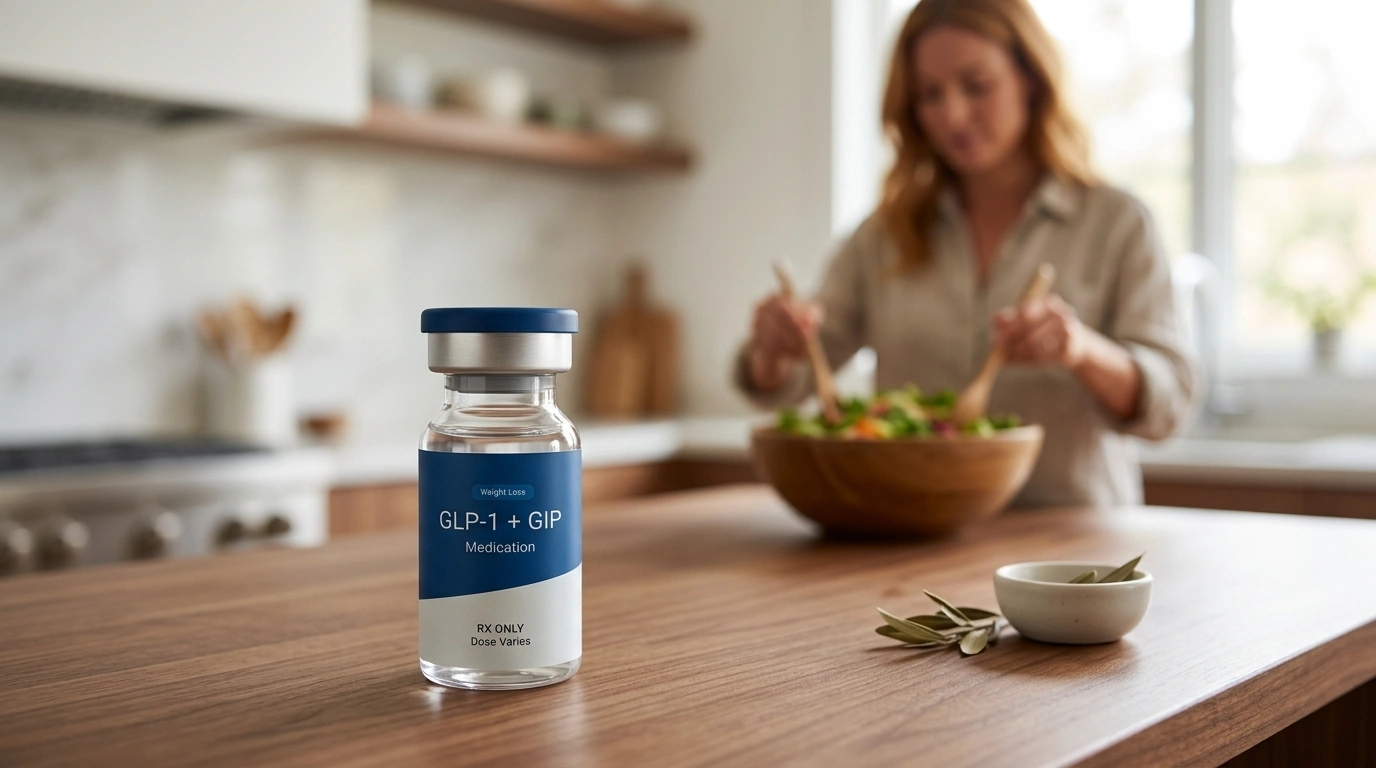
To understand if a natural alternative exists, we must first look at what Mounjaro® (Tirzepatide) actually does in the body. Unlike earlier generations of weight loss medications that targeted only one hormone pathway, this medication is a dual agonist. This means it activates two distinct receptors in the body: the glucagon-like peptide-1 (GLP-1) receptor and the glucose-dependent insulinotropic polypeptide (GIP) receptor.
What is GLP-1 and How Does It Work? explains the hormone in more detail, including how it affects appetite and blood sugar. GLP-1 is a hormone produced in the gut that signals the brain to feel full. It also slows down “gastric emptying,” which is the speed at which food leaves your stomach. This helps you feel satisfied for longer after a meal. GIP is another hormone that works alongside GLP-1. It plays a significant role in how the body breaks down sugar and fat. In the brain, GIP helps regulate food intake and may even reduce the nausea sometimes associated with GLP-1 activation.
By targeting both pathways simultaneously, the medication provides a powerful signal to the brain and metabolic system. This dual action is why many people find it more effective than single-pathway options. When people search for a “natural” version, they are essentially looking for an over-the-counter substance that can stimulate both of these pathways at once.
Why the Search for Natural Alternatives Is Growing
The interest in natural alternatives often comes from a place of valid concern or frustration. Many individuals have spent years navigating the “diet culture” cycle, only to find that willpower alone isn’t enough to overcome biological hunger signals. When news of prescription weight loss medications broke, it offered hope, but it also raised questions about accessibility, side effects, and the preference for “holistic” options.
Common reasons people seek out natural alternatives include:
- A preference for plant-based or herbal interventions over synthetic medications.
- Concerns regarding the potential side effects of prescription injections.
- A desire to avoid the medical assessment process or the need for a prescription.
- The hope that a supplement might be a more affordable “entry point” into metabolic health.
How Can I Get Tirzepatide for Weight Loss? is a helpful next read if you are comparing natural support with a prescription path. However, it is important to distinguish between “supporting” a pathway and “activating” it at a therapeutic level. While many natural substances can gently nudge your hormones in the right direction, they rarely possess the strength to override a stubborn metabolic set point in the way that clinical treatments can.
Is Berberine the “Natural Mounjaro”?
The most frequent candidate mentioned in the “natural” conversation is berberine. Often nicknamed “nature’s Ozempic®,” berberine is a bioactive compound extracted from several different plants, including barberry and goldenseal. It has been used in traditional medicine for centuries and has gained modern popularity for its impact on blood sugar.
How it works: Research suggests that berberine may activate an enzyme called AMPK (adenosine monophosphate-activated protein kinase). This enzyme is often referred to as a “metabolic master switch” because it helps regulate how the body uses energy. By activating AMPK, berberine can improve insulin sensitivity and help the body move glucose into the cells more efficiently.
The Reality Check: While berberine is impressive for an herbal supplement, it is not “natural Mounjaro.” Berberine primarily influences insulin sensitivity and may have some minor effects on the GLP-1 pathway. However, there is very little evidence to suggest it has any significant impact on the GIP receptor. Furthermore, the potency of berberine in clinical trials, while statistically significant for blood sugar management, does not result in the same scale of weight loss seen with dual-hormone receptor agonists.
Key Takeaway: Berberine is a valuable supplement for supporting healthy blood sugar levels and metabolic function, but it lacks the dual-receptor activation (GLP-1 and GIP) required to mimic the effects of modern weight loss prescriptions.
Dietary Fiber: The Original GLP-1 Booster
If we look for the most effective “natural” way to stimulate the hormones that medications target, we find it in our diet—specifically in the form of fermentable fiber. When you consume high-fiber foods, they travel to the lower part of the digestive tract where they are fermented by your gut bacteria.
This fermentation process produces short-chain fatty acids (SCFAs), such as butyrate. These SCFAs act as signaling molecules that tell the “L-cells” in your gut to release natural GLP-1. This is why a high-fiber meal makes you feel more satisfied than a meal high in processed sugars.
Common high-fiber foods that support this pathway include:
- Legumes: Lentils, chickpeas, and black beans.
- Whole Grains: Oats, barley, and quinoa.
- Vegetables: Artichokes, broccoli, and Brussels sprouts.
- Seeds: Chia seeds and flaxseeds.
While eating more fiber is excellent for overall health and can certainly support a weight loss journey, the amount of GLP-1 released by the gut in response to fiber is transient. It lasts for a few hours. In contrast, clinical medications are designed to stay in the system for days, providing a constant, high-level signal to the brain.
Protein and Satiety Hormones
Protein is another dietary component that acts as a natural stimulus for satiety hormones. When protein enters the small intestine, it triggers the release of peptide YY (PYY) and GLP-1. These hormones work together to suppress hunger and increase the feeling of fullness.
Consuming high-quality protein sources—such as lean meats, eggs, Greek yogurt, or plant-based proteins—can help naturally optimize your hormone levels throughout the day. For many, increasing protein intake is a foundational step in any personalized weight loss program. It helps preserve lean muscle mass, which is critical for maintaining a healthy metabolism.
Bottom line: Dietary fiber and protein are the most effective natural tools for stimulating GLP-1, but they work through the body’s standard physiological limits, whereas medications operate at a pharmacological level to produce a more profound effect.
Natural Polyphenols and Metabolic Health
Beyond fiber and protein, certain plant compounds called polyphenols have been studied for their ability to influence the gut-brain axis. Polyphenols are the antioxidants that give fruits and vegetables their vibrant colors.
Some research indicates that polyphenols found in green tea (EGCG), yerba mate, and certain berries may have a mild stimulatory effect on GLP-1 secretion. Yerba mate, in particular, has been shown in some small studies to increase the satiety response after eating.
Again, the distinction here is “support” versus “replacement.” Adding a cup of green tea or yerba mate to your daily routine can provide a healthy boost to your metabolism and offer antioxidant protection. However, these natural options should be viewed as part of a broader lifestyle strategy rather than a substitute for a comprehensive treatment plan for significant weight management.
Myth vs. Fact: Natural Alternatives
Myth: “Natural Mounjaro” supplements are just as effective as the prescription medication without the side effects.
Fact: Clinical studies show that dual-agonist medications produce weight loss results far beyond what is possible with over-the-counter supplements. While supplements may have fewer side effects, they also have significantly lower potency.
Myth: You can achieve the same results as Tirzepatide just by taking berberine and psyllium husk.
Fact: These supplements work on different biological pathways. While they are healthy additions to a wellness routine, they cannot replicate the sustained, dual-receptor activation of a prescribed GIP/GLP-1 agonist.
The Risks of Unregulated “Natural” Claims
One of the biggest challenges with the search for “natural Mounjaro” is the lack of regulation in the supplement industry. Many products marketed online make bold claims about “melting fat” or “mimicking weight loss shots.” Because supplements are not subject to the same rigorous testing as medications, the actual ingredients and their concentrations can vary wildly from what is listed on the label.
Furthermore, “natural” does not always mean “safe” for everyone. High doses of berberine, for example, can cause significant gastrointestinal upset and may interact with other medications, particularly those for blood sugar or blood pressure. This is why we always recommend consulting a healthcare provider before starting any new supplement regimen, even if it is labeled as natural.
Branded vs. Compounded vs. Natural Options
When navigating your options, it is helpful to understand the hierarchy of treatments currently available.
- Branded Medications: These include Mounjaro® and Zepbound®, which are FDA-approved for the treatment of type 2 diabetes and chronic weight management, respectively. These are trademarked products not affiliated with our platform.
- Compounded Medications: Compounded Semaglutide and Compounded Tirzepatide are options that may be prescribed by a licensed provider when a specific clinical need exists. It is important to note that compounded medications are not FDA-approved themselves, though the pharmacies that create them must follow strict federal and state regulations.
- Natural Supplements: These are over-the-counter products like berberine or fiber. They are not intended to treat or cure any medical condition and are generally used for wellness support.
At TrimRx, we focus on connecting you with licensed healthcare providers who can determine if a prescription program is right for you. If you are considering a clinical path, you can take the free assessment quiz to get started.
The Importance of a Personalized Program
Weight loss is not a one-size-fits-all journey. What works for one person’s metabolism may not work for another’s. This is the primary limitation of the “DIY” natural approach—it lacks the clinical oversight and personalization necessary for sustainable success.
A personalized program through a platform like ours offers several advantages:
- Medical Supervision: A licensed provider reviews your health history and lab work to ensure any treatment is safe for you.
- Adjustable Dosing: Unlike a supplement where you are guessing the dose, a clinical program allows for precise adjustments based on your body’s response.
- Comprehensive Support: Sustainable weight loss requires more than just a pill or an injection. It requires a shift in how you view nutrition, movement, and habit formation.
- Safety Monitoring: Having access to specialists 24/7 means you have a partner to help you navigate any side effects or concerns that arise along the way.
How to Support Your Body’s Natural Pathways
If you are not yet ready for a prescription program but want to optimize your metabolic health, there are science-backed steps you can take today. These actions help maximize your body’s natural production of GLP-1 and GIP.
Step 1: Increase Fermentable Fiber. Aim for 25–35 grams of fiber per day. Focus on “prebiotic” fibers like those found in onions, garlic, leeks, and oats, which feed the gut bacteria responsible for hormone signaling.
Step 2: Prioritize Protein at Every Meal. Try to include at least 25-30 grams of protein in your breakfast. This helps set a stable hormonal tone for the rest of the day and reduces the likelihood of late-night cravings.
Step 3: Support Gut Health. Your gut is where these hormones are produced. A high-quality probiotic or fermented foods like kimchi and sauerkraut can help maintain a healthy microbiome, which is essential for efficient hormone signaling.
Step 4: Manage Stress and Sleep. High levels of cortisol (the stress hormone) can interfere with your body’s satiety signals. Prioritizing seven to nine hours of sleep can naturally improve your insulin sensitivity and hunger regulation.
The Role of Telehealth in Modern Weight Loss
The rise of telehealth has bridged the gap between the “natural” search and clinical care. Previously, the only way to access these medications was through multiple in-person doctor visits and waiting rooms. Now, platforms like TrimRx make it possible to receive a professional medical evaluation from the comfort of your home.
This accessibility means you don’t have to settle for the uncertainty of unregulated “natural” alternatives. You can have a conversation with a provider about your goals, discuss the pros and cons of different treatments, and receive a program that is medically supervised and shipped directly to your door. If you are ready to compare your options, complete the free assessment quiz.
Finding the Right Path for You
Choosing between a natural approach and a clinical program depends on your individual health profile, your goals, and your history with weight management. If you have a small amount of weight to lose and your metabolic markers are healthy, focusing on “natural” GLP-1 boosters like fiber and protein may be sufficient.
However, if you are dealing with chronic weight issues, insulin resistance, or a BMI that puts your health at risk, a more robust clinical approach may be necessary. The “natural Mounjaro” search often reflects a deep desire for a solution that actually works. For many, that solution is found not in a single herbal extract, but in a comprehensive, medically supervised program that utilizes the best of modern science.
Taking the Next Step
We understand that the world of weight loss can feel overwhelming and full of conflicting information. Our mission at TrimRx is to simplify this process through transparency and empathy. Whether you are looking for high-quality supplements to support your current lifestyle or you are ready to explore a prescription-based program, we are here to guide you.
The first step toward a healthier version of yourself doesn’t have to be a leap into the unknown. It can start with a simple, free assessment quiz that helps determine the best path for your unique body. By merging clinical expertise with the convenience of telehealth, we help you move past the “quick fix” mentality and toward a future of sustainable health. If you’re ready to see whether you qualify, take the free assessment quiz.
FAQ
Is there a supplement that works exactly like Mounjaro®?
No supplement currently available has been shown to provide the dual-receptor agonist effects of Mounjaro® (Tirzepatide). While substances like berberine or yerba mate can support metabolic health, they do not possess the same biological potency or mechanisms to match the weight loss results seen in clinical trials of the medication.
Can I take berberine while on a weight loss medication?
You should always consult with your healthcare provider before combining supplements like berberine with prescription weight loss medications. Because both can affect blood sugar levels, taking them together could potentially lead to hypoglycemia (low blood sugar) or increased gastrointestinal side effects.
What are the best foods to naturally increase GLP-1 levels?
The most effective foods for stimulating natural GLP-1 release are those high in fermentable fiber and lean protein. Legumes, oats, chia seeds, and cruciferous vegetables like broccoli are excellent for fiber, while eggs, Greek yogurt, and poultry provide the protein necessary to trigger satiety hormones.
How do I know if I need a prescription program instead of just supplements?
If you have struggled with weight management despite consistent efforts with diet and exercise, or if you have metabolic conditions like insulin resistance, a prescription program may be more effective. A consultation with a licensed healthcare provider through a platform like ours can help determine your eligibility based on your BMI and health history. You can also take the free assessment quiz.
Disclaimer: This content is for informational purposes only and does not constitute medical advice. It is not intended to diagnose, treat, cure, or prevent any disease or condition. Individual results may vary. Always consult a qualified healthcare professional before starting any weight loss program or medication.

Transforming Lives, One Step at a Time
Keep reading

Mounjaro Alternatives: What Else to Consider
If Mounjaro isn’t the right fit, the closest alternatives are other GLP-1 medications, chiefly semaglutide (Ozempic for diabetes, Wegovy for weight), along with a…

Mounjaro vs Zepbound: Same Drug, Two Brands
Like their semaglutide counterparts, Mounjaro and Zepbound are the same medication (tirzepatide) sold under two names for two purposes: Mounjaro is approved for type…

Retatrutide vs Mounjaro: Triple Agonist vs Dual Agonist
The core difference between retatrutide and Mounjaro comes down to how many hormone targets each hits: retatrutide activates three receptors, while Mounjaro (tirzepatide) activates…


