What Is Retatrutide and How Does It Work?
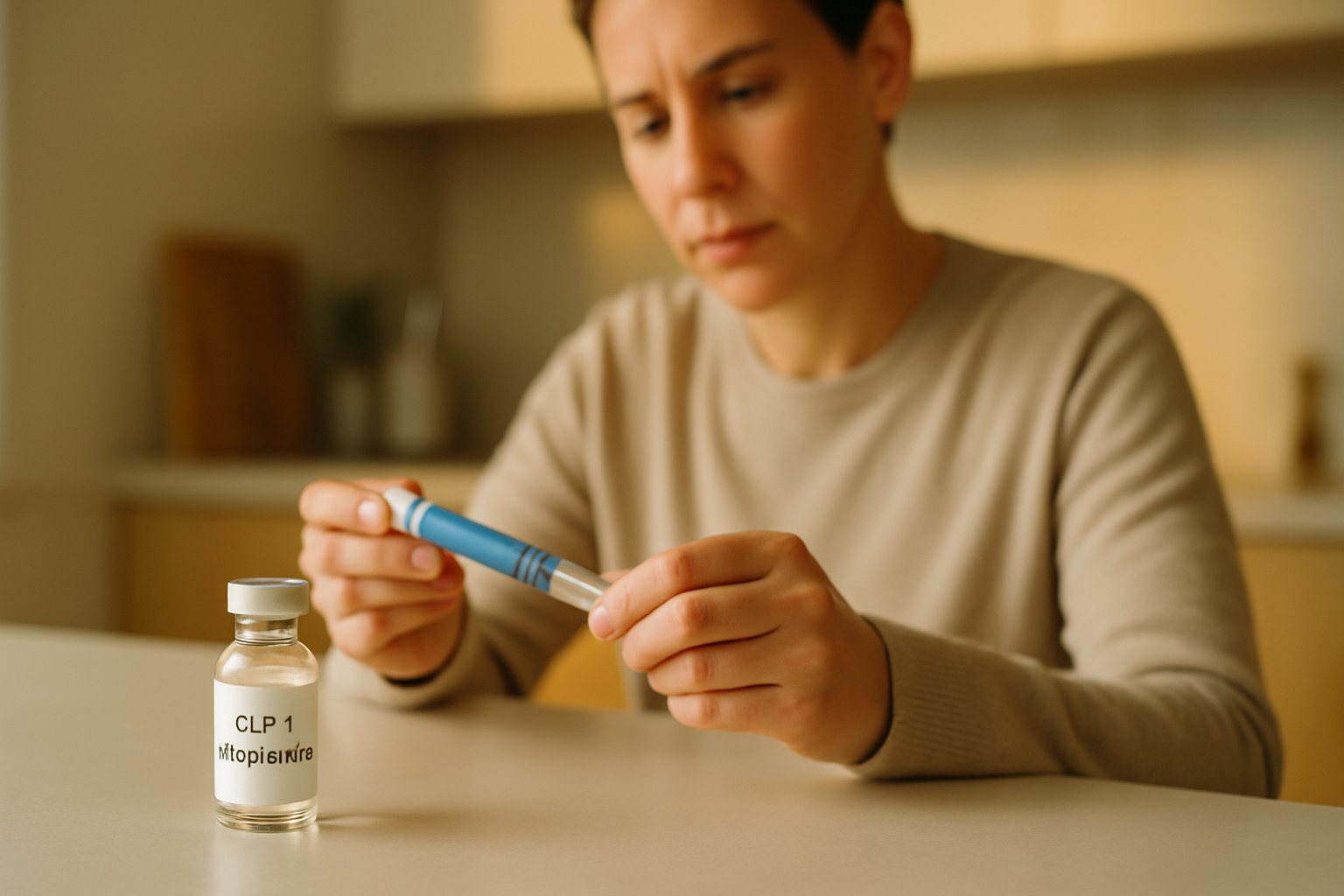
Retatrutide is an investigational weight loss medication that acts on three hormone receptors at the same time: GLP-1, GIP, and glucagon. Developed by Eli Lilly and given as a once-weekly injection, it has produced the largest average weight loss figures reported in obesity research so far. It’s still in clinical trials, though, which means it isn’t FDA approved and isn’t available by prescription anywhere, including through TrimRx. If you’ve seen the headlines and want to understand what’s behind them, here’s how retatrutide works, what the data shows, and how it compares to the GLP-1 medications you can get right now.
What Is Retatrutide?
Retatrutide (development code LY3437943) is a triple-hormone-receptor agonist being studied for weight loss and related conditions. An agonist is a molecule that switches on a receptor, in this case mimicking hormones your body already makes to regulate appetite, blood sugar, and energy use. What makes retatrutide different from the medications already on the market is the number of receptors it activates. Semaglutide targets one. Tirzepatide targets two. Retatrutide targets three, and it’s the first triple agonist to reach late-stage trials.
How Retatrutide Works: Three Hormones, One Injection
Most weight loss injections work by copying gut hormones that influence hunger and metabolism. Retatrutide combines three of those signals into a single molecule, and each one pulls a different lever.
The GLP-1 Receptor: Appetite and Fullness
GLP-1 (glucagon-like peptide-1) is the hormone most people associate with this class of medication. It slows how quickly your stomach empties, helps you feel full sooner, and quiets the background “food noise” that drives snacking and cravings. This is the same mechanism that makes semaglutide and tirzepatide effective, and it’s a big reason these drugs change eating patterns rather than relying on willpower alone. If you want the deeper version of that process, our explainer on how GLP-1 medications slow digestion breaks it down.
The GIP Receptor: Insulin and Fat Handling
GIP (glucose-dependent insulinotropic polypeptide) is the second hormone in the mix. It works alongside GLP-1 to fine-tune the body’s insulin response and influence how fat is processed and stored. Adding GIP is what separates tirzepatide (a dual agonist) from older single-hormone drugs, and many researchers believe it contributes to both stronger weight loss and, for some people, better tolerability. Lilly’s SURMOUNT trial data gives a sense of what adding that second receptor did for tirzepatide’s results.
The Glucagon Receptor: The Third Lever
The glucagon receptor is the piece that’s genuinely new here. On its own, glucagon tends to raise blood sugar, which sounds like the opposite of what you’d want. But when its receptor is activated alongside GLP-1 and GIP, the combination appears to increase energy expenditure, encourage the body to burn stored fat, and lower fat in the liver. Put simply, the first two hormones reduce how much you eat, and the third may increase how much energy you burn. That dual push is the theory behind retatrutide’s unusually large results.
What the Research Shows So Far
The study that put retatrutide on the map was a Phase 2 trial published in the New England Journal of Medicine in 2023. Across 338 adults with obesity, participants on the highest dose lost about 24 percent of their body weight over 48 weeks, along with meaningful reductions in liver fat. Those numbers were higher than what semaglutide and tirzepatide produced in their own trials, which is why the result drew so much attention.
Since then, retatrutide has moved into Phase 3, the final and largest stage of testing. Topline results from the TRIUMPH program, reported in late 2025 and 2026, have been even stronger, with average weight loss approaching 28 to 29 percent at the highest dose over roughly 68 weeks. Side effects so far look familiar for this drug class and are mostly gastrointestinal: nausea, vomiting, diarrhea, and constipation, usually more common at higher doses. Researchers are also tracking reports of changes in skin sensation at the top dose, which is one reason the full safety picture won’t be settled until more trials report.
Consider this scenario: someone loses a solid amount of weight on a GLP-1 medication but stalls well short of their goal. Results like retatrutide’s are exactly why there’s so much interest in triple agonists, because they point to another option for people who need more than current medications deliver. That interest is reasonable, but it’s worth separating promise from availability.
How Retatrutide Compares to Semaglutide and Tirzepatide
Here’s how the three medications line up on what matters most, based on published trial data:
| Medication | Receptors targeted | Status | Peak average weight loss in trials |
|---|---|---|---|
| Semaglutide (Ozempic, Wegovy) | GLP-1 | FDA approved | About 15% |
| Tirzepatide (Mounjaro, Zepbound) | GLP-1 + GIP | FDA approved | About 21% to 22% |
| Retatrutide | GLP-1 + GIP + glucagon | Investigational (Phase 3) | About 24% (Phase 2), 28% to 29% (Phase 3 topline) |
More receptors do seem to mean more weight loss on average, but that doesn’t make retatrutide automatically right for everyone. Tolerability, cost, and how your body responds all matter, and plenty of people reach their goals on the medications available today.
Is Retatrutide Available Yet?
No. Retatrutide is not FDA approved, and there is no legal prescription, pharmacy, or compounding pathway for it anywhere. The earliest a regulatory filing is expected is late 2026 or 2027, with possible approval in 2027 or 2028 if the remaining trials go well. None of that is guaranteed.
It’s also worth a clear warning. Because demand is high, “research-use-only” retatrutide is sold online by vendors who position it as a workaround. That material is not made under the quality, sterility, or dosing oversight that applies to prescription medication, and using it means trusting an unregulated supplier with something you inject. It is not a safe or legal substitute for an approved drug.
What to Do If You Want Help With Weight Loss Now
The good news is that you don’t have to wait for retatrutide to get evidence-based treatment. The GLP-1 medications already available have years of safety data and produce significant results for most people who use them. TrimRx offers physician-prescribed semaglutide and tirzepatide, with online consultations and home delivery, so you can start now rather than waiting on a pipeline.
If you’re not sure which option fits your health history and goals, the best next step is a quick assessment with a provider. You can compare your options with a provider to see what makes sense for you today, and keep an eye on retatrutide as the Phase 3 results continue to come in.
This article is for educational purposes and is not medical advice. Retatrutide is an investigational medication that is not FDA approved and is not available by prescription. Consult a licensed healthcare provider before starting or changing any weight loss treatment. Individual results vary.

Transforming Lives, One Step at a Time
Keep reading

Which Bupropion Is Best for Weight Loss? Explained
Bupropion is one of the most discussed medications in the weight management space, and for good reason. Unlike most antidepressants, which often cause weight…

Natural Weight Loss Remedies That Actually Help
If you want to lose weight, you do not need to start with a complicated diet or expensive products. Some home remedies for weight…

Obesity and Low Testosterone
**Can obesity cause low testosterone?** Yes. Obesity can lower testosterone, and the relationship often runs in both directions.


