What Is the Best Diet While Taking Mounjaro?
Introduction
Starting a weight loss journey with a medication like Mounjaro® often brings a sense of relief, especially when that persistent “food noise” finally begins to fade. For many, the constant mental chatter about the next meal or the urge to snack suddenly quietens, replaced by a feeling of early satiety. However, this change in appetite often leads to a new question: what should you actually eat when you are no longer driven by hunger? While there is no single, restrictive “Mounjaro diet,” making intentional nutritional choices is essential for achieving the best possible results and minimizing discomfort.
At TrimRx, we believe that the most effective weight loss program is one that pairs clinical expertise with a personalized approach to nutrition. If you want a personalized starting point, you can take the free assessment quiz to see whether a program fits your goals. We focus on helping you understand how your body reacts to these treatments so you can build sustainable habits. This article covers the essential food groups to prioritize, which items might worsen side effects, and how to structure your eating habits to support long-term metabolic health. Our goal is to ensure you feel supported and equipped as you navigate this new relationship with food.
How Mounjaro® Affects Your Eating Patterns
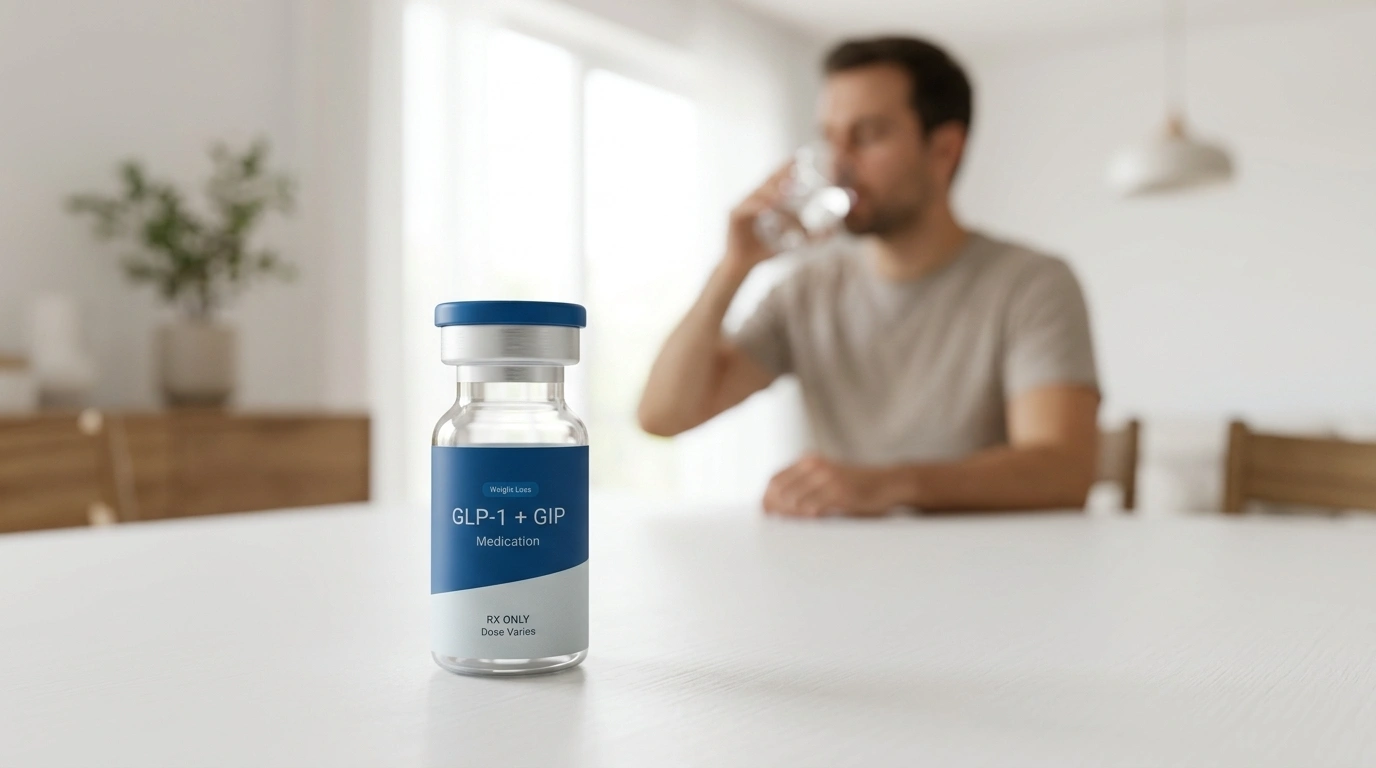
Before choosing specific foods, it is helpful to understand how the medication interacts with your body’s natural processes. Mounjaro is a brand-name medication containing the active ingredient tirzepatide, and our tirzepatide side effects guide explains why appetite and digestion can change. It is a dual agonist, which means it mimics two different hormones in your body: glucagon-like peptide-1 (GLP-1) and glucose-dependent insulinotropic polypeptide (GIP).
These hormones work together to influence how your body handles food and energy. First, they signal the brain to increase feelings of fullness and decrease hunger. Second, they slow down “gastric emptying,” which is the medical term for how quickly food leaves your stomach and enters your small intestine. Because food stays in your stomach longer, you feel satisfied for a greater period after eating.
Quick Answer: The best diet while taking Mounjaro® focuses on high-quality lean proteins, non-starchy vegetables, and fiber-rich whole grains. Because the medication slows digestion and reduces appetite, prioritizing nutrient-dense foods ensures your body receives essential vitamins and minerals even when you are eating smaller portions.
While these effects are highly beneficial for weight management and blood sugar control, they change your nutritional requirements. Since you are likely consuming fewer calories, every bite you take needs to “count” more in terms of nutritional value. Furthermore, because digestion is slower, certain heavy or greasy foods can sit in the stomach for too long, potentially leading to the gastrointestinal discomfort often associated with these medications.
The Importance of Protein for Muscle Preservation
One of the most critical components of any weight loss plan involving GLP-1 or GIP medications is choosing the best protein for weight loss. When the body loses weight rapidly, it doesn’t just lose fat; it can also lose lean muscle mass. Maintaining muscle is vital because muscle tissue is metabolically active, meaning it helps your body burn more calories even at rest.
Why Muscle Mass Matters
If you lose significant muscle during your journey, your metabolic rate may drop, making it harder to maintain your weight loss in the long term. This is sometimes referred to as “sarcopenia” or muscle wasting. To prevent this, healthcare providers generally recommend focusing on high-quality protein sources at every meal.
Recommended Protein Sources
Lean proteins are the gold standard here because they provide the amino acids your muscles need without the heavy saturated fats that might trigger nausea. Excellent choices include:
- Skinless poultry: Chicken or turkey breast.
- Seafood: White fish like cod or tilapia, and fatty fish like salmon, which provides heart-healthy omega-3 fatty acids.
- Eggs: A versatile and highly bioavailable protein source.
- Plant-based options: Tofu, tempeh, lentils, and chickpeas are great for those following a vegetarian or vegan lifestyle.
- Low-fat dairy: Greek yogurt or cottage cheese can provide a significant protein boost.
Most clinical recommendations suggest aiming for at least 60 to 100 grams of protein daily, though your specific needs may vary based on your starting weight and activity level.
Prioritizing Fiber and Complex Carbohydrates
Because medications containing tirzepatide slow down the digestive tract, constipation is a relatively common side effect. Our GLP-1 bowel changes guide offers a closer look at what is normal and why hydration matters.
Non-Starchy Vegetables
Non-starchy vegetables should make up a large portion of your plate. They are low in calories but high in volume, fiber, and essential micronutrients. Focus on:
- Leafy greens like spinach, kale, and Swiss chard.
- Cruciferous vegetables such as broccoli, cauliflower, and Brussels sprouts.
- Crunchy options like bell peppers, cucumbers, and celery.
Whole Grains and Low-Glycemic Fruits
When it comes to carbohydrates, the focus should be on “complex” versions. These take longer for the body to break down, providing a steady stream of energy rather than a quick spike in blood sugar.
- Whole grains: Quinoa, brown rice, oats, and barley are excellent choices.
- Low-glycemic fruits: Berries (strawberries, blueberries, raspberries) are high in antioxidants and fiber but lower in sugar than tropical fruits like pineapple or mango. Apples and pears with the skin on are also beneficial for their pectin content.
Key Takeaway: Prioritizing protein and fiber is not just about weight loss; it is about protecting your metabolic health and ensuring your digestive system stays comfortable while your body adjusts to the medication.
Foods to Limit to Minimize Side Effects
While no food is strictly forbidden, certain choices are much more likely to cause issues when your digestion is slowed. Many patients find that their “cravings” for these foods naturally diminish, but it is still helpful to be mindful of them. If you want a deeper dive, see our what not to eat on tirzepatide.
High-Fat and Fried Foods
Because fat takes the longest to digest, eating high-fat or fried foods can lead to severe indigestion, bloating, and nausea. When these foods sit in a “slowed” stomach, they can cause significant discomfort. Try to avoid:
- Deep-fried items (french fries, fried chicken).
- Heavy cream sauces and butter-laden dishes.
- Highly marbled or fatty cuts of red meat.
Refined Sugars and Ultra-Processed Foods
Refined carbohydrates like white bread, sugary cereals, and pastries can cause rapid fluctuations in blood sugar. Since Mounjaro® is designed to help stabilize blood sugar, consuming high amounts of sugar can work against the medication’s primary function. Furthermore, ultra-processed snacks often lack the fiber and protein your body needs to feel its best.
The Role of Alcohol
Alcohol should be consumed with caution. It provides “empty calories” that can stall weight loss progress. More importantly, alcohol can increase the risk of low blood sugar (hypoglycemia) in some individuals and may irritate the stomach lining, making nausea worse. Many people report that their desire for alcohol decreases significantly while on tirzepatide, which can be a helpful side effect for overall health.
Managing Side Effects Through Diet
If you do experience side effects like nausea or “sulfur burps,” your diet is your first line of defense. Our common GLP-1 side effects guide can help you understand what to expect and how to respond.
Strategies for Nausea
- Eat smaller, more frequent meals: Instead of three large meals, try five small “mini-meals.” This prevents the stomach from becoming too full.
- Focus on bland foods: If you feel queasy, the “BRAT” diet (Bananas, Rice, Applesauce, Toast) can help settle your system temporarily.
- Avoid lying down after eating: Give your body at least two hours to digest before reclining to prevent acid reflux.
Staying Hydrated
Hydration is paramount. Dehydration can actually mimic the feeling of hunger and make side effects like headaches and fatigue much worse. Aim for at least 64 to 80 ounces of water daily. If you struggle with plain water, herbal teas or water infused with cucumber or mint can be refreshing alternatives. Avoid excessive caffeine, as it can contribute to dehydration and may increase jitteriness.
Creating a Balanced Meal Plan
A successful day of eating while on Mounjaro® focuses on balance and simplicity. You do not need complicated recipes to see results. For another take on meal structure, read our healthy diet for weight loss breakdown.
Sample Daily Menu
- Breakfast: A bowl of Greek yogurt topped with a handful of blueberries and a tablespoon of chia seeds. This provides a high-protein, high-fiber start to the day.
- Lunch: A large green salad with grilled chicken breast, cucumbers, cherry tomatoes, and a light olive oil-based dressing.
- Afternoon Snack: A hard-boiled egg or a small apple with a few almonds.
- Dinner: Baked salmon served with roasted asparagus and a small scoop of quinoa.
- Evening: A cup of ginger tea to soothe the digestive system before bed.
Why Personalization Matters
No two bodies are exactly alike, and how one person responds to Mounjaro® may differ from another. This is why we emphasize the importance of a tailored approach. Factors such as your age, activity level, and medical history play a massive role in determining your ideal caloric and macronutrient needs.
Our platform, TrimRx, connects you with licensed healthcare providers who can help navigate these nuances. If you want a more individualized path, you can complete the free assessment quiz to see whether a prescription program may be appropriate for you. Whether you are using a prescription for a branded medication or a compounded version from an FDA-registered pharmacy, having a dedicated team to answer your questions about diet and side effects is a vital part of the process. We are here to ensure that you aren’t just losing weight, but gaining a healthier lifestyle.
The Role of Supplements
Sometimes, even with a perfect diet, it can be hard to get every single nutrient when your appetite is significantly suppressed. For a deeper look at nutrient gaps, our what supplements should you take on GLP-1? guide is a helpful place to start.
This is where targeted support can help. For instance, GLP-1 Daily Support can provide the micronutrients that might be missing from smaller meals and fit alongside your nutrition plan.
If you need a product focused more on energy and metabolic support, Weight Loss Boost may be a better fit during the early adjustment phase.
A Step-by-Step Approach to Starting Your Journey
If you are considering starting a program but feel overwhelmed by the dietary changes, take it one step at a time.
Step 1: Focus on Water. Before changing what you eat, increase your water intake. This helps flush the system and prepares your body for the medication.
Step 2: Prioritize Protein. In your first week, make sure every meal has a clear protein source. Don’t worry about “perfect” yet; just focus on getting enough protein to protect your muscles.
Step 3: Listen to Satiety Signals. The medication will help you feel full sooner. Practice “mindful eating” by putting your fork down as soon as you feel a sense of pressure or satisfaction in your stomach. Do not feel obligated to “clean your plate.”
Step 4: Consult the Experts. Use the resources available to you. At TrimRx, our goal is to provide a telehealth-first experience where you can get answers to your nutritional questions 24/7. If you are ready to explore a personalized path, you can take the next step with the free assessment quiz.
Bottom line: A successful experience with tirzepatide is built on a foundation of lean protein, high fiber, and consistent hydration. By avoiding heavy, processed foods and listening to your body’s new fullness signals, you can maximize your results while minimizing discomfort.
Conclusion
The “best” diet while taking Mounjaro® is one that nourishes your body, protects your muscle mass, and keeps your digestive system comfortable. By shifting your focus toward nutrient-dense whole foods and away from high-fat, sugary options, you are doing more than just following a meal plan—you are giving the medication the best environment to work effectively.
At TrimRx, we are committed to being your partner in this transformation. We believe that sustainable weight loss is achieved through a combination of science-backed treatments and empathetic, personalized support. If you are ready to take the next step toward your health goals, we invite you to take our free assessment quiz to see which program is right for you. Whether it is through a medically supervised prescription program or our supportive supplements, we are here to help you navigate every mile of the journey.
FAQ
Can I eat carbohydrates while taking Mounjaro®?
Yes, you can and should eat carbohydrates, but it is best to focus on complex carbohydrates. Foods like whole grains, beans, and fiber-rich fruits provide sustained energy and help prevent constipation. It is generally advisable to limit refined “white” carbs and sugary snacks, which can cause blood sugar spikes.
Is it necessary to count calories on this medication?
While you do not strictly have to count every calorie, being mindful of your intake can be helpful. Because the medication naturally suppresses your appetite, many people find they automatically enter a calorie deficit. However, tracking can ensure you are eating enough protein and fiber to maintain your health during the weight loss process.
What should I do if I am not hungry at all?
If your appetite is significantly suppressed, focus on small, nutrient-dense snacks throughout the day rather than forcing large meals. Prioritize protein-rich foods first during these small windows of eating. If you find you cannot eat enough to maintain your energy levels, you should consult your healthcare provider to discuss a possible dosage adjustment.
Can I drink coffee or caffeine while on this program?
You can generally have coffee in moderation, but be cautious about how it affects your stomach. Caffeine can sometimes worsen the nausea associated with GLP-1 and GIP medications. Additionally, be sure to drink extra water if you consume coffee, as caffeine is a mild diuretic and can contribute to dehydration.
Disclaimer: This content is for informational purposes only and does not constitute medical advice. It is not intended to diagnose, treat, cure, or prevent any disease or condition. Individual results may vary. Always consult a qualified healthcare professional before starting any weight loss program or medication.

Transforming Lives, One Step at a Time
Keep reading

Mounjaro Alternatives: What Else to Consider
If Mounjaro isn’t the right fit, the closest alternatives are other GLP-1 medications, chiefly semaglutide (Ozempic for diabetes, Wegovy for weight), along with a…

Mounjaro vs Zepbound: Same Drug, Two Brands
Like their semaglutide counterparts, Mounjaro and Zepbound are the same medication (tirzepatide) sold under two names for two purposes: Mounjaro is approved for type…

Retatrutide vs Mounjaro: Triple Agonist vs Dual Agonist
The core difference between retatrutide and Mounjaro comes down to how many hormone targets each hits: retatrutide activates three receptors, while Mounjaro (tirzepatide) activates…


