What Is the Best Dog Food for Weight Loss? Our Expert Answer
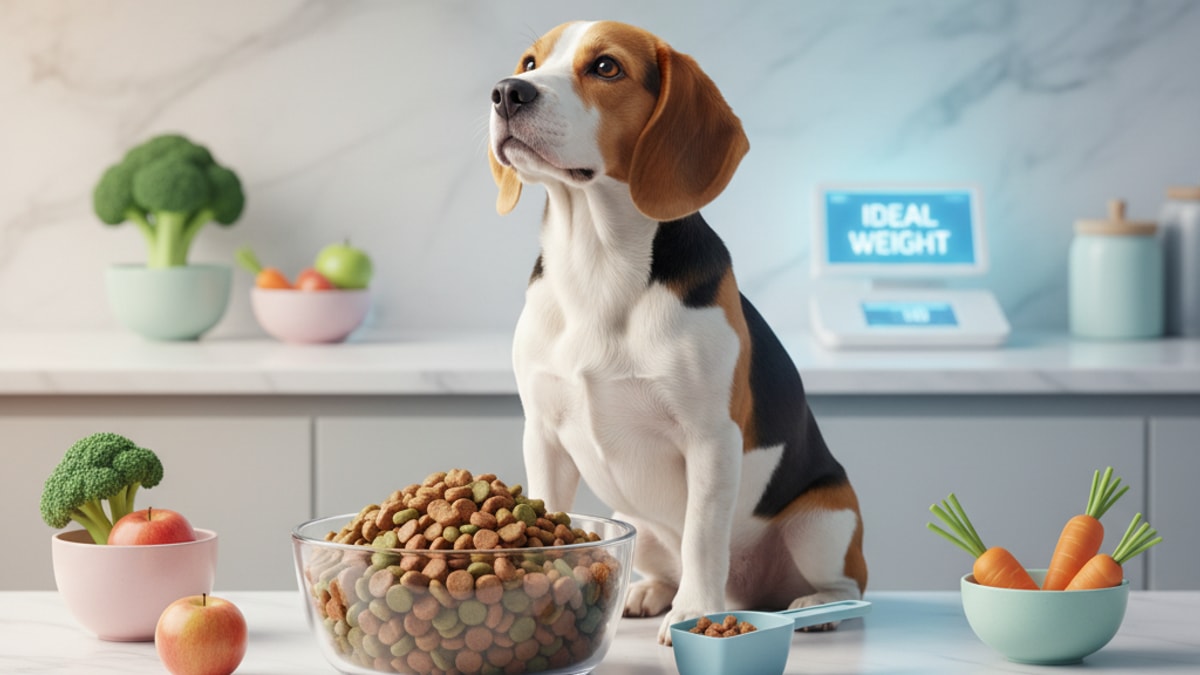
It's a question we see owners wrestling with all the time. You notice your dog is a little slower on walks, a bit rounder in the middle. The vet confirms it: your best friend needs to lose a few pounds. Suddenly, you're standing in the pet food aisle, surrounded by a sprawling, overwhelming wall of bags, all promising miracles. It’s a familiar feeling for many. At TrimrX, our entire focus is on the science of metabolic health and weight management in humans, often utilizing advanced treatments like GLP-1 medications to help our patients regain control. And our experience has shown us something profound: the principles of healthy, sustainable weight loss—whether for a person or a pet—are remarkably similar. They're rooted in biology, not marketing gimmicks.
So, while we specialize in human health, we feel uniquely qualified to talk about this. The struggle with weight is a shared one, and the confusion owners feel is palpable. Let's be honest, it's a difficult, often moving-target objective. You're not just a consumer; you're a caregiver trying to make the best possible choice for a family member who can't speak for themselves. We're here to cut through the noise. We want to apply our deep understanding of metabolism to help you understand what truly constitutes the best dog food for weight loss. It’s not about finding a single 'magic' brand. It’s about understanding the 'why' behind the formula.
Why Canine Weight Management Is So Crucial
Before we dive into food labels and ingredient lists, we need to address the gravity of the situation. This isn't about vanity. It's not about your dog fitting into a smaller sweater. This is about their health, their comfort, and their lifespan. The data is unflinching. Studies from the Association for Pet Obesity Prevention (APOP) consistently show that over 50% of dogs in the U.S. are overweight or obese. That's a catastrophic public health crisis for our pets.
An overweight dog is at a significantly higher risk for a whole host of debilitating conditions. We're talking about osteoarthritis, which makes every step painful. Type 2 diabetes. High blood pressure, heart and respiratory disease, kidney disease, and even many forms of cancer. The extra pounds put relentless strain on virtually every organ in their body. Our team can't stress this enough: managing your dog's weight is one of the most critical, non-negotiable elements of responsible pet ownership. It can quite literally add years to their life and, just as importantly, add life to their years. A leaner dog is a happier, more active, and more comfortable dog. Period.
The Science of Canine Weight Loss: It's Not Just 'Less Food'
Here’s the first major pitfall we see well-meaning owners fall into. They think, “My dog is overweight, so I’ll just feed him less of his regular food.” It seems logical, right? Fewer calories in should mean weight loss. Simple.
But it’s dangerously oversimplified. In our work with human patients, we know that severe caloric restriction without nutritional guidance can be disastrous. The same is true for dogs. When you simply cut the portion size of a standard maintenance dog food, you’re also cutting the intake of essential vitamins, minerals, amino acids, and fatty acids. Over time, this can lead to nutritional deficiencies, creating a whole new set of health problems. Your dog might lose weight, but they could also develop a dull coat, lose muscle mass instead of fat, and suffer from a weakened immune system. That's not the goal.
A proper weight management food is formulated differently. It's about nutrient density. The goal is to reduce calories while maintaining or even increasing the concentration of vital nutrients. It’s a nuanced scientific balance. The food should help your dog feel full and satisfied (satiety is key!) while ensuring their body gets everything it needs to function optimally and burn fat, not precious muscle. Muscle is metabolically active; it helps burn calories. Losing it is a step in the wrong direction.
What to Look For in a Weight Loss Dog Food
Alright, let's get practical. When you're standing in that aisle, what should you actually be looking for on the bag? It boils down to a few core components that work together to promote healthy weight loss.
First, high-quality protein. This is non-negotiable. Protein is essential for maintaining lean muscle mass during a calorie deficit. Look for named animal sources—like deboned chicken, turkey, lamb, or fish—as the first one or two ingredients. Avoid vague terms like “meat meal” or “animal by-product meal” in those top spots if you can. Protein also has a higher thermic effect of feeding than fats or carbs, meaning the body uses more energy to digest it. Plus, it’s a huge driver of satiety, helping your dog feel fuller for longer.
Second, look for lower fat content and controlled calories. Fat is the most calorie-dense macronutrient, packing about nine calories per gram compared to four for protein and carbs. A weight loss formula will have a lower overall fat percentage than a standard adult food. However, it shouldn't be zero. Healthy fats, especially those rich in Omega-3s (like fish oil), are vital for skin, coat, and joint health, and they have anti-inflammatory properties, which is incredibly helpful for overweight dogs whose joints are under stress. The key is balance.
Third is high fiber. This is a game-changer for satiety. Fiber is a carbohydrate that the body can't digest. It adds bulk to the food without adding usable calories, which physically helps your dog’s stomach feel full. It also slows down digestion, which keeps blood sugar levels stable and prevents those post-meal energy crashes that can lead to begging. Look for ingredients like beet pulp, pea fiber, or powdered cellulose. A mix of soluble and insoluble fibers is ideal for digestive health.
Finally, check for beneficial supplements. Many premium weight management foods include additives that support the weight loss process. L-carnitine is a big one; it's an amino-acid-like compound that helps transport fatty acids into the cells' mitochondria to be burned for energy. Think of it as the shuttle bus for fat. Another common and incredibly useful addition is a combination of glucosamine and chondroitin sulfate. These are building blocks of cartilage and help support joint health, which is a massive concern for any heavy dog.
Deciphering the Dog Food Label: A Quick Guide
Reading a dog food label can feel like trying to interpret an ancient text. It’s dense, full of jargon, and regulated in ways that aren't always intuitive. But you can master it. Here's what our team recommends focusing on.
Ignore the flashy marketing on the front of the bag—the pictures of pristine roasted chicken and wild vegetables. Flip it over to the back. That's where the truth is.
Look for the AAFCO Statement. The Association of American Feed Control Officials (AAFCO) sets nutritional standards for pet foods. You want to see a statement that says the food is “formulated to meet the nutritional levels established by the AAFCO Dog Food Nutrient Profiles” for adult maintenance. Even better is a statement that says, “Animal feeding tests using AAFCO procedures substantiate that [Product Name] provides complete and balanced nutrition.” The latter means they've actually fed it to dogs and tested the results, which is a higher standard.
The Guaranteed Analysis is your next stop. This is a box that lists the minimum percentages of crude protein and crude fat, and the maximum percentages of crude fiber and moisture. For a weight loss food, you’ll want to see a higher protein number and a lower fat number compared to standard diets. Don't get too hung up on the exact numbers, but use them to compare different 'diet' foods.
But the most important part? The ingredient list. Ingredients are listed by weight, so the first five or so give you a great picture of what the food is primarily made of. As we said, look for a high-quality, named animal protein source right at the top. Be wary of foods that start with corn, wheat, or soy. While not inherently 'bad,' these are often used as cheap fillers and don't provide the high-quality protein your dog needs to lose weight effectively.
Wet Food vs. Dry Food for Weight Loss: The Great Debate
This is a common question, and there's no single right answer. It really depends on your dog, your lifestyle, and your budget. Both can be effective for weight loss if the formula is right.
Dry food (kibble) is convenient, generally more affordable, and has benefits for dental health due to its abrasive action on the teeth. It's also easier to measure precisely, which is absolutely critical when you're managing a diet. The downside is that it's very calorie-dense. A small scoop can pack a lot of calories, making it easy to overfeed.
Wet food (canned), on the other hand, has a very high moisture content, often around 75%. This is its superpower. The water adds weight and volume to the food without adding calories, which can significantly improve satiety. A dog can eat a larger, more satisfying meal for the same number of calories as a small scoop of kibble. Many dogs also find it more palatable. The drawbacks are the cost, the shorter shelf-life after opening, and the potential for mess. For some dogs, an all-wet-food diet can also contribute to dental issues if teeth aren't brushed regularly.
Our professional observation? A combination approach often works brilliantly. Using a base of high-quality weight management kibble and mixing in a spoonful of a corresponding wet food can give your dog the best of both worlds. It boosts palatability and moisture content while keeping costs manageable. You get the crunch and the volume. Just be sure to account for the calories from both when calculating their daily intake.
Comparing Top Weight Management Formulas
To make this clearer, let's break down the common types of weight loss foods you'll encounter. We're not naming brands, but instead focusing on the categories and philosophies behind them. This approach (which we've refined over years of analysis) delivers real clarity.
| Formula Type | Primary Protein Source | Fiber Level | Calorie Density | Key Additives | Best For |
|---|---|---|---|---|---|
| Prescription Veterinary Diet | Often hydrolyzed or novel proteins | Very High | Very Low | L-Carnitine, Joint Support, Omega-3s | Dogs with co-existing health issues (e.g., allergies, kidney disease) or severe obesity requiring medical supervision. |
| High-Protein / Grain-Free | Named Meats (Chicken, Salmon) | Moderate to High | Low to Moderate | Probiotics, Antioxidants | Active dogs needing to lose a few pounds while maintaining high muscle mass. Not always the lowest calorie option. |
| 'Healthy Weight' or 'Lite' | Chicken Meal, Turkey Meal | High | Low | L-Carnitine, Fiber Blends | The average, moderately active adult dog that has become sedentary and gained weight. A good starting point. |
| Fresh / Raw Diet | Whole Meats & Organs | Low (from vegetables) | Variable (must be calculated) | Whole Food Nutrients | Owners committed to careful portioning and handling. Can be excellent but requires significant diligence to ensure balance and caloric control. |
Beyond the Bowl: Other Factors in Your Dog's Weight Loss Journey
We need to be crystal clear about something. The perfect dog food is only one piece of a much larger puzzle. You could be feeding your dog the most scientifically advanced, expensive weight loss food on the planet, but if other lifestyle factors aren't aligned, you won't see results. It's a holistic process.
Exercise is paramount. But it must be appropriate. A severely obese dog with sore joints shouldn't be forced into a five-mile run. Start slow. Gentle, consistent, low-impact activity is best. Leash walks, swimming (which is fantastic for joints), or even just structured playtime in the yard can make a huge difference. The goal is to gradually increase duration and intensity as their weight drops and their fitness improves.
And another consideration: treat discipline. This is often the hardest part for owners because we associate treats with love. But most commercial dog treats are what we call 'calorie bombs.' They are the equivalent of you eating a candy bar every time you did something good. It sabotages the entire effort. Our team has found that substituting high-calorie biscuits with healthy alternatives is a huge win. A single green bean, a baby carrot, or a small piece of apple can be just as exciting for your dog. You can also use a portion of their daily kibble ration as treats throughout the day. They don't know it's their dinner; they just know they're getting a reward from you. It’s about the act of giving, not the caloric content of the gift.
Finally, partner with your veterinarian. Before starting any weight loss plan, your dog needs a full check-up to rule out underlying medical conditions that can cause weight gain, such as hypothyroidism or Cushing's disease. Your vet is your single most important resource. They can help you determine your dog's ideal body condition score, calculate their precise daily caloric needs, and recommend a safe rate of weight loss (typically 1-2% of their body weight per week). Regular weigh-ins at the vet clinic provide accountability and allow for adjustments to the plan as needed.
A Word on Prescription Diets
Sometimes, an over-the-counter 'healthy weight' food isn't enough, especially for dogs with significant weight to lose or other health complications. This is where veterinary prescription diets come in. These are not the same as the foods you find at the pet store. They are formulated as medical treatments and are available only through a veterinarian.
Diets like Hill's Prescription Diet Metabolic or Royal Canin Satiety Support are the result of extensive clinical research. They often work on a deeper, metabolic level. Some are formulated to actually alter gene expression related to fat storage, while others use unique fiber blends to create an incredible sense of fullness, drastically reducing begging behavior. They are also typically lower in calories and fat than any retail food could be while still being nutritionally complete. If your vet recommends one of these diets, it's for a very good reason. We mean this sincerely: trust their medical judgment. It's the most powerful tool you have.
The TrimrX Philosophy on Health: A Holistic View
At the end of the day, our work in human metabolic science has taught us one undeniable truth: sustainable health changes come from a deep understanding of the body's systems, coupled with consistent, informed choices. It's not about quick fixes or crash diets. It's about building a lifestyle that supports long-term well-being. The same exact philosophy applies to your dog.
Choosing the right food is a critical first step. It's the foundation of their health. But it works in concert with mindful treating, appropriate exercise, and a strong partnership with your vet. Helping your dog reach a healthy weight is a profound act of love. It’s a commitment to giving them the longest, happiest, and most comfortable life possible. And that's a journey worth taking.
Frequently Asked Questions
How quickly should my dog lose weight?
▼
A safe and sustainable rate of weight loss for a dog is about 1-2% of their total body weight per week. Faster weight loss can lead to muscle loss and nutrient deficiencies. Always consult your vet to set a specific goal.
Can I just feed my dog less of their regular food for weight loss?
▼
We strongly advise against this. Simply reducing portions of a standard food can lead to malnourishment because you’re also cutting back on essential vitamins and minerals. A proper weight management food is formulated to be lower in calories but still dense in nutrients.
Are ‘grain-free’ dog foods better for weight loss?
▼
Not necessarily. The calorie and fat content are what matter most for weight loss, not the presence of grains. Some grain-free foods can be very high in calories from ingredients like potatoes or peas, so you must read the label carefully.
What are the best low-calorie treats for a dieting dog?
▼
Our team recommends single-ingredient, natural treats. Small pieces of carrots, green beans, bell peppers, or apples are excellent choices. You can also use a portion of their daily weight-loss kibble as training rewards.
How do I know if my dog is overweight?
▼
You should be able to easily feel (but not see) your dog’s ribs without pressing hard. When viewed from above, they should have a visible waist or ‘hourglass’ shape. Your veterinarian can perform a Body Condition Score (BCS) for a professional assessment.
Should I switch my senior dog to a weight loss food?
▼
Many senior dogs benefit from a lower-calorie diet as their metabolism slows down. Look for a senior formula that is also labeled for ‘healthy weight,’ as it will often contain joint support supplements like glucosamine, which is crucial for older dogs.
My dog is always hungry on their diet. What can I do?
▼
First, ensure the food is high in fiber and protein to promote fullness. You can also try adding water to their kibble to increase its volume or using a slow-feeder bowl to make mealtime last longer. Splitting their daily food into three smaller meals instead of two can also help.
Is wet food or dry food better for a dog’s weight loss?
▼
Both can be effective. Wet food’s high moisture content can help dogs feel fuller with fewer calories. Dry food is easier to measure and better for dental health. A combination of both often provides a great balance of benefits.
What is L-carnitine and why is it in weight loss dog food?
▼
L-carnitine is a nutrient that plays a critical role in energy metabolism. It helps transport fatty acids into the cells to be burned for energy, essentially helping the body utilize fat stores more efficiently during weight loss.
Can I make homemade dog food for weight loss?
▼
While possible, it’s extremely difficult to create a homemade diet that is complete and balanced without expert guidance. We recommend consulting with a board-certified veterinary nutritionist to formulate a recipe that meets all of your dog’s specific needs.
How much exercise does my overweight dog need?
▼
Start slow with low-impact activities like leash walking or swimming for 15-20 minutes a day. As their weight drops and stamina improves, you can gradually increase the duration and intensity. Always consult your vet to create a safe exercise plan.
Why did my vet recommend a prescription diet?
▼
Prescription diets are powerful medical tools for dogs with significant obesity or other health issues. They are clinically proven and formulated with specific nutrient profiles and ingredients that are more effective than anything available over-the-counter.

Transforming Lives, One Step at a Time
Keep reading

Do You Need a Prescription for GLP-1s? The 2026 Answer
Wondering ‘do you need a prescription for glp 1’ in 2026? Yes. We explain why a doctor’s oversight is critical for safe, effective results.

How to Get GLP-1 Covered By Insurance: Our 2026 Playbook
Struggling with how to get glp-1 covered by insurance? Our 2026 guide breaks down prior authorizations, appeals, and documentation.

Traveling with GLP-1s in 2026: Your Essential Trip-Proof Plan
Don’t let travel disrupt your GLP-1 treatment. Learn how to travel with glp 1 medications safely and stress-free in our 2026 expert guide.


