What Is the Best Fruit for Weight Loss? Our Experts Weigh In
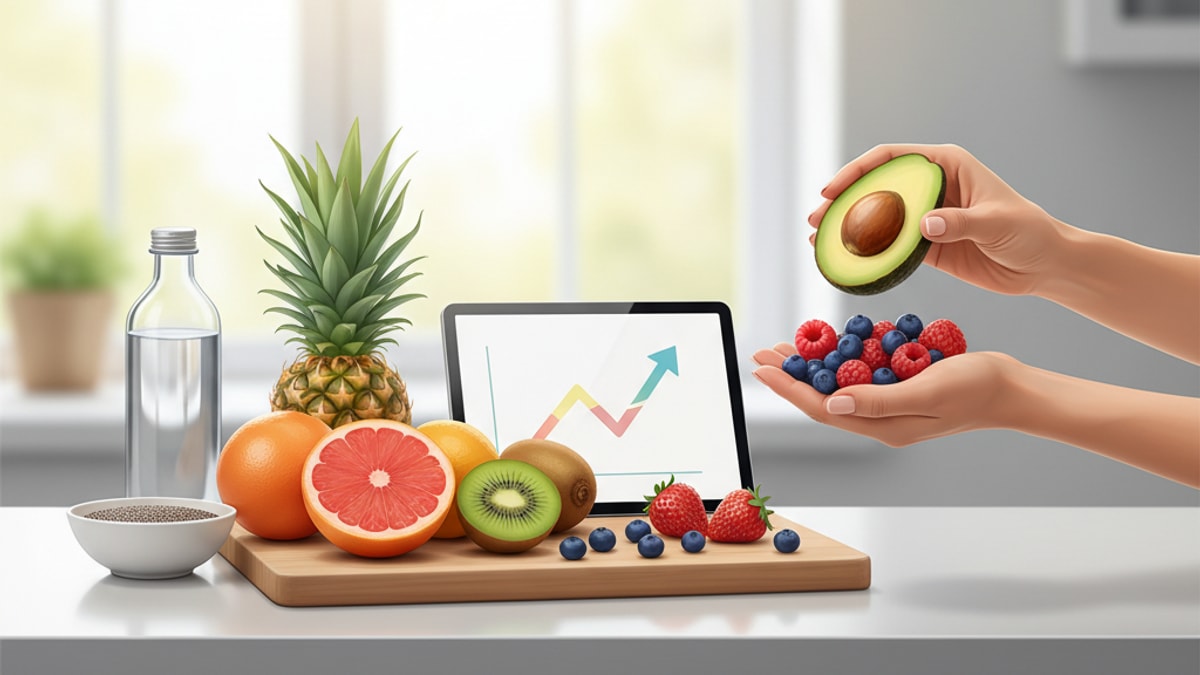
Let's be honest. The question, “what is the best fruit for weight loss?” is one our team hears constantly. It’s a search for a silver bullet, a single, perfect answer to a complex metabolic puzzle. People want that one magical fruit they can eat to melt away pounds. We get it. The desire for a simple solution in a world of complicated diet plans is completely understandable.
But here’s the unflinching truth we’ve learned from years of clinical experience: there isn't just one. That's actually the good news. Instead of a single 'best' fruit, there's a whole category of phenomenal choices, and understanding why they work is infinitely more powerful than just memorizing a list. It's about shifting your mindset from finding a magic bullet to building a sustainable, effective nutritional strategy. And that’s exactly what we’re going to break down for you here.
The Great Fruit Fear: Unpacking the Sugar Myth
First, we need to address the elephant in the room: sugar. For years, fruit has been unfairly demonized in some diet circles because of its fructose content. The fear is that eating fruit will spike your blood sugar, hinder fat loss, and sabotage your efforts. It's a concern that seems logical on the surface, but it misses the entire biological picture. We can't stress this enough: the sugar in a whole apple is not the same as the sugar in a can of soda or a candy bar.
Why? It comes down to the package deal. Whole fruits deliver their natural sugars wrapped in a matrix of fiber, water, vitamins, and powerful antioxidants. This isn't just filler; it's a critical, non-negotiable element of how your body processes that sugar. The fiber dramatically slows down the absorption of fructose into your bloodstream, preventing the sharp insulin spikes that are associated with processed sugars and refined carbs. Think of it as a built-in safety mechanism. A piece of fruit provides a slow, steady release of energy, whereas a sugary drink unleashes a catastrophic flood, overwhelming your system and promoting fat storage. Our experience shows that patients who embrace whole fruits, while managing overall calorie intake, see far better and more sustainable results than those who try to eliminate them entirely.
It’s a nuanced point, but a vital one. Cutting out nutrient-dense, fiber-rich fruits out of a fear of sugar is often a step in the wrong direction. The real enemies are the processed, fiber-less, empty-calorie sugars that hide in so many packaged foods and beverages. So, let’s put that fear to rest and move on to what actually matters.
The Hallmarks of a Weight-Loss Champion Fruit
So if it's not just about sugar, what makes a fruit a superstar for weight management? It boils down to a few key characteristics that work together to support your metabolism, control your appetite, and provide essential nutrition. These are the factors our team always looks for.
1. Formidable Fiber Content: This is the big one. Fiber is your best friend on a weight loss journey. There are two types, soluble and insoluble, and both are critical. Soluble fiber dissolves in water to form a gel-like substance in your gut, which slows down digestion. This makes you feel fuller for much longer, crushing cravings and reducing the likelihood you'll overeat later. Insoluble fiber adds bulk to your stool, promoting regularity and gut health. Fruits loaded with fiber are, by nature, more satisfying and less likely to be eaten in excess.
2. High Water Volume: Fruits with high water content are less calorically dense. This means you can eat a larger, more visually satisfying portion for fewer calories. Think about it: a cup of grapes (mostly water) feels much more substantial than a tiny handful of raisins (dehydrated grapes with concentrated sugar and calories). This concept, known as volume eating, is a powerful psychological and physiological tool for weight management. It helps fill your stomach and signal satiety to your brain without overloading your system with calories.
3. Low Glycemic Index (GI): The Glycemic Index is a measure of how quickly a food raises blood glucose levels. As we discussed, fruits with more fiber generally have a lower GI. Choosing low-GI fruits helps maintain stable blood sugar and insulin levels. This is crucial because sharp insulin spikes can shut down fat burning and increase fat storage. Stable energy levels also mean fewer energy crashes and sugar cravings. It’s a win-win.
4. Nutrient Density: A weight loss phase isn't just about cutting calories; it's about maximizing nutrition from the calories you do consume. The best fruits are packed with vitamins, minerals, and antioxidants that support overall health, reduce inflammation, and ensure your body is functioning optimally. When your body is well-nourished, it's a happier, more efficient machine. Simple, right?
Our Team's Top Picks for Your Weight Loss Journey
Now for the part you’ve been waiting for. Based on the criteria above, here are the fruits our clinical team consistently recommends to patients looking to support their weight management goals. This isn't just a random list; it's backed by science and our direct professional observation.
Berries (Strawberries, Blueberries, Raspberries, Blackberries)
If there were a 'king' category, this would be it. Berries are nutritional powerhouses. They are exceptionally low in calories and sugar but ridiculously high in fiber and antioxidants. A whole cup of strawberries has only about 50 calories but delivers 3 grams of fiber. Raspberries are the fiber champions, packing an incredible 8 grams of fiber per cup. This potent combination of low calories and high fiber makes them incredibly filling. Furthermore, the antioxidants they contain, like anthocyanins, have been shown to have beneficial effects on metabolism and inflammation. They're perfect for adding to yogurt, oatmeal, or just eating by the handful.
Grapefruit
This one is an old-school diet classic for a reason. It's not magic, but it's close. Grapefruit is over 90% water, making it incredibly hydrating and low in calories. Half a medium grapefruit has under 60 calories and 2 grams of fiber. Some studies have suggested a link between grapefruit consumption and improved insulin resistance. While we wouldn't call it a fat-burning miracle food, its high water and fiber content, combined with its low calorie count, make it an excellent choice for an appetizer before a meal to help you feel fuller and eat less overall.
Apples
An apple a day might not keep the doctor away, but it can certainly help with weight management. Apples are a fantastic source of soluble fiber, particularly pectin, which slows digestion and promotes a feeling of fullness. They are satisfyingly crunchy, which forces you to slow down and chew more, giving your brain time to register that you're full. A medium apple is a perfect, portable, 100-calorie snack that can easily stave off hunger between meals. Just be sure to eat the skin—that's where a huge portion of the fiber and nutrients are hiding.
Avocado
Wait, isn't avocado a high-fat, high-calorie food? Yes. And that's precisely why it's on this list. This is where we need to think beyond just calories. Avocados are technically a single-seeded berry, and they are loaded with healthy monounsaturated fats and a surprising amount of fiber (around 10 grams in a medium avocado!). This fat-fiber combination is the ultimate satiety signal. It crushes hunger for hours. While you do need to be mindful of portion sizes, incorporating a quarter or half an avocado into a meal can dramatically increase satisfaction and prevent snacking. It’s a testament to the fact that healthy fats are a critical part of a successful weight loss plan.
Pears
Often overlooked for their more popular cousin, the apple, pears are another fiber superstar. A single medium-sized pear can provide about 6 grams of fiber, which is nearly a quarter of the daily recommended intake for women. Like apples, they have a high water content and a satisfying texture. Their slightly gritty texture comes from lignans, a type of fiber that contributes to their impressive filling effect. They are a fantastic choice for anyone looking to boost their fiber intake easily.
Kiwifruit
Don't let their small size fool you. These fuzzy little fruits are packed with nutrients, including an impressive amount of fiber and vitamin C. Just one kiwi contains over 2 grams of fiber. They also contain an enzyme called actinidin, which can aid in the digestion of protein. They have a unique sweet-tart flavor that can satisfy a sugar craving for very few calories. We've found them to be a great addition to a balanced breakfast or as a simple dessert.
A Quick Comparison of Popular Fruits
To put things into perspective, we've built a quick reference table. This isn't about labeling fruits as 'good' or 'bad'—it's about understanding their nutritional profile so you can make informed choices that align with your goals. Notice the relationship between fiber, sugar, and calories.
| Fruit (1 cup serving) | Calories (approx.) | Fiber (g) | Sugar (g) | Key Benefit |
|---|---|---|---|---|
| Raspberries | 64 | 8.0 | 5.4 | Highest fiber, low sugar, very filling |
| Blackberries | 62 | 7.6 | 7.0 | Excellent fiber, rich in antioxidants |
| Strawberries | 49 | 3.0 | 7.4 | Low calorie, high water content, versatile |
| Apple (sliced) | 65 | 3.0 | 13.0 | High in pectin fiber, satisfying crunch |
| Pear (sliced) | 85 | 4.6 | 14.5 | Great source of fiber, aids digestion |
| Grapefruit (sections) | 74 | 2.5 | 15.6 | High water content, low calorie density |
| Grapes | 104 | 1.4 | 23.4 | High sugar/low fiber, best in moderation |
| Banana (sliced) | 133 | 3.9 | 18.0 | Higher calorie, good for energy, contains starch |
Beyond the Fruit Bowl: Smart Strategies for Success
Knowing what to eat is only half the battle. How you eat it is just as important. Simply adding more fruit to a poor diet won't move the needle. Here are some practical, effective strategies our team recommends for integrating fruit into a successful weight loss plan.
Watch Your Portions: Fruit is healthy, but calories still count. It's easy to overdo it, especially with sweeter fruits like mangoes, cherries, and grapes. A good rule of thumb is to stick to a serving size that fits in the palm of your hand or about one cup for berries and melons. Using measuring cups for a while can be an eye-opening experience.
Pair it with Protein or Fat: To maximize satiety and further stabilize blood sugar, try pairing your fruit with a source of protein or healthy fat. Instead of just an apple, have an apple with a tablespoon of almond butter. Instead of just a bowl of berries, have them with a serving of plain Greek yogurt. This combination creates a more complete, balanced snack that will keep you full and energized for much longer. It's a simple tweak that makes a dramatic difference.
Choose Whole Fruit, Not Juice: This is a critical, non-negotiable rule. Fruit juice is not the same as whole fruit. Juicing strips away all the beneficial fiber, leaving you with a concentrated shot of sugar that will absolutely spike your blood sugar. It's one of the fastest ways to consume a huge number of calories without feeling full. Always, always choose the whole fruit over its liquid counterpart.
Don't Fear Frozen: Frozen fruit is a fantastic and affordable option. Fruits are typically flash-frozen at their peak ripeness, which locks in their nutrients. In some cases, frozen fruit may even be more nutrient-dense than fresh fruit that has been sitting on a truck and then a grocery store shelf for weeks. It's perfect for smoothies (paired with a protein source, of course!) or for thawing and adding to yogurt.
When Diet Alone Isn't Cutting It: The TrimrX Approach
A healthy diet, rich in the right kinds of fruits and vegetables, is the bedrock of any successful weight management plan. It’s fundamental. But for many people, especially those dealing with hormonal imbalances, metabolic resistance, or significant amounts of weight to lose, diet and exercise alone can feel like an impossible, uphill battle.
This is where a comprehensive, medically-supervised approach can be a game-changer. At TrimrX, we see nutrition as one crucial pillar supporting a larger structure. Our programs, which utilize FDA-registered GLP-1 medications like Semaglutide and Tirzepatide, work by targeting the underlying biology of hunger and satiety. These treatments help regulate appetite and improve how your body processes sugar, making it profoundly easier to stick to a healthy eating plan. They don't replace the need for good nutrition; they amplify its effects.
Think of it this way: the fruits we've discussed help you feel full and manage cravings through fiber and water volume. GLP-1 medications work on a hormonal level to send powerful satiety signals to your brain. When you combine these two approaches—a smart nutritional strategy and a supportive medical treatment—the results can be transformative. The relentless 'food noise' quiets down, allowing you to make conscious, healthy choices without feeling like you're in a constant state of deprivation. If you're curious whether this kind of integrated approach is right for you, you can Take Quiz to see if you're a candidate.
Our philosophy is about using every effective tool available. It’s about creating a personalized plan where smart food choices and medical science work in harmony. For those ready to move beyond the cycle of frustrating diets, it might be time to Start Your Treatment.
Ultimately, the journey to a healthy weight is deeply personal. The best fruit for weight loss is the one you enjoy and will eat consistently as part of a balanced, calorie-controlled diet. It's not about finding a single 'magic' food, but about building a sustainable pattern of smart, informed choices. Use this knowledge not as a rigid set of rules, but as a flexible guide to help you build a healthier, more satisfying relationship with food. It’s about progress, not perfection.
Frequently Asked Questions
Are bananas bad for weight loss because they are high in sugar?
▼
Not at all. While bananas are higher in sugar and calories than berries, they also contain fiber and resistant starch, which can promote fullness. They are a great source of energy, especially before a workout. The key, as with all fruits, is portion control.
Can I eat too much fruit on a weight loss diet?
▼
Yes, it is possible. Fruit contains calories and sugar, and consuming them in very large quantities can contribute to a calorie surplus. We recommend aiming for 2-3 controlled portions of fruit per day as part of a balanced diet.
Should I avoid dried fruit when trying to lose weight?
▼
Our team generally recommends limiting dried fruit. The dehydration process removes water and concentrates the sugar and calories, making it very easy to overeat. A small handful of raisins has the same number of calories as over a cup of grapes.
Is it better to eat fruit in the morning or at night?
▼
The best time to eat fruit is whenever it fits into your schedule and helps you manage hunger. There’s no metabolic ‘magic’ to timing. However, pairing it with protein for breakfast can help with satiety throughout the day.
Do I need to eat only organic fruit for weight loss?
▼
No, organic fruit is not a requirement for weight loss. The benefits of conventional fruit far outweigh any potential risks. The most important factor is increasing your overall intake of fruits and vegetables, whether they are organic or not.
Can a fruit-only diet help me lose weight quickly?
▼
We strongly advise against fruit-only diets. While you might lose weight initially due to calorie restriction, these diets are unsustainable and nutritionally deficient, lacking protein, healthy fats, and other essential nutrients. This can lead to muscle loss and a slower metabolism.
Which fruit has the least amount of sugar?
▼
Berries, like raspberries and strawberries, are among the lowest-sugar fruits. Lemons and limes are also very low, though not typically eaten whole. These are excellent choices for those closely monitoring their sugar intake.
Does grapefruit really burn fat?
▼
No single food can ‘burn’ fat. Grapefruit’s reputation comes from its high water content and fiber, which help you feel full on very few calories. This can lead to a lower overall calorie intake, which is what drives fat loss.
How does fruit fit into a plan with GLP-1 medications like Semaglutide?
▼
Fruit is an excellent component of a diet while on GLP-1 medications. These medications reduce appetite, making it easier to choose nutritious, lower-calorie options like high-fiber fruits. They help you get essential vitamins and fiber without feeling deprived.
Are fruit smoothies a good choice for weight loss?
▼
They can be, but you have to be careful. A well-made smoothie with whole fruit, a protein source like Greek yogurt or protein powder, and a healthy fat can be a balanced meal. However, many commercial smoothies are loaded with added sugars and juices, making them calorie bombs.
What about tropical fruits like mango and pineapple?
▼
Tropical fruits like mango and pineapple are delicious and nutritious, but they are also higher in sugar and calories compared to berries or melons. We recommend enjoying them in moderation and being mindful of your portion sizes.
Can I get all my fiber from fruit?
▼
While fruit is a fantastic source of fiber, it’s best to get fiber from a variety of sources. Vegetables, whole grains, nuts, and legumes all provide different types of fiber and nutrients that contribute to overall gut health and satiety.

Transforming Lives, One Step at a Time
Keep reading

Do You Need a Prescription for GLP-1s? The 2026 Answer
Wondering ‘do you need a prescription for glp 1’ in 2026? Yes. We explain why a doctor’s oversight is critical for safe, effective results.

How to Get GLP-1 Covered By Insurance: Our 2026 Playbook
Struggling with how to get glp-1 covered by insurance? Our 2026 guide breaks down prior authorizations, appeals, and documentation.

Traveling with GLP-1s in 2026: Your Essential Trip-Proof Plan
Don’t let travel disrupt your GLP-1 treatment. Learn how to travel with glp 1 medications safely and stress-free in our 2026 expert guide.


