What Is the Best Protein for Weight Loss? Our Expert Take
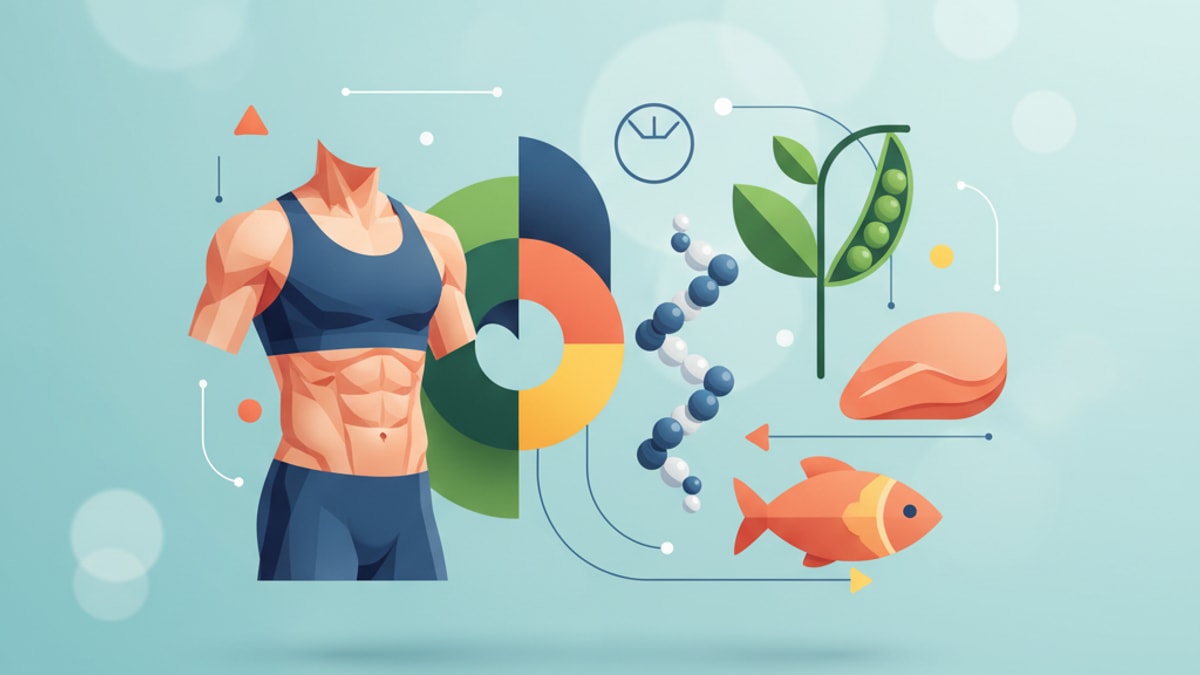
Let's be honest. Walking down the supplement aisle or scrolling online for protein powders feels a lot like navigating a sprawling, confusing labyrinth. You're met with a wall of brightly colored tubs, all screaming promises of lean muscle, rapid fat loss, and peak performance. Whey isolate, casein, plant-based blends, collagen… the list is formidable. It’s overwhelming. You're just trying to find a straightforward answer to a seemingly simple question: what is the best protein for weight loss?
Our team at TrimrX works with this question every single day. We guide patients through medically-supervised weight loss journeys, often incorporating powerful tools like GLP-1 medications, and we can't stress this enough: nutrition is the bedrock of sustainable success. Protein isn't just a supplement for bodybuilders; it's a critical, non-negotiable tool for anyone serious about losing weight and keeping it off. It’s the architectural framework for a healthier metabolism. So, let’s cut through the noise together. We’re here to give you the unvarnished truth based on science and our extensive clinical experience.
Why Protein Is Your Weight Loss Ally
Before we even touch on which type of protein is best, we need to be crystal clear on why it's so vital. Understanding the mechanics here is what separates fleeting results from lasting change. Protein isn't magic, but its effects on the body can feel pretty close when you're trying to shed pounds.
First up is satiety. This is a big one. Protein is, by a significant margin, the most satiating macronutrient. This means it helps you feel fuller for longer compared to fats and carbohydrates. Think about it: a chicken breast and broccoli will keep you satisfied for hours, while a bagel might have you reaching for a snack in sixty minutes. This happens because protein influences the hormones that control hunger, like ghrelin (the 'hunger hormone') and peptide YY (a hormone that signals fullness). By taming your appetite, a higher protein intake makes it fundamentally easier to stick to a calorie deficit without feeling constantly deprived. It’s a game-changer.
Then there's the Thermic Effect of Food (TEF). Your body actually burns calories just digesting and processing the food you eat. It's a fascinating piece of our metabolic machinery. Protein has the highest TEF of all macronutrients. Roughly 20-30% of the calories from protein are burned off during digestion. For carbs, it's about 5-10%, and for fats, it's a mere 0-3%. So, on a 2000-calorie diet, simply shifting more of your calories to come from protein sources can increase your daily energy expenditure. It’s like getting a small metabolic boost from every meal.
Finally, and this is absolutely critical, protein helps preserve lean muscle mass. When you're in a calorie deficit to lose weight, your body doesn't just burn fat. It can also break down muscle tissue for energy, which is catastrophic for your metabolism. Muscle is metabolically active tissue; the more you have, the more calories you burn at rest. Losing it slows your metabolism down, making weight loss harder and weight regain more likely. A sufficient protein intake provides your body with the amino acids it needs to protect—and even build—muscle while you're primarily burning fat. This is especially important for patients on our TrimrX programs using Semaglutide or Tirzepatide, as we want to ensure the weight lost is overwhelmingly fat, not precious muscle.
The Contenders: A Deep Dive into Protein Types
Okay, now for the main event. You know why you need it, but which one should you choose? The answer is nuanced and often depends on your individual needs, digestion, and lifestyle. We’ve found that there's no single 'best' for everyone, but there's definitely a 'best' for you.
Whey Protein: The Gold Standard
When most people think of protein powder, they think of whey. It's a byproduct of cheese production and is a complete protein, meaning it contains all nine essential amino acids your body can't produce on its own. It's popular for a reason: it works.
- Whey Concentrate: This is the most common and least processed form. It typically contains about 70-80% protein by weight, with the remainder being lactose (milk sugar) and fat. It has a great taste and texture, and it's usually the most affordable. If you don't have issues with dairy, concentrate is a fantastic starting point.
- Whey Isolate: This form undergoes more processing to remove most of the lactose and fat, resulting in a higher protein concentration—usually 90% or more. This makes it a stellar choice for people with lactose intolerance or those on a very strict low-carb or low-fat diet. It's absorbed by the body very quickly, making it ideal for post-workout recovery.
- Whey Hydrolysate: This is the most processed (and most expensive) form. It's been 'pre-digested,' meaning the protein has been broken down into smaller peptides for the fastest possible absorption. While the speed is impressive, our experience shows that for general weight loss, the practical difference between hydrolysate and isolate is often negligible. The bitter taste can also be a turn-off for many.
Our take: For most people, whey isolate offers the best balance of purity, effectiveness, and digestibility. It’s our team's go-to recommendation for a fast-acting protein to use around workouts or in a morning smoothie.
Casein Protein: The Slow-Burner
Casein is the other protein found in milk, making up about 80% of its protein content (whey is the other 20%). The key difference lies in its digestion speed. While whey is a 'fast' protein, casein is a 'slow' one. It forms a gel-like substance in the stomach, leading to a much slower, more sustained release of amino acids into the bloodstream.
This slow-drip effect makes casein an excellent choice for maintaining satiety over long periods. We often recommend it as a nighttime snack or a meal replacement shake when you know you won't be able to eat for several hours. That sustained release can help prevent late-night hunger pangs and keep your muscles fed with amino acids overnight, aiding in recovery and preventing muscle breakdown.
The texture is typically thicker than whey, which some people love for making protein 'pudding' or thicker shakes. It's a fantastic tool for appetite control.
Plant-Based Proteins: The Rise of the Underdogs
The plant-based protein market has exploded, and for good reason. For those who are vegan, dairy-free, or simply looking to diversify their protein sources, these are excellent options. But they aren't all created equal.
- Soy Protein: One of the few plant sources that is a complete protein. It has a solid track record and is very effective for muscle building. However, it's a common allergen and some people have concerns about phytoestrogens (though most research suggests moderate consumption is perfectly safe).
- Pea Protein: This has become incredibly popular. It's rich in branched-chain amino acids (BCAAs), which are crucial for muscle growth, and it's highly digestible and hypoallergenic. On its own, it's a bit low in the amino acid methionine, which is why it's often blended with another protein source.
- Rice Protein: Another great hypoallergenic option. Like pea protein, it's not complete on its own (it's low in lysine), but when combined with pea protein, they form a complete amino acid profile that rivals whey. This pea/rice blend is one of the most effective plant-based formulas our team has seen.
- Hemp Protein: While it contains all essential amino acids, it's lower in protein concentration overall and higher in fiber and healthy fats. It's a fantastic nutritional supplement but might not be the most efficient choice if your primary goal is hitting a high protein target for muscle preservation.
Our key insight: When choosing a plant-based protein, look for a blend of multiple sources (like pea and rice) to ensure you're getting a complete amino acid profile. A single-source plant protein is good, but a well-formulated blend is great.
Protein Source Comparison
To make it even clearer, here's a quick breakdown of how these options stack up. This is the kind of practical comparison we use to help our patients make informed choices.
| Feature | Whey Protein Isolate | Casein Protein | Plant-Based Blend (Pea/Rice) | Whole Food (Chicken Breast) |
|---|---|---|---|---|
| Digestion Speed | Very Fast | Very Slow | Medium | Slow |
| Amino Acid Profile | Complete & High in Leucine | Complete | Complete | Complete |
| Best For | Post-workout, morning shakes | Before bed, between meals | Any time, dairy-free needs | Meals, ultimate satiety |
| Satiety (Fullness) | Moderate | Very High | High | Very High |
| Allergens | Lactose (very low), dairy | Dairy, Lactose | Generally hypoallergenic | None |
Don't Forget Whole Foods
This is a point we absolutely have to hammer home. Protein powders are supplements. They supplement a healthy diet; they don't replace it. The foundation of your protein intake should always come from high-quality whole foods. Chicken breast, fish, lean beef, eggs, Greek yogurt, cottage cheese, lentils, chickpeas, and tofu are all phenomenal sources.
Why? Because whole foods provide a matrix of other essential nutrients—vitamins, minerals, fiber, and healthy fats—that you just don't get from an isolated powder. The act of chewing and digesting solid food also contributes more to satiety than drinking a shake. Our approach at TrimrX is holistic; we use medical tools to kickstart the journey, but long-term success is built on solid nutritional habits. A scoop of protein powder is convenient, but a well-prepared meal is foundational.
How Much Protein is Enough?
So, what's the magic number? It's not as complicated as you might think. The standard dietary allowance is quite low and really only designed to prevent deficiency, not to optimize body composition during weight loss.
For active individuals looking to lose fat while preserving muscle, the scientific literature and our clinical experience point to a much higher range: 1.6 to 2.2 grams of protein per kilogram of body weight (or about 0.7 to 1.0 grams per pound).
Let’s make that practical. For a 180-pound person, this would be a target of 126 to 180 grams of protein per day. That might sound like a lot, but it's achievable when you make protein the centerpiece of every meal and snack. A chicken breast, a serving of Greek yogurt, a couple of eggs, and one protein shake can easily get you there. This consistent intake is what helps keep hunger at bay and your metabolism humming.
Protein and GLP-1 Medications: The Synergistic Powerhouse
Now, this is where it gets really interesting for many of our patients. We specialize in medically-supervised weight loss using GLP-1 agonists like Semaglutide and Tirzepatide. These medications are incredibly effective at reducing appetite and improving metabolic health, but they work best as part of a comprehensive strategy. And protein is a non-negotiable part of that strategy.
When your appetite is significantly reduced by the medication, every bite counts. You're eating less, so it's paramount that the food you do eat is nutrient-dense. A high-protein diet ensures your body gets the building blocks it needs to maintain muscle mass even as the pounds are dropping off. Remember, we want you to lose fat, not muscle. Preserving that metabolically active tissue is the key to avoiding the dreaded weight regain once you've reached your goal.
Furthermore, some people can experience a bit of fatigue on these medications, and we’ve found that a steady intake of protein helps maintain energy levels and overall well-being. It provides a stable source of fuel and supports all of your body’s functions. The combination of a GLP-1 medication to recalibrate your body's set point and a high-protein diet to reshape your body composition is a powerful, synergistic one-two punch for sustainable weight loss. It's a protocol we've refined over years because it delivers real, lasting results. If you’re curious about how this integrated approach could work for you, you can Take Quiz to see if you're a candidate.
Reading the Label: What to Look For
When you're ready to buy, don't just grab the tub with the best marketing. Turn it around and actually read the label. Here's what our team looks for:
- Protein Per Serving: Look for at least 20-25 grams of protein per scoop.
- Minimal Added Sugars: Some brands pack their powders with sugar to improve taste. Look for one with 1-2 grams of sugar or less per serving.
- Third-Party Testing: Look for seals from organizations like NSF Certified for Sport or Informed-Sport. This means an independent company has verified that what's on the label is actually in the tub and that it's free from banned substances.
- Avoid 'Proprietary Blends': This is a red flag. It allows companies to hide the exact amount of each ingredient they're using. You want transparency.
So, what is the best protein for weight loss? It’s the one that is high-quality, fits your dietary needs and budget, and that you can consume consistently. For post-workout, a fast-absorbing whey or plant-based isolate is fantastic. For all-day satiety or a bedtime snack, slow-digesting casein or a whole-food source like Greek yogurt is superior.
Ultimately, protein is a tool. It's an incredibly effective tool, but it's just one piece of the puzzle. It supports your efforts in the gym and in the kitchen. It works hand-in-hand with modern medical treatments to produce results that were once incredibly difficult to achieve. The goal isn't just to lose weight, but to build a stronger, healthier, more resilient body in the process. And that process starts with giving your body the right fuel. If you're ready to combine this powerful nutritional strategy with a medically-guided plan, you can Start Your Treatment with us today.
Frequently Asked Questions
Can I lose weight just by drinking protein shakes?
▼
No, protein shakes are a supplement to aid weight loss, not a magic solution. You still need to maintain a consistent calorie deficit through a balanced diet and exercise. Shakes can make this easier by controlling hunger and preserving muscle.
Is whey protein better than plant-based protein for weight loss?
▼
Not necessarily. Both can be equally effective for weight loss as long as you’re getting a complete amino acid profile. A high-quality plant-based blend can perform just as well as whey for building muscle and promoting satiety.
Will eating too much protein damage my kidneys?
▼
For individuals with healthy kidneys, a high-protein diet is generally considered safe. The notion that it causes kidney damage is a persistent myth. However, if you have pre-existing kidney disease, you should consult your doctor.
What’s the best time of day to take protein for weight loss?
▼
While post-workout is beneficial for recovery, for weight loss, the most important factor is hitting your total daily protein goal. Spreading your intake throughout the day is best for managing hunger and maintaining a steady supply of amino acids.
Can I get all my protein from whole foods instead of powders?
▼
Absolutely! In fact, we encourage it. Whole foods should be your primary source of protein. Powders are simply a convenient and efficient way to help you reach your daily target, especially on busy days or around workouts.
Does collagen count towards my daily protein goal for weight loss?
▼
While collagen is a protein, it has an incomplete amino acid profile and is not ideal for muscle protein synthesis. Our team recommends you don’t count it toward your primary protein target for muscle preservation during weight loss. Think of it as a bonus supplement for skin, hair, and joint health.
Will protein powder make me bulky?
▼
This is a common concern, especially among women. The answer is a definitive no. Gaining significant muscle mass (bulk) requires a substantial calorie surplus and specific, intensive resistance training. For weight loss, protein helps you build and retain lean, toned muscle, which boosts metabolism.
How does protein help when taking a GLP-1 medication like Semaglutide?
▼
GLP-1 medications reduce appetite, making it crucial that your food is nutrient-dense. A high-protein diet ensures you preserve lean muscle while losing fat, helps manage satiety even with smaller portions, and supports overall energy levels.
Is casein or whey better for appetite control?
▼
Casein is generally better for long-term appetite control because it digests very slowly, providing a sustained feeling of fullness. We often recommend it for between meals or as a pre-bedtime snack to prevent hunger.
Can I mix my protein powder with milk instead of water?
▼
Yes, you can. Mixing with milk (dairy or plant-based) will add more protein, calories, and nutrients. It also creates a creamier texture, which many people prefer. Just be sure to account for the extra calories in your daily tracking.
What’s the difference between whey concentrate and isolate?
▼
Whey isolate is more filtered than concentrate, containing a higher percentage of protein and less lactose and fat. Isolate is a better choice if you are lactose intolerant or want a purer, faster-absorbing protein source.
Are expensive protein powders worth the money?
▼
Not always. A higher price can sometimes mean better quality and third-party testing, which is important. However, many expensive brands are just selling marketing. Focus on the ingredient list and certifications, not just the price tag.

Transforming Lives, One Step at a Time
Keep reading

Do You Need a Prescription for GLP-1s? The 2026 Answer
Wondering ‘do you need a prescription for glp 1’ in 2026? Yes. We explain why a doctor’s oversight is critical for safe, effective results.

How to Get GLP-1 Covered By Insurance: Our 2026 Playbook
Struggling with how to get glp-1 covered by insurance? Our 2026 guide breaks down prior authorizations, appeals, and documentation.

Traveling with GLP-1s in 2026: Your Essential Trip-Proof Plan
Don’t let travel disrupt your GLP-1 treatment. Learn how to travel with glp 1 medications safely and stress-free in our 2026 expert guide.


