Best Protein Powder for Weight Loss? Our Unflinching Take
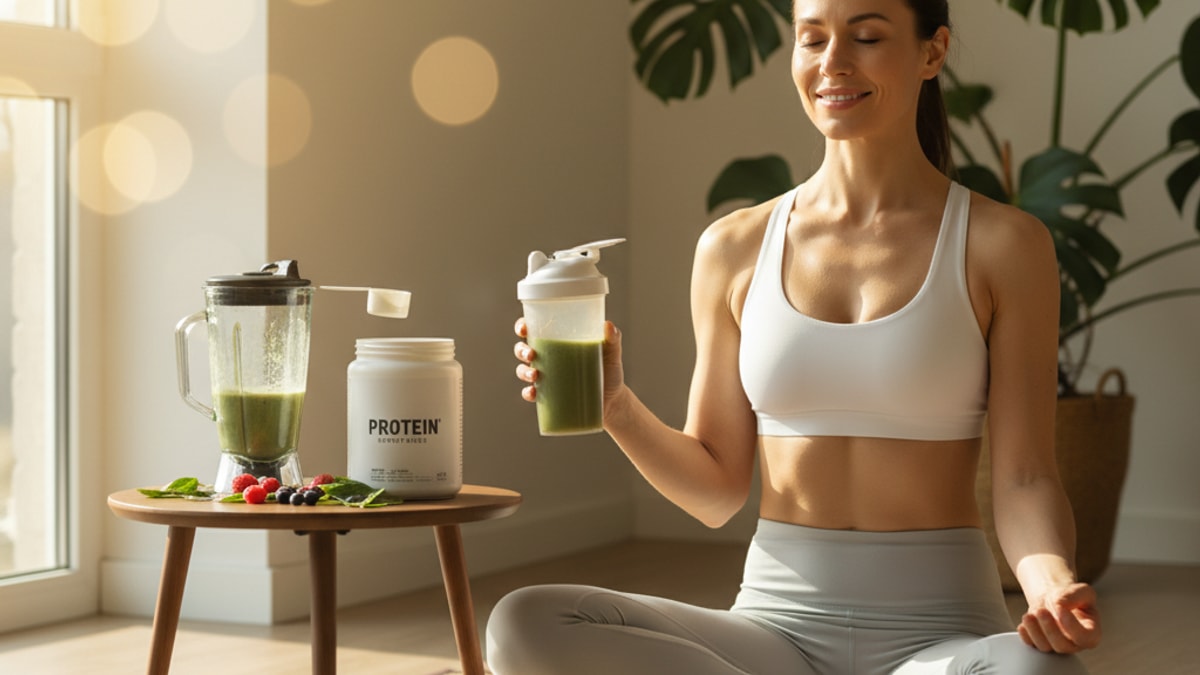
Let's walk through a familiar scene. You're standing in the supplement aisle, faced with a literal wall of massive plastic tubs. Every single one has bold, aggressive lettering promising lean muscle, rapid fat loss, and a complete body transformation. It’s overwhelming. The labels are confusing, the claims are huge, and you’re left wondering a very simple question: what is the best protein powder for weight loss, really?
Here at TrimrX, our entire focus is on the science of metabolic health and sustainable, medically-supervised weight loss. We work with powerful tools like GLP-1 medications that address the deep-seated biological drivers of weight gain. So when we look at a question like this, our perspective is a little different. We see protein powder not as a magic bullet, but as a critical, strategic tool. It's an ally that supports your body's needs during a period of change. It’s about preserving what matters—your muscle and metabolic rate—while you shed fat. So let's cut through the marketing hype and talk about what actually works.
Why Protein is a Non-Negotiable for Weight Loss
Before we even touch a single tub of powder, we need to be crystal clear on why protein is so important. Honestly, if you ignore this part, the rest doesn't matter. Getting enough protein during a weight loss phase isn't just a suggestion; it's a foundational pillar for success. We've seen it time and time again with our clients.
First, there's the power of satiety. Protein is, calorie for calorie, the most filling macronutrient. When you consume a protein-rich meal or shake, it triggers the release of gut hormones like PYY and GLP-1 (yes, the very same hormone our medications target) that signal to your brain, 'Hey, we're full. You can stop eating now.' This makes sticking to a calorie deficit feel less like a battle of relentless deprivation and more like a manageable plan. It’s a game-changer for cravings.
Then there's the Thermic Effect of Food, or TEF. This sounds complex, but it's simple. Your body has to expend energy (burn calories) to digest and process the food you eat. Protein has a much higher TEF than fats or carbohydrates. Roughly 20-30% of the calories from protein are burned off during digestion. For carbs, it's 5-10%, and for fats, it's a mere 0-3%. It’s like getting a small metabolic boost from your food itself. It’s not a massive number, but over weeks and months, it absolutely adds up.
But here’s the most crucial point, and we can't stress this enough: muscle preservation. When you lose weight, your body doesn't just burn fat. It will happily burn through your metabolically active muscle tissue, too. This is catastrophic for long-term success. Why? Because muscle is your metabolic engine. The more you have, the more calories you burn at rest. Losing muscle means your metabolism slows down, making it progressively harder to lose weight and much, much easier to regain it later. A high-protein intake, combined with some resistance training, tells your body to spare the precious muscle and burn the stored fat instead. This is the secret to not just losing weight, but changing your body composition for the better.
Whey Protein: The Fast-Acting Champion
When most people think of protein powder, they think of whey. It's the most popular, most studied, and for good reason. Derived from milk during the cheesemaking process, it's a complete protein, meaning it contains all nine essential amino acids your body can't produce on its own.
It’s particularly rich in branched-chain amino acids (BCAAs), especially leucine, which is the primary amino acid responsible for kick-starting muscle protein synthesis—the process of repairing and building muscle. Because it's digested very quickly, it gets those amino acids into your bloodstream and to your muscles fast, making it a fantastic choice for post-workout recovery.
But not all whey is created equal. You'll typically see three types:
- Whey Concentrate: This is the least processed form. It contains some fat and carbohydrates (in the form of lactose). The protein content usually ranges from 70-80%. It's often the best-tasting and most affordable, but if you're sensitive to lactose, it might cause some digestive discomfort.
- Whey Isolate: This is our team's usual recommendation for weight loss. It's further processed to remove most of the fat and lactose, resulting in a powder that's typically 90% or more protein by weight. It has fewer calories, carbs, and fat per serving, making it a much leaner choice. It's ideal for those in a strict calorie deficit.
- Whey Hydrolysate: This is a pre-digested form of whey, meaning the protein chains have been broken down into smaller pieces. It's absorbed the fastest of all, but it often comes with a more bitter taste and a much higher price tag. For the average person focused on weight loss, the marginal benefit in absorption speed is rarely worth the extra cost. Stick with isolate.
Whey isolate is a formidable tool. It’s efficient, effective, and incredibly versatile.
Casein Protein: The Slow and Steady Strategist
Casein is the other protein found in milk, making up about 80% of it (whey is the other 20%). The key difference lies in its digestion speed. While whey is a flash flood of amino acids, casein is a slow-moving river. When it hits your stomach, it forms a gel-like substance, leading to a much slower, more sustained release of amino acids into your system over several hours.
What does this mean for weight loss?
Two words: prolonged satiety.
That slow-digesting nature makes casein an absolute superstar for keeping you full. A casein shake can crush hunger for hours, making it an excellent choice for a meal replacement or as a snack between meals to prevent mindless grazing. Our experience shows that a common downfall in many weight loss plans is late-night snacking. A small casein shake or pudding (it mixes up very thick) an hour before bed can be the perfect solution. It satisfies that craving for something sweet and substantial while providing a steady stream of amino acids to your muscles overnight, which can help prevent muscle breakdown while you sleep.
It might not have the immediate post-workout 'punch' of whey, but for overall calorie control and hunger management throughout the day and night, casein is an incredibly valuable, often overlooked, asset.
Plant-Based Proteins: The Evolving Powerhouses
The world of plant-based protein powders has exploded in recent years, and the quality has improved dramatically. They're no longer the gritty, earthy concoctions they once were. For those who are lactose intolerant, vegan, or simply want to reduce their dairy consumption, these are fantastic options.
The main challenge with plant proteins has historically been their amino acid profile. Many plant sources (like rice or hemp) are 'incomplete,' meaning they're low in one or more of the nine essential amino acids. However, the industry has solved this brilliantly with blends.
By combining different plant sources, companies can create a complete amino acid profile that rivals whey. The most common and effective blends we see are:
- Pea and Rice Protein: This is the dynamic duo of the plant-based world. Pea protein is rich in lysine (which rice protein lacks), and rice protein is high in methionine (which pea protein is low in). Together, they create a full-spectrum, highly effective protein powder.
- Soy Protein: Soy is one of the few plant sources that is a complete protein on its own. It's effective and has a good track record in studies. Some people have concerns about phytoestrogens, but the vast body of scientific literature suggests that in normal amounts, soy protein is perfectly safe and beneficial.
- Hemp Protein: Hemp is a good source of protein and also provides healthy fats and fiber. It's often lower in protein percentage per scoop than other options, but it brings other nutritional benefits to the table.
When choosing a plant-based powder for weight loss, the same rules apply: look for a blend to ensure a complete amino acid profile and check the label for low sugar and carbohydrate content. Don't assume 'plant-based' automatically means 'better for weight loss'. You still have to read the nutrition panel.
The Protein Powder Comparison: A Head-to-Head Look
To make it even clearer, our team put together this simple breakdown of the main players. This is the kind of straightforward comparison we use to help our clients make informed choices.
| Protein Type | Digestion Speed | Best For | Key Consideration |
|---|---|---|---|
| Whey Isolate | Very Fast | Post-workout recovery; a lean, low-calorie protein boost anytime. | The top choice for purity and low carbs/fat. Avoid if you have a severe dairy allergy. |
| Casein | Very Slow | Before bed; as a meal replacement; for prolonged hunger control. | Mixes thicker than whey. Excellent for satiety but can feel 'heavy' for some. |
| Pea/Rice Blend | Medium | Anyone avoiding dairy; vegans; those wanting a balanced plant source. | Look for a blend to ensure a complete amino acid profile. Texture can vary by brand. |
| Soy Isolate | Medium-Fast | A complete plant-based option for post-workout or general use. | A great dairy-free alternative to whey, though some prefer to avoid soy. |
| Collagen Peptides | Fast | Supporting skin, hair, nail, and joint health. | Crucial: Collagen is not a complete protein and does not stimulate muscle protein synthesis. It is not a substitute for whey or casein for muscle preservation. |
The Label Doesn't Lie: What to Actually Look For
This is where the rubber meets the road. You can know all about whey vs. casein, but if you pick a product loaded with junk, you're sabotaging your efforts. Here's what we tell our clients to look for, no exceptions.
- Protein Content: Aim for 20-30 grams of protein per serving. Anything less, and you're likely getting more filler than protein.
- Carbs and Sugar: This is the big one. For weight loss, you want these numbers to be as low as humanly possible. Look for powders with under 5 grams of carbs and, ideally, 1-2 grams of sugar (or less!). Many powders are sweetened with zero-calorie sweeteners, which is what you want. A protein powder with 15 grams of sugar is just a milkshake in disguise.
- Ingredient List: Shorter is almost always better. The first ingredient should be the protein source itself (e.g., 'Whey Protein Isolate'). Be wary of long, complicated lists full of things you can't pronounce. Some thickeners like xanthan gum are normal, but a simple formula is a sign of a quality product.
- Sweeteners: Most powders use artificial sweeteners like sucralose, acesulfame potassium, or aspartame. These are FDA-approved and generally considered safe, but some people experience bloating or digestive issues. If that's you, look for powders sweetened with natural options like stevia or monk fruit.
- Third-Party Testing: This is a mark of a truly reputable brand. Look for logos from NSF Certified for Sport or Informed-Choice. These independent organizations verify that the product contains what the label says it contains and is free from banned substances. It's a layer of trust and quality control that we believe is well worth seeking out.
How Protein Powder Supports a Medical Weight Loss Plan
Now, let's connect this back to what we do at TrimrX. Our clients are on a medically-supervised journey, often utilizing advanced GLP-1 medications like Semaglutide and Tirzepatide. These medications are incredibly effective because they work on a biological level to reduce appetite and improve how the body handles sugar.
The result? People naturally eat less. They feel full faster and stay full longer.
This is where protein powder transitions from being 'helpful' to being 'absolutely essential.' When your total food intake decreases, it becomes much more challenging to get enough protein from whole food sources alone to protect your muscle mass. A high-quality, low-calorie protein shake becomes an incredibly efficient way to hit your protein target without adding a lot of extra calories, carbs, or fats. It's the perfect supplement to a GLP-1 protocol.
It’s not about the powder itself causing the weight loss. It’s about the powder providing the critical building blocks your body needs to thrive during the weight loss process initiated by the medical treatment. It ensures you're losing the right kind of weight—fat, not muscle. If you're struggling to lose weight and feel like you've tried everything, your biology might be the missing piece of the puzzle. You can Start Your Treatment with us to get a medical evaluation and see if a comprehensive plan is what you need to finally see results.
Choosing the right protein powder is a smart tactical decision in a larger, science-backed strategy. It’s about making every calorie count and giving your body the support it needs to achieve a healthier composition. The 'best' powder is the one that seamlessly fits into this bigger picture, helping you meet your goals without adding unnecessary junk.
So, as you stand in that supplement aisle, you can now ignore the loud labels and confident marketing. You know what to look for. You're not searching for a miracle; you're looking for a tool. A clean whey isolate for post-workout, a slow-digesting casein for hunger control, or a high-quality plant blend to meet your dietary needs. Find the one that works for you, and make it a consistent part of your journey toward a healthier, stronger you.
Frequently Asked Questions
Can I lose weight just by drinking protein shakes?
▼
No. Protein shakes are a tool to help you meet your protein needs and manage hunger within a calorie deficit. Weight loss only occurs if your total daily calorie intake is less than what your body burns. Shakes can make achieving this deficit easier, but they aren’t a magic solution on their own.
When is the best time to take protein powder for weight loss?
▼
While post-workout is great for muscle repair, for weight loss, the ‘best’ time is whenever it helps you stick to your plan. This could be as a filling breakfast, a snack to prevent afternoon grazing, or as a casein shake before bed to curb late-night cravings.
Will protein powder make me bulky?
▼
This is a common myth, especially among women. Protein powder alone will not make you bulky. Gaining significant muscle mass (bulk) requires a combination of a substantial calorie surplus and intense, heavy resistance training. For weight loss, protein helps preserve the lean muscle you already have.
How much protein do I need per day for weight loss?
▼
A great target for active individuals trying to lose weight is around 1.6 to 2.2 grams of protein per kilogram of body weight (or about 0.7 to 1.0 grams per pound). This elevated intake helps maximize satiety and muscle preservation during a calorie deficit.
Is whey or casein better for losing belly fat?
▼
No single food or supplement can target belly fat. Fat loss occurs systemically across the entire body. Both whey and casein can support overall fat loss by helping you maintain a calorie deficit and preserve muscle, but neither has a specific belly-fat-burning effect.
Can I use protein powder if I’m on a GLP-1 medication like Semaglutide?
▼
Absolutely. In fact, our team highly recommends it. GLP-1 medications significantly reduce appetite, making it harder to eat enough protein from food alone. A protein shake is an efficient way to meet your protein goals, preserve muscle, and support your body during medically-supervised weight loss.
What’s the difference between a meal replacement shake and a protein shake?
▼
A protein shake is primarily just protein. A true meal replacement shake is nutritionally complete, containing protein, carbs, fats, vitamins, and minerals, designed to replace a whole meal. Many protein powders are too low in other nutrients to be considered a proper meal replacement.
Are expensive protein powders worth the extra cost?
▼
Not always. A higher price can sometimes indicate better sourcing, flavor, and third-party testing (like an NSF certification), which are valuable. However, many mid-range whey isolates or plant blends are perfectly effective. The most important factors are a clean ingredient list and low sugar content, not necessarily the highest price tag.
Does collagen count as a protein powder for muscle preservation?
▼
No, it does not. Collagen is an incomplete protein, lacking the essential amino acid tryptophan and low in BCAAs needed to trigger muscle protein synthesis. While it’s great for skin, hair, and joints, it should not be used as your primary protein source for muscle support during weight loss.
How do I choose a protein powder that won’t upset my stomach?
▼
Stomach upset is often caused by lactose. If you’re sensitive, choose a whey protein isolate, which has very little lactose, or opt for a high-quality, dairy-free plant-based blend. Some people also find that certain artificial sweeteners can cause bloating, so trying one sweetened with stevia or monk fruit may help.
Can I mix protein powder with just water?
▼
Yes, and for weight loss, it’s often the best way. Mixing with water keeps the calorie count at its lowest. While mixing with milk or a milk alternative can improve taste and creaminess, be sure to account for the additional calories.

Transforming Lives, One Step at a Time
Keep reading
Is Bupropion an SSRI or a Different Antidepressant?
A lot of people ask the same question at some point: is bupropion an SSRI? It usually comes up after hearing about medications like…

Do You Need a Prescription for GLP-1s? The 2026 Answer
Wondering ‘do you need a prescription for glp 1’ in 2026? Yes. We explain why a doctor’s oversight is critical for safe, effective results.

How to Get GLP-1 Covered By Insurance: Our 2026 Playbook
Struggling with how to get glp-1 covered by insurance? Our 2026 guide breaks down prior authorizations, appeals, and documentation.


