What Is the Higher Dose of Ozempic? A Guide to Semaglutide Dosing
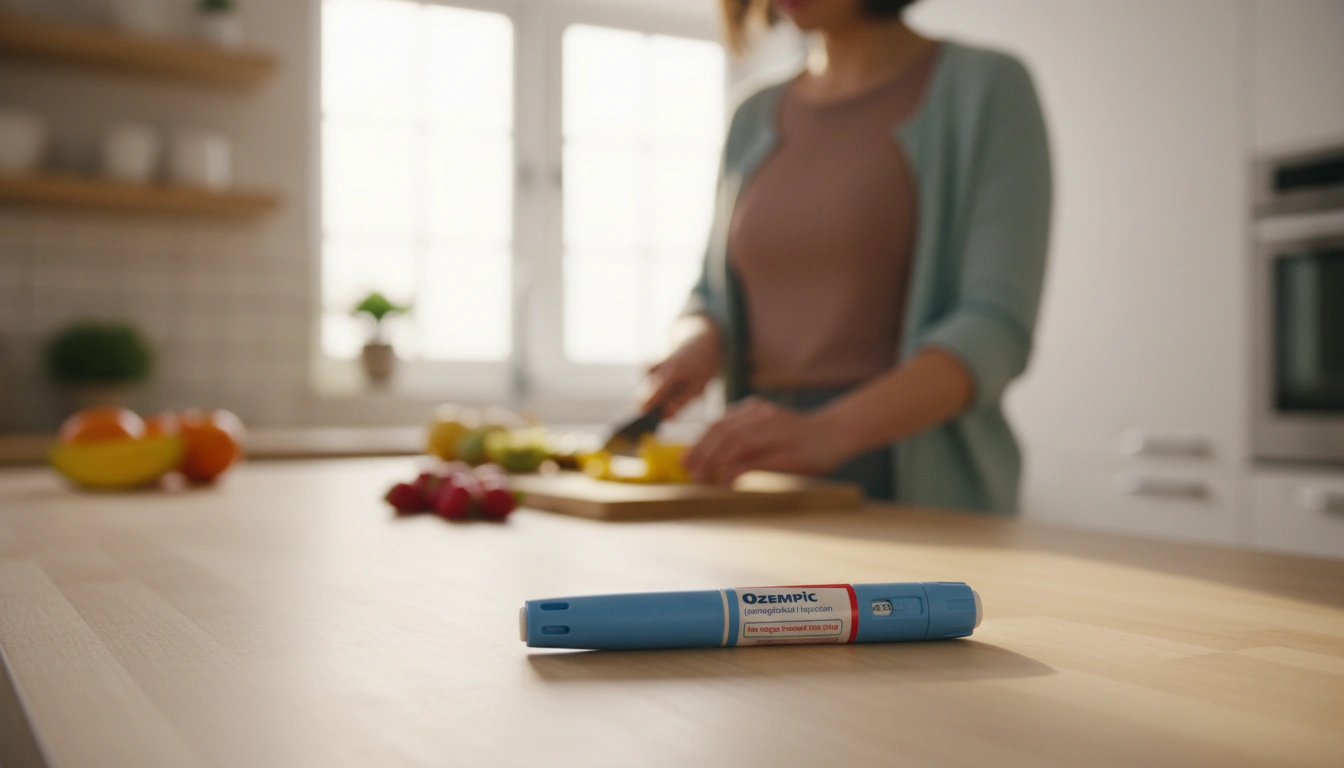
Introduction
Many individuals today navigate the complexities of managing type 2 diabetes, a condition that often intertwines with challenges in weight management. For decades, the medical community has sought increasingly effective tools to support metabolic health, leading to significant advancements in treatment options. Among these, medications like Ozempic, containing the active ingredient semaglutide, have emerged as transformative solutions, offering a dual approach to improving glycemic control and supporting weight loss. The journey with such medications often begins with lower doses, carefully titrated upwards to achieve optimal benefits while minimizing side effects. Yet, for many, a key question arises: what is the higher dose of Ozempic, and how does it fit into a comprehensive health strategy?
This detailed guide aims to demystify Ozempic dosing, particularly focusing on its higher therapeutic levels. We will explore the scientific principles behind semaglutide’s effectiveness, meticulously outline the typical dosing progression, and delve into the specific benefits and considerations associated with the maximum approved dose. Understanding these nuances is crucial for individuals seeking to maximize their treatment outcomes safely and effectively. We believe that sustainable weight loss and improved health should be achieved through science, empathy, and a transparent approach. By the end of this article, you will have a clear understanding of what the higher dose of Ozempic entails, how it supports both blood sugar regulation and weight management, and how a personalized, medically supervised program can empower your journey toward healthier living. We will cover the mechanism of action, the step-by-step dosing schedule, practical administration tips, potential side effects, and how comprehensive care integrates into this treatment path, providing you with a holistic perspective on harnessing the full potential of this medication.
Understanding Ozempic: More Than Just a Medication
The landscape of diabetes and weight management has been significantly shaped by the introduction of medications like Ozempic. Beyond simply addressing symptoms, these treatments work with the body’s natural systems to foster more profound and sustainable health changes.
The Science Behind Semaglutide
At its core, Ozempic is a brand-name medication that contains semaglutide, a glucagon-like peptide-1 (GLP-1) receptor agonist. This class of medication mimics the action of natural GLP-1, a hormone produced in the gut that plays a critical role in metabolic regulation. When administered, semaglutide works through several key mechanisms:
- Stimulating Insulin Release: In the presence of high blood sugar, semaglutide encourages the pancreas to release more insulin. This is a glucose-dependent mechanism, meaning it primarily acts when blood sugar levels are elevated, thereby reducing the risk of hypoglycemia (low blood sugar).
- Suppressing Glucagon Secretion: Glucagon is a hormone that raises blood sugar. Semaglutide helps to reduce glucagon secretion, particularly after meals, further contributing to better blood sugar control.
- Slowing Gastric Emptying: By slowing down the rate at which food leaves the stomach, semaglutide helps to moderate the rise in blood sugar after meals and promotes a feeling of fullness.
- Targeting Appetite Centers: Semaglutide acts on specific areas of the brain that regulate appetite and food intake. This can lead to reduced hunger, decreased food cravings, and, consequently, lower caloric intake.
These multifaceted actions contribute to Ozempic’s FDA approvals for improving blood sugar levels in adults with type 2 diabetes, reducing the risk of major adverse cardiovascular events (such as heart attack and stroke) in adults with type 2 diabetes and established cardiovascular disease, and reducing the risk of worsening kidney disease and cardiovascular death in adults with type 2 diabetes and chronic kidney disease. This comprehensive approach underscores why Ozempic has become a cornerstone in the treatment paradigm for many.
The TrimRx Approach to Weight Loss and Diabetes Management
At TrimRx, our journey began with a shared vision: to help individuals embrace healthier lifestyles by merging cutting-edge telehealth innovations with effective weight loss solutions. We understand that navigating the complexities of diabetes and weight management requires more than just medication; it demands a supportive, personalized, and scientifically grounded approach.
Our platform is designed to be a user-friendly and supportive space where individuals receive personalized, medically supervised care. We believe that sustainable weight loss and improved metabolic health should be achieved through science, empathy, and a transparent approach. This means ensuring that every aspect of your treatment plan, from initial consultation to ongoing support, is tailored to your unique needs and health profile.
Our commitment extends to the highest standards of safety and quality. When it comes to medication, we work exclusively with FDA-registered and inspected pharmacies for the shipping of weight loss medications. This partnership ensures that the medications provided, whether branded options like Ozempic® or compounded alternatives like Compounded Semaglutide, meet rigorous safety and quality standards. Our brand is empathetic, innovative, trustworthy, supportive, results-oriented, and personalized, offering compassionate care that respects every individual’s unique journey by combining advanced medical science with modern technology.
Navigating Ozempic Dosing: A Step-by-Step Progression
Effective management with Ozempic hinges on a carefully structured dosing schedule. This systematic approach, known as titration, is designed to introduce the medication gradually, allowing the body to adjust and minimizing potential side effects, particularly gastrointestinal discomfort.
The Importance of Gradual Titration
Commencing with a lower dose and progressively increasing it over several weeks is a critical aspect of Ozempic therapy. This methodical ramp-up serves several vital purposes:
- Minimizing Gastrointestinal Side Effects: The most common side effects of semaglutide are nausea, vomiting, diarrhea, and constipation. Starting with a low dose allows the body’s digestive system to acclimate to the medication, often reducing the severity and frequency of these symptoms.
- Enhancing Tolerability: A gradual increase helps individuals assess their tolerance at each dose level, ensuring comfort and adherence to the treatment plan.
- Optimizing Efficacy: Titration allows healthcare providers to find the lowest effective dose for each individual, achieving desired blood sugar control and weight management support without unnecessary exposure to higher doses.
At TrimRx, we emphasize this safe, gradual approach within our personalized programs. Our team works closely with each individual to monitor their response and adjust their treatment plan as necessary, embodying our commitment to personalized, medically supervised care.
Initial Doses: Building a Foundation
The journey with Ozempic typically begins with foundational doses, designed for adjustment rather than immediate maximal effect.
0.25 mg Weekly
The starting point for Ozempic treatment is generally 0.25 mg, administered once weekly. This initial dose is primarily intended as an acclimatization phase. During these first four weeks, the goal is not to achieve immediate blood sugar control or significant weight reduction but to allow your body to become accustomed to the medication. It helps to prepare your system for the subsequent dose increases, laying the groundwork for more effective treatment.
Many people find this initial period crucial for understanding how their body responds to semaglutide. It’s a time for careful observation and open communication with your healthcare provider. For those beginning their journey, understanding this foundational step is key. To see if a personalized treatment plan, including options like Ozempic or other GLP-1 medications, is suitable for you, we encourage you to take our free assessment quiz.
0.5 mg Weekly
After typically four weeks at the 0.25 mg dose, your doctor will usually recommend increasing the dosage to 0.5 mg once weekly. This step marks the beginning of seeing a more significant impact on blood sugar levels. Your body has had time to adjust, making it more receptive to the increased therapeutic effects. At this stage, individuals often start to experience noticeable improvements in glycemic control and potentially the initial benefits of weight management support. It’s important to continue monitoring your body’s response diligently and to communicate any changes or concerns with your medical team. This careful progression is a hallmark of safe and effective medication management.
Stepping Up: The Maintenance Doses
For many individuals, the journey through Ozempic dosing continues beyond the initial adjustment phases, progressing to maintenance doses that offer greater therapeutic benefits for blood sugar management and weight support.
1 mg Weekly
Following the 0.5 mg dose, if additional glycemic control is needed, the dosage is often increased to 1 mg once weekly. This is a common and effective maintenance dose for many individuals with type 2 diabetes, providing substantial improvements in A1C levels and ongoing support for weight management. At this stage, the body has typically fully adjusted to semaglutide, allowing for a more robust therapeutic effect. The focus remains on assessing both efficacy in achieving health goals and continued tolerability, ensuring the medication integrates smoothly into your daily life.
2 mg Weekly: The Higher Dose of Ozempic
When individuals require further glycemic control despite treatment with lower doses, the next and currently maximum approved dose for Ozempic is 2 mg once weekly. This higher dose represents a significant step in optimizing treatment outcomes for type 2 diabetes.
Clinical studies, such as the SUSTAIN FORTE trial, have provided clear evidence for the benefits of this higher dosage. In a comparison between 2 mg and 1 mg semaglutide once weekly in patients with inadequately controlled type 2 diabetes, the 2 mg dose led to statistically significantly greater reductions in both A1C and body weight. Specifically, patients receiving 2 mg experienced a mean change from baseline of -2.2% in A1C compared to -1.9% for the 1 mg group. Similarly, the 2 mg group achieved a mean weight reduction of -6.9 kg, versus -6.0 kg in the 1 mg group. These findings highlight that for many, stepping up to the 2 mg dose can provide enhanced benefits in managing their condition.
It is important to acknowledge that while higher doses offer increased efficacy, they may also be associated with a slightly higher incidence of gastrointestinal side effects. In the SUSTAIN FORTE trial, GI adverse effects occurred in 34% of patients in the 2 mg group compared to 31% in the 1 mg group. This underscores the critical role of medical supervision in assessing individual tolerability and adjusting care as needed. Our commitment at TrimRx includes providing comprehensive doctor consultations and unlimited support to help individuals navigate these considerations, ensuring that decisions regarding dose increases are made with safety and your well-being at the forefront.
For those considering if the higher 2 mg dose of Ozempic might be appropriate for their health goals, it’s a decision best made in consultation with a healthcare professional. Ready to explore higher doses and see if they’re right for your journey towards improved health? We invite you to take our free assessment quiz to determine your eligibility and discuss a personalized treatment plan with our medical team.
Beyond Dosing: Best Practices for Ozempic Administration
Achieving the best results with Ozempic extends beyond simply adhering to the prescribed dosage; it also involves employing proper administration techniques and understanding practical considerations for its use. Consistent and correct application is paramount for maximizing the medication’s effectiveness and ensuring safety.
Consistent Application for Optimal Results
Ozempic is designed for convenience and efficacy, administered as a subcutaneous injection once weekly. To ensure steady medication levels in your system and consistent results, several best practices are recommended:
- Weekly Schedule: Choose one specific day of the week for your injection and stick to it consistently. While you can administer the dose at any time of day, with or without food, maintaining the same day each week helps establish a routine and prevent missed doses.
- Injection Sites: Ozempic can be injected into the abdomen, thigh, or upper arm. All these areas are effective for subcutaneous injection. The abdomen often provides the fastest absorption, but the thigh and upper arm offer steady absorption rates.
- Rotate Injection Sites: To prevent irritation, discomfort, or potential skin reactions, it is crucial to rotate your injection site each week. If you choose to inject within the same general area, select a different spot each time. Avoid injecting into moles, scars, or areas with broken or irritated skin.
- Proper Technique: Ozempic comes in prefilled disposable pens. For each injection, always use a new needle. Do not share your Ozempic pen or needles with others, as this can lead to the transmission of serious infections. Inject the medication into the fatty tissue just under the skin, not into a muscle or vein. After inserting the needle, press and hold the dose button until the dose counter shows 0, then slowly count to six before withdrawing the needle to ensure the full dose has been delivered.
Managing Missed Doses
Life happens, and sometimes a dose might be missed. Knowing how to correctly manage a missed dose is crucial:
- Within 5 Days: If fewer than five days have passed since your scheduled dose, you can take the missed dose as soon as you remember.
- After 5 Days: If more than five days have passed since your last scheduled dose, it is recommended to skip the missed dose and simply take your next scheduled dose on your regular day.
- Never Double Dose: Under no circumstances should you take two doses at once to make up for a missed dose. Doing so can significantly increase the risk of side effects, including a severe drop in blood sugar levels (hypoglycemia), which can be dangerous given Ozempic’s long-acting nature.
Our personalized programs at TrimRx include unlimited support, where our compassionate team is available to help you navigate practical questions about administration, missed doses, and any other concerns that arise during your treatment journey.
Storage and Safety
Proper storage of Ozempic is essential to maintain its efficacy and safety:
- Unused Pens: Store new, unused Ozempic pens in the refrigerator at temperatures between 36°F and 46°F (2°C and 8°C).
- In-Use Pens: Once you start using a pen, it can be kept either at room temperature (between 59°F and 86°F or 15°C and 30°C) or in the refrigerator. An in-use pen should be discarded after 56 days, even if there is still medication left.
- Protection: Always keep Ozempic protected from excessive heat and direct light. Do not freeze Ozempic, and do not use it if it has been frozen.
- Out of Reach: Like all medications, keep Ozempic and used needles out of the sight and reach of children. Dispose of used needles and empty pens in an FDA-approved sharps disposal container or a sturdy, puncture-resistant plastic container immediately after use.
At TrimRx, our commitment to safety is unwavering. The medication provided through our programs, including Ozempic®, is shipped directly from FDA-registered and inspected pharmacies. This ensures that every product you receive adheres to stringent quality and safety standards from manufacturing to delivery, providing you with peace of mind throughout your treatment.
What to Expect on Your Journey: Benefits and Considerations
Embarking on a treatment plan with Ozempic involves a journey with distinct benefits and potential considerations. Understanding these aspects is key to managing expectations and working effectively with your healthcare team.
Enhanced Glycemic Control
For individuals with type 2 diabetes, one of the primary and most significant benefits of Ozempic is its ability to improve blood sugar control. Through its multifaceted mechanism of action—stimulating insulin release, suppressing glucagon, and slowing gastric emptying—semaglutide helps to lower A1C levels effectively. Achieving and maintaining target A1C levels is crucial for reducing the long-term risk of diabetes-related complications, such as cardiovascular disease, kidney damage, nerve damage, and vision problems. Many individuals experience substantial improvements in their blood sugar readings, contributing to a greater sense of well-being and a more stable metabolic state.
Support for Weight Management
While Ozempic is FDA-approved primarily for type 2 diabetes and associated cardiovascular and kidney disease risks, its mechanism of action, particularly its effect on appetite and satiety, often leads to significant support for weight management. For many individuals, this weight loss is a welcome and health-enhancing side effect. It’s important to clarify that Ozempic is not FDA-approved solely for weight loss in individuals without diabetes. However, for those with type 2 diabetes who are also seeking to manage their weight, Ozempic offers a valuable advantage.
For individuals whose primary goal is chronic weight management, a different semaglutide formulation, Wegovy®, is available and FDA-approved for that specific purpose. Wegovy® is administered at higher doses (up to 2.4 mg weekly) than the maximum approved dose of Ozempic. It’s crucial to understand that Ozempic and Wegovy® contain the same active ingredient (semaglutide) and should not be used concurrently, as this could increase the risk of side effects.
Regardless of the medication, weight management is most effective when integrated into a holistic lifestyle approach that includes a healthy diet and regular physical activity. To further support your weight loss journey, TrimRx offers specialized quick-access supplements like our GLP-1 Daily Support and Weight Loss Boost, which are available for immediate purchase to complement your overall wellness efforts.
Potential Side Effects and How We Address Them
Like all medications, Ozempic can cause side effects. Awareness and proactive management are key to a smooth treatment experience:
- Common Gastrointestinal Effects: Nausea, vomiting, diarrhea, and constipation are the most frequently reported side effects. These are often most prominent during the initial titration phase and tend to lessen as your body adjusts to the medication. We emphasize a gradual dose increase to help mitigate these symptoms.
- Serious but Rare Risks: Less commonly, Ozempic has been associated with more serious adverse events, including acute pancreatitis and gallbladder issues (cholelithiasis). The medication’s label also carries a boxed warning regarding a potential risk of thyroid C-cell tumors, based on studies in rodents; human data has not corroborated this finding, but it is contraindicated in individuals with a personal or family history of medullary thyroid carcinoma or multiple endocrine neoplasia syndrome type 2.
- Hypoglycemia: While Ozempic primarily acts in a glucose-dependent manner, the risk of low blood sugar (hypoglycemia) can increase, especially if it is used in combination with other diabetes medications like insulin or sulfonylureas. Overdosing can also lead to severe hypoglycemia. Symptoms can include dizziness, headaches, shaking, mood changes, nausea, vomiting, and weakness. Close monitoring of blood sugar levels is vital.
- Kidney Considerations: There have been post-marketing reports of acute kidney injury associated with GLP-1 receptor agonists, particularly in individuals who experience severe gastrointestinal side effects leading to dehydration. Individuals with pre-existing kidney disease may have a higher risk. Our medical team will carefully assess kidney function before and during treatment.
Our compassionate care and transparent service at TrimRx are designed to proactively address these potential considerations. Our comprehensive service includes doctor consultations, lab work for monitoring, and unlimited support to manage side effects and ensure your safety and comfort throughout your personalized journey. We are here to guide you, answer your questions, and adjust your plan to ensure the best possible outcomes.
Personalized Care with TrimRx: Your Path to Sustainable Health
At TrimRx, we believe that effective weight loss and diabetes management are deeply personal journeys. Our mission is to provide clinically proven, personalized solutions that are not only safe and effective but also tailored to the unique needs of each individual. We merge advanced medical science with modern technology to deliver compassionate, results-oriented care.
Our Comprehensive Program
Our medically supervised weight loss programs are designed to offer holistic support, ensuring that you receive everything you need for a successful and sustainable transformation. We are committed to a transparent service, meaning our approach remains consistent, focusing on your well-being regardless of dosage changes.
Our comprehensive program includes:
- Doctor Consultations: Personalized consultations with licensed medical professionals who will assess your health, discuss your goals, and develop a customized treatment plan.
- Medication Access: Access to a range of prescription weight loss medications, which may include branded options like Ozempic®, Mounjaro®, Zepbound®, or Wegovy®, as well as compounded medications such as Compounded Semaglutide, Oral Semaglutide, Compounded Tirzepatide, and Oral Tirzepatide. For these prescription medications, users must complete our free assessment quiz to determine eligibility and receive a personalized treatment plan.
- Lab Work: Necessary lab tests to monitor your health and ensure the safety and efficacy of your treatment.
- Unlimited Support: Ongoing, unlimited support from our dedicated team, ensuring you have guidance and encouragement every step of the way.
- Shipping with No Hidden Fees: Transparent and convenient shipping of your medications directly from FDA-registered and inspected pharmacies, with no surprises.
We partner with these FDA-registered and inspected pharmacies for the shipping of weight loss medications, reinforcing our unwavering commitment to safety and quality. It must be clear that TrimRx partners with these pharmacies for medication delivery and does not directly provide actual medical supervision; instead, this is provided by the licensed healthcare professionals within our network. Our platform acts as a bridge, connecting you to the personalized care you deserve. To start your personalized weight loss journey and explore if our prescription medications are suitable for you, take our free assessment quiz today.
Quick-Access Support Supplements
Beyond our personalized prescription programs, we understand that immediate support can make a significant difference in your wellness journey. For those looking for supplementary support that doesn’t require a doctor consultation or quiz, we offer quick-access supplements designed to complement overall health and wellness.
- GLP-1 Daily Support: This supplement is crafted to provide daily support for your overall wellness, integrating seamlessly into your routine.
- Weight Loss Boost: Designed for immediate support, this supplement offers an additional aid to your weight loss efforts.
These quick-access supplements are available for immediate purchase, providing a convenient way to enhance your health regimen. Support your journey today with our GLP-1 Daily Support or explore the benefits of our Weight Loss Boost for an extra edge.
Conclusion
Navigating the complexities of type 2 diabetes and weight management often leads to questions about optimal treatment strategies, including the role of higher medication doses. We’ve journeyed through the science of Ozempic, understanding how its active ingredient, semaglutide, acts as a powerful GLP-1 receptor agonist to improve blood sugar control and support weight reduction. We’ve meticulously outlined the critical process of dose titration, from the initial 0.25 mg to the standard maintenance doses, and specifically addressed what is the higher dose of Ozempic, which stands at 2 mg once weekly.
The evidence from clinical trials clearly demonstrates that the 2 mg dose of Ozempic offers enhanced benefits, leading to greater reductions in A1C and body weight for individuals with type 2 diabetes whose condition is not adequately controlled at lower doses. While embracing these amplified benefits, we also recognize the importance of understanding potential side effects and adhering to best practices for administration and safety. This comprehensive understanding empowers you to make informed decisions about your health journey.
At TrimRx, our commitment is to provide you with safe, effective, and personalized weight loss solutions. Our medically supervised programs are built on a foundation of science, empathy, and transparency, ensuring you receive a customized treatment plan, access to medications from FDA-registered and inspected pharmacies, and unwavering support every step of the way. Whether you are exploring the potential of higher Ozempic doses or seeking comprehensive support for your metabolic health, we are here to guide you towards a healthier, more fulfilling life. Take the next step towards realizing your health goals by visiting our website and taking our free assessment quiz today, or explore our immediate support options with GLP-1 Daily Support and Weight Loss Boost.
Frequently Asked Questions (FAQs)
What is the highest recommended dose of Ozempic?
The highest recommended and FDA-approved dose of Ozempic for treating type 2 diabetes is 2 mg once weekly. This dose is typically prescribed when lower doses have not achieved sufficient blood sugar control.
How often should Ozempic doses be increased?
Ozempic doses are typically increased every four weeks, starting from 0.25 mg and gradually moving up to 0.5 mg, then 1 mg, and finally 2 mg, if needed and tolerated. This gradual titration helps the body adjust to the medication and minimizes side effects.
Can Ozempic be used for weight loss alone at higher doses?
Ozempic is FDA-approved for managing type 2 diabetes, reducing cardiovascular risk, and reducing the risk of worsening kidney disease in type 2 diabetes. While weight loss is a common and beneficial side effect, Ozempic is not approved for weight loss alone. For chronic weight management without diabetes, a separate semaglutide product, Wegovy®, is available and approved at potentially higher doses.
What should I do if I experience severe side effects at a higher Ozempic dose?
If you experience severe side effects such as persistent nausea, vomiting, diarrhea, or any concerning symptoms, it’s crucial to contact your healthcare provider immediately. They may recommend adjusting your dose or exploring alternative treatment options based on your individual response and health needs.

Transforming Lives, One Step at a Time
Keep reading

Ozempic Results After One Year: What Long-Term Use Looks Like
A full year on Ozempic puts you in a category that most weight loss approaches never reach: sustained, medically supported treatment that has had…

Ozempic Results at 6 Months: Progress and What Comes Next
Six months on Ozempic is a significant milestone. By this point, most patients have reached a therapeutic dose, worked through the early adjustment period,…

Ozempic Results at 3 Months: What to Realistically Expect
Three months into Ozempic, most people are starting to see results that feel genuinely meaningful. By this point you’ve moved through the starting dose,…


