The Ice Method for Weight Loss: Cold Hard Facts or Just Hype?
What Is the Ice Method for Weight Loss, Really?
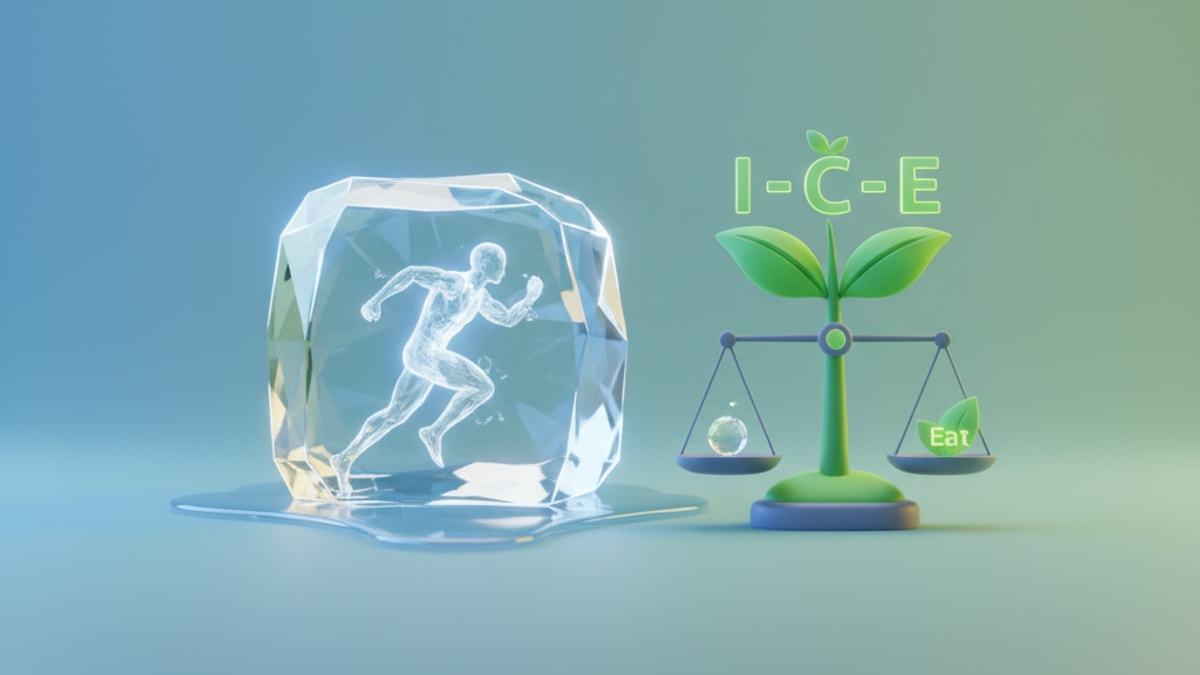
If you spend any time online, you’ve seen it. Another week, another viral “hack” promising to melt away fat with some deceptively simple trick. The latest trend making the rounds is a sprawling collection of ideas often bundled together as the “ice method for weight loss.” It’s alluring. It sounds natural, almost primal. But what is it, actually?
Honestly, it’s not just one thing. It's a catch-all term for several different practices that involve using cold temperatures to supposedly trigger fat loss. You’ll see influencers recommending everything from placing ice packs on stubborn fat areas to drinking gallons of ice-cold water or taking full-body ice baths. The core idea behind all these variations is a biological process called thermogenesis. The theory is simple: when your body gets cold, it has to burn energy (calories) to warm itself back up to its stable 98.6°F. It's a real process. The question, and it's a critical one we'll unpack here, is whether it's a powerful enough process to be a legitimate weight loss strategy. Our team has spent years analyzing the biological mechanisms of weight management, and we've learned that the most effective solutions are rarely the ones that sound the simplest. Let's be honest, this is crucial. True progress comes from understanding the entire system, not just poking at one tiny part of it.
The Science of Thermogenesis: A Closer Look
The entire premise of the ice method hinges on cold-induced thermogenesis. And to be fair, this isn't science fiction. It’s a well-documented physiological response. When your body is exposed to cold, it has two primary ways to generate heat. The first is the one you know well: shivering. This involves rapid, involuntary muscle contractions that produce heat as a byproduct. It’s effective, but it’s your body’s emergency response.
The second, more interesting mechanism is non-shivering thermogenesis. This is where the story gets a bit more nuanced. This process primarily involves a special type of fat called Brown Adipose Tissue, or BAT. Unlike the more common white fat (which stores energy), brown fat is packed with mitochondria, giving it a brown color and turning it into a veritable heat-generating factory. When activated by cold, BAT can burn calories at a formidable rate to produce heat without the need for shivering. We're all born with a good amount of BAT, but its levels tend to decrease as we age.
So, cold exposure can activate this brown fat and burn a few extra calories. That much is true. The key words there are a few extra. Research has shown that significant, prolonged cold exposure can indeed increase metabolic rate. However, the caloric burn is often far less dramatic than the online hype suggests. We’re talking about an increase of maybe 100 to 200 calories over several hours of exposure in controlled laboratory settings. It's a small, almost negligible, metabolic nudge. While every little bit helps, our experience shows that relying on these minor metabolic boosts as a primary strategy is a recipe for immense frustration and disappointing results. It’s like trying to empty an ocean with a teaspoon. The tool is real, but the scale of the task makes it impractical.
Ice Packs and Spot Reduction: Debunking a Stubborn Myth
Now, this is where it gets interesting, and frankly, a bit misleading. One of the most popular versions of the ice method involves placing ice packs directly on areas of the body with stubborn fat, like the abdomen or thighs. The claim is that you can “freeze” the fat cells in that specific area, causing them to die off and be eliminated by the body.
This idea is a complete misunderstanding of how both the body and medical fat-reduction procedures work. It’s a classic example of the spot reduction myth—the belief that you can target fat loss in one specific area of your body. Your body simply doesn't work that way. When you lose fat, your body draws energy from fat stores all over, dictated by genetics and hormones, not by where you happen to place a cold compress.
Let’s be clear: this DIY method is not a home version of cryolipolysis (the medical procedure marketed as CoolSculpting). Cryolipolysis is a highly controlled medical treatment where a device lowers skin temperature to a precise degree, for a specific duration, under constant monitoring to crystallize fat cells without damaging the surrounding skin and tissue. Trying to replicate this with ice packs from your freezer is not only ineffective but also carries real risks, including frostbite and serious skin damage. We can't stress this enough: medical procedures are developed under rigorous scientific standards for a reason. They are not interchangeable with kitchen-counter experiments.
Drinking Ice Water: A Simple Trick or a Distraction?
Another common recommendation under the “ice method” umbrella is to drink copious amounts of ice-cold water throughout the day. The logic follows the same thermogenic principle: your body must expend energy to warm the water up to your core body temperature.
Again, the science is technically sound, but the impact is wildly overstated. Let's do the math. A calorie is the amount of energy required to raise the temperature of one gram of water by one degree Celsius. A liter of ice water (1,000 grams) needs to be warmed by about 37 degrees Celsius to reach body temperature. This means your body will burn approximately 37,000 gram-calories, which is just 37 kilocalories (the “Calories” you see on food labels). Even if you drank a full gallon—nearly four liters—of ice water, you’d burn fewer than 150 calories. That's less than a can of soda or a handful of almonds.
The real benefit of this practice has nothing to do with temperature. It’s hydration. Staying well-hydrated is absolutely critical for metabolic function, energy levels, and overall health. We encourage all our patients to drink plenty of water. It helps with satiety and keeps your body’s systems running optimally. So, if drinking cold water helps you drink more water overall, that's fantastic. But attributing any subsequent weight loss to the temperature of the water is a fundamental misinterpretation of the facts. It’s a distraction from the factors that truly move the needle.
Cold Plunges and Ice Baths: Benefits Beyond the Hype
The most intense version of the ice method is the full-body ice bath or cold plunge. Popularized by athletes and wellness gurus, cold plunging has gained a massive following for its purported health benefits.
And here, there is some legitimate science to consider, but it's important to frame it correctly. Regular exposure to cold water immersion can indeed offer tangible benefits. Many people report a significant mood boost due to the release of norepinephrine. It’s also a powerful tool for reducing inflammation and muscle soreness, which is why athletes have used it for decades for recovery. It can improve circulation and may even challenge your nervous system in a way that builds resilience. These are all positive outcomes.
But what about for weight loss? While a full-body plunge will certainly activate BAT and trigger thermogenesis more effectively than an ice pack, it remains a supplementary tool, not a primary driver of significant weight loss. The calorie burn is real, but it's temporary. It doesn't address the underlying hormonal and metabolic signals that regulate your body weight day in and day out. Our team views practices like cold plunging as a potentially valuable part of a holistic wellness routine—something that supports your overall health. But banking on it to produce substantial, lasting fat loss is setting yourself up for disappointment. It's an accessory to the main event, not the main event itself.
Comparison Table: The Ice Method vs. Evidence-Based Approaches
To put this all into perspective, it's helpful to see how these viral trends stack up against a structured, medical approach. Our team has found that clarity is key, and a direct comparison often reveals the stark differences in efficacy and safety.
| Feature | The "Ice Method" (DIY) | Medically Supervised Program (TrimrX) |
|---|---|---|
| Primary Mechanism | Minor, temporary boost in thermogenesis. | Addresses core metabolic and hormonal regulators of appetite and weight. |
| Scientific Backing | Largely anecdotal; based on misinterpretation of minor physiological effects. | Based on decades of clinical research and FDA-approved medications. |
| Caloric Impact | Negligible to modest (e.g., <150 calories/day). Not enough for significant loss. | Creates a significant and sustainable caloric deficit by regulating hunger signals at the source. |
| Sustainability | Low. Requires constant, often uncomfortable, effort for minimal return. | High. The program is designed for long-term management and integration into your life. |
| Medical Oversight | None. Puts the individual at risk of skin damage, frostbite, or other issues. | Continuous. A clinical team monitors progress, manages side effects, and adjusts treatment. |
| Focus | A single, isolated "trick" that ignores the bigger picture. | A holistic approach addressing biology, nutrition, and lifestyle. |
| Expected Outcome | Minimal to no lasting weight loss; high potential for frustration. | Significant, sustainable weight loss and improved metabolic health. |
The Psychological Trap of "Hacks" and "Tricks"
Why do methods like the ice hack become so popular? The appeal is obvious. It promises a shortcut. It bypasses the hard work and complex science of weight loss in favor of a simple, almost magical solution. It feels empowering to think you can outsmart your own biology with a bag of ice.
But our experience with thousands of patients has shown us the profound downside of this mindset. Chasing quick fixes creates a destructive cycle. You try a hack, put in the effort, and when the promised results don't materialize (because they were never realistic in the first place), the feeling isn't just disappointment—it's often a sense of personal failure. This can lead to giving up entirely, only to be lured in by the next viral trend a few months later. It's an exhausting, demoralizing loop.
These hacks almost always fail because they don't address the root causes of weight gain, which are deeply biological and incredibly complex. Weight regulation isn't just about calories in, calories out. It's a formidable challenge involving a symphony of hormones, genetic predispositions, metabolic rate, and brain chemistry. A trick like the ice method doesn't change your hormonal hunger signals. It doesn't fix insulin resistance. It doesn't alter your body's metabolic set point. It's a surface-level tactic applied to a deep-seated biological issue.
A Sustainable Path Forward: The Biology of Real Weight Loss
If you truly want to achieve lasting change, the goal isn't to find a clever trick to fool your body. It's to work with your body's biology. This is the entire foundation of modern medical weight loss and the core of what we do at TrimrX. Instead of focusing on external manipulations like temperature, we focus on the internal signaling systems that are actually in control.
This is where advanced medications like GLP-1 agonists (Semaglutide and Tirzepatide) come in. These aren't just appetite suppressants; they are metabolic regulators. They work by mimicking the natural hormones in your gut that tell your brain you're full, slow down digestion so you feel satisfied longer, and help stabilize your blood sugar. In essence, they help reset the conversation between your gut, your brain, and your metabolism. This is a fundamental shift, not a superficial one.
This is why a medically supervised approach is so different. It’s not a hack. It's a comprehensive treatment plan that addresses the biological drivers of weight. Under the care of a clinical team, these treatments are safe, effective, and tailored to your specific needs. If you're tired of the endless cycle of fads and want to understand how your biology is impacting your weight, it might be time to see if a medical approach is right for you. You can Take Quiz to see if you're a candidate for this kind of transformative treatment.
Building a Holistic Framework for Lasting Success
We need to be absolutely clear: even the most effective medications are not a magic bullet on their own. They are an incredibly powerful tool that, when placed within a supportive framework, can lead to life-changing results. This is the other critical piece that DIY hacks completely miss. True, sustainable success is built on a foundation of healthy habits.
Our programs are designed around this principle. The medication helps manage the powerful biological urges that have made weight loss feel impossible, clearing the way for you to build lasting, positive habits without fighting a constant uphill battle against your own hunger signals. Our clinical team provides guidance on nutrition that fuels your body, physical activity that strengthens it, and lifestyle changes that support your long-term health. It’s about combining the best of medical science with the foundational pillars of wellness.
This comprehensive approach is what breaks the cycle of yo-yo dieting and hack-chasing. It empowers you to finally achieve the results you've been working so hard for. When you're ready to move beyond temporary tricks and build a lasting foundation for your health, we're here to help you Start Your Treatment.
Ultimately, the allure of something like the ice method for weight loss is understandable. We all want a solution that is simple and effective. But the truth is, while the method is simple, its effectiveness for any meaningful weight loss is practically non-existent. It’s a distraction from the real, science-backed strategies that create profound and lasting change. True progress isn't found in your freezer; it's found in understanding and addressing your unique biology with powerful, proven tools and expert guidance. It's about choosing a path that respects the complexity of your body and provides a real, sustainable solution.
Frequently Asked Questions
Can the ice method really help with belly fat?
▼
No, the ice method cannot specifically target belly fat. This is based on the myth of spot reduction, which is not how the body loses fat. Fat loss occurs systemically, and placing ice on your abdomen won’t cause localized fat cells to disappear.
How many calories do you actually burn in an ice bath?
▼
The number of calories burned varies based on body size, duration, and water temperature, but it’s generally modest. While it does increase metabolic rate temporarily, it might burn an extra 100-200 calories in a best-case scenario, which isn’t enough to be a primary weight loss strategy.
Is the ‘alpine ice hack’ a real, scientifically proven thing?
▼
The ‘alpine ice hack’ is a marketing term, not a recognized scientific principle for weight loss. It’s part of the broader, largely unproven ‘ice method’ trend that overstates the caloric impact of cold-induced thermogenesis for marketing purposes.
What are the risks of trying the ice method at home?
▼
Applying ice directly to your skin for extended periods can be dangerous. The primary risks include frostbite, nerve damage, and other serious skin injuries. A full-body ice bath also poses risks for individuals with cardiovascular conditions.
How is the ice method different from a medical treatment like CoolSculpting?
▼
CoolSculpting (cryolipolysis) is a controlled medical procedure using patented technology to cool fat cells to a precise temperature without harming the skin. The ice method is an uncontrolled, ineffective, and potentially unsafe DIY attempt that cannot replicate these results.
Does drinking cold water really boost your metabolism?
▼
Drinking cold water does cause your body to burn a very small number of calories to warm it up—about 8 calories per 16-ounce glass. While technically a ‘boost,’ the effect is too negligible to have any meaningful impact on weight loss.
What is brown fat and how can I get more of it?
▼
Brown fat, or Brown Adipose Tissue (BAT), is a type of fat that burns energy to produce heat. While regular cold exposure can help activate existing brown fat, significantly increasing your overall amount is difficult and not considered a reliable weight loss strategy.
Why do weight loss fads like the ice method become so popular?
▼
These fads are popular because they promise a simple, easy solution to a very complex problem. They often sound scientific enough to be believable but lack the evidence to back them up, preying on the desire for a quick fix without significant lifestyle changes.
Is a medical weight loss program safer than trying DIY methods?
▼
Absolutely. A medically supervised program is managed by clinical professionals who assess your health, prescribe proven treatments, and monitor you for safety and effectiveness. DIY methods come with no oversight and carry risks of injury or failure.
What are GLP-1 medications and how do they really work for weight loss?
▼
GLP-1 medications like Semaglutide and Tirzepatide are prescription treatments that mimic natural hormones to regulate appetite and blood sugar. They work on a biological level to reduce hunger and increase feelings of fullness, making it easier to achieve a sustainable calorie deficit for effective weight loss.
Can I combine the ice method with a medical weight loss program?
▼
While practices like cold plunging may offer wellness benefits like reduced inflammation, they are not a core component of a medical weight loss plan. You should always discuss any new practice with your clinical team to ensure it’s safe and appropriate for your health.
Is the ice method sustainable for long-term weight loss?
▼
No, it is not a sustainable long-term strategy. The effort and discomfort required for such minimal caloric burn make it impractical for most people. Lasting results come from addressing core metabolic and lifestyle factors, not temporary ‘hacks’.

Transforming Lives, One Step at a Time
Keep reading

Do You Need a Prescription for GLP-1s? The 2026 Answer
Wondering ‘do you need a prescription for glp 1’ in 2026? Yes. We explain why a doctor’s oversight is critical for safe, effective results.

How to Get GLP-1 Covered By Insurance: Our 2026 Playbook
Struggling with how to get glp-1 covered by insurance? Our 2026 guide breaks down prior authorizations, appeals, and documentation.

Traveling with GLP-1s in 2026: Your Essential Trip-Proof Plan
Don’t let travel disrupt your GLP-1 treatment. Learn how to travel with glp 1 medications safely and stress-free in our 2026 expert guide.


