What is the Safest GLP-1?

Introduction
Did you know that over 650 million adults worldwide are classified as obese? This staggering statistic, highlighted by the World Health Organization, underscores the growing obesity epidemic and the urgent need for effective weight management solutions. As healthcare providers and patients alike seek innovative approaches to combat this challenge, GLP-1 receptor agonists have emerged as a promising option.
GLP-1, or glucagon-like peptide-1, is a hormone that plays a pivotal role in regulating appetite and blood sugar levels. By mimicking the effects of this hormone, GLP-1 receptor agonists provide a dual benefit: they support weight loss while also helping manage blood glucose levels in individuals with type 2 diabetes. However, with various options available on the market, it’s essential to understand which GLP-1 medications are considered safe and effective.
In this blog post, we will explore the following key aspects of GLP-1 receptor agonists:
- Understanding GLP-1 and Its Role in the Body
- Overview of Available GLP-1 Medications
- Safety Profiles of Different GLP-1 Options
- Potential Side Effects and Risks
- The Importance of Personalized Treatment Plans
- When to Consult a Healthcare Provider
By the end of this post, you will have a clearer understanding of what makes a GLP-1 medication safe and effective, along with insight into how TrimRx’s personalized weight loss solutions can support your health journey.
As we navigate the complexities of weight management and chronic conditions like type 2 diabetes, one topic often emerges at the forefront of discussions: GLP-1 receptor agonists. These medications, including popular options like Ozempic® and Wegovy®, have gained significant attention due to their effectiveness in promoting weight loss and regulating blood sugar levels. But what is the safest GLP-1? In this comprehensive exploration, we will delve into the safety profiles of various GLP-1 medications, their mechanisms of action, potential side effects, and the importance of personalized care in managing weight and health.
Understanding GLP-1 and Its Role in the Body
GLP-1 is a naturally occurring hormone produced in the intestines that plays a crucial role in glucose metabolism. When we consume food, GLP-1 is released, stimulating insulin secretion from the pancreas, which helps lower blood sugar levels. Additionally, GLP-1 slows gastric emptying and promotes feelings of fullness, which can help reduce overall food intake.
Mechanism of Action
GLP-1 receptor agonists work by mimicking the action of this hormone. When administered, they bind to GLP-1 receptors in the body, triggering similar physiological responses. This results in:
- Increased insulin secretion in response to meals
- Decreased glucagon secretion, which helps prevent the liver from releasing excess glucose
- Slowed gastric emptying, which contributes to a prolonged feeling of fullness
These combined effects make GLP-1 receptor agonists effective for managing blood sugar levels in patients with type 2 diabetes and promoting weight loss in individuals with obesity.
Overview of Available GLP-1 Medications
Several GLP-1 receptor agonists are currently available, each with unique properties and indications. Here’s a brief overview of some prominent options:
- Semaglutide (Ozempic®, Wegovy®):
- Approved for both type 2 diabetes management and obesity treatment.
- Semaglutide has shown significant weight loss results and improved glycemic control.
- Liraglutide (Victoza®, Saxenda®):
- Available for type 2 diabetes management (Victoza) and weight loss (Saxenda).
- It is administered daily and has a solid safety profile.
- Dulaglutide (Trulicity®):
- A once-weekly injection approved for type 2 diabetes management.
- It is known for its convenience and effective glycemic control.
- Exenatide (Byetta®, Bydureon®):
- Available in both short-acting (Byetta) and long-acting (Bydureon) formulations.
- It is primarily used for type 2 diabetes.
- Tirzepatide (Mounjaro®):
- A newer dual agonist that targets GLP-1 and GIP receptors.
- It shows promise in both weight loss and glycemic control.
Understanding these medications is vital for individuals considering GLP-1 therapy, especially when evaluating safety and efficacy.
Safety Profiles of Different GLP-1 Options
When discussing the safety of GLP-1 medications, it’s essential to consider their clinical profiles, including efficacy, side effects, and overall patient tolerance. Research has shown that these medications generally have a favorable safety profile, but individual responses may vary.
Clinical Evidence
Clinical trials have provided valuable insights into the safety and efficacy of GLP-1 receptor agonists. For instance, studies indicate that semaglutide not only aids in weight loss but also significantly reduces cardiovascular risks in individuals with type 2 diabetes. Similarly, liraglutide has demonstrated safety and effectiveness in patients with various comorbidities.
Individual Variability
Individual responses to GLP-1 medications can vary based on factors such as genetics, lifestyle, and existing health conditions. Therefore, what is considered “safe” for one person may not be the same for another. A personalized approach to treatment is crucial in identifying the most suitable GLP-1 option for each individual.
Potential Side Effects and Risks
While GLP-1 receptor agonists are generally well-tolerated, some patients may experience side effects. Understanding these potential adverse effects is essential for managing treatment effectively.
Common Side Effects
- Gastrointestinal Issues: Nausea, vomiting, diarrhea, and constipation are among the most commonly reported side effects, particularly when starting therapy or adjusting doses.
- Injection Site Reactions: Some patients may experience redness, itching, or swelling at the injection site.
- Pancreatitis: Although rare, there are reports of pancreatitis associated with GLP-1 receptor agonists. Patients should be informed about symptoms such as severe abdominal pain and should seek medical attention if these occur.
- Hypoglycemia: While GLP-1 medications generally carry a lower risk of hypoglycemia compared to other diabetes medications, it can occur, especially when used in combination with insulin or sulfonylureas.
- Thyroid Tumors: Animal studies have raised concerns about the potential risk of thyroid tumors with certain GLP-1 medications, but human data remain inconclusive. Monitoring is essential for those with a history of thyroid issues.
Weighing Risks and Benefits
It’s important to have an open discussion with healthcare providers about the potential risks and benefits of GLP-1 therapy. Personalized assessments can help determine if the benefits outweigh the risks for each individual.
The Importance of Personalized Treatment Plans
At TrimRx, we understand that every individual’s weight loss journey is unique. Our mission is to provide personalized, medically supervised care that combines advanced medical science with modern technology.
Tailored Solutions
Our approach starts with a free assessment quiz that helps determine eligibility for our prescription weight loss medications, including options like Semaglutide and Tirzepatide. This personalized assessment ensures that each patient receives a treatment plan tailored to their specific needs and health goals.
Ongoing Support
Additionally, we offer unlimited support throughout your weight loss journey. Our team of healthcare professionals is dedicated to guiding you every step of the way, ensuring that you feel empowered and informed about your treatment options.
When to Consult a Healthcare Provider
If you are considering a GLP-1 receptor agonist as part of your weight management strategy, it’s crucial to consult with a healthcare provider. They can help you navigate the complexities of treatment options and determine if a GLP-1 medication is right for you.
Key Questions to Discuss
- Am I a suitable candidate for a GLP-1 receptor agonist?
- What potential side effects should I be aware of?
- How will this medication interact with my existing treatments?
- What lifestyle changes should I consider to enhance the effectiveness of my treatment?
Conclusion
Navigating weight management and chronic health conditions can be complex, but understanding the safety profiles of GLP-1 receptor agonists is a vital step in making informed decisions. At TrimRx, we believe in the power of personalized care, combining innovative telehealth solutions with effective weight loss treatments.
By exploring the mechanisms, benefits, and risks associated with GLP-1 medications, we hope this post has empowered you to take charge of your health journey. If you’re ready to discover if a GLP-1 receptor agonist is a good match for your needs, we encourage you to take our free assessment quiz today.
FAQ
What are GLP-1 receptor agonists?
A1: GLP-1 receptor agonists are medications that mimic the effects of the GLP-1 hormone, helping regulate blood sugar levels and promoting weight loss.
Are GLP-1 medications safe?
A2: Generally, GLP-1 medications have a favorable safety profile, but individual experiences may vary. It’s essential to consult with a healthcare provider for personalized advice.
What are the common side effects of GLP-1 medications?
A3: Common side effects include nausea, vomiting, and gastrointestinal issues. Serious side effects are rare but can include pancreatitis and thyroid tumors.
How do I know if a GLP-1 medication is right for me?
A4: A healthcare provider can assess your health history and goals to determine if a GLP-1 receptor agonist is a suitable option for you.
Can I take GLP-1 medications if I have other health conditions?
A5: It depends on the specific medication and your health status. Discuss your medical history with your healthcare provider to determine the best course of action.
With the right information and support, you can take significant steps toward achieving your health and weight loss goals. Consider connecting with us at TrimRx to explore your personalized options today!

Transforming Lives, One Step at a Time
Keep reading

How to Adjust Weight Loss Goals on GLP-1 Medications
Adjust weight goals on GLP-1 meds by tracking body composition and labs, optimizing protein, activity, sleep, and working with your provider on dosing.
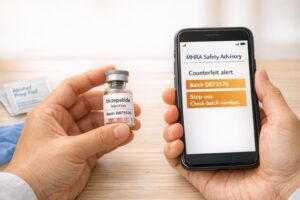
Falsified Mounjaro pens prompt urgent safety advisory
MHRA warns of counterfeit Mounjaro pens (batch D873576); stop use and check batch numbers for infection risk.

Novo Nordisk shares drop as Alzheimer’s hopes for weight-loss drug fade
Novo Nordisk’s semaglutide failed to slow Alzheimer’s in large trials, prompting shares to fall and expert reactions.


