Unexplained Weight Loss: When You Should Be Concerned
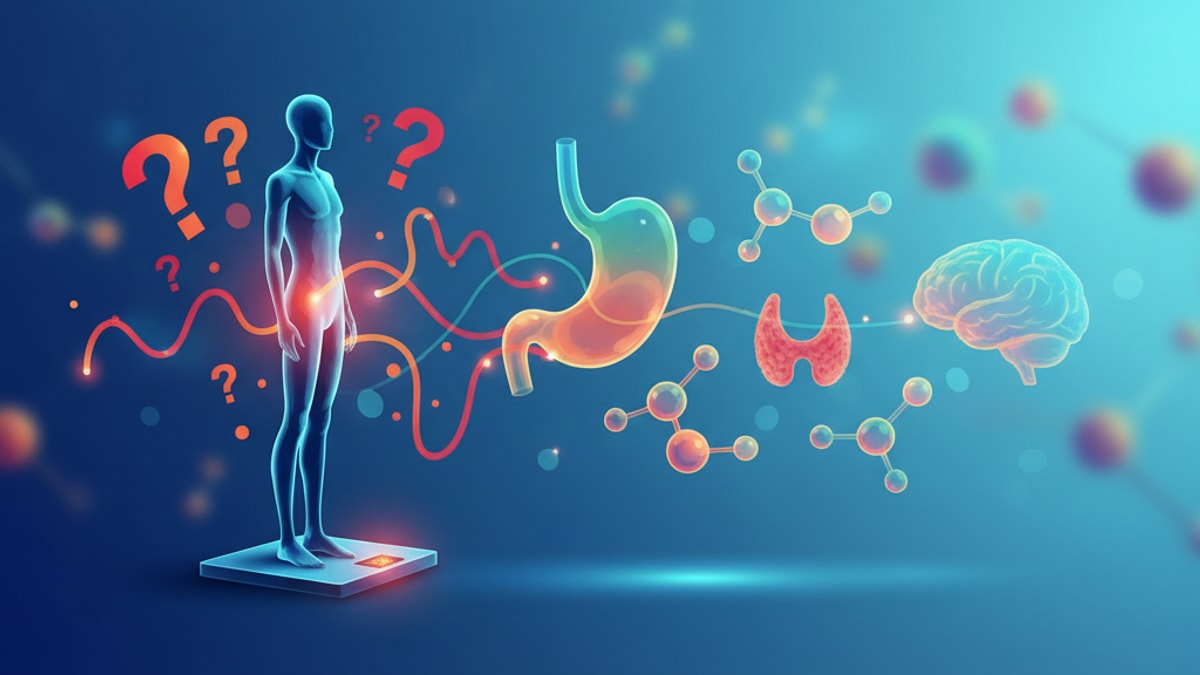
You’ve noticed it, haven't you? Your clothes feel a little looser. The number on the scale is drifting downward, but you haven't changed a thing about your diet or exercise routine. While many people work hard to lose weight, watching it happen without any effort can be unsettling, even frightening. It's a common concern we hear about, and it raises an important question: what is unexplained weight loss a symptom of?
It’s a signal from your body that something has changed. Let's be honest, this is crucial. Ignoring it isn't an option. Our team at TrimrX specializes in the science of metabolic health and medically-supervised weight management. We work with clients every day who are actively seeking to manage their weight using advanced treatments like Semaglutide and Tirzepatide. But we also know that weight loss that happens to you instead of because of you falls into a completely different category. It's a medical symptom, and it deserves a serious, unflinching look.
First, What Exactly Counts as 'Unexplained'?
Before we dive into the potential causes, we need to define our terms. This isn't about losing a pound or two after a stressful week. We're talking about a significant, persistent drop in body weight that you can't account for. The general medical benchmark for concern is losing more than 5% of your total body weight over a period of 6 to 12 months without trying. For a 180-pound person, that's a loss of 9 pounds or more. For a 140-pound person, it's 7 pounds.
Think of it this way: the weight loss you achieve through a structured, medically-guided program is intentional. It's the result of targeted biological mechanisms, like those influenced by the GLP-1 medications we utilize, which help regulate appetite and blood sugar. Unexplained weight loss, on the other hand, is unintentional. It’s your body’s check-engine light coming on, and it’s time to figure out which system is flagging the error.
The Common Culprits: Not Always a Worst-Case Scenario
When patients come to us with this concern, our first step is always to rule out the most common and often less severe possibilities. It’s easy for the mind to jump to catastrophic conclusions, but our experience shows that the cause is frequently related to lifestyle or manageable health issues. We can't stress this enough: start here before you panic.
One of the biggest factors we see is a change in your mental or emotional state. Chronic stress is a formidable force. When you’re under relentless pressure, your body pumps out cortisol, a stress hormone that can throw your entire metabolic system into disarray. For some, it triggers cravings and weight gain. For others, it kills appetite and cranks up metabolism, leading to weight loss. Depression and anxiety can have a similar effect, creating a profound lack of interest in food or causing so much nervous energy that you're burning more calories than you realize. It's not just 'in your head'; it’s a real physiological response.
Sometimes, the cause is even simpler. Have you started a new job that involves more walking? Are you chasing after a toddler all day? Did you unconsciously cut back on snacking or switch to a lower-calorie coffee drink? We've found that people are often poor judges of their own subtle habit shifts. Keeping a simple food and activity journal for a week or two can sometimes reveal a perfectly logical explanation. It seems basic, but it's a diagnostic tool we recommend frequently.
Finally, digestive problems are a major contributor. Conditions like celiac disease (a severe gluten intolerance), Crohn's disease, or even persistent irritable bowel syndrome (IBS) can interfere with your body's ability to absorb nutrients from food. This is called malabsorption. You might be eating a normal amount, but if your gut can't pull the calories and nutrients from that food, your weight will inevitably drop. Often, this is accompanied by other symptoms like bloating, diarrhea, or stomach pain, which are critical clues.
When It's a Metabolic or Endocrine Signal
This is where things get more clinical, touching on the systems our work at TrimrX is deeply involved with. Your endocrine system is the master regulator of your metabolism, and when it's out of balance, your weight is one of the first things to be affected.
An overactive thyroid, or hyperthyroidism, is a classic example. Your thyroid gland sets the pace for your body's metabolic rate. Think of it as the engine's idle speed. When it becomes overactive, it’s like the idle is set way too high. Your body is burning through calories at an accelerated rate, even when you're at rest. You might feel anxious, have a rapid heartbeat, feel constantly warm, and lose weight despite having a ravenous appetite. It’s a telltale pattern.
Diabetes, particularly newly diagnosed Type 1 or poorly controlled Type 2, is another major cause. In this state, your body can't use glucose (sugar) from your blood for energy because of a lack of insulin or insulin resistance. Desperate for fuel, your cells begin to break down fat and muscle tissue instead. This leads to rapid, significant weight loss, often accompanied by extreme thirst, frequent urination, and fatigue. It's a critical metabolic crisis. Interestingly, the GLP-1 medications we use in our practice, like Semaglutide and Tirzepatide, are instrumental in helping manage glucose for those with Type 2 diabetes and are also approved for weight management because they address some of these core metabolic pathways in a controlled, therapeutic way.
Less common, but still on the diagnostic checklist, are conditions like Addison's disease, where the adrenal glands don't produce enough crucial hormones. This can lead to a poor appetite, low blood pressure, and subsequent weight loss.
| Potential Cause Category | Common Examples | Primary Mechanism of Weight Loss | Key Associated Symptoms |
|---|---|---|---|
| Mental Health | Chronic Stress, Depression | Decreased appetite, increased metabolic rate (cortisol) | Fatigue, mood changes, loss of interest, sleep disturbances |
| Digestive Disorders | Celiac Disease, Crohn's | Malabsorption (inability to absorb nutrients) | Bloating, diarrhea, abdominal pain, changes in stool |
| Endocrine/Metabolic | Hyperthyroidism, Diabetes | Increased metabolism (thyroid), loss of glucose as fuel (diabetes) | Rapid heart rate, feeling hot, increased thirst/urination, hunger |
| Chronic Infections | HIV, Tuberculosis, Fungal | Systemic inflammation, increased energy expenditure by immune system | Persistent fever, night sweats, chronic fatigue, cough |
| Major Organ Disease | Heart Failure, COPD, Kidney | Increased work of breathing, inflammation, loss of appetite (cachexia) | Shortness of breath, swelling in legs, extreme fatigue |
| Cancer (Malignancy) | Various types | Increased metabolic demand from tumor cells, appetite suppression | Unexplained pain, changes in skin, persistent cough, fatigue |
Facing the More Serious Possibilities
Now, we need to address the elephant in the room. Yes, unexplained weight loss can be a symptom of cancer. It’s a terrifying thought, and it’s often the first place people’s fears go. We want to be very clear: it is a possibility, but it is far from the only possibility. In fact, it's often not the most likely one, especially in the absence of other specific symptoms.
When cancer is the cause, the weight loss happens because cancer cells are metabolically demanding. They consume a tremendous amount of energy as they grow and divide, essentially stealing resources from the rest of your body. Certain cancers, particularly those of the pancreas, esophagus, stomach, and lung, are more commonly associated with weight loss as an early symptom. This type of weight loss is often accompanied by other red flags, like persistent pain, a nagging cough, changes in bowel or bladder habits, or extreme, unrelenting fatigue.
Other serious conditions can also be at play. Chronic infections, such as HIV or tuberculosis, put the immune system into overdrive for a prolonged period. This constant state of alert and inflammation requires a massive amount of energy, leading to a gradual wasting of the body's resources. Similarly, advanced diseases affecting major organs—like congestive heart failure, chronic obstructive pulmonary disease (COPD), or kidney disease—can cause a complex type of weight loss called cachexia. This isn't just simple weight loss; it's a metabolic syndrome involving systemic inflammation that causes a profound loss of muscle mass, with or without fat loss. The body is in a catabolic state, breaking itself down.
Neurological disorders like Parkinson's disease or dementia can also lead to weight loss, though the mechanisms are often more complex. It can be a combination of increased energy expenditure from tremors (in Parkinson's), difficulty swallowing (dysphagia), a decreased sense of smell and taste that reduces appetite, or simply forgetting to eat.
Your Action Plan: What to Do Right Now
If you're experiencing unexplained weight loss that meets that 5% threshold, the path forward is clear. It involves careful observation and professional medical guidance. Don't self-diagnose on the internet, and don't ignore it hoping it will go away.
Step 1: Document Everything. Don't just rely on memory. Start a simple log. Track your weight once a week. Note your energy levels, your appetite, and any other symptoms you’re experiencing, no matter how minor they seem. Are you more tired than usual? Is there a new pain? Have your bathroom habits changed? This data is invaluable for your doctor.
Step 2: Schedule a Doctor's Appointment. This is non-negotiable. Your primary care physician is the right place to start. Be prepared to share your log and give a detailed history. They will perform a physical exam and will likely order a series of initial tests. This typically includes comprehensive blood work (like a complete blood count, metabolic panel, and thyroid function tests) and a urinalysis. These foundational tests can reveal a huge amount of information about inflammation, organ function, and metabolic health.
Step 3: Be Patient with the Process. Depending on the initial findings, your doctor may recommend further imaging studies (like a CT scan or ultrasound) or refer you to a specialist, such as a gastroenterologist (for digestive issues) or an endocrinologist (for hormone issues). Finding the root cause can sometimes be a process of elimination.
Our philosophy at TrimrX is rooted in proactive, medically-sound health management. While our focus is on helping individuals achieve intentional weight loss and metabolic wellness, we recognize that the first step in any health journey is a proper diagnosis. Once you and your doctor have a clear picture of what's happening and have ruled out serious underlying conditions, you can then make informed decisions about your health. For those whose goals align with improving metabolic health and managing weight, our programs offer a clear, supportive path forward. To see if a medically-supervised approach is right for your long-term goals, you can Take Quiz to learn more. If you've already consulted with your physician and are ready to take control, you can Start Your Treatment now.
Unexplained weight loss is your body talking to you in a language you can't ignore. It’s a symptom, not a disease in itself. Listening to that signal and seeking out the right professional expertise is the most powerful first step you can take. Your health is a complex, interconnected system, and a sudden change in one part demands attention to the whole. By approaching it methodically and with expert guidance, you can move from a state of worry to a position of informed action, ready to address the root cause and restore your body's balance.
FAQs About Unexplained Weight Loss
Frequently Asked Questions
How much weight loss is officially considered ‘significant’?
▼
Medically, significant unexplained weight loss is defined as losing more than 5% of your body weight over a 6 to 12-month period. For someone weighing 200 pounds, this would be a loss of 10 pounds or more without a clear reason.
Can stress and anxiety really cause that much weight loss?
▼
Absolutely. Chronic stress elevates cortisol levels, which can suppress appetite and increase metabolism in some individuals. Severe anxiety can also lead to a lack of interest in food and increased nervous energy expenditure, contributing to a noticeable drop in weight over time.
Is losing weight without trying always a bad sign?
▼
Not always, but it always warrants investigation. Sometimes it can be due to subtle, positive lifestyle changes you haven’t consciously noticed. However, because it can be a symptom of serious underlying conditions, it should never be ignored.
What kind of doctor should I see for unexplained weight loss?
▼
Your primary care physician (PCP) or a general practitioner is the best starting point. They can conduct a thorough initial evaluation and, if necessary, refer you to a specialist like an endocrinologist, gastroenterologist, or oncologist based on their findings.
Could my medications be causing weight loss?
▼
Yes, certain medications can cause weight loss as a side effect. These can include some chemotherapy drugs, certain antidepressants, and medications for ADHD. It’s crucial to review all your current medications with your doctor.
Does unexplained weight loss happen more often as you get older?
▼
It can be more common in older adults due to a variety of factors, including natural muscle loss (sarcopenia), decreased appetite, and a higher prevalence of chronic diseases. However, it should still be evaluated by a doctor regardless of age.
What’s the difference between cachexia and normal weight loss?
▼
Normal weight loss primarily involves fat loss. Cachexia, often associated with diseases like cancer or heart failure, is a complex metabolic syndrome characterized by severe loss of muscle mass, with or without fat loss. It’s driven by systemic inflammation and is not reversed by simply eating more calories.
Should I try to eat more to stop the weight loss?
▼
Before making any drastic dietary changes, it’s essential to see a doctor to determine the underlying cause. Simply increasing calories may not solve the problem if it’s related to malabsorption or an overactive metabolism. A diagnosis should guide your nutritional strategy.
What are the first tests a doctor will usually run?
▼
Initial testing typically includes a comprehensive blood panel (CBC, metabolic panel), thyroid function tests (TSH), and a urinalysis. These tests help check for infection, anemia, kidney and liver function, electrolyte imbalances, and signs of diabetes or thyroid disorders.
If no cause is found, what happens next?
▼
In some cases, a clear cause is not immediately found. Your doctor may recommend a period of ‘watchful waiting,’ where you continue to monitor your weight and symptoms. Further, more specialized testing might be considered if the weight loss continues or new symptoms appear.
Can dental problems lead to significant weight loss?
▼
Yes, they can. Issues like painful cavities, ill-fitting dentures, or mouth sores can make chewing difficult and painful, leading to a reduced food intake and subsequent weight loss. This is an often-overlooked but important potential cause, especially in older adults.
How quickly should I see a doctor after noticing weight loss?
▼
If you’ve lost a noticeable amount of weight (approaching that 5% mark) over a few months without trying, it’s wise to schedule an appointment. If the weight loss is very rapid or accompanied by other alarming symptoms like severe pain or fatigue, you should seek medical attention more urgently.

Transforming Lives, One Step at a Time
Keep reading

Do You Need a Prescription for GLP-1s? The 2026 Answer
Wondering ‘do you need a prescription for glp 1’ in 2026? Yes. We explain why a doctor’s oversight is critical for safe, effective results.

How to Get GLP-1 Covered By Insurance: Our 2026 Playbook
Struggling with how to get glp-1 covered by insurance? Our 2026 guide breaks down prior authorizations, appeals, and documentation.

Traveling with GLP-1s in 2026: Your Essential Trip-Proof Plan
Don’t let travel disrupt your GLP-1 treatment. Learn how to travel with glp 1 medications safely and stress-free in our 2026 expert guide.


