What Milk Is Better for Weight Loss? Our Team Weighs In
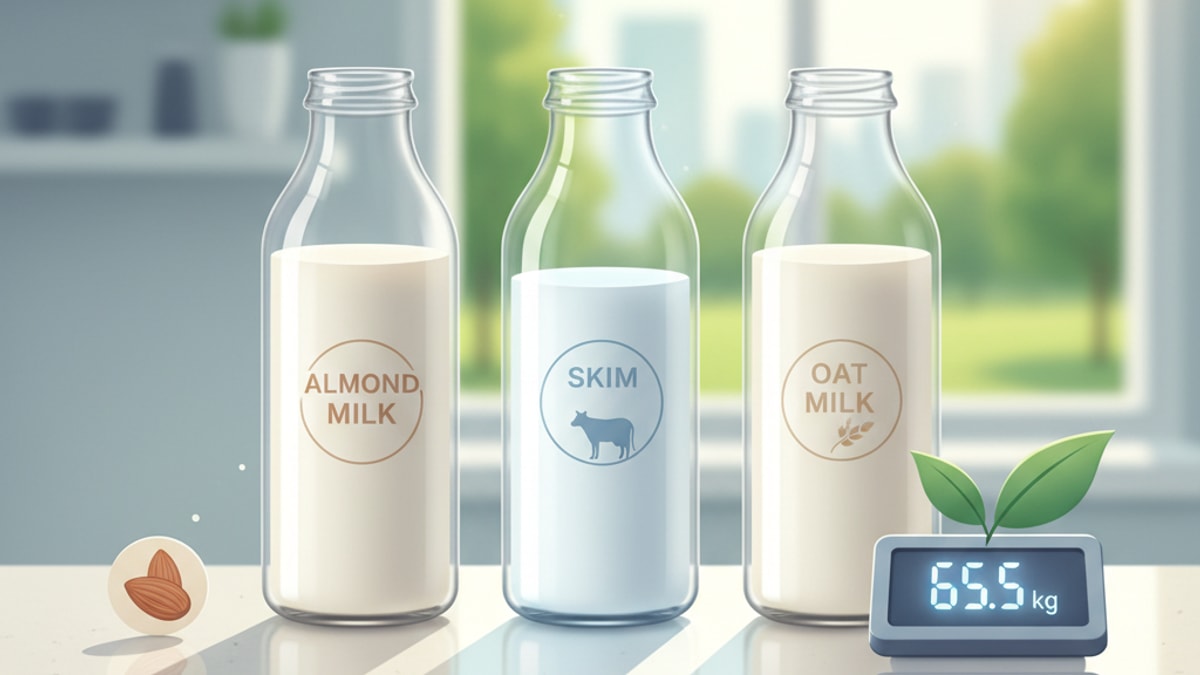
The Milk Aisle: A Simple Choice That Became Overwhelming
Walk into any grocery store, and the dairy aisle is… a lot. What used to be a simple choice between whole and skim has exploded into a sprawling landscape of options derived from nuts, seeds, grains, and legumes. It’s a significant, sometimes dramatic shift. For anyone on a focused health journey, especially those committed to weight loss, this abundance of choice can feel less like a blessing and more like a formidable challenge. Which one actually helps? Which one might be secretly sabotaging your efforts?
Here at TrimrX, our team works with individuals every single day who are navigating the complexities of nutrition as part of a medically-supervised weight loss program. We've found that these small, seemingly insignificant daily choices—like the splash of milk in your morning coffee or the base of your protein shake—accumulate over time to create a powerful impact. It's not just about the medication; it's about building a supportive lifestyle. And that starts with understanding the 'why' behind your food choices. So, let’s unpack the big question: what milk is better for weight loss? The answer is more nuanced than you might think.
First Things First: Defining a 'Weight Loss-Friendly' Milk
Before we can crown a winner, we need to define the rules of the game. What are we actually looking for? It’s not a one-metric race. A truly supportive milk choice for weight management needs to deliver on several key fronts. Our experience shows that focusing on calories alone is a classic rookie mistake.
Here’s what our team recommends you scrutinize on the nutrition label:
- Calorie Density: This is the most obvious starting point. Fewer calories per serving give you more flexibility elsewhere in your diet. Simple, right? But it’s only one piece of a much larger puzzle.
- Protein Content: This is a critical, non-negotiable element. Protein is the undisputed champion of satiety—the feeling of fullness and satisfaction after eating. A higher protein content in your milk can help curb cravings, reduce overall calorie intake, and, crucially, support the maintenance of lean muscle mass during weight loss. We can't stress this enough: preserving muscle is key to keeping your metabolism fired up.
- Sugar Content: This is where things get tricky. We need to look at two kinds of sugar: naturally occurring sugars (like lactose in dairy milk) and, more importantly, added sugars. Many flavored or even 'original' versions of plant-based milks are loaded with added sugar, turning a potentially healthy choice into a glorified dessert. Unsweetened is almost always the way to go.
- Fat Profile: For decades, fat was the enemy. We now know the story is much more complex. While you’ll want to be mindful of total calories from fat, the type of fat matters. Some milks offer beneficial unsaturated fats, while others are higher in saturated fats. We’ll break down what this means for you.
Now, with that framework in place, let's put the main contenders under the microscope.
The Classic Contender: A Fresh Look at Dairy Milk
For many, dairy milk is the original gold standard. It’s a nutritional powerhouse, naturally packed with calcium, vitamin D, and high-quality, complete protein. But how do the different versions stack up in a modern weight loss plan?
Skim Milk (Nonfat Milk)
This is the leanest of the dairy options. By removing the milk fat, you’re left with a beverage that’s low in calories but retains almost all of its potent protein punch. An eight-ounce glass typically contains around 80-90 calories and a solid 8 grams of protein. Because of this impressive protein-to-calorie ratio, our team often considers it a formidable choice for those who tolerate dairy well. It’s excellent for protein shakes, in oatmeal, or just for drinking straight, providing that satiating protein without a significant caloric hit. The main drawback for some is its thinner consistency and less rich flavor.
Low-Fat (1%) and Reduced-Fat (2%) Milk
These are the middle-ground options. They offer the same high-quality protein and nutrients as skim milk but with a little more fat, which contributes to a creamier taste and texture. The fat content also aids in the absorption of fat-soluble vitamins like D and A. A cup of 1% milk has about 100 calories, while 2% has around 120. They represent a balanced compromise, offering better flavor than skim without the heavy caloric load of whole milk. Honestly, for many people, 1% milk is a fantastic, sustainable daily driver.
Whole Milk
Whole milk contains around 3.5% milk fat and clocks in at about 150 calories per cup. That fat provides a rich flavor and contributes significantly to satiety. While it might seem counterintuitive for weight loss, some studies suggest that the fat in dairy can help you feel fuller for longer, potentially reducing overall calorie consumption. However, from a pure numbers perspective, it’s a much more calorie-dense choice. We generally recommend that if your primary goal is creating a caloric deficit, you’re better off choosing skim or 1% and getting your healthy fats from sources like avocados, nuts, and olive oil.
The Plant-Based Gauntlet: A Tour of the Alternatives
This is where the modern milk aisle gets really interesting—and confusing. The array of plant-based milks is staggering, and their nutritional profiles are all over the map. Let's be honest, this is crucial. Choosing the wrong one can be a real setback.
Unsweetened Almond Milk: The Low-Calorie King
If your goal is purely to find the lowest calorie liquid for your coffee or cereal, unsweetened almond milk is tough to beat. It can have as few as 30-40 calories per cup. It’s light, has a mild flavor, and is widely available. But there's a huge catch. It contains almost no protein—typically just 1 gram per serving. This is a critical trade-off. While you’re saving calories, you’re missing out entirely on the satiating power of protein. We’ve seen clients switch to almond milk and then wonder why they feel hungry an hour later. It’s a fine choice if you’re getting ample protein from other sources in that meal (like adding protein powder to a shake), but don't count on it to keep you full.
Unsweetened Soy Milk: The Protein Powerhouse
Soy milk is the original plant-based alternative, and from a nutritional standpoint, it remains one of the strongest. It’s the only plant milk that consistently matches the protein content of dairy milk, with around 7-8 grams of complete protein per serving. It’s also typically low in carbs and has a creamy texture. For years, soy was the subject of controversy, but modern science has largely shown that moderate consumption of whole soy foods is perfectly safe and offers numerous health benefits. For anyone looking for a high-protein, dairy-free option for weight loss, unsweetened soy milk is an absolute top-tier choice.
Oat Milk: The Creamy-But-Complicated Favorite
Let's talk about oat milk. It has taken the world by storm, largely thanks to its incredibly creamy texture and rich flavor that performs beautifully in lattes. But from a weight loss perspective, it demands caution. Oat milk is significantly higher in calories and carbohydrates than most other plant milks, often containing 120 calories and 16 grams of carbs per cup. That's nearly double the carbs of dairy milk. This carbohydrate load can cause a more pronounced spike in blood sugar for some individuals, which is not ideal for managing hunger and cravings. For patients in our TrimrX program, especially those using GLP-1 medications to improve glycemic control, we often advise them to be very mindful of their oat milk consumption. It’s more of an occasional treat than a daily staple.
It can be a trap.
Pea Milk: The Impressive Newcomer
This might be the one you haven't tried yet, but you absolutely should consider it. Made from yellow split peas, unsweetened pea milk has emerged as a nutritional champion. It typically matches dairy and soy milk for protein, boasting a solid 8 grams per serving. It's also creamy, nut-free, soy-free, and usually fortified with calcium and vitamin D. What’s more, its production is significantly more sustainable than almond or dairy milk. Our team is increasingly recommending pea milk as a fantastic, well-rounded alternative that ticks all the boxes: low-calorie, high-protein, and allergen-friendly.
Other Options: Coconut, Cashew, and Rice Milk
- Coconut Milk Beverage: This is different from the canned, high-fat version used in cooking. The beverage form is lower in calories (around 45 per cup) but, like almond milk, it’s very low in protein. Its fats are primarily medium-chain triglycerides (MCTs), which some research suggests may have metabolic benefits, but the data isn't conclusive enough to make it a top pick.
- Cashew Milk: Similar to almond milk, it’s creamy and low in calories when unsweetened, but offers very little in the way of protein.
- Rice Milk: We generally advise against this one for weight loss. It’s very high in carbohydrates and natural sugars and has virtually no protein, making it one of the least satiating options available.
The Comparison: Milk vs. Milk Head-to-Head
To make this easier, we’ve built a quick-reference chart. These are average values for an 8-ounce (1 cup) serving of unsweetened varieties. Always check the label of the specific brand you buy, as figures can vary.
| Milk Type | Avg. Calories | Protein (g) | Carbs (g) | Fat (g) | Key Pros | Key Cons |
|---|---|---|---|---|---|---|
| Skim Dairy Milk | 90 | 8 | 12 | 0 | High protein, rich in calcium, low calorie | Contains lactose, not vegan |
| Unsweetened Almond Milk | 35 | 1 | 2 | 2.5 | Very low calorie, widely available | Very low protein, often contains fillers |
| Unsweetened Soy Milk | 80 | 7 | 4 | 4 | High in complete protein, dairy-free | Potential allergen, some dislike the flavor |
| Oat Milk (Unsweetened) | 120 | 3 | 16 | 5 | Very creamy texture, great in coffee | High in calories & carbs, can spike blood sugar |
| Unsweetened Pea Milk | 70 | 8 | 0 | 4.5 | High protein, allergen-friendly, sustainable | Newer to market, can be harder to find |
| Whole Dairy Milk | 150 | 8 | 12 | 8 | Very satiating, rich flavor, aids vitamin absorption | High in calories and saturated fat |
The TrimrX Verdict: So, Which Milk Should You Choose?
After reviewing all the evidence and drawing from our experience helping thousands of patients, we don't believe in a single 'best' milk. The ideal choice is deeply personal and depends entirely on your unique goals, dietary needs, and preferences.
But we can offer a clear, tiered recommendation.
Top Tier for Weight Loss (The Protein All-Stars):
If your primary goal is maximizing satiety and supporting muscle, your best bets are Unsweetened Soy Milk, Unsweetened Pea Milk, or Skim/1% Dairy Milk. These three provide the highest amount of protein for a reasonable number of calories. This protein helps keep you full, stabilizes energy levels, and provides the building blocks your body needs. They are, in our professional opinion, the most strategically sound choices for a weight loss diet.
Second Tier (The Calorie Savers):
If you simply need a very low-calorie base for a smoothie where you're already adding a high-quality protein powder, or a splash in your coffee, Unsweetened Almond Milk is a perfectly fine choice. Just be brutally honest with yourself: you cannot rely on it for satiety. You must compensate with protein from another source.
Use With Caution (The Deceptive One):
Oat Milk. We know it’s a fan favorite, but its high carbohydrate and calorie profile makes it a less-than-ideal choice for daily consumption during a focused weight loss phase. If you love it, consider it a treat, not a staple.
Ultimately, building a successful and sustainable weight loss plan is about more than just a single ingredient. It’s about creating a holistic strategy where your nutrition, lifestyle, and, when appropriate, medical treatments work in harmony. Making an informed choice in the milk aisle is one small but powerful step in that process. If you’re tired of guessing and are ready to have a dedicated medical team help you connect all the dots, from nutrition to advanced treatments like GLP-1s, we're here to help. You can see if you're a candidate when you Start Your Treatment.
Making these smart, deliberate choices every day is what creates momentum. It’s what builds the foundation for profound, lasting change. Choosing the right milk is just the beginning.
Frequently Asked Questions
Is whole milk bad for weight loss?
▼
Not necessarily ‘bad,’ but it’s very calorie-dense. With around 150 calories per cup, skim or 1% milk are generally more strategic choices to help you maintain a calorie deficit while still getting the protein benefits.
Will oat milk make me gain weight?
▼
Oat milk itself won’t automatically cause weight gain, but it is higher in calories and carbohydrates than many other milks. Over-consuming it without accounting for those calories could hinder your weight loss progress, so moderation is key.
What’s the best milk for a protein shake?
▼
For a protein shake, you want a liquid that complements your protein powder. We recommend skim milk, unsweetened soy milk, or unsweetened pea milk, as they all add an extra 7-8 grams of protein per cup, enhancing the shake’s muscle-building and satiating effects.
Why is ‘unsweetened’ so important for plant-based milks?
▼
The ‘unsweetened’ label is non-negotiable. ‘Original’ or flavored versions of plant milks can contain a surprising amount of added sugar, which adds empty calories and can spike your blood sugar, leading to more cravings and working against your weight loss goals.
Is organic milk better for weight loss?
▼
From a weight loss perspective, the nutritional content (calories, protein, fat) of organic versus conventional milk is virtually identical. The ‘organic’ label refers to farming practices, not a difference in the macronutrients that impact weight management.
I’m lactose intolerant. What is the best milk alternative?
▼
If you’re lactose intolerant and focused on weight loss, your best options are unsweetened soy milk or unsweetened pea milk. Both are high in protein, which is crucial for satiety, and are naturally lactose-free.
Can I drink milk while on a GLP-1 medication like Semaglutide?
▼
Yes, you can absolutely drink milk while on GLP-1 medications. Our team often recommends high-protein, lower-sugar options like skim milk or pea milk to support satiety and stable blood sugar, which aligns perfectly with the goals of GLP-1 therapy.
Does almond milk have any real health benefits?
▼
Unsweetened almond milk is a great low-calorie and low-sugar vehicle for other nutrients. While it’s not a source of protein, it’s often fortified with calcium and Vitamin D, making it a healthy choice for those who need a very light base for smoothies or cereal.
Is A2 milk better for weight loss?
▼
A2 milk’s main benefit relates to digestion, as some people find the A2 beta-casein protein easier to tolerate than the A1 protein found in conventional milk. Its nutritional profile for weight loss is identical to regular milk, so the choice between skim A2 and skim conventional milk won’t impact your results.
How do I choose a milk that will keep me full the longest?
▼
To stay full longer, prioritize protein. Look for a milk with at least 7-8 grams of protein per serving. Skim dairy milk, unsweetened soy milk, and unsweetened pea milk are the champions in this category.
Is rice milk a good choice for weight loss?
▼
We generally do not recommend rice milk for weight loss. It is very high in carbohydrates and sugar with almost no protein or fat, making it one of the least satiating options that can easily spike blood sugar.
What about goat’s milk for weight loss?
▼
Goat’s milk is nutritionally similar to whole cow’s milk in terms of calories, fat, and protein. While some people find it easier to digest, it’s not inherently better for weight loss and should be used with the same caloric awareness as whole milk.

Transforming Lives, One Step at a Time
Keep reading

Do You Need a Prescription for GLP-1s? The 2026 Answer
Wondering ‘do you need a prescription for glp 1’ in 2026? Yes. We explain why a doctor’s oversight is critical for safe, effective results.

How to Get GLP-1 Covered By Insurance: Our 2026 Playbook
Struggling with how to get glp-1 covered by insurance? Our 2026 guide breaks down prior authorizations, appeals, and documentation.

Traveling with GLP-1s in 2026: Your Essential Trip-Proof Plan
Don’t let travel disrupt your GLP-1 treatment. Learn how to travel with glp 1 medications safely and stress-free in our 2026 expert guide.


