What Not to Do While Taking Mounjaro for Best Results
Introduction
Starting a weight loss journey with Mounjaro® often feels like a long-awaited turning point. After years of struggling with traditional diets or exercise routines that didn’t seem to move the needle, having a medical tool that addresses the biological roots of hunger can be incredibly liberating. However, many people find that the medication works best—and feels best—when they avoid certain common pitfalls. At TrimRx, we believe that understanding these “don’ts” is just as important as knowing what to do. This post covers the specific foods, lifestyle habits, and medication interactions you should avoid to maximize your progress and minimize discomfort. By steering clear of these obstacles, you can ensure your body is fully supported while using this advanced treatment. If you’re ready to see whether a personalized program fits your health profile, take the free assessment quiz.
Avoiding High-Fat and Fried Foods
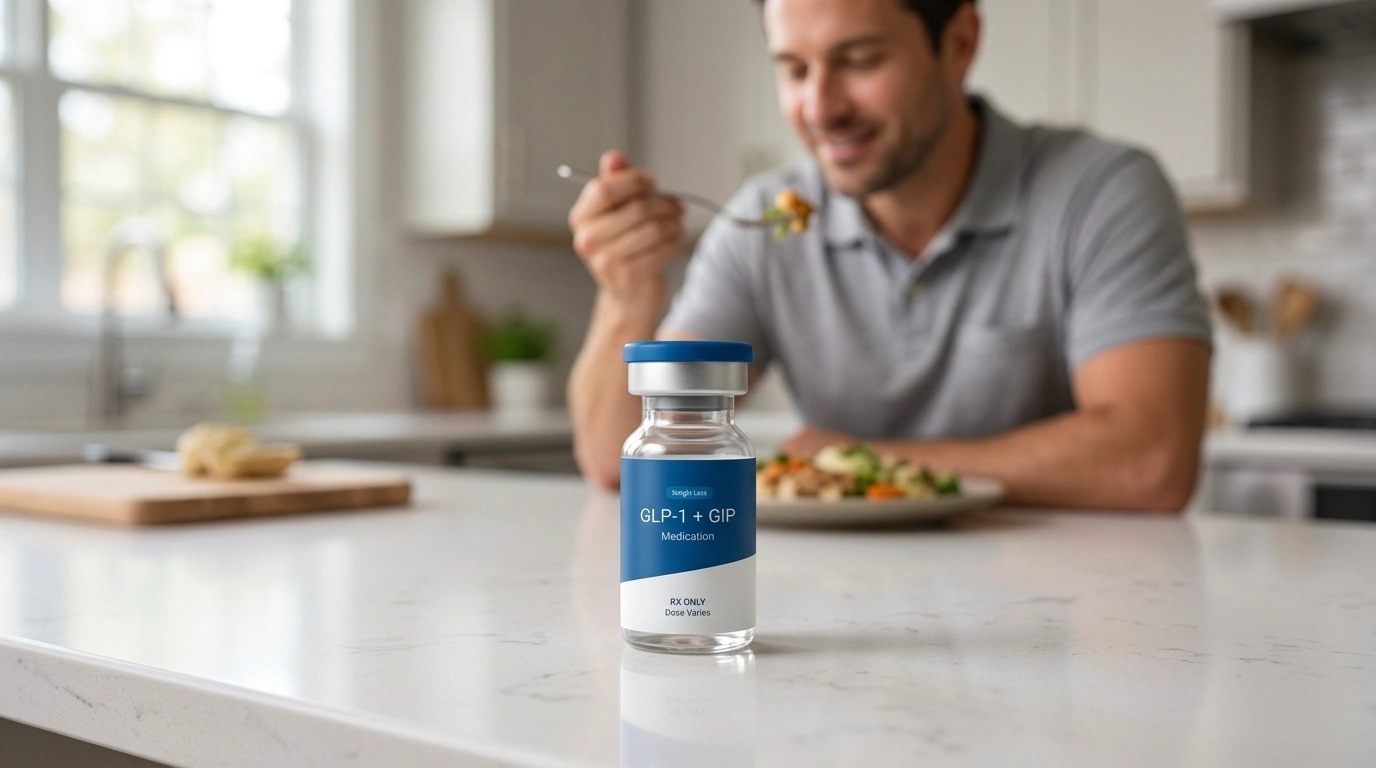
One of the most common mistakes people make when starting Mounjaro® (tirzepatide) is continuing to consume high-fat or greasy foods. This medication belongs to a class of drugs known as GLP-1 and GIP receptor agonists. Glucagon-like peptide-1 (GLP-1) and glucose-dependent insulinotropic polypeptide (GIP) are hormones that regulate appetite and slow down gastric emptying—the process by which your stomach moves food into your small intestine.
Because your stomach is already emptying more slowly, eating heavy, greasy, or fried foods can lead to significant distress. When fat sits in the stomach for an extended period, it often triggers or worsens common side effects. If you’re already dealing with nausea or fullness, our tirzepatide side effects guide breaks down what to expect and how to manage it.
Why Greasy Foods Cause Issues
Fried foods and heavy oils are difficult for the body to digest under normal circumstances. When combined with delayed gastric emptying, these foods can lead to intense nausea, “sulfur burps,” and a feeling of extreme fullness that becomes painful. Many patients report that eating a heavy meal in the evening leads to significant indigestion overnight because the body is struggling to process the fats while the medication is active.
Specific Foods to Limit
- Fast food burgers and fries
- Deep-fried appetizers
- Heavy cream-based sauces
- Large amounts of butter or lard
- High-fat cuts of red meat
Quick Answer: While taking Mounjaro, you should avoid high-fat and fried foods, sugary beverages, and excessive alcohol. It is also critical to avoid relying solely on oral birth control during dose changes and to never skip protein or hydration, as these mistakes can increase side effects and lead to muscle loss.
The Problem with Sugary and High-Glycemic Foods
Mounjaro® is designed to help regulate blood sugar and improve insulin sensitivity. Consuming foods with a high-glycemic index—meaning they cause a rapid spike in blood glucose—can work against the medication’s intended purpose. When you consume refined sugars, your body must work harder to manage the resulting spike, which can lead to energy crashes and increased cravings, even while on the medication.
Refined carbohydrates are “simple” sugars that the body breaks down almost instantly. These include white bread, white pasta, sugary cereals, and pastries. Because they lack fiber, they don’t provide the long-lasting satiety that the medication is trying to help you achieve. For a broader nutrition framework, see our GLP-1 diet guide.
Managing the “Sweet Tooth”
While the medication often naturally reduces cravings for sweets, some people still try to incorporate them as they did before. Doing so can lead to “dumping syndrome” symptoms in some individuals, including dizziness, nausea, and heart palpitations, as the body struggles to process the concentrated sugar. We recommend focusing on complex carbohydrates like quinoa, oats, and berries, which provide fiber and steady energy.
Alcohol and Mounjaro®: A Cautious Relationship
While there is no direct, dangerous chemical reaction between alcohol and Mounjaro®, there are several physiological reasons to limit or avoid it. Alcohol can significantly complicate your weight loss progress and your body’s ability to maintain stable blood sugar levels. For a broader look at how alcohol fits into GLP-1 treatment, our GLP-1 injections explained guide covers the topic in more detail.
Blood Sugar Instability
Alcohol can cause both spikes and dangerous drops in blood sugar. Initially, many alcoholic drinks (especially cocktails and beer) contain high amounts of sugar and carbohydrates that cause a spike. However, alcohol also inhibits the liver’s ability to release glucose into the bloodstream, which can eventually lead to hypoglycemia (low blood sugar). If you are also taking other medications like insulin or sulfonylureas, the risk of a dangerous drop is even higher.
Exacerbating Side Effects
Alcohol is a known irritant to the gastrointestinal tract. Since nausea and diarrhea are common side effects of GLP-1 medications, adding alcohol to the mix can make these symptoms much more severe. Furthermore, alcohol provides “empty calories” that do not offer any nutritional value, which can slow down the weight loss results you are working hard to achieve.
Birth Control and Other Medication Interactions
A critical “don’t” that many patients are unaware of involves oral contraceptives. Mounjaro® can affect the absorption of medications taken by mouth because it changes how quickly the stomach empties. This is particularly important for those using birth control pills. If oral contraception is part of your routine, our birth control and GLP-1 guide covers the timing in more detail.
The 4-Week Rule
Research suggests that oral birth control may be less effective when starting Mounjaro® or when increasing the dose. This is because the change in gastric emptying can prevent the body from absorbing the hormones in the pill consistently.
Key Takeaway: If you use oral birth control, you should use a backup method (such as condoms) or switch to a non-oral form of contraception for the first four weeks of treatment and for four weeks after every dose escalation.
Other Oral Medications
The delay in stomach emptying doesn’t just affect birth control. It can also delay the onset of action for other oral medications, such as pain relievers (ibuprofen or acetaminophen) or medications for ADHD (like Adderall®). While these interactions are usually not dangerous, you should be aware that it might take longer for your usual medications to “kick in.” Always consult with your healthcare provider about the timing of your other prescriptions.
Behavioral Mistakes: What Not to Do in Your Daily Routine
Success on a personalized program is about more than just what you eat; it’s about how you treat your body during the process. There are several behavioral habits that can stall progress or lead to unnecessary health complications.
Don’t Skip Protein
When you lose weight rapidly, your body doesn’t just lose fat; it can also lose muscle mass. This is sometimes referred to as muscle wasting or sarcopenia. To prevent this, it is vital that you do not neglect your protein intake. Many people on GLP-1 medications find they have a significantly reduced appetite and may forget to eat enough. If you want a deeper look at protein choices, see our best protein for weight loss guide.
Aiming for at least 60 to 80 grams of protein per day is a common clinical recommendation. Protein helps preserve lean muscle mass, which keeps your metabolism high. If you find it difficult to eat enough solid protein, consider high-quality protein shakes or collagen supplements.
Don’t Ignore Hydration
Dehydration is a frequent cause of the headaches and fatigue that some people experience on Mounjaro®. Furthermore, severe dehydration caused by nausea or diarrhea can lead to acute kidney injury. It is a mistake to wait until you are thirsty to drink. You should actively sip water throughout the day. If low energy is becoming a challenge, Weight Loss Boost supplement may be another option to consider alongside better hydration.
Don’t Force Yourself to “Clean Your Plate”
The medication is designed to give you a very clear signal of fullness. One of the biggest behavioral “don’ts” is ignoring that signal. If you try to finish a meal out of habit despite feeling full, you are almost guaranteed to experience nausea or vomiting shortly after. It is important to learn to listen to the very first signs of satiety and stop eating immediately.
Identifying Red Flags: When Not to “Tough It Out”
While mild nausea or constipation is common, there are certain symptoms that should never be ignored. It is a mistake to assume that every pain is just a standard side effect.
Signs of Pancreatitis
Severe, persistent abdominal pain that radiates to your back is not a normal side effect. This can be a sign of pancreatitis (inflammation of the pancreas), which is a rare but serious risk associated with this class of medication. If you experience this type of pain, especially if accompanied by vomiting that will not stop, you must seek medical attention immediately.
Gallbladder and Kidney Issues
Rapid weight loss can sometimes trigger gallbladder issues, such as gallstones. Symptoms include pain in the upper right side of the abdomen, fever, and yellowing of the eyes or skin (jaundice). Additionally, if you notice a significant decrease in urination or blood in your urine, this could indicate a kidney problem related to dehydration. Do not wait for these symptoms to resolve on their own.
Optimizing Your Program with TrimRx
At TrimRx, we understand that navigating these dietary and lifestyle changes can feel overwhelming. Our platform is designed to provide more than just access to medication; we provide a personalized approach to your health. We connect you with licensed providers who can help tailor your treatment to your specific medical history and goals.
If you are concerned about meeting your nutritional needs while on the program, we offer quick-access supplements like GLP-1 Daily Support supplement, which is designed to provide the essential nutrients that can sometimes be lacking when your appetite is reduced. Our mission is to ensure you feel supported through every step of your journey, providing a telehealth-first experience that eliminates the stress of traditional doctor visits.
| Category | What to Avoid (The Don’ts) | What to Embrace (The Dos) |
|---|---|---|
| Diet | Fried foods, sugary sodas, white bread | Lean protein, leafy greens, water |
| Alcohol | Excessive drinking, sugary cocktails | Small amounts with food, or total avoidance |
| Contraception | Relying solely on the pill during dose changes | Backup methods like condoms for 4 weeks |
| Habits | Skipping meals, ignoring fullness cues | Eating small, frequent, protein-rich meals |
| Health | Ignoring severe abdominal pain | Contacting your provider for any red flags |
Conclusion
Maximizing the benefits of Mounjaro® requires a partnership between the medication and your daily choices. By avoiding high-fat foods, staying cautious with alcohol, ensuring you have backup contraception when needed, and prioritizing protein and hydration, you set the stage for sustainable success. Remember that your body is undergoing a significant metabolic shift, and it needs the right environment to thrive.
Our mission at TrimRx is to help you navigate this transition with science-backed guidance and empathetic support. We are here to help you move past the frustrations of the past and into a healthier future. If you are ready to see how a personalized, medically supervised program can work for you, complete the free assessment quiz.
Bottom line: Avoiding the common pitfalls of poor hydration, low protein intake, and high-fat foods will significantly improve your experience and results on Mounjaro.
FAQ
Can I drink coffee while taking Mounjaro?
Yes, you can generally drink coffee, but be mindful of how your body reacts. Caffeine can sometimes worsen nausea or jitteriness, and heavy cream or sugary syrups in your coffee can lead to the same digestive issues as other high-fat or high-sugar foods.
What happens if I eat a large, fatty meal by mistake?
If you eat a large or greasy meal, you may experience significant bloating, nausea, or indigestion due to the medication’s effect on slowing your stomach. It is best to stay hydrated, rest, and return to small, bland meals until the symptoms subside. For more on nausea management, see our nausea and GLP-1 medications guide.
Do I have to stop drinking alcohol completely?
While you don’t necessarily have to stop completely, it is highly recommended to limit alcohol to one drink occasionally. Alcohol can interfere with your blood sugar levels and exacerbate the gastrointestinal side effects of the medication.
Is it safe to take over-the-counter pain relievers?
Generally, yes, but Mounjaro® may delay how quickly they begin to work. If you have any history of kidney issues, you should speak with your healthcare provider before using NSAIDs like ibuprofen, as staying hydrated is extra important while on this medication. For a deeper look at hydration strategy, see our hydration blueprint.
Disclaimer: This content is for informational purposes only and does not constitute medical advice. It is not intended to diagnose, treat, cure, or prevent any disease or condition. Individual results may vary. Always consult a qualified healthcare professional before starting any weight loss program or medication.

Transforming Lives, One Step at a Time
Keep reading

Mounjaro Alternatives: What Else to Consider
If Mounjaro isn’t the right fit, the closest alternatives are other GLP-1 medications, chiefly semaglutide (Ozempic for diabetes, Wegovy for weight), along with a…

Mounjaro vs Zepbound: Same Drug, Two Brands
Like their semaglutide counterparts, Mounjaro and Zepbound are the same medication (tirzepatide) sold under two names for two purposes: Mounjaro is approved for type…

Retatrutide vs Mounjaro: Triple Agonist vs Dual Agonist
The core difference between retatrutide and Mounjaro comes down to how many hormone targets each hits: retatrutide activates three receptors, while Mounjaro (tirzepatide) activates…


