What Not to Do While Taking Ozempic for Best Results
Introduction
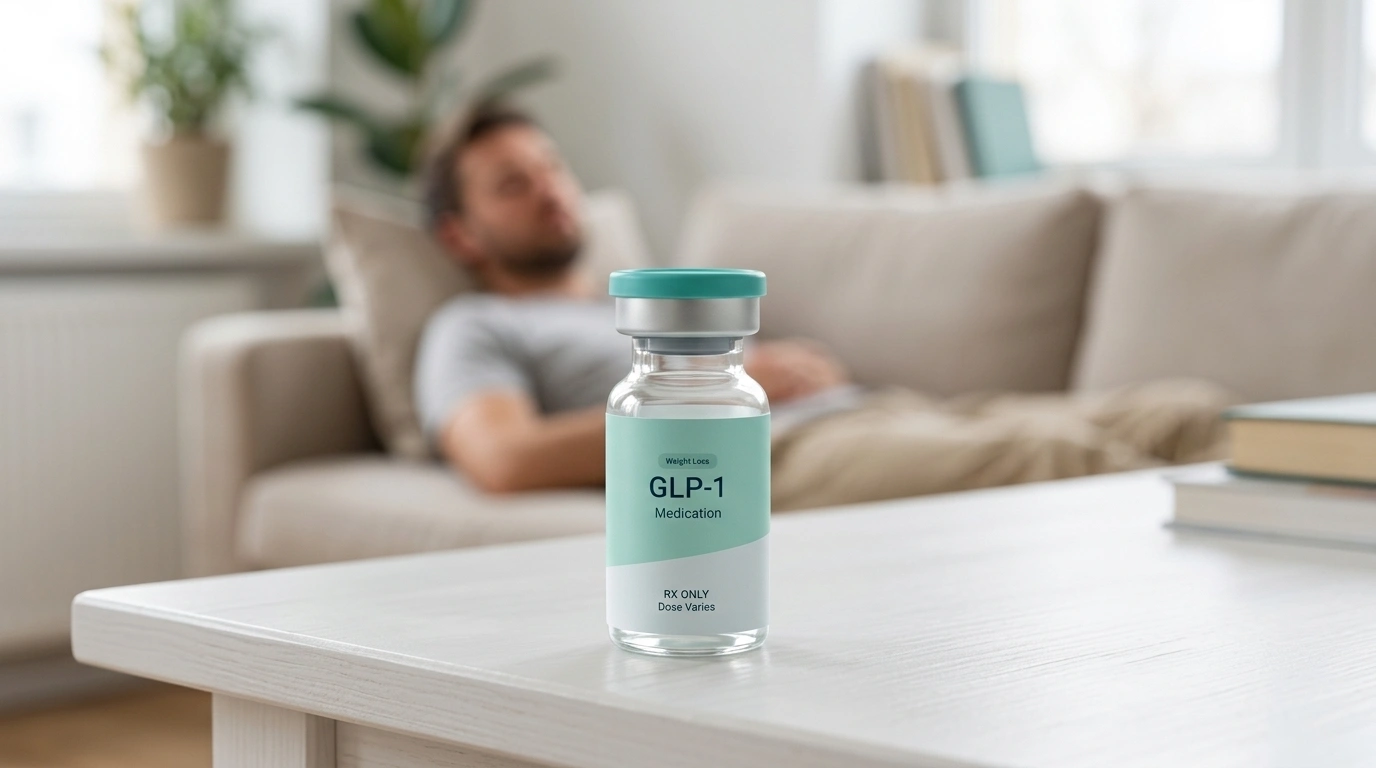
Starting a journey with GLP-1 medications can feel like a turning point in your health. Many people feel a sense of hope when they first begin using Ozempic®, but that optimism can quickly turn to frustration if unexpected side effects like nausea or fatigue settle in. If you’re considering a prescription GLP-1 program, take the free assessment quiz to see whether a personalized path makes sense for you. These medications are powerful tools for weight management and metabolic health, but they require a new way of thinking about your daily habits. At TrimRx, we believe that understanding the “why” behind your body’s reactions is the key to long-term success and comfort. This post covers the specific foods, beverages, and lifestyle choices that can hinder your progress or cause unnecessary physical distress. Success with semaglutide depends on avoiding specific dietary and lifestyle pitfalls that can trigger side effects or slow your results.
Quick Answer: While taking Ozempic®, you should avoid high-fat and fried foods, sugary drinks, and excessive alcohol. It is also important not to skip protein, ignore hydration, or eat large portions quickly, as these habits can worsen gastrointestinal side effects like nausea and bloating.
The Science Behind Why Your Habits Must Change
To understand what not to do, you first need to understand how the medication works. Ozempic® is a brand-name version of semaglutide, which is a GLP-1 (glucagon-like peptide-1) receptor agonist. A receptor agonist is a substance that mimics a natural hormone in your body. This specific hormone tells your brain you are full and slows down gastric emptying. To understand the physiology more deeply, learn how GLP-1 actually works for weight loss.
Gastric emptying is the process of food leaving your stomach and entering your small intestine. When you take a GLP-1 medication, this process slows down significantly. Food stays in your stomach for a much longer period. This is why you feel full on less food. However, if you eat the wrong things, that food “sits” in your stomach, which can lead to fermentation, gas, and severe nausea. Most of the “don’ts” on this list are designed to prevent this backup in your digestive system.
Avoiding High-Fat and Fried Foods
One of the most common mistakes is trying to maintain a diet high in saturated fats while taking a GLP-1 medication. Fried chicken, greasy burgers, and heavy pizzas are difficult for the body to digest under normal circumstances. When your digestion is slowed by medication, these foods become even more problematic. For a deeper breakdown of these symptoms, read our semaglutide side effects guide.
Fatty foods naturally take longer to break down. When combined with a medication that already slows the stomach, these fats can linger for hours or even days. This often results in “sulfur burps,” intense bloating, and vomiting. Many patients report that even a small serving of french fries can trigger a day of discomfort.
Saturated fats can increase inflammation. High-fat dairy, such as heavy cream or full-fat cheese, can also lead to sluggishness. While you do not need to eliminate fat entirely, focusing on healthy fats like avocado or olive oil in small amounts is much safer. Avoiding the “grease trap” is often the first step in eliminating the nausea associated with treatment.
The Problem with Sugar and Refined Carbohydrates
It is a common misconception that because the medication helps manage blood sugar, you can eat more sugar. In reality, the opposite is true. Consuming high-sugar foods and refined carbohydrates like white bread, pastries, and white rice can lead to rapid spikes and drops in blood glucose. If you want a more practical meal framework, our GLP-1 diet guide is a helpful place to start.
Refined carbs lack fiber. Fiber is essential when your digestion is slow to help keep things moving through the colon. Refined grains are stripped of this fiber, which can contribute to the constipation that many people experience. Furthermore, sugar can cause a “dumping” effect in some individuals, leading to sudden diarrhea or cramping.
Sugar can undermine the medication’s efficacy. The goal of a personalized weight loss program is to improve metabolic flexibility. Consuming high-glycemic foods keeps your insulin levels high, which can make it harder for the body to tap into stored fat for energy.
Key Takeaway: Prioritize complex carbohydrates like quinoa, berries, and leafy greens. These provide the nutrients you need without the digestive “backlog” created by processed sugars.
Why You Should Not Consume Excessive Alcohol
Alcohol is one of the most important things to limit or avoid while on Ozempic®. While there is no direct “toxic” interaction, the way alcohol affects your metabolism and blood sugar can be dangerous when combined with a GLP-1. For a broader look at side effects and what to expect, see GLP-1 side effects in 2026.
Increased Risk of Hypoglycemia
Both alcohol and semaglutide lower blood sugar. Alcohol prevents the liver from releasing stored glucose into the bloodstream. If you are also taking a medication that stimulates insulin release, your blood sugar can drop to dangerously low levels. This is known as hypoglycemia. Symptoms include dizziness, confusion, and shakiness.
Severe Dehydration
GLP-1 medications can sometimes reduce your thirst drive. Alcohol is a diuretic, meaning it pulls water out of your system. If you are not drinking enough water to begin with, a few cocktails can lead to severe dehydration. This often manifests as intense headaches, fatigue, and worsened nausea.
Empty Calories and Inhibitions
Alcohol provides “empty” calories that offer no nutritional value. It also lowers your inhibitions, making it much more likely that you will reach for the high-fat or sugary foods mentioned earlier. For many, the “hangover” on Ozempic® is significantly more intense than they experienced before starting the medication.
Don’t Ignore the Importance of Protein
A major pitfall in the weight loss journey is losing “weight” instead of “fat.” When you eat significantly fewer calories, your body may look for energy by breaking down muscle tissue. This is something we want to avoid at all costs. If you want to see how progress can look over time, our semaglutide weight loss results guide offers a useful perspective.
Muscle is your metabolic engine. The more muscle you have, the more calories your body burns at rest. If you ignore protein intake, your metabolism may slow down, making it harder to maintain your weight loss later. You should aim to include a lean protein source with every meal, such as chicken, turkey, tofu, or white fish.
Protein helps with satiety. While the medication does the heavy lifting for appetite suppression, protein provides the building blocks for your cells and helps keep your energy levels stable throughout the day. Skipping protein can lead to the “thin-fat” look, where you lose weight but lack muscle tone and strength.
Avoid Eating Large Portions or Eating Too Fast
The “clean your plate” mentality is a habit that many of us grew up with, but it can be a recipe for disaster on a GLP-1. Because there is a delay between your stomach being full and your brain receiving the signal, it is very easy to overeat.
Stop before you feel full. By the time you feel “stuffed,” you have likely already eaten too much for your slowed digestive system to handle. This leads to the “brick in the stomach” feeling that can last for hours. We recommend eating until you are about 70% satisfied.
Chew your food thoroughly. Digestion begins in the mouth. By breaking down food into smaller particles before swallowing, you take some of the workload off your stomach. Eating quickly often leads to swallowing air, which contributes to the painful bloating and gas that many patients complain about.
Why You Should Not Lie Down After Eating
Because the medication slows the movement of food out of the stomach, acid reflux (heartburn) is a very common side effect. When you lie down, gravity no longer helps keep your stomach contents down.
Wait at least two to three hours before bed. If you eat a late-dinner and immediately go to sleep, you are likely to experience a burning sensation in your chest or a sour taste in your mouth. This is because the acid and food are sitting at the top of the stomach.
Take a post-meal walk. A gentle 10-minute walk after eating can help stimulate the digestive tract and encourage the movement of food. This simple habit can significantly reduce the incidence of nighttime reflux and improve your overall comfort.
| Habit | Why to Avoid It | Better Alternative |
|---|---|---|
| Fried Foods | Causes severe nausea and bloating | Air-fried, grilled, or roasted foods |
| Sugary Soda | Causes gas and blood sugar spikes | Sparking water or herbal tea |
| Large Meals | Leads to vomiting and “heavy” stomach | 4-5 small, nutrient-dense snacks/meals |
| Lying Down | Triggers acid reflux and heartburn | A short walk or sitting upright |
| Skipping Water | Worsens constipation and headaches | Aim for 80-100 oz of water daily |
Don’t Neglect Hydration and Fiber
Constipation is arguably the most common side effect of semaglutide. When food moves slowly through the colon, the body has more time to absorb water from the waste, making it hard and difficult to pass. If constipation is becoming a problem, why GLP-1 causes constipation explains the mechanics behind it.
Water is your best friend. You must drink significantly more water than you think you need. Dehydration not only causes constipation but can also make the “Ozempic® fatigue” much worse. Many people mistake thirst for hunger, so staying hydrated can also help you stick to your nutrition plan.
Fiber must be introduced slowly. While fiber is necessary to keep things moving, adding too much too quickly while on a GLP-1 can cause painful gas. Focus on soluble fiber from sources like oats, beans, and certain fruits. If you are struggling to get enough fiber from food, our specialists can help you determine if a supplement is appropriate for your personalized plan.
The Danger of Ignoring Side Effects
A common mistake is “powering through” severe side effects without seeking help. While some mild nausea is normal during the first few weeks or when increasing a dose, constant vomiting or debilitating pain is not. To understand which symptoms are common and which ones deserve attention, common GLP-1 side effects is a useful reference.
Note: If you experience severe abdominal pain that radiates to your back, persistent vomiting, or a complete inability to keep down fluids, you must contact a healthcare provider immediately. These can be signs of more serious complications like pancreatitis or gallbladder issues.
At TrimRx, our platform connects you with licensed providers who can adjust your dosing schedule or provide guidance on managing symptoms. You don’t have to navigate these challenges alone. Often, a small adjustment to your dose or the timing of your injection can make a world of difference in how you feel.
Avoid Skipping Your Medical Consultations
Telehealth weight loss programs offer incredible convenience, but the convenience should not lead to complacency. Regular check-ins with your provider are essential for monitoring your progress and ensuring the medication is working safely for your body.
Lab work is not optional. Periodic blood tests help ensure that your kidney function, liver enzymes, and blood sugar levels are in the healthy range. Skipping these check-ups means you might miss early warning signs of issues that could be easily corrected.
Personalization is a process. Your body’s needs may change as you lose weight. A dose that worked for you at 250 pounds may be too high or too low once you reach 200 pounds. Constant communication with your care team ensures your program evolves with you.
Myth vs. Fact: Dietary Restrictions
Myth: You have to follow a strict “keto” or “low-carb” diet to see results. Fact: There is no one-size-fits-all “Ozempic® diet.” While reducing refined carbs helps, the most sustainable approach is a balanced, Mediterranean-style diet rich in whole foods and lean protein.
Myth: You can eat whatever you want as long as the medication suppresses your appetite. Fact: While you will likely lose weight due to the calorie deficit, eating poor-quality food will lead to nutrient deficiencies, muscle loss, and increased side effects.
How TrimRx Supports Your Journey
We understand that changing lifelong habits is difficult. That is why our program is more than just a prescription. We offer a telehealth-first approach that brings clinical expertise directly to your home. By choosing us, you gain access to a dedicated team that understands the nuances of GLP-1 therapy.
Our platform connects you with licensed healthcare providers who can prescribe compounded semaglutide or compounded tirzepatide when appropriate. These medications are prepared in FDA-registered and inspected compounding pharmacies, ensuring high standards of quality. Unlike traditional clinics, we provide a consistent experience with no hidden fees, regardless of your dosage. Whether you are looking for injectable options or are interested in oral semaglutide, our free assessment quiz is the first step toward a program tailored specifically to your health profile.
Don’t Forget About Supplemental Support
Even with a great diet, your body may need extra help during the transition. Common issues like “brain fog,” mild nausea, and nutrient gaps can be addressed with targeted supplements. Our GLP-1 Daily Support supplement is designed to complement your medication by providing the vitamins and minerals that support metabolic health.
Weight Loss Boost supplement can help maintain energy levels when you are eating fewer calories, while your nutrition plan stays focused on protein, hydration, and fiber.
Conclusion
Navigating the “don’ts” of a GLP-1 journey is about more than just following rules; it is about listening to your body and giving it the environment it needs to thrive. By avoiding high-fat foods, limiting alcohol, prioritizing protein, and staying hydrated, you can minimize side effects and maximize your results. Remember, the goal of TrimRx is to help you build a sustainable lifestyle, not just a temporary fix. We are committed to providing the science-backed, empathetic support you need to reach your goals safely.
Bottom line: Success on a GLP-1 medication comes from a partnership between the medication and your daily choices. Small adjustments to what you eat and how you move will pave the way for long-term health.
If you are ready to take the next step toward a healthier version of yourself, see if a personalized program is right for you. Our team is ready to help you navigate the path to sustainable weight loss with a personalized plan built just for you.
FAQ
Can I drink coffee while taking Ozempic?
Yes, you can generally drink coffee, but be mindful of what you add to it. Large amounts of cream and sugar can trigger nausea or heartburn, and the caffeine may worsen jitteriness or acid reflux for some people. It is also important to remember that coffee is a diuretic, so you must increase your water intake to compensate.
What happens if I eat a high-fat meal by mistake?
If you eat a greasy or high-fat meal, you may experience significant bloating, gas, or nausea a few hours later. The best thing to do is stay upright, drink small sips of water, and perhaps take a gentle walk to help digestion. Do not panic, but use it as a learning experience to avoid those specific food triggers in the future.
Why do I feel so tired on this medication?
Fatigue is a common side effect, often caused by a significant drop in calorie intake or mild dehydration. To combat this, ensure you are eating enough protein and drinking plenty of water. If the fatigue is overwhelming, consult your healthcare provider to ensure you aren’t experiencing any nutrient deficiencies or low blood sugar.
Should I avoid all carbohydrates?
No, you do not need to avoid all carbohydrates, but you should choose the right ones. Focus on complex carbohydrates like vegetables, fruits, and whole grains, which provide essential fiber and vitamins. Avoiding refined, “white” carbohydrates like sugar and flour will help minimize side effects and support more stable energy levels throughout the day. For a deeper meal-planning breakdown, see what to eat while on semaglutide for weight loss.
Disclaimer: This content is for informational purposes only and does not constitute medical advice. It is not intended to diagnose, treat, cure, or prevent any disease or condition. Individual results may vary. Always consult a qualified healthcare professional before starting any weight loss program or medication.

Transforming Lives, One Step at a Time
Keep reading

Why Does My Tongue Feel Coated on Ozempic?
Usually because there is less saliva washing your tongue clean, and less food passing over it to do the same job mechanically. Your tongue…
Starting a New Job With No Insurance While on Ozempic
The problem is usually a waiting period rather than a permanent loss, and waiting periods are plannable in a way that job loss is…

Does Collagen Help With Loose Skin on Ozempic?
Probably not for the thing you are hoping it will fix, and it is unlikely to do harm. Collagen supplements have been studied mainly…


