What Rice is Best for Weight Loss? An Expert’s Unflinching Answer
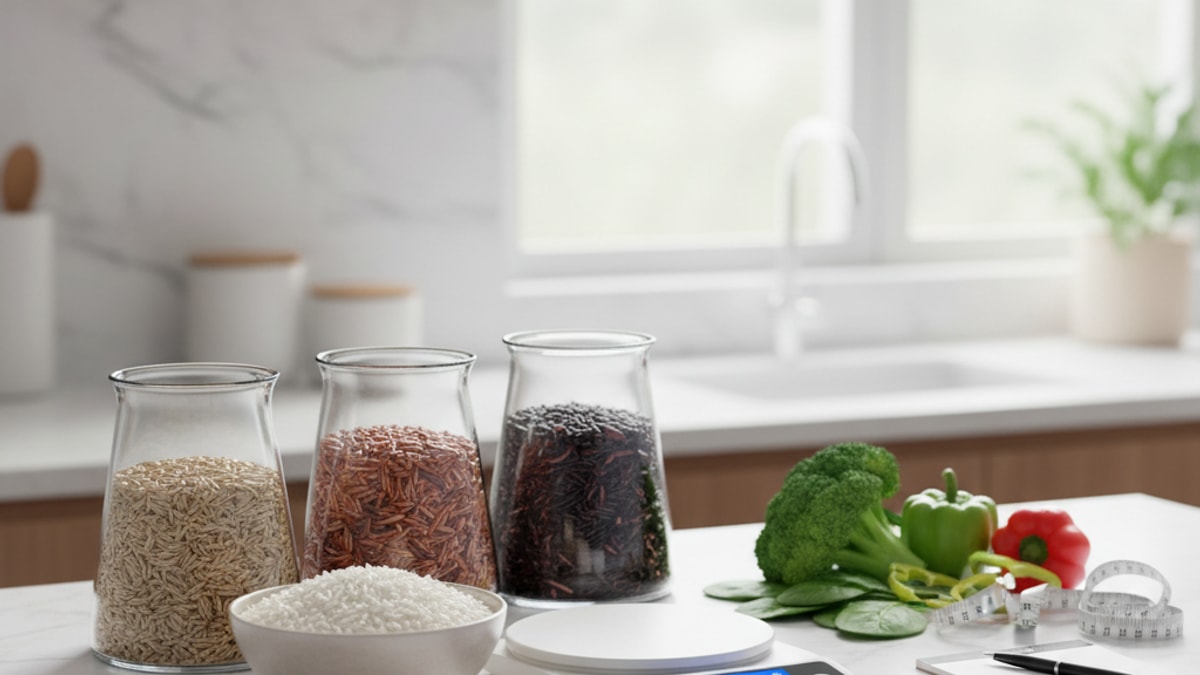
Let's be honest. For anyone on a serious weight loss journey, rice often feels like the enemy. It's the first thing people tell you to cut out. The forbidden carb. We've seen countless patients walk through our doors convinced that a single grain of rice will derail all their progress. This all-or-nothing thinking is incredibly common, but our team is here to tell you it’s not only unsustainable, it’s also scientifically shortsighted.
Here at TrimrX, we don't deal in myths or drastic restrictions. Our approach is rooted in biotechnology and a deep understanding of metabolic health, especially for patients using advanced GLP-1 treatments. We believe in empowering you with real, actionable knowledge. So, when it comes to the question of what rice is best for weight loss, we’re not going to give you a simple, one-word answer. Instead, we’re going to give you a framework for understanding how to make rice work for you, not against you. It's a nuanced conversation, and it's one worth having.
First Things First: Let's Dismantle the 'Rice is Bad' Myth
The idea that all carbohydrates are villains responsible for weight gain is a sprawling oversimplification. Your body needs carbohydrates for energy. They are the primary fuel source for your brain and muscles. The real issue isn't the carb itself, but the type of carb and the quantity you consume. Stripping them from your diet entirely can lead to fatigue, brain fog, and intense cravings that often result in binge eating. It’s a vicious cycle we’ve seen derail countless well-intentioned efforts.
Think of it this way: a Formula 1 car needs high-octane fuel to perform. Your body is no different. The problem arises when you flood the engine with cheap, low-quality fuel. Refined carbohydrates—like sugary drinks, pastries, and yes, large portions of fluffy white rice—cause a rapid spike in blood sugar. Your pancreas then releases a flood of insulin to manage this sugar, and a frequent side effect of that hormonal surge is fat storage. It's metabolic chaos.
But not all rice creates this dramatic effect. The goal isn't total avoidance. It's about choosing smarter, more stable sources of fuel. It’s about being strategic. That’s the key.
The Glycemic Index (GI): Your Secret Weapon
To understand which rice is better, you first need to grasp a critical concept: the Glycemic Index, or GI. This isn't just some abstract scientific term; it's a practical tool for managing your weight. The GI is a scale from 0 to 100 that ranks carbohydrate-containing foods by how much they raise your blood sugar levels after eating.
- High-GI foods (70-100): These are digested and absorbed quickly, causing a rapid spike in blood sugar and insulin. Think white bread, sugary cereals, and short-grain white rice.
- Medium-GI foods (56-69): These are digested more moderately.
- Low-GI foods (0-55): These are your allies. They're digested and absorbed slowly, leading to a gradual, steady rise in blood sugar. This helps you feel full longer, reduces cravings, and minimizes the insulin response that promotes fat storage. Examples include beans, non-starchy vegetables, and, importantly, certain types of rice.
Our team can't stress this enough: for sustainable weight loss, especially when supported by medications like Semaglutide that improve insulin sensitivity, focusing on low-GI foods is a non-negotiable strategy. It creates a stable metabolic environment where your body is more inclined to burn fat for fuel rather than store it.
The Main Event: Brown Rice vs. White Rice
This is the classic showdown. For decades, brown rice has been championed as the undisputed health hero, while white rice has been cast as the villain. And for the most part, the reputation holds up, but the reasons why are what truly matter.
A grain of rice has three main parts: the bran (the fibrous outer layer), the germ (the nutrient-rich core), and the endosperm (the starchy middle). White rice has been milled to remove the bran and germ, leaving only the starchy endosperm. Brown rice, on the other hand, is a whole grain—it keeps the bran and germ intact. This single difference is responsible for a cascade of nutritional consequences.
The fiber in brown rice is a game-changer. It dramatically slows down the digestion of the starch in the endosperm. This means your body breaks it down more slowly, leading to a much more gradual release of sugar into your bloodstream. The result? A lower GI, greater feelings of fullness (satiety), and a steadier supply of energy. That fiber also feeds the good bacteria in your gut, which we now know plays a formidable role in regulating everything from mood to metabolism.
White rice, lacking that fibrous barrier, is digested rapidly. It hits your bloodstream like a sugar rush, demanding a significant insulin response. While a small amount isn't catastrophic, consistently choosing it over brown rice, especially in large portions, works directly against your weight loss goals.
Here's a straightforward breakdown our team often shares with patients:
| Feature | Brown Rice | White Rice (Short-Grain) |
|---|---|---|
| Glycemic Index | ~68 (Medium) | ~73 (High) |
| Fiber Content | High (~3.5g per cup) | Very Low (~0.6g per cup) |
| Nutrient Profile | Rich in magnesium, manganese, B vitamins | Stripped of most natural nutrients, often enriched |
| Satiety Effect | High (keeps you feeling full longer) | Low (can lead to hunger sooner) |
| Digestibility | Slower, promoting stable blood sugar | Rapid, causing blood sugar spikes |
So, is brown rice the clear winner? From a nutritional and metabolic standpoint, absolutely. It provides more nutrients, more fiber, and has a less disruptive effect on your blood sugar. It's the smarter, more strategic choice for anyone focused on weight management.
Beyond Brown: Exploring the Rice A-List
But the story doesn't end with brown rice. The world of rice is vast and varied, and a few other contenders deserve a place on your plate. Expanding your options keeps meals interesting and can even offer unique nutritional benefits. We've found that variety is a cornerstone of long-term dietary adherence.
Black Rice (Forbidden Rice)
Once reserved for Chinese emperors, black rice is a nutritional powerhouse. Its deep purple-black color comes from anthocyanins, the same powerful antioxidants found in blueberries and blackberries. These compounds have potent anti-inflammatory properties. From a weight loss perspective, it's a champion. It has a high fiber content, a substantial amount of protein for a grain, and a lower GI than even brown rice. Its nutty, slightly sweet flavor makes it a genuinely delicious alternative.
Red Rice
Similar to black rice, red rice gets its color from anthocyanins. It's another whole-grain option with the bran intact, offering a healthy dose of fiber and nutrients like manganese and molybdenum. It has a firm texture and a complex, nutty flavor that pairs exceptionally well with savory dishes. Metabolically, it behaves much like brown rice, providing slow-release energy.
Wild Rice
Here’s a fun fact: wild rice isn't technically rice at all. It's the seed of an aquatic grass. But we cook and eat it like rice, so it belongs in this conversation. Wild rice is a standout. It boasts significantly more protein and fiber than brown rice and is a great source of B vitamins and minerals. Its GI is impressively low, making it an impeccable choice for blood sugar control. The only downside for some is its chewier texture and longer cooking time, but the nutritional payoff is immense.
What About Basmati and Jasmine Rice?
This is where it gets interesting. Not all white rice is created equal. Long-grain varieties like Basmati and Jasmine tend to have a lower GI than the short-grain white rice often used in sushi or risotto. This is due to their higher proportion of a starch called amylose, which is more resistant to digestion. While whole-grain brown Basmati is still the superior choice, if you're occasionally going to have white rice, choosing a long-grain variety is a form of harm reduction. It’s a small adjustment that can make a real difference.
Portion Control: The Elephant in the Room
We could talk about low-GI grains all day, but none of it matters without this next point. It’s the non-negotiable, fundamental rule of incorporating any carbohydrate into a weight loss plan: portion control.
Even the 'best' rice—black, wild, or brown—will stall your progress if eaten in excessive amounts. A calorie is still a calorie, and an overabundance of even healthy carbs can contribute to weight gain. This is where many people get tripped up. They make the healthy swap to brown rice but then serve themselves a massive, restaurant-sized portion, believing it's a 'free' food. It's not.
So, what does a proper portion look like? For most people on a weight loss plan, a serving of cooked rice should be about 1/2 cup to 1 cup. That might look shockingly small at first, especially if you're used to a heaping plateful. We recommend using measuring cups for a week or two until you can accurately eyeball a correct portion. It’s about retraining your brain and your plate.
The Resistant Starch Hack: A Pro-Level Technique
Here’s a little-known tip our nutrition experts often share that can further lower the glycemic impact of rice. It involves a fascinating phenomenon called retrogradation, which creates something called resistant starch.
Resistant starch is a type of starch that 'resists' digestion in your small intestine. Instead, it travels to your large intestine, where it acts as a prebiotic, feeding your healthy gut bacteria. Because it's not absorbed as sugar, it doesn't raise blood glucose levels. You can increase the resistant starch in any type of rice with a simple trick: cook it, then cool it.
By cooking rice and then letting it cool completely in the refrigerator for at least 12 hours, you change its chemical structure. When you reheat it, much of that newly formed resistant starch remains. This simple act of cooking ahead can effectively lower the calorie and carb impact of your meal. It's a fantastic strategy for meal prepping.
It's Not Just the Rice, It's What's With the Rice
A bowl of plain rice is a missed opportunity. What you pair with your rice is just as important as the rice itself. A well-constructed plate uses other foods to buffer the digestion of carbohydrates and maximize satiety.
Never eat rice alone. Always pair it with these three things:
- Lean Protein: Chicken breast, fish, tofu, beans, or lentils. Protein is incredibly satiating and has a minimal impact on blood sugar. It also slows down stomach emptying, which means the carbs from the rice are released even more slowly.
- Healthy Fats: Avocado, nuts, seeds, or a drizzle of olive oil. Fat also slows digestion and helps you feel full and satisfied. It's critical for hormone production and absorbing fat-soluble vitamins.
- Tons of Fiber (from Vegetables): Load up your plate with non-starchy vegetables like broccoli, spinach, bell peppers, or a large salad. The sheer volume and fiber from these vegetables will help you feel full on a smaller portion of rice.
This combination—protein, fat, and fiber—is the magic formula. It turns a simple serving of rice into a balanced, blood-sugar-stabilizing meal that supports your weight loss goals, rather than undermining them.
The TrimrX Advantage: A Smarter Path Forward
Navigating these nutritional nuances can feel overwhelming. That's where a medically-supervised approach makes a profound difference. At TrimrX, our programs are built around advanced GLP-1 medications like Semaglutide and Tirzepatide, which work synergistically with these dietary strategies.
These treatments fundamentally change the conversation your body has about food. They slow gastric emptying (making you feel full longer), improve your body's insulin response, and reduce the 'food noise' or cravings that make sticking to a plan so difficult. This creates the ideal physiological environment to implement healthier habits. Suddenly, being satisfied with a half-cup of brown rice isn't a battle of willpower; it's just how your body feels.
Our medical team doesn't just prescribe a medication; we provide a comprehensive framework for success. We help you understand why these food choices matter and how to build a sustainable lifestyle that lasts long after you've reached your goal weight. It's not about a list of 'good' and 'bad' foods. It's about metabolic healing. If you're tired of the guesswork and ready to see how science can help you achieve lasting results, we encourage you to Take Quiz and see if our program is right for you. You can learn how to incorporate foods you enjoy, like rice, in a way that truly serves your health. For those ready to move forward, you can Start Your Treatment and begin your personalized journey with our expert guidance.
So, what rice is best for weight loss? The best rice is a whole-grain variety like brown, black, or wild rice. It's served in a controlled portion. And it's balanced with a generous helping of protein, healthy fats, and vegetables. It's not a villain to be feared but a tool to be used intelligently. By making these strategic choices, you can absolutely enjoy rice while successfully reaching your weight loss goals.
Frequently Asked Questions
Is wild rice better than brown rice for weight loss?
▼
Yes, in many ways, wild rice is a superior choice. It contains more protein and fiber and has a lower glycemic index than brown rice. This combination makes it excellent for blood sugar control and keeping you feeling full longer.
How much rice can I eat per day and still lose weight?
▼
Our team generally recommends sticking to a single serving of 1/2 to 1 cup of cooked rice per day. The key is to fit this within your overall daily calorie and carbohydrate targets, which can be personalized within a medical weight loss program.
Is quinoa a better option than rice for weight loss?
▼
Quinoa is a fantastic option. It’s a complete protein, meaning it has all nine essential amino acids, and it’s high in fiber. Its nutritional profile is arguably superior to even brown rice, making it an excellent carbohydrate choice.
Does the ‘cook and cool’ method for rice really work?
▼
Absolutely. Cooling cooked rice in the refrigerator for 12-24 hours increases its resistant starch content. This type of starch isn’t fully digested, which lowers the calorie and blood sugar impact of the rice when you reheat it.
What about rice noodles or rice cakes?
▼
You have to be careful with these. Most rice noodles and rice cakes are made from refined white rice flour and have a very high glycemic index. They can cause sharp blood sugar spikes and often aren’t very filling, making them a less ideal choice for weight loss.
Is cauliflower rice a good substitute?
▼
Cauliflower rice is an incredible tool for weight loss. It’s not a grain, but a low-carb vegetable that provides volume and texture with very few calories. It’s a great way to bulk up meals without adding significant carbohydrates or impacting blood sugar.
Should I avoid sushi if I’m trying to lose weight?
▼
Sushi can be tricky. The rice is typically short-grain white rice, often seasoned with sugar, giving it a high GI. We recommend limiting sushi or choosing options like sashimi (just fish) or rolls made with brown rice if available.
Is organic rice better for weight loss?
▼
Organically grown rice may reduce your exposure to certain pesticides, but from a weight loss perspective, its nutritional profile (calories, carbs, fiber) is identical to conventionally grown rice. The type of rice—brown, black, wild—is far more important.
Can I eat rice if I’m on a GLP-1 medication like Semaglutide?
▼
Yes. In fact, GLP-1 medications improve insulin sensitivity and slow digestion, which can make it easier to tolerate healthy carbohydrates. A controlled portion of whole-grain rice, as part of a balanced meal, fits perfectly within a medically-supervised plan like ours at TrimrX.
Does the time of day I eat rice matter?
▼
Some evidence suggests your body is more insulin-sensitive earlier in the day, making lunch a potentially better time for carbs than late at night. However, the most critical factors remain the total portion size and the overall balance of your meal.
Why does white Basmati rice have a lower GI than other white rice?
▼
It’s due to its starch composition. Basmati rice has a higher percentage of amylose, a type of starch that is more resistant to digestion. This causes it to break down more slowly, resulting in a more moderate blood sugar response compared to short-grain white rice.
Is arsenic in rice a major concern?
▼
Rice can absorb arsenic from the soil more than other plants. Brown rice tends to have higher levels than white because arsenic concentrates in the bran. You can reduce levels by rinsing rice thoroughly before cooking and cooking it with a higher water-to-rice ratio.

Transforming Lives, One Step at a Time
Keep reading

Do You Need a Prescription for GLP-1s? The 2026 Answer
Wondering ‘do you need a prescription for glp 1’ in 2026? Yes. We explain why a doctor’s oversight is critical for safe, effective results.

How to Get GLP-1 Covered By Insurance: Our 2026 Playbook
Struggling with how to get glp-1 covered by insurance? Our 2026 guide breaks down prior authorizations, appeals, and documentation.

Traveling with GLP-1s in 2026: Your Essential Trip-Proof Plan
Don’t let travel disrupt your GLP-1 treatment. Learn how to travel with glp 1 medications safely and stress-free in our 2026 expert guide.


