What Size Needle for GLP 1 Injection
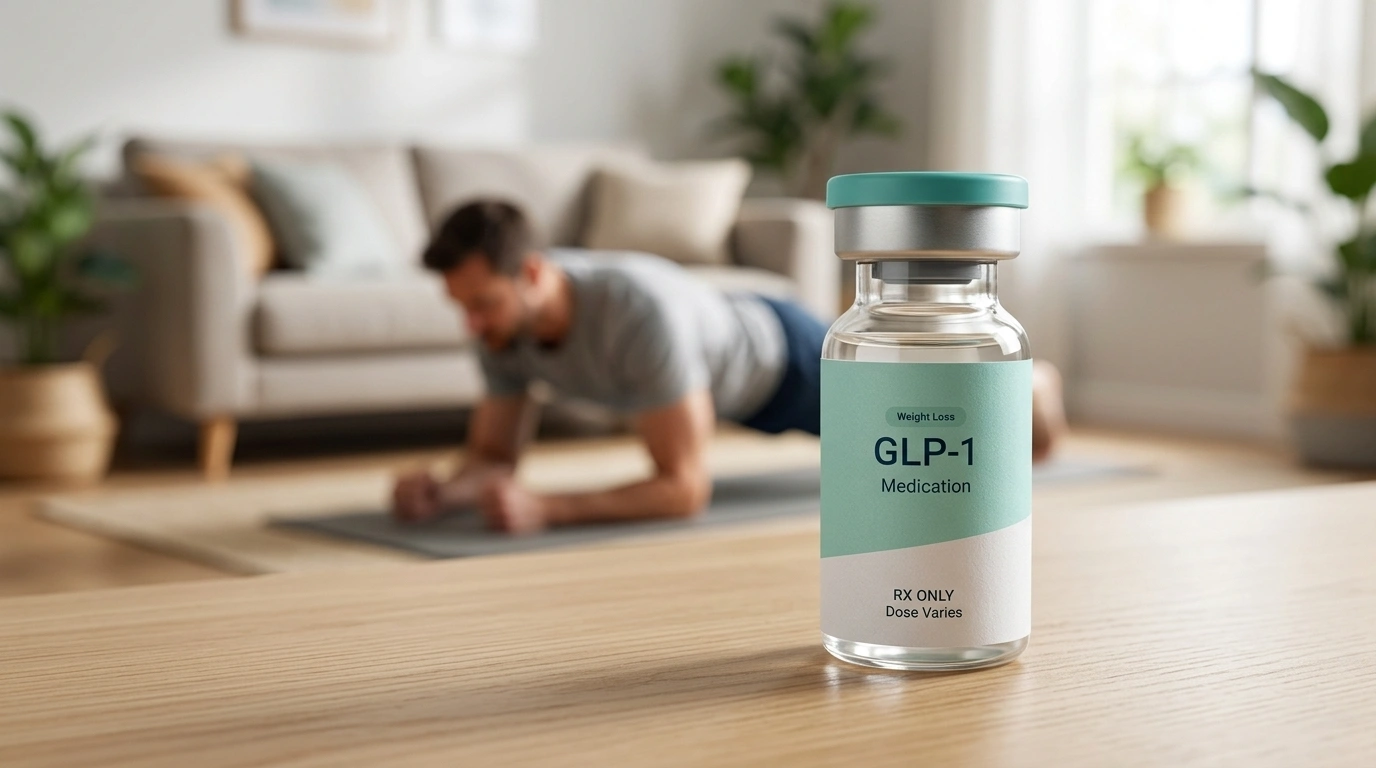
Table of Contents
- Introduction
- Understanding GLP-1 Injection Needle Sizes
- Subcutaneous vs. Intramuscular Injections
- Types of Delivery Systems: Pens vs. Syringes
- How to Administer Your GLP-1 Injection
- Choosing and Rotating Injection Sites
- Managing Needle Anxiety and Comfort
- Safety and Disposal Guidelines
- How TrimRx Supports Your Journey
- The Role of Personalized Care
- Final Thoughts on Injection Technique
- FAQ
Introduction
Starting a weight loss journey often involves learning new skills that might feel a bit intimidating at first. For many people, the idea of self-injection is the most significant hurdle to clear. You might be wondering if it will hurt, where exactly the medication goes, and most importantly, what size needle for glp 1 injection is necessary for the best experience. These are valid concerns that nearly everyone faces when they begin a program involving glucagon-like peptide-1 (GLP-1) medications.
At TrimRx, we believe that understanding the tools of your treatment is the first step toward feeling confident and empowered. Whether you are using a medication like semaglutide or tirzepatide, the goal is to make the process as simple and painless as possible. This article covers everything you need to know about needle gauges, lengths, and injection techniques to ensure your treatment is both comfortable and effective. By the end of this guide, you will have a clear understanding of how to select and use the right needle for your specific needs, and you can complete a free eligibility assessment if you are considering a personalized prescription program.
Understanding GLP-1 Injection Needle Sizes
When we talk about needle size for GLP-1 injections, we are looking at two specific measurements: the gauge and the length. These two numbers determine how the needle feels and how deep the medication is delivered into your body. Because GLP-1 medications are designed for subcutaneous injection—meaning they go into the fatty tissue just under the skin—the needles are much smaller and thinner than those used for blood draws or vaccinations.
For a broader explanation of needle thickness, length, and common syringe specifications, review this needle gauge guide for GLP-1 medications.
What Does Needle Gauge Mean?
The gauge of a needle refers to its thickness or diameter. In the world of medical supplies, gauge numbers work in reverse. A higher number means a thinner needle. For example, a 32-gauge needle is significantly thinner than a 21-gauge needle.
For most GLP-1 injections, a very fine needle is preferred to minimize discomfort. Most patients use a gauge between 29G and 32G. A 31G or 32G needle is roughly the thickness of a few strands of human hair. This small size is why many people report feeling only a tiny pinch or sometimes nothing at all during the injection process.
Determining the Right Needle Length
The length of the needle determines how deep the medication travels. Since GLP-1 receptors are effectively reached through the subcutaneous fat layer, you do not need a long needle that reaches the muscle. In fact, injecting into the muscle can change how the medication is absorbed and may lead to more soreness.
Common lengths for GLP-1 injections include:
- 4 mm: Often considered the standard for pen needles, this length is very short and ideal for almost all body types.
- 5 mm or 6 mm: These are also common and provide reliable delivery into the subcutaneous layer.
- 8 mm: This length is occasionally used but is generally the maximum length recommended for subcutaneous injections in adults.
Quick Answer: The most common needle size for GLP-1 injections is a 31G or 32G gauge with a length of 4mm to 6mm. This ultra-fine, short needle is designed to deliver medication into the fatty tissue just beneath the skin with minimal discomfort.
For additional context, see this guide to semaglutide needle sizes and injection supplies.
Subcutaneous vs. Intramuscular Injections
It is important to understand why the size is so specific. GLP-1 medications, including semaglutide and tirzepatide, are receptor agonists. They work by mimicking a hormone in your body that regulates appetite and blood sugar. To work correctly, the medication needs to be absorbed slowly from the fatty tissue.
If a needle is too long, it might reach the muscle (intramuscular). Muscle tissue has a higher blood flow than fat, which could cause the medication to be absorbed too quickly. This might increase the risk of side effects or reduce the duration of the medication’s effectiveness. By using the recommended 4mm to 6mm length, you ensure the medication stays exactly where it needs to be.
You can also review this step-by-step GLP-1 injection guide for additional administration guidance.
Types of Delivery Systems: Pens vs. Syringes
The specific needle you use often depends on the delivery system your healthcare provider prescribes. There are two primary ways these medications are packaged: pre-filled autoinjector pens and vials with separate syringes.
Pre-filled Autoinjector Pens
Many branded medications, such as Ozempic®, Wegovy®, Mounjaro®, and Zepbound®, come in pre-filled pen devices. These pens are designed for ease of use. In many cases, the needle is already built into the device, or the device is designed to be used with specific “pen needles” that you screw onto the tip.
For these pens, the manufacturer usually selects a 32G 4mm needle because it is the most comfortable for the widest range of patients. If your pen requires you to attach a needle, you will typically look for “universal fit” pen needles in the 31G or 32G size.
Vials and Syringes
If you are using a personalized program that utilizes compounded semaglutide or compounded tirzepatide, your medication may arrive in a multi-dose vial. In this case, you will use a traditional syringe to draw the medication out and inject it.
The syringes used for these injections are often called “insulin syringes” because they use the same ultra-fine needles. These syringes usually have the needle permanently attached to the barrel to ensure no medication is wasted. When using this method, a 31G needle that is 6mm (approximately 15/64 of an inch) or 8mm (5/16 of an inch) long is standard.
Key Takeaway: Whether using a pen or a syringe, the goal is subcutaneous delivery. Pens often use 4mm needles, while syringes often use 6mm or 8mm needles to allow for the manual depth control needed when injecting from a vial.
How to Administer Your GLP-1 Injection
Once you have the correct needle size, the process of administration is straightforward. While your healthcare provider will give you specific instructions, the general process follows a few key steps.
Step 1: Prepare your supplies.
Gather your medication pen or vial, a new needle or syringe, and an alcohol swab. Wash your hands thoroughly with soap and water.
Step 2: Clean the injection site.
Select an area with adequate fatty tissue and wipe the skin with an alcohol swab. Let the skin air dry completely; injecting through wet alcohol can cause a temporary stinging sensation.
Step 3: Prepare the medication.
If using a pen, attach the needle and prime it if required by the manufacturer’s instructions. If using a vial, wipe the rubber stopper with alcohol, draw air into the syringe equal to your dose, inject the air into the vial, and then draw the liquid medication out.
Step 4: Inject the dose.
Gently pinch the skin (if instructed by your provider) and insert the needle at a 90-degree angle. Push the plunger or pen button down steadily.
Step 5: Hold and remove.
Wait about 5 to 10 seconds after the medication is delivered before pulling the needle out. This ensures the full dose is absorbed and prevents the medication from leaking back out of the tiny injection hole.
Step 6: Safe disposal.
Immediately place the used needle or syringe into a puncture-resistant sharps container. Never reuse needles, as they become dull and unsterile after a single use.
If you are still deciding whether a prescription program is appropriate, you can take the free assessment quiz to begin the evaluation process.
Choosing and Rotating Injection Sites
The “where” is just as important as the “how.” For GLP-1 injections, you want to choose areas of the body with a healthy layer of subcutaneous fat. The three most common sites are:
- The Abdomen: This is the most popular site because it is easy to reach and usually has sufficient fatty tissue. You should stay at least two inches away from your belly button.
- The Thigh: The front or outer middle portion of the thigh is a great alternative. This area is often less sensitive for some individuals.
- The Upper Arm: The back of the upper arm can be used, though this often requires a partner to help with the injection to ensure the correct angle and depth.
The Importance of Site Rotation
It is vital to rotate your injection sites every week. If you inject into the exact same spot repeatedly, you can develop a condition called lipohypertrophy. This is a buildup of fatty lumps under the skin that can become hard or rubbery. Not only can this be uncomfortable, but it can also interfere with how well your body absorbs the medication.
You do not have to switch from your stomach to your thigh every week, though you can. You can simply move the injection spot about an inch away from the previous week’s spot. Some people find it helpful to imagine a clock face around their belly button and move one “hour” each week.
For more guidance on administration technique and site selection, read this GLP-1 injection administration overview.
Managing Needle Anxiety and Comfort
It is perfectly normal to feel a bit of anxiety about needles. Even though the needles used for GLP-1 medications are among the smallest in the medical world, the mental hurdle can be real. Here are a few ways to make the process more comfortable:
- Temperature Matters: If you store your medication in the refrigerator, taking it out about 15 to 30 minutes before your injection to let it reach room temperature can reduce the “cold sting” that some people feel.
- Numb the Area: If you are particularly sensitive, you can apply an ice pack to the injection site for a minute or two before cleaning it with alcohol.
- Relax Your Muscles: Tensing up can make the injection feel more significant than it is. Take a deep breath and exhale as you insert the needle.
- Focus on the Goal: Remind yourself why you are doing this. The split-second pinch is a small step toward long-term health and metabolic wellness.
At TrimRx, we understand that the emotional side of weight loss is just as important as the clinical side. Our platform is designed to support you through these small hurdles by providing clear guidance and a dedicated team of specialists available 24/7.
Safety and Disposal Guidelines
Proper needle safety protects you and those around you. Once a needle has touched your skin, it is considered biohazardous waste.
Note: Never throw used needles or syringes into your regular household trash or recycling bin. This poses a risk to sanitation workers and family members.
Use a dedicated sharps container. If you do not have a professional red sharps bin, you can often use a heavy-duty plastic container with a tight-fitting, puncture-resistant lid, such as an empty laundry detergent bottle. Be sure to label it clearly as “Biohazard” or “Used Sharps.” When the container is about three-quarters full, follow your local community guidelines for safe disposal. Many fire stations, hospitals, or pharmacies have drop-off programs.
How TrimRx Supports Your Journey
Navigating the world of GLP-1 medications does not have to be confusing. Our platform simplifies the process by connecting you with licensed healthcare providers who specialize in metabolic health. Through a telehealth-first approach, we eliminate the need for waiting rooms and in-person visits.
When you join our program, your treatment is entirely personalized based on your health profile and goals. If a prescription is appropriate, your medication is shipped directly from FDA-registered and inspected compounding pharmacies. These pharmacies prepare high-quality compounded semaglutide or compounded tirzepatide specifically for your needs.
Our comprehensive model includes the doctor consultation, any necessary lab work, and the medication itself, all under a consistent program structure. We are here to ensure you have the right tools, the right needle sizes, and the right support system to achieve sustainable results.
To understand how an online prescription process works, read this overview of online GLP-1 prescriptions.
The Role of Personalized Care
Every body is different, and that means every weight loss journey should be too. While the “what size needle for glp 1 injection” question has a general answer, your specific dosing and schedule are unique to you. Personalized care means having a provider who listens to your concerns about side effects, helps you manage your progress, and adjusts your plan as you evolve.
We advocate for a transparent approach to weight loss. This means no hidden fees and no confusion about what is included in your program. Whether you are curious about the science of GLP-1s or looking for a supportive community, our mission is to help you embrace a healthier lifestyle through science and empathy.
Bottom line: Using a 31G or 32G needle that is 4mm to 8mm long ensures that GLP-1 medications are delivered safely into the subcutaneous fat, maximizing effectiveness and minimizing pain.
Final Thoughts on Injection Technique
Mastering the use of GLP-1 needles is a quick learning curve. Within a few weeks, most patients find that the process becomes a routine part of their Sunday night or Monday morning, taking less than two minutes from start to finish. The key is to stay consistent, prioritize hygiene, and always use a fresh needle for every dose.
If you are ready to take the next step in your health journey, the path forward starts with a simple evaluation. Our personalized programs are designed to meet you exactly where you are, providing the clinical expertise and modern technology needed for real, lasting change. Start with a free assessment to see whether a personalized program may be appropriate for you.
FAQ
Does a larger needle gauge mean the needle is thicker or thinner?
In needle sizing, the gauge number is inversely related to the thickness. A larger gauge number, such as 32G, indicates a much thinner needle, while a smaller number, like 21G, indicates a thicker needle. For GLP-1 injections, thinner needles (higher gauge) are preferred for comfort.
Can I reuse the needle if I am the only one using the pen or vial?
No, you should never reuse a needle. Even after one use, the tip of the needle can become dull or barbed on a microscopic level, which increases pain and the risk of skin irritation. Reusing needles also introduces the risk of infection and can lead to the medication becoming contaminated.
For more detailed injection and disposal guidance, review this safe GLP-1 injection guide.
What should I do if I see a small drop of blood after my injection?
Seeing a small drop of blood or a tiny bit of bruising is completely normal and usually nothing to worry about. It simply means the needle passed through a small capillary in the skin. You can gently press the area with a clean cotton ball or tissue, but avoid rubbing the site, as this can increase bruising.
Is it better to inject in the stomach or the thigh for weight loss?
Clinical research shows that the injection site does not significantly change the effectiveness of GLP-1 medications for weight loss. Whether you choose the abdomen, thigh, or arm, the medication will be absorbed into your system. Most people choose the site that is most comfortable and convenient for them.
Disclaimer: This content is for informational purposes only and does not constitute medical advice. It is not intended to diagnose, treat, cure, or prevent any disease or condition. Individual results may vary. Always consult a qualified healthcare professional before starting any weight loss program or medication.

Transforming Lives, One Step at a Time
Keep reading
Weight Loss Progress Tracker
Track your weight loss over time, see progress clearly, and stay motivated with simple charts, summaries, and goal-based insights.
How to Create a Personalized Adherence Plan
Build a one-page GLP-1 adherence plan: record dose, pick a weekly time, set reminders, log side effects, and review monthly.

Weight Loss Medication Dosage Calculator
Estimate weight loss medication doses by weight and drug type, with starting guidance, dose progression info, and a clear medical disclaimer.


