What Stimulates GLP-1 Release and How It Can Benefit Your Health
Introduction
Did you know that there’s a hormone in your body that can significantly influence your appetite and blood sugar levels? This hormone, known as glucagon-like peptide-1 (GLP-1), plays a crucial role in regulating how our bodies manage food intake and glucose metabolism. In fact, research has shown that foods rich in protein, healthy fats, and fiber can stimulate GLP-1 release, which may be beneficial for weight management and overall health.
The increasing focus on GLP-1 has led to a surge in interest surrounding dietary choices that can enhance its secretion. With obesity and type 2 diabetes on the rise, understanding how to naturally stimulate GLP-1 release is more relevant than ever. This blog post aims to shed light on what stimulates GLP-1 release, the role of diet in its secretion, and how leveraging this knowledge can contribute to healthier eating habits.
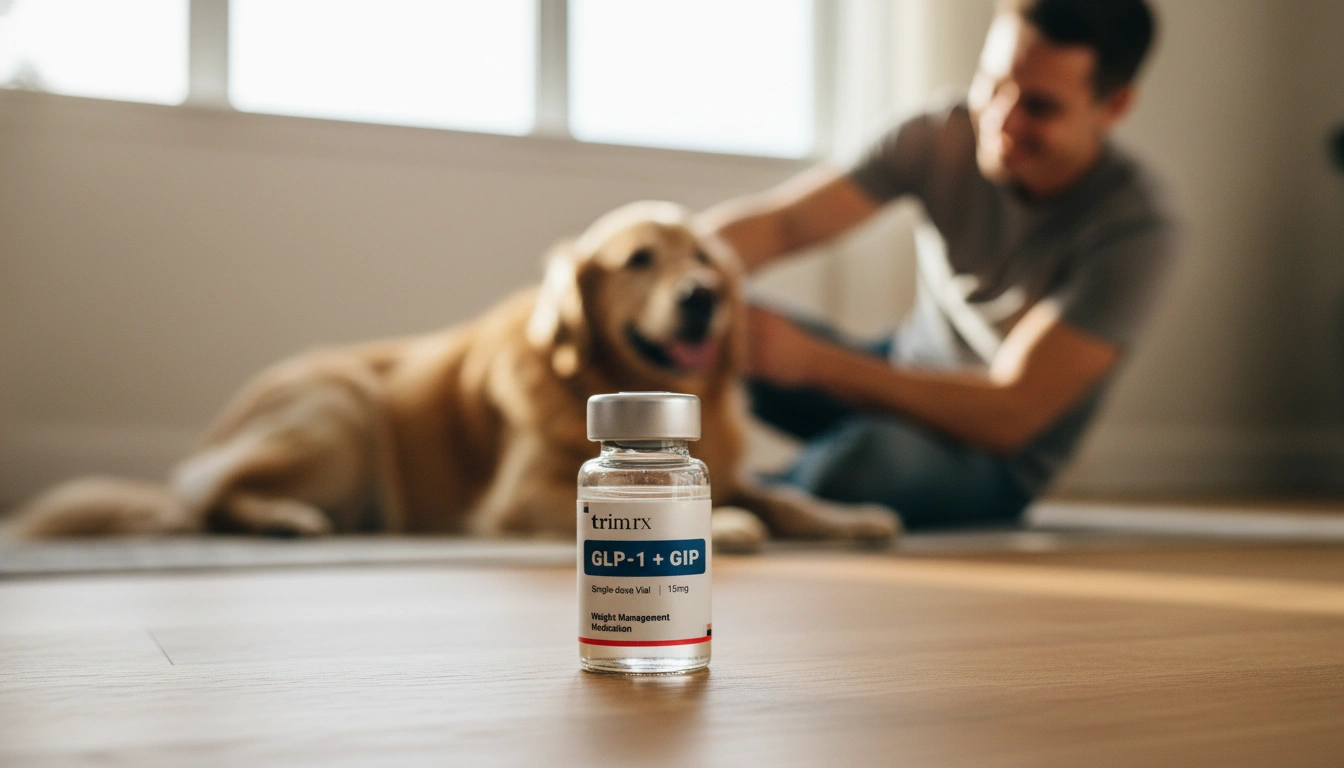
By the end of this article, we will explore various food types that enhance GLP-1 levels, the mechanisms behind this process, and the broader implications for weight loss and diabetes management. We will also discuss how TrimRx’s personalized weight loss solutions can help you harness the power of GLP-1 through medically supervised programs and tailored dietary recommendations. Together, let’s dive into the science of GLP-1 and discover how we can make informed decisions to improve our health.
Understanding GLP-1: The Basics
Before we explore what stimulates GLP-1 release, it’s important to understand what GLP-1 is and what it does. GLP-1 is an incretin hormone produced in the gut, primarily in the L-cells of the intestinal lining. It is secreted in response to food intake, particularly when carbohydrates and fats are consumed.
The Function of GLP-1
GLP-1 serves several critical functions:
- Stimulating Insulin Secretion: GLP-1 promotes the release of insulin from the pancreas, helping to lower blood sugar levels after meals.
- Inhibiting Glucagon Release: It reduces the secretion of glucagon, a hormone that raises blood sugar levels, thereby contributing to better overall blood sugar control.
- Slowing Gastric Emptying: GLP-1 slows down the rate at which food leaves the stomach, promoting a feeling of fullness and reducing appetite.
- Promoting Satiety: By regulating appetite, GLP-1 helps individuals feel satisfied with less food, supporting weight management efforts.
These functions highlight why stimulating GLP-1 release is so crucial for weight loss and metabolic health. As we delve deeper into what stimulates GLP-1, we will see how dietary choices can play a significant role in enhancing this hormone’s effects.
Dietary Components that Stimulate GLP-1 Release
1. Protein-Rich Foods
Research has shown that protein-rich foods are significant stimulators of GLP-1 release. Proteins not only contribute to muscle health but also help regulate appetite and improve satiety.
- Eggs: A study indicated that meals containing eggs led to lower post-meal blood glucose levels compared to carbohydrate-heavy meals, enhancing satisfaction and reducing subsequent food intake.
- Dairy Products: Proteins found in dairy, including whey and casein, have been linked to increased GLP-1 secretion, which may further promote feelings of fullness.
2. Healthy Fats
Unsaturated fats, particularly those from sources like olive oil and avocados, have been shown to stimulate GLP-1 release effectively.
- Olive Oil: A Mediterranean diet enriched with olive oil has demonstrated higher GLP-1 levels and improved insulin sensitivity compared to diets high in saturated fats.
- Avocados: Their high fiber and healthy fat content can also enhance GLP-1 levels, contributing to better appetite regulation.
3. High-Fiber Foods
Fiber plays a critical role in GLP-1 secretion. Foods high in soluble fiber can slow digestion and promote the release of GLP-1 through mechanisms involving gut bacteria.
- Whole Grains: Foods like oats and barley contain soluble fiber that not only aids digestion but also supports GLP-1 secretion by fostering the production of short-chain fatty acids (SCFAs) during fermentation.
- Vegetables: Leafy greens and cruciferous vegetables are not only nutrient-dense but also high in fiber, making them effective at stimulating GLP-1 levels.
4. Nuts and Seeds
Nuts are not only a great source of healthy fats but also provide fiber and protein, making them a smart choice for boosting GLP-1.
- Almonds and Pistachios: These nuts have shown potential in increasing GLP-1 levels while also aiding in insulin sensitivity and satiety.
5. Fruits
Certain fruits, particularly those high in fiber, can help enhance GLP-1 release.
- Berries: Rich in fiber and antioxidants, berries can stimulate GLP-1 and provide additional health benefits, such as improved gut health.
6. Specific Amino Acids
Some studies suggest that specific amino acids may also play a role in stimulating GLP-1 release. For instance, dietary peptides derived from proteins can enhance GLP-1 secretion, further supporting the idea that a protein-rich diet is beneficial.
How Diet Affects GLP-1 Release: Mechanisms at Play
Understanding how these foods stimulate GLP-1 release involves exploring the underlying mechanisms. The secretion of GLP-1 is primarily stimulated by the ingestion of macronutrients such as proteins, fats, and carbohydrates.
Mechanistic Insights
- Nutrient Sensing: GLP-1-producing L-cells in the intestines sense the presence of nutrients, particularly glucose and fatty acids, which triggers their secretion. For example, glucose uptake through specific transporters activates metabolic pathways that lead to GLP-1 release.
- Fermentation and SCFAs: When dietary fibers are fermented by gut bacteria, they produce SCFAs. These SCFAs can directly stimulate GLP-1 secretion by binding to specific receptors on L-cells.
- Gastrointestinal Hormonal Axis: GLP-1 acts in concert with other hormones, such as GIP (glucose-dependent insulinotropic polypeptide), creating a synergistic effect that promotes insulin secretion and regulates blood glucose levels.
The Role of Exercise in GLP-1 Regulation
In addition to diet, physical activity has been shown to influence GLP-1 levels. Regular exercise may enhance the body’s natural ability to secrete GLP-1, which can be particularly beneficial for individuals with insulin resistance or type 2 diabetes.
Exercise and GLP-1
Studies indicate that both acute and chronic exercise can lead to increased GLP-1 levels. Exercise improves insulin sensitivity and overall metabolic health, further supporting the role of GLP-1 in glucose regulation. Engaging in a balanced exercise routine can complement dietary strategies aimed at enhancing GLP-1 release.
The Importance of a Personalized Approach
At TrimRx, we understand that effective weight loss and metabolic health require a personalized approach. Our journey began with a vision to help individuals achieve healthier lifestyles by blending cutting-edge telehealth innovations with effective weight loss solutions. We offer personalized, medically supervised care designed to make sustainable weight loss achievable.
Tailored Programs and Support
Our comprehensive weight loss programs include doctor consultations, personalized treatment plans, ongoing support, and access to prescription medications like Semaglutide and Tirzepatide, which mimic the effects of GLP-1. By taking our free assessment quiz, you can determine your eligibility for our prescription weight loss medications, which can support your journey toward better health.
Together, we can explore how to incorporate GLP-1-stimulating foods into your diet while receiving the medical supervision you need to ensure safe and effective weight loss.
Conclusion
Understanding what stimulates GLP-1 release is crucial for anyone looking to improve their health, manage their weight, or regulate their blood sugar levels. By focusing on a diet rich in protein, healthy fats, and high-fiber foods, we can naturally enhance GLP-1 secretion and leverage its benefits for appetite control and metabolic health.
The combination of dietary choices, exercise, and personalized medical support can create a powerful strategy for achieving your health goals. At TrimRx, we are committed to guiding you on your journey toward a healthier lifestyle through our individualized weight loss solutions.
FAQ
What is GLP-1?
GLP-1 is a hormone produced in the intestines that helps regulate blood sugar levels by stimulating insulin release and promoting feelings of fullness.
How can I naturally increase GLP-1 levels?
You can increase GLP-1 levels by consuming protein-rich foods, healthy fats, high-fiber foods, and engaging in regular exercise.
Are there any medications that mimic GLP-1?
Yes, medications like Semaglutide and Tirzepatide are designed to mimic the effects of GLP-1 and are used to help manage weight and blood sugar levels in individuals with type 2 diabetes.
How does exercise affect GLP-1?
Regular exercise has been shown to enhance GLP-1 levels, improving insulin sensitivity and metabolic health.
Can I take a quiz to find out if TrimRx’s programs are right for me?
Absolutely! You can take our free assessment quiz to determine your eligibility for our prescription weight loss medications and get personalized support.

Transforming Lives, One Step at a Time
Keep reading

How to Adjust Weight Loss Goals on GLP-1 Medications
Adjust weight goals on GLP-1 meds by tracking body composition and labs, optimizing protein, activity, sleep, and working with your provider on dosing.

Falsified Mounjaro pens prompt urgent safety advisory
MHRA warns of counterfeit Mounjaro pens (batch D873576); stop use and check batch numbers for infection risk.

Novo Nordisk shares drop as Alzheimer’s hopes for weight-loss drug fade
Novo Nordisk’s semaglutide failed to slow Alzheimer’s in large trials, prompting shares to fall and expert reactions.


