What Supplements Aid Weight Loss? A Biotech Team’s Honest Review
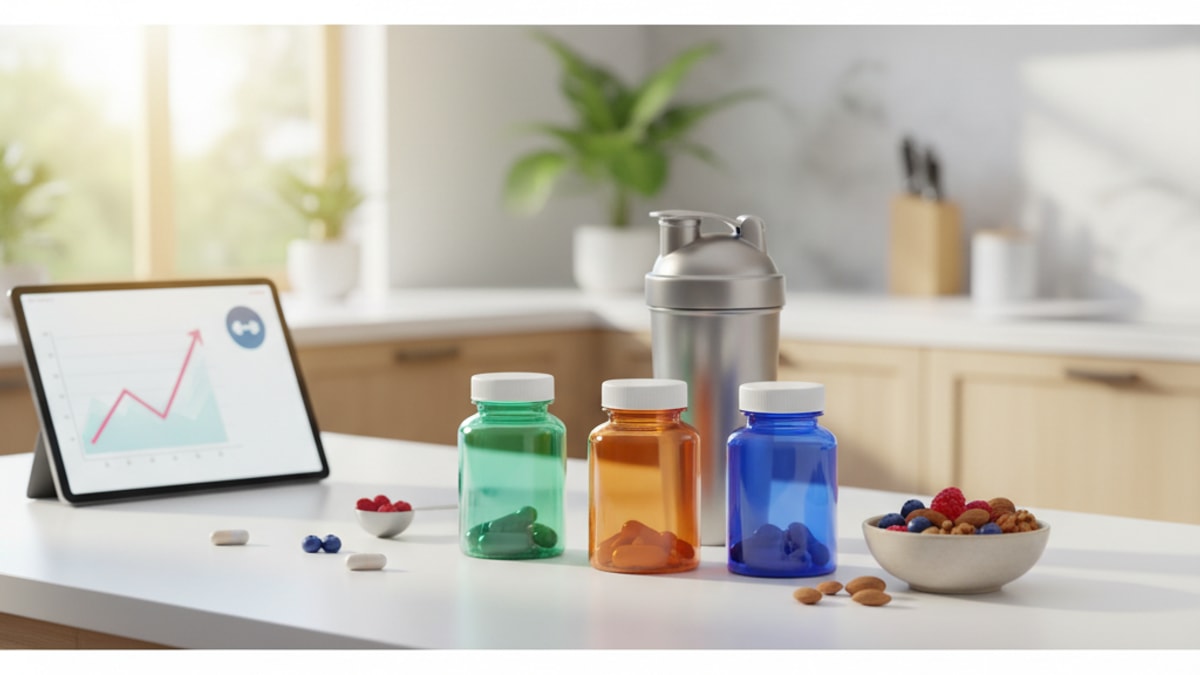
Let's be honest. The supplement aisle can feel like a labyrinth. It’s a sprawling, brightly-lit, over-promising landscape of powders, pills, and tinctures, all whispering the same seductive thing: an easier path to weight loss. We’ve all felt that pull. You're working hard, trying to eat right, but the scale isn't cooperating, and that bottle of 'Metabolism Booster' starts to look like a very reasonable investment.
Here at TrimrX, our entire world revolves around the biology of weight management. We work with cutting-edge, clinically-proven medications like Semaglutide and Tirzepatide, so our perspective is grounded in unequivocal, hard science. We're not here to sell you a bottle of anything from that aisle. Instead, we want to give you the unvarnished truth about what supplements aid weight loss, based on what our clinical team sees every single day. We're going to walk through the evidence, separate the science from the marketing, and help you build a smarter, more effective strategy.
The Allure of the 'Magic Pill' and Why It Doesn't Exist
Before we dive into specific ingredients, we have to address the elephant in the room: the very idea of a supplement as a primary weight loss tool. It's a powerful fantasy. The notion that a simple capsule can undo the effects of our diet or sedentary lifestyles is incredibly appealing, especially when we're feeling frustrated. But it's just that—a fantasy.
Our experience shows that lasting, significant weight loss is built on a foundation. It's non-negotiable. That foundation consists of sustainable nutritional changes, consistent physical activity, and for many people struggling with the biological realities of weight, medical intervention. Supplements, if they have a role at all, are the tiny decorative stones you might place around that rock-solid foundation. They are not the foundation itself. Thinking they are is the single biggest mistake we see people make, leading to wasted money, immense frustration, and a cycle of yo-yo dieting that can be catastrophic for one's metabolic health.
This is a critical mindset shift. We can't stress this enough. Supplements are, by definition, meant to supplement an already solid plan. They can't fix a broken one. Once you accept this, you can start evaluating them for what they are: potential, minor optimization tools, not miracle cures.
Tier 1: Supplements with Credible Scientific Backing
Okay, with that crucial caveat out of the way, let's talk about the small handful of supplements that actually have some legitimate, peer-reviewed science behind them. These aren't going to melt fat off your body while you sleep, but they can support your overall efforts in meaningful ways.
Protein Powder (Whey, Casein, Plant-Based)
This one is at the top of our list for a reason. It's not a 'fat burner' in the traditional sense, but it’s a formidable ally in a weight loss journey. Why? Three key reasons.
First, satiety. Protein is the most satiating macronutrient. A protein-rich meal or a simple shake keeps you feeling fuller for longer than a meal high in carbs or fats. This makes it fundamentally easier to stick to a calorie deficit without feeling perpetually hungry and deprived. Our patients using GLP-1 treatments often find their appetites are naturally reduced, but ensuring adequate protein intake helps make that reduced appetite work for them, keeping them satisfied with smaller portions.
Second, muscle preservation. When you're in a caloric deficit, your body doesn't just burn fat; it can also break down precious muscle tissue for energy. This is bad news, as muscle is metabolically active tissue. The more you have, the more calories you burn at rest. Prioritizing protein intake provides your body with the amino acids it needs to preserve, and even build, lean muscle while you lose fat. This leads to a better body composition and a healthier metabolism in the long run.
Third, the Thermic Effect of Food (TEF). Your body actually uses energy to digest and process the food you eat. Protein has the highest TEF of all macronutrients, meaning you burn more calories digesting it compared to fats and carbs. It’s a small effect, but it adds up over time.
Our recommendation is simple: focus on whole food protein sources first (chicken, fish, eggs, legumes), but a high-quality protein powder is an incredibly convenient and effective tool to ensure you're hitting your daily targets.
Caffeine
Yes, the world's most popular drug has a place here. Caffeine is a well-studied stimulant that can aid weight loss in two primary ways. It's a known thermogenic, meaning it can slightly increase your metabolic rate, causing you to burn a few more calories throughout the day. Don't get too excited—we're talking about a modest increase, not a raging inferno of calorie burning. The effect is also more pronounced in people who don't consume it regularly.
Perhaps more importantly, caffeine is a proven performance enhancer. A cup of coffee or a pre-workout supplement before hitting the gym can help you push harder, lift heavier, and last longer. Better workouts mean more calories burned and more muscle built. This indirect effect is arguably more valuable than its minor direct impact on your metabolism. Just be mindful of your intake; too much can lead to anxiety, poor sleep (which is terrible for weight loss), and adrenal fatigue. It's a tool, not a crutch.
Soluble Fiber (Glucomannan, Psyllium Husk)
If protein is the king of satiety, soluble fiber is the queen. When you consume soluble fiber with water, it forms a thick, gel-like substance in your stomach. This has a few fantastic benefits. It physically slows down digestion, which keeps you feeling full and helps stabilize blood sugar levels by blunting the spike after a meal. This is huge for managing cravings.
Glucomannan, a fiber derived from the konjac root, is particularly effective. Studies have shown that when taken before meals, it can lead to a small but significant amount of weight loss, purely by promoting fullness and reducing subsequent calorie intake. Psyllium husk is another excellent option that also provides digestive health benefits. Let's be clear, this is a mechanism of volume and satiety. It's not magic; it's physics. It helps you control your appetite, which is a cornerstone of any successful weight loss plan, including those supported by advanced medications like the ones we use at TrimrX.
Tier 2: The 'Maybe' Pile – Promising but Needs More Research
Now we're moving into more speculative territory. These are compounds that have some interesting preliminary research or a plausible biological mechanism, but the evidence isn't strong or consistent enough for a full-throated endorsement. Our team keeps a close eye on the research in these areas, but for now, we advise cautious optimism at best.
Green Tea Extract (EGCG)
Green tea contains two compounds relevant to weight loss: caffeine (which we've already covered) and powerful antioxidants called catechins, the most potent of which is epigallocatechin gallate (EGCG). The theory is that EGCG can inhibit an enzyme that breaks down norepinephrine, a hormone that signals fat cells to release fat. More norepinephrine means a stronger signal, potentially leading to increased fat burning.
Sounds great, right? The problem is that the real-world effects are very, very modest. Some human studies show a slight increase in fat oxidation and calorie expenditure, but many show no effect at all. The benefits, if they exist, are likely small and may only be significant when combined with caffeine and a comprehensive diet and exercise plan. Drinking green tea is certainly healthy, but relying on an EGCG supplement to drive significant weight loss is probably a losing bet.
Probiotics
The connection between gut health and overall health, including weight management, is one of the most exciting frontiers in medical science. The trillions of bacteria in your gut (your microbiome) play a role in everything from digestion and immunity to mood. Research has shown that the composition of gut bacteria differs between lean individuals and those with obesity. Certain strains of bacteria may influence how many calories you extract from food and how fat is stored.
This has led to a boom in probiotic supplements. The idea is to introduce 'good' bacteria to improve your microbiome's health and, hopefully, support weight loss. While the science is incredibly promising, it's still in its infancy. We don't yet know exactly which strains are best, what dosages are effective, or how long they need to be taken. Improving gut health through a high-fiber diet, fermented foods, and possibly a broad-spectrum probiotic is a great strategy for overall wellness. But buying a specific probiotic with the sole expectation of it causing weight loss is premature.
L-Carnitine
L-Carnitine is an amino acid derivative that plays a crucial role in energy production. It acts like a shuttle, transporting long-chain fatty acids into the mitochondria of your cells to be burned for energy. The logic follows that if you supplement with more carnitine, you could theoretically enhance this fat-burning process.
Unfortunately, the research doesn't quite bear this out for the average person. Most studies show that L-carnitine supplementation doesn't significantly increase fat burning or weight loss in healthy individuals with normal carnitine levels. The people who seem to benefit most are those with a genuine deficiency, such as the elderly or strict vegetarians/vegans. For everyone else, your body is pretty good at regulating its own carnitine levels, and adding more doesn't seem to supercharge the system.
A Quick Comparison of Popular Supplements
To make this easier to digest, our team put together a simple table summarizing the key players. Think of this as a cheat sheet for navigating the options.
| Supplement | Primary Mechanism | Level of Evidence | Our Professional Take |
|---|---|---|---|
| Protein Powder | Satiety, Muscle Preservation, TEF | Strong | A highly recommended tool for convenience and meeting macronutrient goals. |
| Caffeine | Thermogenesis, Performance Enhancement | Strong | Effective for a modest metabolic boost and better workouts, but manage intake. |
| Soluble Fiber | Satiety, Slows Digestion | Strong | An excellent, safe way to manage appetite and improve digestive health. |
| Green Tea (EGCG) | Mild Fat Oxidation | Moderate to Weak | The effect is very small and inconsistent. Drink it for general health, not for fat loss. |
| Probiotics | Gut Microbiome Modulation | Emerging | A very promising area of research, but specific weight loss effects are not yet proven. |
| L-Carnitine | Fatty Acid Transport | Weak (in healthy people) | Unlikely to provide benefits unless you have a specific deficiency. |
The Red Flag Zone: Supplements to Approach with Caution
This part is critical. While some supplements are ineffective, others can be downright dangerous. The supplement industry is notoriously under-regulated, meaning bottles can contain ingredients not listed on the label, or stimulants that have been banned for safety reasons. We urge extreme caution.
Be wary of anything labeled as a 'proprietary blend.' This is a loophole that allows companies to hide the exact amounts of each ingredient, often masking a formula that is 99% cheap filler and 1% of the active ingredients they advertise. It’s a complete lack of transparency.
Steer clear of aggressive stimulants. Ingredients like bitter orange (synephrine) are marketed as 'ephedra-free' alternatives but carry similar risks, including increased heart rate, high blood pressure, and in rare cases, heart attack and stroke. The tiny potential benefit is absolutely not worth the formidable risk.
'Fat blockers' and 'carb blockers' also sound amazing in theory, but their real-world impact is negligible and often accompanied by unpleasant gastrointestinal side effects. You're far better off learning to incorporate healthy fats and complex carbohydrates into a balanced diet.
The Foundational Difference: Supplements vs. Medical Treatments
This brings us to the most important point of this entire discussion. You could create the perfect stack of the most evidence-based supplements—protein, fiber, caffeine—and their combined effect on your weight loss would still be a tiny fraction of the impact of a truly effective, foundational intervention.
This is where our work at TrimrX comes in. We specialize in medically-supervised programs using GLP-1 receptor agonists like Semaglutide and Tirzepatide. These are not supplements. They are FDA-registered prescription medications that work on a deep biological level to address the root causes of weight gain.
How do they work? Unlike a supplement that might slightly increase your calorie burn by 50 calories, GLP-1s fundamentally rewire your body's appetite and satiety signaling. They mimic a natural gut hormone that tells your brain, 'I'm full.' They slow down gastric emptying, keeping you satisfied for much longer after meals. They also help regulate blood sugar and insulin response, which is critical for reducing cravings and preventing fat storage. The result isn't a minor tweak; it's a significant, sometimes dramatic shift in your relationship with food and your body's metabolic processes.
Comparing a GLP-1 medication to a green tea extract supplement is like comparing a state-of-the-art surgical tool to a plastic spoon. They aren't in the same category. One addresses the core physiological drivers of weight, while the other tinkers at the very distant edges. If you've been fighting a relentless battle with your weight, feeling like you're constantly swimming against the current of your own biology, it's often because you are. Hormones, genetics, and metabolic adaptations are powerful forces. For many, a medical intervention isn't just an option; it's the key that finally unlocks sustainable progress. If you're tired of the supplement guesswork and want to explore a path guided by proven science, we encourage you to Take Quiz on our site to see if you're a candidate.
So, what supplements aid weight loss? A select few can offer modest support when paired with a rock-solid plan. But the more important question is, what truly drives weight loss? The answer is unequivocal: changing your body's underlying biology. Supplements are the footnotes. A comprehensive, medically-guided program is the main story. Don't let the marketing hype in the supplement aisle distract you from focusing on what will make the biggest, most lasting difference on your journey. It's time to build your foundation. If you're ready, you can Start Your Treatment with us today.
Frequently Asked Questions
Can I take weight loss supplements while on Semaglutide or Tirzepatide?
▼
It’s absolutely critical to discuss any new supplements with your healthcare provider. While basic supplements like protein powder or fiber are generally safe, others, especially stimulants, could have negative interactions. Our clinical team always advises a ‘less is more’ approach and prioritizes safety above all.
Are ‘fat burners’ safe to take?
▼
We urge extreme caution with products marketed as ‘fat burners.’ Many contain high doses of stimulants or proprietary blends with unknown ingredients that can pose risks to your cardiovascular health. The potential for a very small metabolic boost rarely outweighs the significant safety concerns.
How much protein do I really need for weight loss?
▼
The optimal amount varies, but a general guideline for active individuals trying to lose weight is around 1.2 to 1.6 grams of protein per kilogram of body weight. This helps preserve muscle mass and enhance satiety. Our team can help you determine a personalized target based on your specific needs.
Is green coffee bean extract an effective weight loss supplement?
▼
Green coffee bean extract contains chlorogenic acid, which is thought to have some minor effects on carbohydrate metabolism. However, like green tea extract, the human studies are often small, of poor quality, and show very modest, if any, results. It’s not a supplement we consider a reliable tool for weight management.
Do I need to cycle my caffeine intake?
▼
Yes, it’s a good idea. Your body builds a tolerance to caffeine over time, diminishing its thermogenic and performance-enhancing effects. Taking a break for a week or two every couple of months can help reset your sensitivity and make it more effective when you resume.
What’s more important: diet or exercise for weight loss?
▼
Both are crucial for overall health, but from a pure weight loss perspective, nutrition is the primary driver. It’s far easier to create a calorie deficit by managing your food intake than by trying to out-exercise a poor diet. We view exercise as essential for building strength, improving metabolic health, and maintaining weight loss.
Can supplements replace a healthy diet?
▼
Absolutely not. This is a common misconception. Supplements are meant to fill small nutritional gaps or provide a minor supportive effect. They cannot replicate the complex synergy of vitamins, minerals, fiber, and phytonutrients found in whole foods.
Is creatine a good supplement for weight loss?
▼
Creatine is primarily a performance supplement for strength and muscle growth, not a direct weight loss aid. However, by helping you build more muscle, it can indirectly support weight loss by increasing your resting metabolic rate. It can cause some initial water weight gain, which is something to be aware of.
Why are GLP-1 medications more effective than supplements?
▼
GLP-1 medications like Semaglutide work on a fundamental hormonal level, directly targeting the brain’s appetite centers and slowing digestion to create powerful feelings of fullness. Supplements, at best, offer very minor metabolic boosts or indirect appetite control. It’s the difference between rewiring the system and just polishing the exterior.
Should I be concerned about the lack of FDA regulation for supplements?
▼
Yes, you should be. The FDA does not approve dietary supplements for safety or effectiveness before they are marketed. This lack of oversight means product quality, purity, and potency can vary wildly. We always recommend choosing reputable, third-party tested brands if you decide to use supplements.
Can fiber supplements cause bloating?
▼
They can, especially if you introduce a large amount too quickly. We recommend starting with a small dose and gradually increasing your intake as your digestive system adapts. It’s also essential to drink plenty of water when taking fiber supplements to prevent them from causing blockages.
What is the most common mistake people make with weight loss supplements?
▼
The most common mistake we see is relying on them as a primary solution. People often invest heavily in supplements while neglecting the foundational pillars of nutrition and activity. This leads to disappointment when the ‘magic pills’ fail to deliver on their promises.

Transforming Lives, One Step at a Time
Keep reading

Do You Need a Prescription for GLP-1s? The 2026 Answer
Wondering ‘do you need a prescription for glp 1’ in 2026? Yes. We explain why a doctor’s oversight is critical for safe, effective results.

How to Get GLP-1 Covered By Insurance: Our 2026 Playbook
Struggling with how to get glp-1 covered by insurance? Our 2026 guide breaks down prior authorizations, appeals, and documentation.

Traveling with GLP-1s in 2026: Your Essential Trip-Proof Plan
Don’t let travel disrupt your GLP-1 treatment. Learn how to travel with glp 1 medications safely and stress-free in our 2026 expert guide.


