What Tea is Good for Weight Loss? Our Biotech Team’s Expert Take
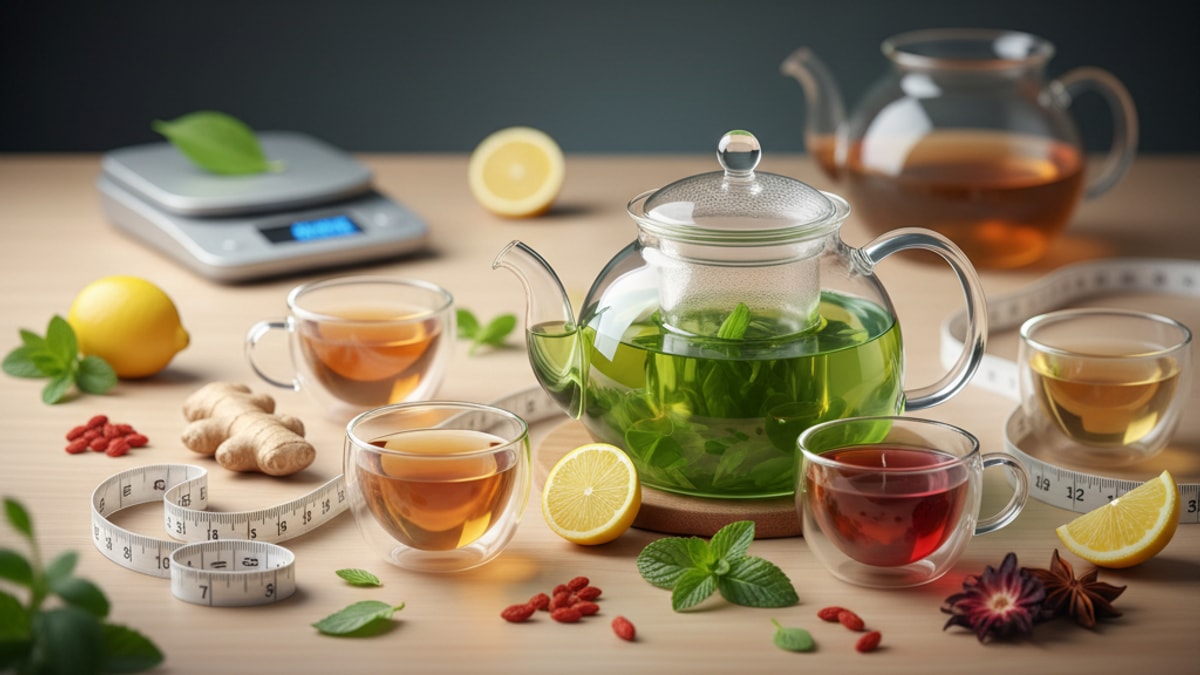
Let's be honest. The internet is a sprawling, often contradictory place when it comes to weight loss advice. You’ve likely seen the flashy ads for "miracle" slimming teas that promise dramatic results overnight. It's an appealing thought, but our team at TrimrX operates in the world of science and medicine, and we’re here to give you an unflinching look at the truth. While there’s no magic potion for weight loss, certain teas can be a genuinely powerful ally in your journey—when understood and used correctly.
This isn't just about sipping something warm. It’s about leveraging plant-based compounds to support your body's metabolic machinery. Think of it as a strategic, natural boost to a well-structured plan. For us, that plan often involves a comprehensive, medically-supervised approach, but the principles of metabolic health are universal. Tea can be a critical, non-negotiable element of your daily routine that supports hydration, curbs cravings, and gives your metabolism a gentle nudge. So, let’s get into what really works.
Setting Realistic Expectations: Tea's Role in Weight Management
Before we dive into the specifics of green versus oolong, we need to set the stage. We can't stress this enough: no tea, no matter how potent, will make you lose significant weight on its own. It's not a substitute for a balanced diet, consistent physical activity, or, for those who need it, a structured medical weight loss program.
Think of tea as a supporting actor, not the lead star. It works on the margins, creating a more favorable environment for weight loss to occur. Its benefits are real, but they are catalytic. They enhance the effects of the bigger changes you’re making. We’ve seen this time and time again with our patients. Those who incorporate healthy habits, like drinking unsweetened tea, into their daily routine while on a program like ours often report feeling more in control, more hydrated, and better able to manage the psychological aspects of changing their lifestyle. It’s about building a system of support, and tea can be a fantastic part of that system.
So, what can you realistically expect? A modest boost in metabolism, better hydration (which is crucial for all bodily functions, including fat burning), a potential reduction in appetite, and a powerful dose of antioxidants. These are not small things. Over time, they add up to create a significant, sometimes dramatic shift.
That's the key.
How Does Tea Actually Support Weight Loss? The Science
Now, this is where it gets interesting for our team of biotech experts. The beautiful thing about the most effective teas for weight loss—green, black, oolong, white, and pu-erh—is that they all come from the same plant: Camellia sinensis. The differences in their properties come from how they are processed, which changes their chemical composition. The primary mechanisms by which these teas support weight management are rooted in a few key bioactive compounds.
First and foremost are catechins. These are a type of antioxidant, and the most famous one is epigallocatechin gallate, or EGCG. It’s a mouthful, we know. But its function is elegant. EGCG has been shown in numerous studies to have a thermogenic effect, meaning it encourages your body to burn more calories to produce heat. It also appears to inhibit an enzyme that breaks down norepinephrine, a neurotransmitter that signals your body to break down fat. More norepinephrine means a stronger fat-burning signal for a longer duration. Green tea, particularly matcha, is the undisputed king of EGCG.
Then there’s caffeine. It’s a well-known stimulant that can increase energy expenditure and improve physical performance, allowing you to burn more calories during a workout. It also acts as a mild appetite suppressant for some people. The synergy between caffeine and catechins is where the real magic happens. Our experience shows that these compounds work better together than they do in isolation, amplifying each other's metabolic benefits.
Beyond those two heavy hitters, teas contain other polyphenols like theaflavins and thearubigins (found in black tea) and theasinensins (in oolong tea). These compounds contribute to weight management in different ways, primarily by influencing fat metabolism. Some research suggests they may reduce the amount of fat your body absorbs from your diet and inhibit the body’s production of new fat cells. It's a nuanced, multi-faceted attack on fat storage.
Finally, the simple act of drinking tea supports hydration and satiety. Let's be honest, this is crucial. Sometimes we mistake thirst for hunger. Reaching for a warm, flavorful cup of zero-calorie tea instead of a sugary snack can make a massive difference in your daily calorie intake. It fills your stomach, provides a comforting ritual, and keeps you hydrated, which is essential for your metabolism to function at its peak.
The Top Teas for Weight Loss: Our Team's Breakdown
Okay, let's get to the roster. While many teas offer general health benefits, a few stand out in the scientific literature for their specific impact on weight management. Here's what we've learned and what we recommend to those looking for a natural boost.
Green Tea: The Metabolic Superstar
If there's one tea that has earned its reputation, it's green tea. It's the least oxidized of the main tea types, which means it retains the highest concentration of those powerful EGCG catechins. Its ability to increase thermogenesis and fat oxidation is the most well-documented in clinical studies. Think of it as gently turning up your body's internal furnace. Matcha, a powdered form of green tea, is even more potent because you're consuming the entire leaf, not just an infusion. This provides a much more concentrated dose of EGCG and L-theanine, an amino acid that provides a calm alertness, helping you avoid the jittery feeling some people get from coffee. For anyone serious about using tea for weight management, green tea is the foundational starting point.
Oolong Tea: The Fat-Oxidizing Specialist
Oolong is a fascinating middle ground. It's partially oxidized, sitting somewhere between green and black tea. This unique processing gives it a distinct flavor and, more importantly, a unique set of polyphenols. While it has less EGCG than green tea, our research review shows it's particularly effective at enhancing fat oxidation. Some studies suggest that oolong can encourage the body to burn stored fat for energy. It seems to have a particular talent for targeting visceral fat—the dangerous fat stored around your organs. For individuals who find green tea a bit too grassy, oolong offers a toastier, more complex flavor with a formidable fat-fighting punch.
Black Tea: The Gut-Health Ally
Don't discount the world's most popular tea. Black tea is fully oxidized, which changes its chemical profile significantly. The catechins convert into theaflavins and thearubigins. While these compounds are larger and absorbed differently, they still pack a punch. We've found emerging research that is particularly exciting: black tea polyphenols may promote weight loss by influencing gut bacteria. They appear to encourage the growth of beneficial gut microbes and discourage the growth of microbes associated with obesity. A healthy gut microbiome is a critical, often-overlooked component of weight management, and black tea seems to be a powerful tool for supporting it.
Pu-erh Tea: The Fermented Fat Blocker
Pu-erh (pronounced 'poo-air') is a post-fermented tea from the Yunnan province of China. It's aged like a fine wine, and this microbial fermentation process creates unique compounds not found in other teas. Animal and some human studies have suggested that pu-erh tea extract can help lower blood lipids and inhibit enzymes involved in fat synthesis. Essentially, it may help block your body from creating and storing new fat. It has a very earthy, rich flavor that isn't for everyone, but for the adventurous tea drinker, its unique benefits are worth exploring.
White Tea: The Delicate Protector
White tea is the most minimally processed of all teas. It's made from the youngest leaves and buds of the tea plant, which are simply withered and dried. This gentle handling preserves a high level of antioxidants. While it has less caffeine, some studies indicate that white tea is effective at both breaking down existing fat cells (lipolysis) and preventing the formation of new ones (adipogenesis). It's a delicate tea with a subtle flavor, perfect for an afternoon sip that's quietly working to support your goals.
Comparison of Top Weight Loss Teas
To make it easier to choose, our team put together a quick comparison of the top contenders. Remember, the 'best' one is often the one you'll enjoy and drink consistently.
| Tea Type | Key Compound(s) | Primary Mechanism of Action | Caffeine Level | Best Time to Drink |
|---|---|---|---|---|
| Green Tea | EGCG (Catechins) | Boosts metabolism & thermogenesis, increases fat burning | Moderate | Morning, Pre-workout |
| Oolong Tea | Theasinensins, Catechins | Enhances fat oxidation, particularly from stored fat | Moderate-High | Mid-day, after a meal |
| Black Tea | Theaflavins, Thearubigins | Promotes healthy gut bacteria, may reduce fat absorption | High | Morning, early afternoon |
| Pu-erh Tea | Theabrownin, Statins | May inhibit fat synthesis and lower blood lipids | Varies | After a heavy meal |
| White Tea | Catechins | Inhibits new fat cell formation (adipogenesis) | Low | Afternoon, evening |
How to Brew for Maximum Benefit (And What to Avoid)
This might seem trivial, but it's not. How you prepare your tea can dramatically impact its effectiveness. You can have the highest-quality tea leaves in the world, but if you scorch them with boiling water, you'll destroy many of the delicate catechins you're trying to extract.
Here's what we recommend:
- Watch Your Temperature: For green and white teas, use water that is well below boiling (around 175°F or 80°C). For oolong and black teas, you can go a bit hotter, but still just shy of a full boil. Pu-erh is the only one that can handle a full rolling boil.
- Mind the Steeping Time: Don't over-steep. This is what causes bitterness. Green tea only needs 1-3 minutes. Oolong and black teas can go for 3-5 minutes. Follow the instructions for your specific tea.
- Go Loose Leaf: While tea bags are convenient, loose-leaf teas are generally higher quality and allow the leaves to fully expand, releasing more of their beneficial compounds.
And here’s the most important rule. It's a deal-breaker. Do not add sugar, honey, or excessive milk/cream. Doing so completely negates the purpose. You're trying to support a low-calorie, healthy lifestyle, and adding empty calories in the form of sugar is counterproductive. If you need a little something, a squeeze of lemon or a sprig of mint are excellent choices.
Integrating Tea into a Modern Weight Loss Strategy
So, how does all this fit into a bigger picture? At TrimrX, we specialize in comprehensive, medically-supervised weight loss programs that leverage cutting-edge treatments like GLP-1 medications (Semaglutide and Tirzepatide). These treatments are incredibly effective, but they work best as part of a holistic lifestyle transformation. This is precisely where tea shines.
Our patients are making profound changes to their diet and activity levels. Tea becomes an indispensable tool in this process. It's a zero-calorie beverage that helps them meet their hydration goals, which is critical when your body is undergoing metabolic changes. It provides a comforting ritual that can replace habitual, unhealthy snacking. The gentle energy boost from a cup of oolong can help power them through an afternoon slump without reaching for a sugary drink. The L-theanine in green tea can help manage the stress that often accompanies a significant lifestyle change.
Think of it this way: our medical treatments are the engine of weight loss, and healthy habits like drinking tea are the high-quality fuel and lubricant that keep the engine running smoothly and efficiently. They work in concert. While these teas provide a fantastic metabolic edge, achieving significant, lasting weight loss often requires a more structured and potent approach. For those who are ready to move beyond incremental gains and explore a program with a proven track record, understanding your eligibility is the logical next step. You can Take Quiz on our site to see if a medically-supervised plan is the right fit for you.
Debunking the Myths: What About "Detox" and "Slimming" Teas?
We have to address the dark side of the industry. You’ve seen them: "teatoxes," "skinny teas," and "flat tummy teas." Let's be unequivocally clear: our team strongly advises against these products. Almost without exception, these are not teas in the traditional sense. They are unregulated herbal concoctions that often contain powerful, undisclosed laxatives like senna.
They don't cause fat loss. They cause water loss and gastrointestinal distress. Any weight you lose is temporary and comes from dehydration and clearing out your digestive system. This can be incredibly dangerous, leading to electrolyte imbalances, dehydration, and long-term damage to your digestive function. It's a relentless, unhealthy cycle.
True, healthy weight loss is about losing fat, not water. It's about building sustainable habits, not subjecting your body to a punishing laxative cycle. Please, stick to the real, time-tested teas from the Camellia sinensis plant or well-known, safe herbal infusions. Your health is not worth the risk of a quick-fix product that offers nothing but false promises and potential harm.
Ultimately, a cup of tea is a simple, profound pleasure. That it also comes with a host of benefits that can support a healthy weight is a wonderful bonus. It’s an act of self-care that hydrates, comforts, and gently nudges your metabolism in the right direction. Use it as one of the many tools in your wellness toolkit. Combine it with nutritious food, joyful movement, and—if it's right for you—a scientifically-backed medical plan to build a truly sustainable path to a healthier you. For those who are ready to take that comprehensive step, we're here to help you Start Your Treatment now.
Frequently Asked Questions
How much green tea should I drink per day for weight loss?
▼
Our team’s review of the research suggests that 3-5 cups of green tea per day is an effective amount to reap the metabolic benefits without overdoing it on caffeine. Consistency is more important than quantity, so aim for a sustainable daily habit.
Is matcha really better than regular green tea for weight loss?
▼
Yes, in our professional observation, matcha typically offers a more potent effect. Because you’re consuming the entire powdered leaf, you get a much higher concentration of EGCG and other antioxidants compared to just steeping and discarding the leaves.
Will adding milk to my tea cancel out the weight loss benefits?
▼
Some studies suggest that casein, a protein in milk, may bind to catechins and reduce their absorption. While a small splash is unlikely to negate all benefits, we recommend drinking your tea plain or with a non-dairy alternative like unsweetened almond milk for maximum effect.
Can I drink tea at night if I’m trying to lose weight?
▼
We’d recommend being cautious. Most beneficial weight loss teas (green, oolong, black) contain caffeine, which can disrupt sleep. Poor sleep is linked to weight gain, so it’s best to stick to naturally caffeine-free herbal teas like rooibos or peppermint in the evening.
What’s the difference between a ‘slimming tea’ and regular green tea?
▼
This is a critical distinction. ‘Slimming teas’ are often unregulated supplements containing laxatives like senna, which cause temporary water loss, not fat loss. Regular green tea is simply the leaf of the Camellia sinensis plant, and its benefits come from natural compounds that support metabolism.
Does the temperature of the tea matter for weight loss?
▼
The temperature matters more for preserving the tea’s beneficial compounds than for the weight loss effect itself. Brewing green or white tea with water that’s too hot can destroy the delicate catechins. However, drinking it hot or cold doesn’t change its metabolic properties.
Can oolong tea really help burn belly fat?
▼
Some research indicates that the polyphenols in oolong tea are particularly effective at activating enzymes that help your body use stored fat for energy. While it won’t magically melt belly fat, it can be a supportive tool in a plan targeting visceral fat reduction.
Is it okay to drink tea on an empty stomach?
▼
For some people, drinking strong tea like green or black tea on an empty stomach can cause mild nausea or stomach upset due to the tannins. We generally recommend having it with or after a meal. Listen to your body and see what works best for you.
Are herbal teas like peppermint or ginger good for weight loss?
▼
While not from the traditional tea plant, certain herbal infusions can be very helpful. Peppermint is known to be a natural appetite suppressant, and ginger can aid digestion and has a slight thermogenic effect. They are excellent caffeine-free options.
How long will it take to see results from drinking tea for weight loss?
▼
The effects of tea are subtle and cumulative. It’s not a quick fix. You should view it as a long-term healthy habit that supports your main efforts, not a primary driver of results. Significant weight loss comes from a comprehensive plan of diet, exercise, and potentially medical support.
Does Pu-erh tea really block fat?
▼
The science is still emerging, but studies suggest that the unique compounds created during Pu-erh’s fermentation process may inhibit lipase, an enzyme your body uses to digest and absorb fat. It doesn’t block all fat, but it may help reduce the amount absorbed from a meal.
Can I just take a green tea extract supplement instead?
▼
While supplements offer a concentrated dose of EGCG, we generally recommend whole tea. Drinking tea also provides hydration and the benefit of a healthy ritual. If you do consider supplements, consult with a healthcare professional, as high doses can be taxing on the liver.

Transforming Lives, One Step at a Time
Keep reading

Do You Need a Prescription for GLP-1s? The 2026 Answer
Wondering ‘do you need a prescription for glp 1’ in 2026? Yes. We explain why a doctor’s oversight is critical for safe, effective results.

How to Get GLP-1 Covered By Insurance: Our 2026 Playbook
Struggling with how to get glp-1 covered by insurance? Our 2026 guide breaks down prior authorizations, appeals, and documentation.

Traveling with GLP-1s in 2026: Your Essential Trip-Proof Plan
Don’t let travel disrupt your GLP-1 treatment. Learn how to travel with glp 1 medications safely and stress-free in our 2026 expert guide.


