When to Eat Dinner for Weight Loss: The Timing Secret You’re Missing
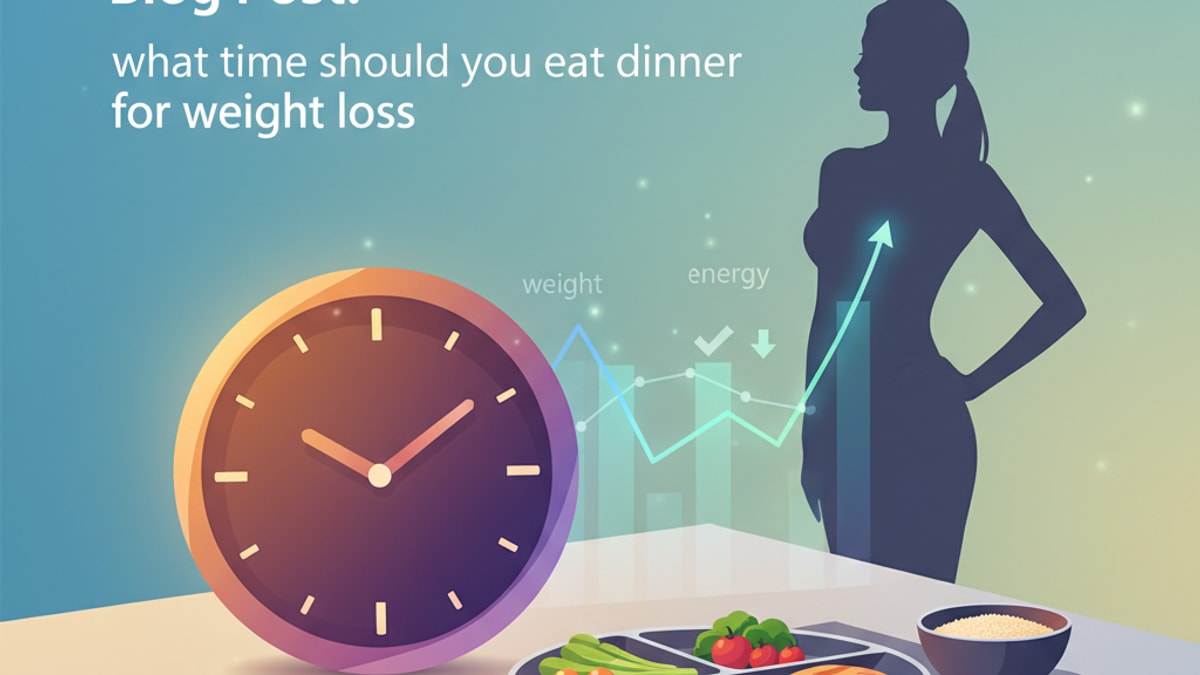
Let's talk about dinner. For most of us, it's the meal that signals the end of a demanding day—a time to unwind, connect with family, and refuel. But we've noticed a recurring question that surfaces in nearly every conversation we have about sustainable weight loss: "What time should you eat dinner for weight loss?" It seems simple, but the answer is surprisingly complex and has profound implications for your metabolic health. It's a question that cuts through the noise of fad diets and gets to the heart of how our bodies are designed to function.
Our team at TrimrX has spent years immersed in the science of metabolism and weight management, guiding patients through medically-supervised programs that deliver real, lasting results. And what we've found is that meal timing isn't just a minor detail; it's a foundational pillar of success. It's not just about calories in versus calories out. The 'when' can be just as critical as the 'what,' especially when your goal is to create a significant, sometimes dramatic, shift in your body composition and overall health.
It’s Not Just What You Eat, It’s When
For decades, the weight loss world has been almost obsessively focused on food choices, macronutrient ratios, and calorie counts. While those things are absolutely important, they're only part of a much larger, more intricate picture. The emerging field of chrononutrition is revealing something fascinating: our bodies handle food differently depending on the time of day. This isn't some wellness trend; it's hardwired into our biology.
It all comes down to our circadian rhythm. Think of it as your body's internal 24-hour master clock, located in your brain, that orchestrates a huge array of physiological processes. This includes your sleep-wake cycle, hormone release, body temperature, and—critically for this conversation—your metabolism. Every organ, from your liver to your pancreas to your digestive tract, has its own little clock, and they all sync up to that master clock. This elegant system is designed to align our internal processes with the external light-dark cycle of the planet.
Here's the key point: your body is primed for activity and eating during the day and for rest and repair at night. When we eat in alignment with this natural rhythm, our body processes nutrients efficiently. When we eat out of sync with it, like having a large, heavy meal late at night, we're essentially throwing a wrench in the gears. We’re asking our digestive system to do heavy lifting at the exact time it’s supposed to be winding down for the night. This mismatch can lead to a whole cascade of metabolic issues over time.
The Science Behind Early Dinners and Your Metabolism
So, what’s actually happening on a biological level when you eat dinner earlier versus later? The difference is stark. One of the biggest players here is insulin, the hormone responsible for shuttling glucose (sugar) from your bloodstream into your cells to be used for energy. Our insulin sensitivity—how well our cells respond to insulin's signal—is naturally highest in the morning and gradually decreases throughout the day.
It’s at its lowest in the evening. This means that the same meal eaten at 9 PM will cause a much larger blood sugar spike and require a bigger insulin response than if it were eaten at 6 PM. Over time, consistently forcing your body to pump out large amounts of insulin late at night can contribute to insulin resistance, a condition where your cells stop responding properly to insulin. This is a formidable precursor to type 2 diabetes and a major roadblock to weight loss. In fact, it often promotes fat storage, particularly around the abdomen.
Furthermore, eating late directly interferes with key hormones that regulate sleep and metabolism. The production of melatonin, our primary sleep hormone, begins as darkness falls. Eating a big meal can delay or suppress melatonin release, making it harder to fall asleep and reducing the quality of that sleep. Poor sleep, as our team consistently observes in patients, is a catastrophic trigger for weight gain. It messes with the hunger hormones ghrelin (the 'go' signal for hunger) and leptin (the 'stop' signal), leading to increased cravings and a bigger appetite the next day. It’s a vicious cycle.
So, What's the 'Magic' Time to Eat Dinner?
Alright, let's get to the heart of the matter. If we had to give a straight answer based on the overwhelming body of scientific evidence and our own clinical experience, we'd say this: aim to eat your last meal of the day at least three hours before you go to bed. For most people, this puts the ideal dinner window somewhere between 5 PM and 7 PM.
Why three hours? This buffer gives your body ample time to digest the meal and for blood sugar and insulin levels to start returning to baseline before you lie down. Going to bed on a full stomach not only increases the risk of acid reflux and indigestion but also means your body is still in 'digest mode' when it should be shifting into 'rest and repair mode.' That overnight period is when crucial processes like cellular cleanup (autophagy) and growth hormone release happen. These are optimized when your digestive system isn't preoccupied with a three-course meal.
But we can't stress this enough: this isn't a rigid, one-size-fits-all rule. Life is complicated. The perfect 6 PM dinner isn't always feasible, especially with demanding work schedules, long commutes, or family activities. The goal isn't perfection; it's consistency. Pushing your dinner time earlier, even by an hour, most nights of the week can make a significant difference. It's about creating a lifestyle pattern that works with your biology, not against it.
How Modern Life Sabotages Our Natural Rhythms
The challenge, of course, is that our modern world isn't built around our ancient circadian clocks. It's built around productivity, connectivity, and a 24/7 hustle culture. The expectation to work late, answer emails after hours, and maintain a sprawling social calendar makes an early dinner feel like a luxury few can afford. We've seen this countless times with our patients—the grueling road warrior hustle, the parent juggling three kids' schedules, the professional whose day doesn't end until 8 PM.
This is where the disconnect happens. Our biology craves a predictable rhythm, but our lifestyle imposes chaos. Bright lights from screens late at night trick our brains into thinking it's still daytime, further suppressing melatonin. Stress from a long day keeps cortisol levels elevated, which can also disrupt sleep and encourage fat storage. Then, we finally get home, exhausted and ravenous, and reach for the quickest, most comforting food available—often high in refined carbs and fats—and eat it right before collapsing into bed.
It’s a perfect storm for metabolic disruption. Recognizing this conflict is the first step. You're not lacking willpower; you're fighting a system that is fundamentally misaligned with your physiological needs. That’s why our approach at TrimrX isn't just about prescribing medication; it’s about providing the strategic framework and support to help you navigate these modern challenges and realign your lifestyle with your health goals. It’s a difficult, often moving-target objective, but it’s achievable.
Late-Night Eating: What Really Happens to Your Body?
Let’s dig a bit deeper into the consequences of that late-night meal. It’s more than just a few extra calories. When you eat late, you're essentially forcing your body to multitask in the worst way possible. As we mentioned, digestion slows down at night. Food sits in your stomach longer, which can lead to bloating, gas, and discomfort. The risk of gastroesophageal reflux disease (GERD) skyrockets because lying down makes it easier for stomach acid to creep back up into the esophagus.
Sleep quality takes a massive hit. The process of digestion is energy-intensive and raises your core body temperature slightly. However, for optimal sleep, your body temperature needs to drop. Eating late works against this natural process, leading to more restless nights and frequent awakenings. You might get your eight hours, but the restorative quality of that sleep is severely compromised.
From a weight management perspective, the impact is unflinching. Those calories consumed late at night are far more likely to be stored as fat. Why? Because your body, sensing that the day's activity is over, decides to store that incoming energy for later. Remember the reduced insulin sensitivity? It means more of that glucose from your meal lingers in the bloodstream, and the liver readily converts this excess into fat. It’s a simple, and brutal, metabolic equation.
A Tale of Two Timings: Early vs. Late Dinner Showdown
To make this crystal clear, we've put together a simple comparison. Think of this as a snapshot of what's happening inside your body based on a single decision you make every day.
| Feature | Early Dinner (e.g., 6 PM) | Late Dinner (e.g., 9 PM) |
|---|---|---|
| Insulin Sensitivity | High. Your body is still in an efficient metabolic state. Cells readily accept glucose, leading to smaller blood sugar spikes. | Low. Cells are becoming resistant. Requires a larger insulin surge to manage the same amount of glucose, promoting fat storage. |
| Hormonal Response | Aligned. Allows for a natural rise in melatonin for sleep and an optimized overnight release of fat-burning growth hormone. | Disrupted. Suppresses melatonin, making sleep difficult. Elevated insulin and cortisol can block fat-burning processes overnight. |
| Digestion & Comfort | Efficient. Ample time for full digestion before bed, leading to less bloating, gas, and a significantly lower risk of acid reflux. | Sluggish. Food sits in the stomach longer. High risk of indigestion, discomfort, and GERD, especially when lying down. |
| Sleep Quality | Enhanced. The body can focus on restorative processes like cellular repair and memory consolidation, leading to deeper, higher-quality sleep. | Compromised. The body is busy digesting instead of resting. Can lead to a higher core body temperature and more fragmented, less restorative sleep. |
| Fat Metabolism | Promotes Fat Burning. The longer overnight fasting window encourages the body to switch to using stored fat for fuel (ketosis). | Promotes Fat Storage. The body is in 'storage mode.' Calories are more likely to be converted and stored as adipose tissue. |
Seeing it laid out like this is powerful. It’s not about one 'bad' choice. It’s about the cumulative effect of that choice, day after day, that shapes your metabolic destiny.
Aligning Meal Timing with Advanced Weight Loss Treatments
Now, this is where it gets really interesting for our patients. We specialize in medically-supervised weight loss using advanced treatments like GLP-1 agonists (Semaglutide and Tirzepatide). These medications are game-changers. They work by mimicking natural hormones that regulate appetite, slow stomach emptying, and improve your body's insulin response. They fundamentally change the conversation your gut has with your brain.
Here’s the thing: you can dramatically amplify the effectiveness of these treatments by syncing them with smart lifestyle strategies, and dinner timing is at the top of that list. Think of it as a force multiplier. The GLP-1 medication is already working to make you feel fuller faster and longer, and to stabilize your blood sugar. When you combine that with an earlier dinner, you create an incredibly powerful synergistic effect.
An early dinner extends your natural overnight fasting window. This gives the medication more uninterrupted time to work on resetting your metabolic pathways and tapping into fat stores without the interference of incoming food. Because GLP-1s help regulate insulin, eating earlier when your body is naturally more insulin-sensitive means you're getting the absolute maximum benefit. You're not forcing the medication to work uphill against your body's declining evening sensitivity. This holistic approach—combining cutting-edge medical science with foundational lifestyle principles—is what drives profound, sustainable transformation. It's not about medication alone; it's about creating an entire ecosystem of health. This synergy is something we focus on heavily with our patients. If you're ready to see how this integrated approach can work for you, you can Start Your Treatment with a plan that considers your whole lifestyle.
Practical Strategies for Shifting Your Dinner Time Earlier
Knowing you should eat earlier and actually doing it are two very different things. We get it. Here are some practical, real-world strategies our team recommends to patients to help make the shift less jarring:
-
Plan and Prep. This is non-negotiable. If you wait until you're starving at 7 PM to think about dinner, you've already lost. Dedicate a few hours on the weekend to plan your week's dinners and do some basic prep—chop vegetables, marinate proteins, cook a batch of quinoa. Having meals 80% ready makes a 6 PM dinner achievable.
-
Introduce a 'Bridge' Snack. One of the biggest hurdles to an early dinner is afternoon hunger. If you're used to eating late, you'll likely feel ravenous around 4 PM. Instead of white-knuckling it until dinner, have a strategic snack. It should be rich in protein and fiber—think a handful of almonds, a Greek yogurt, or an apple with peanut butter. This will bridge the gap and prevent you from overeating at dinner.
-
Shift Gradually. Don't try to go from a 9 PM dinner to a 6 PM dinner overnight. You'll feel deprived and rebellious. Instead, pull your dinner time back by 15-30 minutes every few days. This gives your body and your schedule time to adapt. Small, incremental changes are the ones that stick.
-
Make Dinner the 'Lighter' Meal. Re-engineer your meal structure. Consider making lunch your main meal of the day, when your metabolism is at its peak, and having a smaller, lighter dinner. This could be a hearty soup, a large salad with grilled chicken, or an omelet. This approach makes early-evening digestion much easier.
-
Communicate with Your Household. Get your family or partner on board. Explain why you're making this change and how it benefits everyone's health. Aligning schedules is a team effort, and having support makes it infinitely easier to maintain consistency.
What If You Absolutely Can't Eat Early?
Let's be realistic. There will be days when a 6 PM dinner is simply impossible. A late meeting runs over, you get stuck in traffic, or you have a social commitment. Does that mean all is lost? Absolutely not. This is where damage control comes in.
If you know you have to eat late, follow these principles:
- Keep it Small. Your late-night meal should not be a feast. It should be a small, functional meal designed to satisfy hunger and provide nutrients without overloading your system. Think of it as a large snack rather than a full dinner.
- Prioritize Protein and Vegetables. Lean protein (like fish or chicken) and non-starchy vegetables are your best friends here. They are relatively easy to digest and have a minimal impact on blood sugar.
- Avoid Carbs and Sugar. This is critical. A big bowl of pasta or a sugary dessert right before bed is the worst-case scenario. It will send your blood sugar and insulin on a rollercoaster right when your body is least equipped to handle it.
- Stay Hydrated, But Smartly. Drink water, but try to stop an hour or so before bed to avoid waking up in the middle of the night.
Perfection is the enemy of progress. If 80% of your week involves an early dinner, the occasional late night won't derail your efforts. It's about what you do most of the time.
Listening to Your Body: The Ultimate Arbiter
While science provides us with impeccable guidelines, we can't ignore the concept of bio-individuality. We're all a little different. Your genetics, your activity level, your unique gut microbiome, and your personal stress levels all play a role in how you respond to meal timing. That's why the final piece of the puzzle is self-awareness.
We encourage you to experiment. Try eating dinner at 6 PM for a week and pay close attention. How is your sleep? How are your energy levels the next morning? Do you feel less bloated? Then, compare that to a week with a later dinner. Your body will give you feedback. It's your job to listen to it. Perhaps you find that 7:30 PM is your personal sweet spot that balances your schedule and your well-being. That’s a win. The ultimate goal is to find a sustainable rhythm that leaves you feeling energized, rested, and in control of your health.
This journey is about creating a harmonious relationship between your lifestyle and your biology. Timing your dinner is a simple yet profoundly effective way to honor your body's natural rhythms, supporting everything from your sleep quality to your hormonal balance. It’s a tool that empowers you to work smarter, not harder, on your weight loss journey. By aligning the 'when' with the 'what,' you're not just eating a meal; you're sending a powerful signal to your body that it's time to thrive.
Frequently Asked Questions
Does eating dinner late automatically cause weight gain?
▼
Not automatically, but it creates conditions that strongly favor it. Late-night eating happens when your insulin sensitivity is low, making fat storage more likely. It can also disrupt sleep and hunger hormones, leading to increased calorie consumption the next day.
What is the ideal window between my last meal and bedtime?
▼
Our team recommends a minimum of three hours. This buffer allows for proper digestion and lets your blood sugar and insulin levels normalize, setting the stage for restorative sleep and optimal overnight fat-burning processes.
Can I have a snack after an early dinner if I get hungry?
▼
It’s best to avoid it, as the goal is to create a clean fasting window overnight. If you must, choose something very light, protein-focused, and low in sugar, like a few nuts or a small spoonful of plain Greek yogurt. Often, thirst is mistaken for hunger, so try a glass of water or herbal tea first.
How does meal timing complement GLP-1 treatments like Semaglutide?
▼
It creates a powerful synergy. GLP-1s improve insulin sensitivity and regulate appetite. Eating earlier aligns with your body’s natural peak insulin sensitivity, maximizing the medication’s effect and enhancing the fat-burning benefits of the extended overnight fast.
Is intermittent fasting the same thing as eating dinner early?
▼
Eating dinner early is a form of intermittent fasting, often called time-restricted eating (TRE). It naturally creates a fasting window of 12-14 hours overnight without requiring you to skip meals during the day. It’s one of the most sustainable ways to practice fasting.
What are the best foods to eat if I absolutely have to eat a late dinner?
▼
Focus on lean protein and non-starchy vegetables. A piece of grilled fish with steamed broccoli or a chicken salad (light on the dressing) are great options. The key is to avoid heavy carbohydrates, sugars, and excessive fats that will spike your blood sugar and be difficult to digest.
Does the ‘early dinner’ rule apply on weekends too?
▼
For the best results, consistency is key. However, we advocate for a balanced approach. Sticking to the schedule 5-6 days a week and allowing for a bit more flexibility on one or two nights is a realistic and sustainable strategy for most people.
Will drinking water late at night affect my weight?
▼
Drinking water itself won’t cause fat gain. However, consuming large amounts right before bed can disrupt your sleep by causing you to wake up to use the restroom. Since poor sleep is linked to weight gain, we recommend tapering off your fluid intake an hour or two before bedtime.
How long does it take to see results from changing my dinner time?
▼
Many people report feeling better within just a few days, noticing improved sleep quality and less morning grogginess. Tangible weight loss results can become apparent within a few weeks, especially when this strategy is combined with a balanced diet and other healthy habits.
Is skipping dinner altogether a good idea for weight loss?
▼
Our team generally doesn’t recommend skipping dinner entirely. It can lead to extreme hunger, potential nutrient deficiencies, and may trigger overeating later. A small, early dinner is a much more balanced and sustainable approach than complete deprivation.
How should people who work night shifts approach dinner timing?
▼
This is a unique challenge. The key is to create a consistent ‘day’ and ‘night,’ even if it’s flipped. Your ‘dinner’ should be your last meal 3-4 hours before you go to sleep, regardless of what time that is. Your ‘breakfast’ would be after you wake up.
Does the type of food matter more than the timing?
▼
They are both critically important and work together. You can’t eat poorly at 6 PM and expect great results. The ideal strategy combines high-quality, whole foods with optimal timing to give your body the right nutrients at the time it can best utilize them.
How does TrimrX help patients specifically with meal timing?
▼
At TrimrX, meal timing is a core component of our holistic coaching. We help patients create personalized eating schedules that fit their lifestyle and amplify the effects of their GLP-1 treatment. It’s about providing practical strategies, not just rigid rules.
Is a 6 PM dinner significantly better than a 7 PM dinner?
▼
The difference between 6 PM and 7 PM is less critical than the difference between 7 PM and 9 PM. The main principle is to ensure a substantial gap—ideally 3+ hours—before you go to sleep. Find the earliest time that is consistently achievable for your schedule.

Transforming Lives, One Step at a Time
Keep reading

Do You Need a Prescription for GLP-1s? The 2026 Answer
Wondering ‘do you need a prescription for glp 1’ in 2026? Yes. We explain why a doctor’s oversight is critical for safe, effective results.

How to Get GLP-1 Covered By Insurance: Our 2026 Playbook
Struggling with how to get glp-1 covered by insurance? Our 2026 guide breaks down prior authorizations, appeals, and documentation.

Traveling with GLP-1s in 2026: Your Essential Trip-Proof Plan
Don’t let travel disrupt your GLP-1 treatment. Learn how to travel with glp 1 medications safely and stress-free in our 2026 expert guide.


