What to Avoid When Taking Mounjaro for Best Results
Introduction
Starting a weight loss journey with a medication like Mounjaro® can feel like a significant turning point, but it often comes with a steep learning curve. If you want a related guide on food choices, read our what to eat to avoid Mounjaro side effects post. You may have already experienced the initial excitement of suppressed hunger, only to be met with unexpected nausea after a meal or confusion about which foods might hinder your progress. At TrimRx, we believe that the most successful outcomes happen when medical intervention is paired with the right lifestyle knowledge.
Mounjaro® (tirzepatide) is a powerful tool for managing weight and metabolic health, but it does not work in a vacuum. The way you eat, drink, and approach your daily habits can either amplify your results or make the process feel like an uphill battle. If you’re ready to see whether a personalized program fits your needs, take our free assessment quiz. This post will cover the specific foods, beverages, and behaviors to avoid to help you minimize side effects and reach your goals. Our goal is to ensure you feel supported and equipped to navigate your treatment with confidence.
Understanding How Mounjaro Works
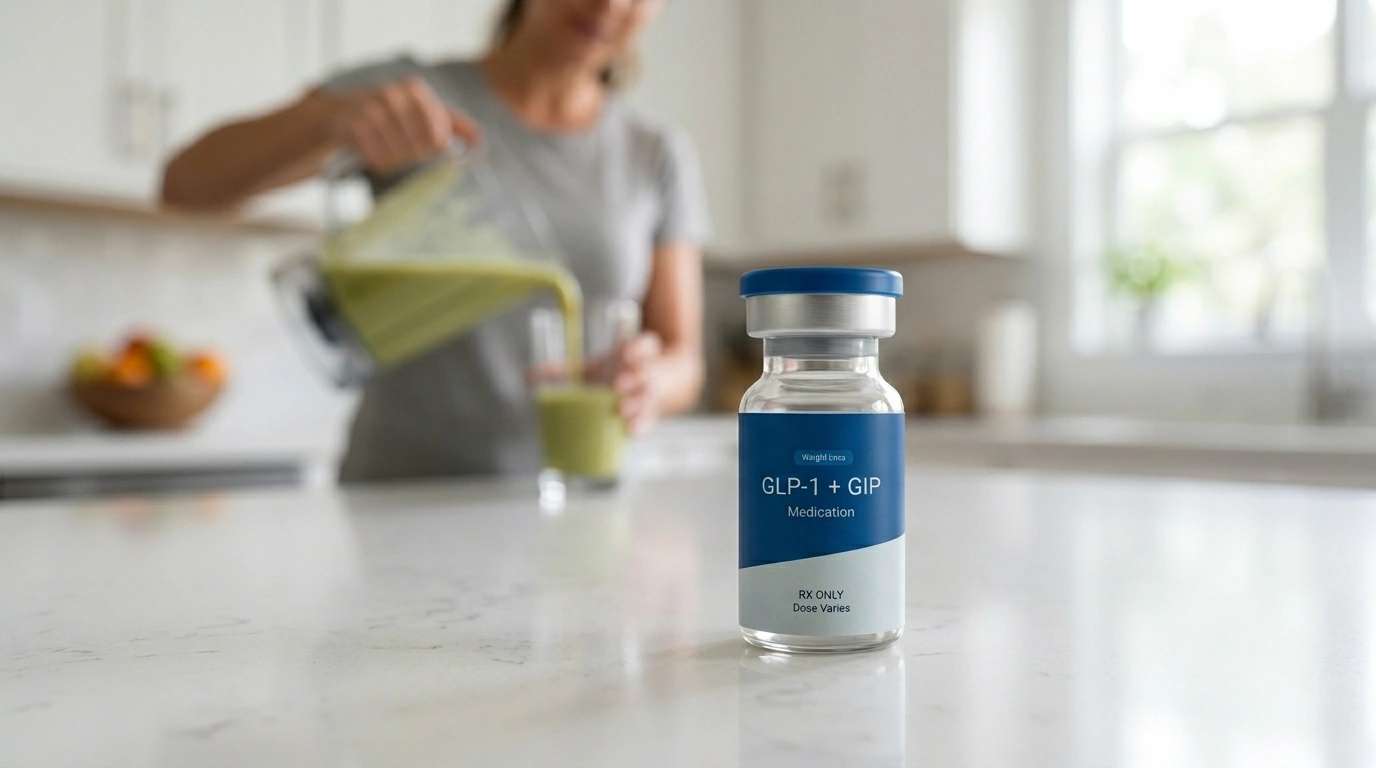
Mounjaro® belongs to a class of medications known as dual GIP and GLP-1 receptor agonists. The active ingredient, tirzepatide, mimics two naturally occurring hormones in the body: glucose-dependent insulinotropic polypeptide (GIP) and glucagon-like peptide-1 (GLP-1). These hormones work together to regulate blood sugar levels, improve insulin sensitivity, and, crucially for weight management, slow down the rate at which food leaves your stomach. This process is known as delayed gastric emptying.
Because food stays in your stomach longer, you feel full on much smaller portions. However, the mechanical change in your digestion is exactly why your dietary choices become so important. For a closer look at side effects and management strategies, see our tirzepatide side effects: what to expect and how to manage guide. If you eat foods that are difficult to digest or that sit heavily in the gut, the delayed emptying can lead to significant discomfort, including bloating, acid reflux, and nausea. Understanding this biological “slow-down” is the first step in knowing what to avoid.
Quick Answer: When taking Mounjaro®, you should primarily avoid high-fat fried foods, sugary beverages, and large portions. Because the medication slows digestion, these items are more likely to cause severe nausea, bloating, and heartburn.
Foods to Avoid When Taking Mounjaro
High-fat and fried foods are often the primary culprits behind gastrointestinal distress on Mounjaro®. If you want a broader list, our what not to eat on tirzepatide guide covers similar choices. Because fats take longer to break down than proteins or carbohydrates, combining high fat content with delayed gastric emptying is a recipe for discomfort. When these foods sit in the stomach for extended periods, they can trigger acid reflux or a feeling of “heavy” nausea that lasts for hours.
Fried and Greasy Options
Avoiding deep-fried foods like French fries, fried chicken, and tempura is essential during the first few months of treatment. These items are calorie-dense and provide very little nutritional value, which works against your weight loss goals. More importantly, the high grease content can lead to “sulfur burps”—a common side effect where gas trapped in the stomach smells like eggs due to slow digestion.
High-Saturated Fat Meats
While protein is vital, you should avoid heavy, fatty cuts of red meat such as ribeye steaks, bacon, and sausages. These processed and high-fat meats can be difficult for the digestive system to process efficiently. Instead, focus on lean sources that won’t strain your digestion. If you do choose to eat red meat, look for “lean” or “extra lean” labels and keep the portion sizes small.
Sugary Foods and Refined Carbohydrates
Mounjaro® is designed to help regulate blood sugar, so eating high-sugar foods can work directly against the medication’s mechanism. For a fuller overview of meal planning, see our eating smart on Mounjaro: what to eat and not eat for optimal results. Refined carbohydrates, such as white bread, sugary cereals, and pastries, cause rapid spikes in blood glucose. These spikes can lead to energy crashes and may increase the likelihood of feeling shaky or lightheaded, especially as your body adjusts to its new metabolic state.
Key Takeaway: Prioritize “gentle” digestion. If a food feels heavy or greasy in your hand, it will likely feel much heavier and more uncomfortable in your stomach while on this medication.
Beverages to Limit or Avoid
What you drink can be just as impactful as what you eat when managing your metabolic health. Many people overlook the liquid calories and chemical triggers found in common beverages, which can stall weight loss or exacerbate side effects.
Alcohol and Mounjaro
It is generally recommended to limit or entirely avoid alcohol while taking Mounjaro®. Alcohol can complicate blood sugar management, potentially leading to hypoglycemia (low blood sugar), particularly if you are also managing type 2 diabetes. Furthermore, alcohol is a gastric irritant. When combined with a medication that already slows the stomach, alcohol can significantly increase the risk of nausea and vomiting.
Alcohol also provides “empty” calories that offer no nutritional benefit. Since your appetite is reduced on this program, every calorie counts toward your nutrient needs. Using those calories on alcohol can lead to nutrient deficiencies and slower progress. If you do choose to have a drink, do so in moderation and always consume it alongside water and a small, protein-rich snack.
Sugary Sodas and Energy Drinks
Liquid sugars are particularly problematic because they enter the bloodstream almost instantly. Even though Mounjaro® helps manage glucose, overwhelming the system with soda, sweetened coffee drinks, or high-sugar energy drinks can lead to inflammation and weight plateaus. Furthermore, the carbonation in sodas can lead to painful bloating and gas, as the air gets “trapped” in the stomach due to slowed digestion.
| Category | What to Avoid | Better Alternatives |
|---|---|---|
| Proteins | Bacon, sausage, fried chicken | Grilled chicken, tofu, white fish |
| Carbs | White bread, sugary cereal | Quinoa, oats, berries |
| Fats | Butter, lard, heavy cream | Avocado, olive oil, walnuts |
| Drinks | Soda, heavy alcohol, sweet tea | Water, herbal tea, electrolyte drinks |
Behaviors That Can Hinder Your Progress
Achieving success with a personalized program through us is about more than just the medication; it’s about changing how you interact with food. If fatigue is becoming an issue, our Weight Loss Boost supplement may be a helpful option alongside your plan. Certain behaviors that may have been fine in the past can cause significant issues once you start a dual agonist treatment.
Eating Too Fast
Eating quickly is one of the most common causes of accidental overeating and subsequent nausea. Because the signals from your gut to your brain are enhanced by the medication, you will feel full much sooner than you used to. If you eat quickly, you may consume a “normal” portion before your brain realizes you are actually stuffed. This can lead to extreme discomfort, vomiting, and a feeling of being “over-full” for the rest of the day.
Skipping Meals Entirely
While you may not feel hungry, skipping meals can lead to severe fatigue and muscle loss. It is a common mistake to think that not eating at all will speed up weight loss. In reality, your body needs a consistent supply of protein and micronutrients to maintain muscle mass and metabolic rate. Skipping meals can also lead to low blood sugar, leaving you feeling dizzy or irritable.
Neglecting Hydration
Dehydration is a hidden danger for many on GLP-1 and GIP medications. When your appetite decreases, your thirst drive often decreases as well. Additionally, if you experience side effects like diarrhea or vomiting, you lose fluids quickly. Staying hydrated is essential for kidney health and can actually help alleviate some of the nausea associated with the medication.
Bottom line: Listen to your body’s new signals. Stop eating at the first sign of satisfaction—not when the plate is empty—and prioritize consistent hydration throughout the day.
Managing Digestive Side Effects Through Diet
Side effects like nausea and constipation are common, but they are often manageable with dietary adjustments. If you want additional nutritional support during these transitions, our GLP-1 Daily Support supplement can help provide the nutrients your body needs during these transitions. If you find yourself struggling with these issues, look at your “avoid” list first. Most patients find that their side effects are directly linked to a specific food or habit.
Tackling Nausea
If you feel nauseated, avoid spicy, acidic, or highly seasoned foods. Stick to “bland” options like crackers, plain rice, or ginger tea for a few days. Small, frequent meals are often better tolerated than three large ones. At TrimRx, we often recommend that patients keep a food log during the first few weeks to identify personal triggers that might be causing their nausea.
Preventing Constipation
While you should avoid refined fibers like white bread, you must be careful not to avoid fiber altogether. Constipation is a frequent side effect because the digestive tract is moving more slowly. However, suddenly increasing fiber can also cause bloating. The goal is a gradual increase in high-fiber vegetables and whole grains, paired with plenty of water. If you are struggling with intake, our GLP-1 Daily Support supplement can help provide the nutrients your body needs during these transitions.
Myth: You have to follow a restrictive “diet” for Mounjaro® to work. Fact: There is no single “Mounjaro diet,” but choosing nutrient-dense whole foods and avoiding known irritants helps the medication work more effectively while keeping you comfortable.
The Role of Personalized Support at TrimRx
Starting a medication like tirzepatide is a significant medical decision that requires professional guidance. If you’re wondering whether you qualify, take our free assessment quiz. At TrimRx, we don’t just provide access to medication; we provide a platform for a comprehensive lifestyle change. Our programs connect you with licensed healthcare providers who can help you navigate the nuances of what to avoid based on your specific health history.
We offer access to both branded medications and compounded options. Compounded Semaglutide and Compounded Tirzepatide are prepared and shipped by FDA-registered, inspected compounding pharmacies. While these compounded versions are not FDA-approved themselves, they offer a personalized alternative for patients when branded medications like Mounjaro® or Zepbound® are not the right fit or are unavailable. Our team is available 24/7 to ensure you are never alone on this journey, helping you adjust your habits and manage side effects in real-time.
Conclusion
Navigating what to avoid when taking Mounjaro® is a critical component of your long-term success. By steering clear of high-fat fried foods, sugary beverages, and the habit of eating too quickly, you can significantly reduce the risk of side effects like nausea and bloating. Remember that this medication is a partner in your health journey, designed to work alongside a balanced, thoughtful approach to nutrition.
Our mission is to help you embrace a healthier lifestyle through science, empathy, and transparency. We understand that weight loss is a deeply personal and sometimes frustrating process, which is why we focus on a telehealth-first model that removes the barriers of waiting rooms and impersonal care. With the right support and a clear understanding of how to fuel your body, sustainable weight management is within your reach.
- Avoid high-fat, greasy, and fried foods to prevent severe nausea.
- Limit alcohol and sugary drinks to support blood sugar stability.
- Eat slowly and stop when you feel full to avoid digestive discomfort.
- Stay hydrated and prioritize lean protein to protect your muscle mass.
Ready to see if a personalized weight loss program is right for you? Take our free assessment quiz today to begin your journey with expert clinical support.
FAQ
Can I drink coffee while taking Mounjaro?
Yes, most people can safely consume coffee, but it is best to avoid adding high-fat creams or sugary syrups. Some patients find that the acidity in coffee can worsen heartburn or nausea due to slowed digestion, so it is important to monitor how your body reacts. If coffee causes discomfort, try switching to a less acidic cold brew or herbal tea.
What happens if I eat a high-fat meal by mistake?
If you eat a high-fat or fried meal, you may experience increased nausea, bloating, or “sulfur burps” as the fat takes longer to digest. For a deeper breakdown, see our common GLP-1 side effects: what to expect. Do not panic; instead, focus on drinking plenty of water and sticking to bland, light foods for your next few meals. Take note of the reaction so you can avoid that specific food trigger in the future.
Are there any fruits or vegetables I should avoid?
Generally, all fruits and vegetables are healthy, but some people find that very high-fiber “cruciferous” vegetables like broccoli or cabbage can cause excess gas and bloating. Additionally, very high-sugar fruits like watermelon or pineapple should be eaten in moderation to keep blood sugar levels stable. It is best to introduce different vegetables slowly to see how your stomach handles them.
Why do I need to avoid alcohol on this medication?
Alcohol is avoided primarily because it can lead to dangerous drops in blood sugar and increase gastrointestinal side effects. Because Mounjaro® slows down your stomach, alcohol stays in your system longer and can irritate the stomach lining, leading to more frequent nausea or vomiting. It also adds extra calories that can slow down your weight loss progress.
Disclaimer: This content is for informational purposes only and does not constitute medical advice. It is not intended to diagnose, treat, cure, or prevent any disease or condition. Individual results may vary. Always consult a qualified healthcare professional before starting any weight loss program or medication.

Transforming Lives, One Step at a Time
Keep reading

Mounjaro Alternatives: What Else to Consider
If Mounjaro isn’t the right fit, the closest alternatives are other GLP-1 medications, chiefly semaglutide (Ozempic for diabetes, Wegovy for weight), along with a…

Mounjaro vs Zepbound: Same Drug, Two Brands
Like their semaglutide counterparts, Mounjaro and Zepbound are the same medication (tirzepatide) sold under two names for two purposes: Mounjaro is approved for type…

Retatrutide vs Mounjaro: Triple Agonist vs Dual Agonist
The core difference between retatrutide and Mounjaro comes down to how many hormone targets each hits: retatrutide activates three receptors, while Mounjaro (tirzepatide) activates…


