What to Do After Taking Ozempic: A Guide to Lasting Success
Introduction
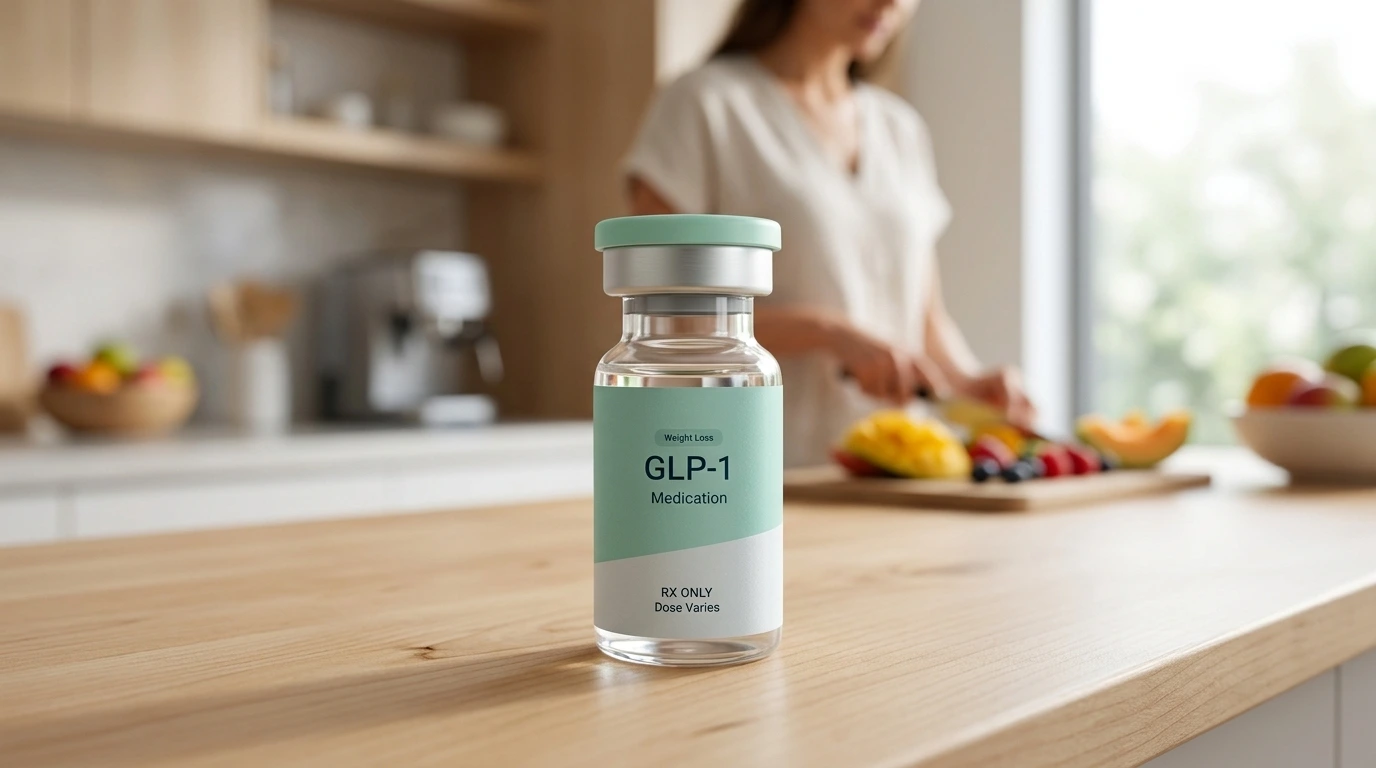
Finishing a course of medication often feels like a finish line, but when it comes to metabolic health, it is often just the beginning of a new chapter. If you have been using Ozempic® (semaglutide) to manage your weight or blood sugar, you might feel a mix of pride in your progress and anxiety about what happens next. The fear of “the rebound”—where weight returns once the medication stops—is a common concern for many of our members. At TrimRx, we believe that the transition period is just as important as the treatment itself. If you want a personalized next step, take the free assessment quiz to explore maintenance options. This post covers how to manage your nutrition, activity, and medical options to ensure your hard-earned results last a lifetime. Succeeding after medication requires a transition from clinical support to a sustainable lifestyle framework.
The Science of What Happens Next
When you stop taking Ozempic®, your body begins to clear the medication from your system. Ozempic® is a GLP-1 receptor agonist, which stands for glucagon-like peptide-1. If you want a deeper explanation, read our guide on how semaglutide and Ozempic work for weight management. This is a hormone your body naturally produces to tell your brain you are full and to slow down how fast your stomach empties.
When the medication is no longer present, those signals change. Most people notice that their appetite begins to return to its previous levels within one to two weeks. This is sometimes called “food noise,” which refers to intrusive or constant thoughts about eating. For more on that effect, see how GLP-1 medications quiet food noise. Because the medication was doing the heavy lifting of appetite suppression, you must have a plan to manage these signals manually.
Quick Answer: After taking Ozempic®, the most important steps are to prioritize high-protein nutrition, begin a consistent resistance training routine to protect muscle, and consult with a provider about a long-term maintenance plan. These actions help counteract the natural return of hunger and prevent weight regain.
Navigating the “Ozempic Rebound”
The term “rebound” describes the tendency for weight to return once a weight loss intervention ends. This is not a personal failure; it is a biological reality. Your body has a “set point,” which is the weight it is used to maintaining. When you lose weight quickly, your metabolism may slow down as a survival mechanism.
To navigate this, we focus on metabolic flexibility. This is the body’s ability to switch between burning fats and carbohydrates efficiently. When the medication is removed, your body needs to rely on its natural metabolic processes again.
Key Takeaway: Weight regain after stopping a GLP-1 medication is a biological response to the return of natural hunger signals and a potentially slower metabolism.
Nutrition Strategies for the Post-Medication Phase
What you eat after stopping medication is the most significant factor in maintaining your weight. While on the medication, you likely ate smaller portions because you felt full faster. Once that effect fades, you need foods that provide high satiety—the feeling of being satisfied and full.
Prioritize Lean Protein
Protein is the most satiating macronutrient. It takes longer to digest and helps preserve lean muscle mass. When you lose weight rapidly, you often lose muscle along with fat. Muscle is metabolically active, meaning it burns more calories at rest than fat does. If you lose muscle, your metabolism drops, making it easier to regain weight.
- Action: Aim for 25–30 grams of protein at every meal.
- Sources: Chicken, turkey, fish, Greek yogurt, tofu, and legumes.
Increase Dietary Fiber
Fiber adds bulk to your meals without adding significant calories. It also helps stabilize blood sugar levels. Because GLP-1 medications originally helped manage blood sugar, keeping your levels steady through diet is crucial. Fiber also supports a healthy gut microbiome, which plays a large role in weight regulation.
Focus on Hydration
Sometimes the brain confuses thirst with hunger. Staying hydrated is essential, especially because some people experience a change in thirst cues after stopping medication. Drink water consistently throughout the day, and consider adding electrolytes if you are highly active. If you want to avoid common pitfalls, review common GLP-1 mistakes to avoid.
Bottom line: A diet high in protein and fiber mimics some of the fullness effects of GLP-1 medications, helping you manage your appetite naturally as the drug leaves your system.
The Critical Role of Resistance Training
Many people focus solely on cardio like walking or running when trying to maintain weight. While cardio is great for heart health, resistance training—lifting weights or using bodyweight exercises—is the secret to long-term maintenance after Ozempic®.
Why Resistance Training Matters:
- Protects Muscle Mass: It prevents the “muscle wasting” that can occur during rapid weight loss.
- Boosts Basal Metabolic Rate: More muscle means you burn more calories even while sleeping.
- Improves Insulin Sensitivity: Stronger muscles are better at processing glucose (sugar), which helps keep your metabolism healthy.
Step 1: Start small. / If you are new to strength training, start with two sessions per week using light weights or resistance bands. Step 2: Focus on compound movements. / Exercises like squats, lunges, and push-ups work multiple muscle groups at once for maximum efficiency. Step 3: Gradually increase intensity. / As you get stronger, add more weight or repetitions to continue challenging your muscles.
Managing the Psychological Transition
The “food noise” we mentioned earlier can be jarring when it returns. It is important to realize that feeling hungry is a normal human sensation. However, if that hunger feels overwhelming, it may be time to look at behavioral strategies.
- Mindful Eating: Slow down during meals. It takes about 20 minutes for your brain to receive the signal that your stomach is full.
- Identify Triggers: Determine if you are eating because of hunger or because of stress, boredom, or habit.
- Support Systems: Having a dedicated team or community can make a massive difference in staying accountable.
Medical Alternatives and Maintenance Programs
For some, the best “next step” after Ozempic® isn’t stopping treatment entirely, but moving to a maintenance phase. Not everyone is ready to stop medication cold turkey, especially if they have a significant amount of weight still to lose or if their metabolic health is still stabilizing. If you are wondering whether a different plan fits your health profile, complete the free assessment quiz.
At TrimRx, we connect you with licensed providers who can help determine if a different approach is right for you. This might include:
Compounded Medications
If branded medications like Ozempic® or Wegovy® (semaglutide) are no longer the right fit due to availability or other factors, your provider might discuss tirzepatide’s dual-action weight loss approach. These medications are prepared by FDA-registered, inspected compounding pharmacies. While they are not FDA-approved themselves, they contain the same active ingredients as the branded versions and can be customized to your specific needs.
Oral Options
Some patients prefer moving from an injectable medication to an oral format. This can sometimes feel less “clinical” and more like a standard daily supplement, which fits easily into a long-term routine.
Personalized Telehealth Support
Our platform is designed to be a lifelong partner in your health. We provide access to doctor consultations and lab work without the need for in-person waiting rooms. This allows for constant adjustment of your program based on how your body is responding to the transition.
Myth: You will definitely gain all the weight back once you stop taking Ozempic®. Fact: While many people do regain weight, it is not a guarantee. Those who combine the medication with permanent lifestyle changes, protein-heavy diets, and strength training have a much higher success rate in maintaining their new weight.
When to Consult a Healthcare Provider
It is essential to talk to a professional before making any changes to your medication schedule. Stopping Ozempic® abruptly can cause blood sugar spikes in people with type 2 diabetes.
Contact a provider if you experience:
- Rapid weight gain (more than 5 pounds in a week).
- Extreme fatigue or dizziness.
- Persistent digestive issues as you transition your diet.
- Significant return of “food noise” that impacts your quality of life.
Our dedicated team at TrimRx is available 24/7 to provide support and guidance. We focus on a personalized approach because we know that every metabolism is different.
Optimizing Your Health with Targeted Support
Even after the primary medication is finished, your body may need extra help to stay in peak condition. We offer quick-access supplements that do not require a prescription or a medical quiz.
GLP-1 Daily Support This is designed to help support your body’s natural pathways. It can be a helpful tool during the transition period to ensure you are getting the nutrients necessary to maintain your progress.
Weight Loss Boost For those looking to maintain their momentum, this supplement provides additional metabolic support. It is intended to work alongside a healthy diet and exercise routine.
Key Takeaway: Success after Ozempic® is about building a “metabolic safety net” through high-protein nutrition, strength training, and consistent medical oversight.
Building a Sustainable Future
The goal of any weight loss journey should be sustainability. If the methods you used to lose the weight are impossible to maintain, the weight will likely return. Use the time you spend on medication to practice the habits that will carry you through the rest of your life.
Think of the medication as a training set of wheels for a bicycle. It helps you find your balance and gain speed. Eventually, the wheels come off, but the skill of riding the bike stays with you. By focusing on your diet, your movement, and your mental health, you are learning how to ride that bike on your own.
The TrimRx Difference
We are more than just a place to get a prescription. We are a telehealth platform that merges clinical expertise with modern technology to deliver personalized, medically supervised weight loss programs. Our mission is to help you embrace a healthier lifestyle through science and empathy. Whether you are looking for a new prescription program or need support as you transition off medication, we are here to guide you every step of the way.
Conclusion
What you do after taking Ozempic® will define your long-term success. By prioritizing protein, engaging in resistance training, and maintaining a connection with a dedicated healthcare team, you can protect your results. Remember that metabolic health is a marathon, not a sprint. The habits you build today are the foundation for your health ten years from now. If you are ready to continue, explore your personalized maintenance options.
Next Steps to Secure Your Progress:
- Evaluate your current protein intake and aim for a significant increase.
- Schedule at least two strength-training sessions for the coming week.
- Monitor your “food noise” and use mindful eating techniques.
- Take our free assessment quiz to explore personalized maintenance options tailored to your health profile.
FAQ
Will I get hungry again as soon as I stop Ozempic®?
Most people notice a return of their natural appetite within a week or two as the medication leaves the body. This is because the GLP-1 receptors in the brain are no longer being stimulated by the drug. To manage this, we recommend increasing your intake of protein and fiber to help you feel full naturally.
Is it possible to maintain weight loss without medication?
Yes, it is possible, but it requires a dedicated focus on lifestyle changes. Successful maintenance usually involves a combination of high-protein nutrition, regular resistance training to keep the metabolism high, and consistent monitoring of eating habits. A good place to start is semaglutide’s long-term path to sustainable weight management. Many people find that working with a telehealth platform helps them stay accountable during this transition.
Should I taper off the medication or stop all at once?
You should never change your dosing schedule without consulting a licensed healthcare provider. Some providers may suggest a gradual taper to help your body adjust, while others may have you stop at a specific goal weight. A personalized medical consultation is the best way to determine the right path for your specific health history.
What are the best exercises to do after stopping Ozempic®?
Resistance training is the most important type of exercise for weight maintenance. This includes lifting weights, using resistance bands, or performing bodyweight exercises like squats and push-ups. These activities help preserve the muscle mass you have, which keeps your metabolism functioning at a higher level than cardio alone.
Disclaimer: This content is for informational purposes only and does not constitute medical advice. It is not intended to diagnose, treat, cure, or prevent any disease or condition. Individual results may vary. Always consult a qualified healthcare professional before starting any weight loss program or medication.

Transforming Lives, One Step at a Time
Keep reading

Lunar New Year on Ozempic: Reunion Dinner and Family Visits
For many families, Lunar New Year is the biggest celebration of the year. It begins with a reunion dinner on New Year’s Eve, often…

Passover on Ozempic: The Seder, Matzah and Constipation
Passover brings two challenges for people on Ozempic or another GLP-1. The first is the seder: a long evening meal, often starting late, with…
Getting a Tattoo on Ozempic
Tattoo artists know the signs well: a client who came in without eating, sits for a few hours, goes pale, and starts to feel…


