Did Not Feel Wegovy Injection: What It Means and What to Do
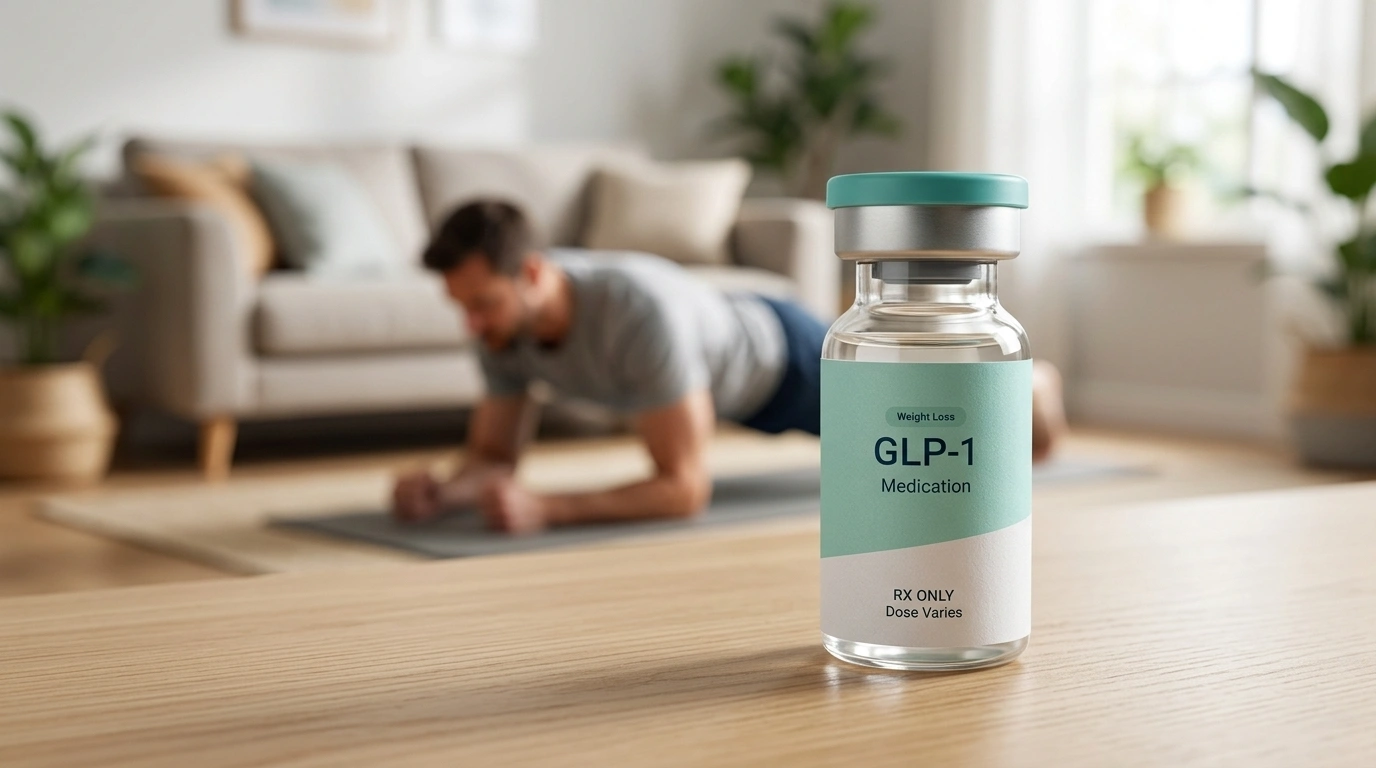
Table of Contents
- Introduction
- Understanding the Subcutaneous Injection Experience
- How to Tell if the Injection Was Successful
- Common Reasons for “Not Feeling” the Needle
- What to Do If You See Liquid on Your Skin
- Troubleshooting Your Injection Technique
- Choosing the Best Injection Site
- The TrimRx Approach to Weight Loss
- Safety and Expectations in the First Month
- When to Contact a Healthcare Professional
- Conclusion
- FAQ
Introduction
It is a common moment of panic for many beginning their weight loss journey: you press the autoinjector against your skin, hear the clicks, and pull the pen away, only to wonder if anything actually happened. If you did not feel Wegovy injection as it occurred, your first instinct might be to worry that the device malfunctioned or that you missed your dose entirely. This uncertainty can be frustrating, especially when you are committed to a structured metabolic health program.
At TrimRx, we understand that navigating the technical side of GLP-1 (glucagon-like peptide-1) medications can feel overwhelming. Whether you are using a branded medication or exploring personalized alternatives, the goal is to feel confident in every step of your treatment. This article will explain why you might not feel the needle, how to verify a successful dose, and what to do if you suspect a technical error with your pen. For additional guidance, review this GLP-1 injection safety guide.
Understanding the Subcutaneous Injection Experience
The primary reason many people do not feel the injection is the design of the needle itself. Wegovy® (semaglutide) is administered through a subcutaneous injection, which means the medication is delivered into the fatty tissue layer just beneath the skin. This layer has significantly fewer pain receptors than muscle tissue or the outer layers of the skin.
The needles used in these autoinjector pens are incredibly thin, often referred to as “fine-gauge” needles. Most modern GLP-1 pens use 30-gauge to 32-gauge needles, which are about as thin as a few strands of human hair. Because the needle is so small and the injection is shallow, it is entirely normal for the sensation to be virtually imperceptible. This step-by-step overview of GLP-1 injections explains how subcutaneous delivery works.
Quick Answer: It is very common not to feel the needle during a Wegovy® injection. The device uses an ultra-thin needle designed for subcutaneous delivery into the fat layer, where there are fewer nerves. As long as the yellow bar in the pen window has stopped moving, your dose was likely delivered successfully.
The Anatomy of the Fat Layer
Subcutaneous fat serves as a stable “reservoir” for the medication. Once injected, the semaglutide is slowly absorbed from this fatty tissue into the bloodstream over several days. This slow-release mechanism is why the medication only needs to be administered once per week. Because the needle does not need to reach the muscle, there is no “sharp” sting typically associated with deeper vaccinations or blood draws.
How to Tell if the Injection Was Successful
Since you cannot always rely on physical sensation to know the medication was delivered, you must rely on the mechanical indicators built into the pen. The manufacturer has included several visual and auditory cues to provide peace of mind.
The Yellow Bar Indicator
The most reliable way to confirm a successful dose is to look at the clear window on the side of the pen. Before the injection, the window is clear. During the injection, a yellow bar will begin to move across the window. Once the injection is complete, the yellow bar will stop moving and fill the window entirely.
The Auditory Clicks
Most autoinjector pens provide two distinct clicking sounds:
- The First Click: This happens as soon as you press the pen firmly against your skin. It signals that the needle has been inserted and the medication has started to flow.
- The Second Click: This occurs shortly after the first. Contrary to what many believe, the second click does not always mean the injection is finished. It simply means the mechanical process is still in progress.
Key Takeaway: Always wait for the yellow bar to stop moving completely before pulling the pen away from your skin. This usually takes between 5 and 10 seconds after the clicks.
Common Reasons for “Not Feeling” the Needle
If you are transitioning from other types of medical treatments, you might be conditioned to expect a certain level of discomfort. There are several factors that contribute to a painless experience.
- Needle Gauge: As mentioned, the 32-gauge needle is significantly thinner than the needles used for standard flu shots or IV starts.
- Injection Site Choice: Areas with more subcutaneous fat, such as the abdomen or the front of the thigh, are naturally less sensitive.
- Temperature of the Medication: Injecting cold medication straight from the refrigerator can sometimes cause a slight “pinch” or “sting.” If you let the pen sit at room temperature for 30 minutes before use, the liquid becomes less viscous and the injection often becomes completely painless.
- Rapid Delivery: The autoinjector is spring-loaded to deliver the dose quickly and consistently. The speed of the delivery often beats the body’s ability to register a pain signal.
For more detail about choosing a comfortable location, read this guide to where to inject GLP-1 medications.
What to Do If You See Liquid on Your Skin
A frequent concern among patients who did not feel the injection is seeing a small drop of liquid on the skin or the tip of the needle after they finish.
Small Beads vs. Significant Leakage
It is perfectly normal to see a tiny, pinhead-sized drop of clear liquid on the skin at the injection site. This does not mean the injection failed. Most of the dose is already deep within the subcutaneous tissue, and this tiny bead is simply a “rebound” of a fraction of a drop.
However, if you see a significant amount of liquid—enough to run down your leg or soak your clothing—this is considered a “wet injection.” This usually happens if the pen was pulled away from the skin too early or if it wasn’t pressed firmly enough to engage the safety shield and needle.
Should You Re-Inject?
If a significant leak occurs, do not attempt to inject another dose immediately. It is impossible to know exactly how much medication was absorbed, and taking a second dose could lead to an accidental overdose, resulting in severe nausea, vomiting, or other gastrointestinal side effects.
Note: If you experience a failed injection or significant leakage, contact your healthcare provider for guidance. In most cases, they will advise you to wait until your next scheduled dose day to maintain your routine.
Troubleshooting Your Injection Technique
To ensure every dose is delivered correctly, especially if you have had a “wet injection” in the past, follow these refined steps.
Step 1: Prepare the Site. Clean the area (abdomen, thigh, or upper arm) with an alcohol swab and let it air dry completely. Injecting through wet alcohol can cause a stinging sensation.
Step 2: Check the Pen. Look through the window to ensure the liquid is clear and colorless. Check the expiration date. Pull the cap straight off—never twist it, as this can damage the internal needle.
Step 3: Firm Pressure. Press the pen against your skin at a 90-degree angle. You must press firmly enough to push the needle cover up into the pen. This “unlocks” the mechanism.
Step 4: The 10-Second Rule. Once you hear the first click, hold the pen in place. Watch the yellow bar move. Even after the yellow bar stops, count to ten slowly. This ensures that the last few microliters of medication have fully exited the needle.
Step 5: Lift Straight Up. Remove the pen in a single, smooth motion. Do not rub the injection site afterward, as this can irritate the tissue.
Choosing the Best Injection Site
The effectiveness of semaglutide is the same regardless of where you inject it, provided it reaches the subcutaneous fat. However, the sensation—or lack thereof—can vary by site.
| Injection Site | Ease of Use | Sensation Level |
|---|---|---|
| Abdomen | Very Easy | Often the least felt; plenty of fat tissue. |
| Front of Thigh | Easy | Firmer surface; may feel the “pressure” of the pen more. |
| Upper Arm | Moderate | Requires a partner or reaching back; similar to a flu shot site. |
Many patients find that rotating their injection sites helps prevent skin irritation or the development of small lumps under the skin (lipohypertrophy). For example, you might use the left side of the abdomen one week and the right side the next. This GLP-1 injection site guide provides additional site-selection tips.
The TrimRx Approach to Weight Loss
At TrimRx, we believe that weight loss is about more than just a weekly injection. It is about having a dedicated support system to help you navigate the nuances of your treatment. Our platform connects you with licensed healthcare providers who can tailor a program specifically to your needs. If you are considering a prescription program, you can complete a free eligibility assessment.
We offer a range of options, including access to medications like Compounded Semaglutide and Compounded Tirzepatide, which are prepared by FDA-registered and inspected compounding pharmacies. These medications provide a flexible alternative for those who may struggle with the availability or technical aspects of branded autoinjectors. Our programs are designed to be transparent, with doctor consultations, lab work, and unlimited support included, so you never have to guess if you are doing it right. To learn more about the process, read how to get weight loss injections.
Key Takeaway: Success with GLP-1 medications depends on consistency and proper technique. If you are unsure about your injection process, our specialists are available 24/7 to provide the guidance you need to stay on track.
Safety and Expectations in the First Month
The first month of treatment is an “escalation” phase. You typically start at a lower dose—usually 0.25 mg for Wegovy®—to allow your body to adjust. Because the dose is small, you might not “feel” the effects in your appetite right away, just as you might not feel the needle.
It is important to remember that weight loss is a marathon, not a sprint. Significant results typically begin to manifest after the first four to eight weeks as the dosage increases. During this time, maintaining a consistent injection schedule is vital. If you miss a dose or have a technical issue with a pen, do not get discouraged. Simply document the event and discuss it with your provider during your next consultation.
Managing Side Effects
If you are worried that you didn’t get your dose because you don’t have side effects, take heart. While nausea and fatigue are common, many people do not experience significant side effects at the starting doses. This does not mean the medication isn’t working. It simply means your body is tolerating the GLP-1 receptor agonist well.
For those who do experience mild discomfort, we offer targeted solutions like GLP-1 Daily Support or Weight Loss Boost. These supplements are designed to support your body’s natural pathways and manage the nutritional gaps that can occur when your appetite decreases.
When to Contact a Healthcare Professional
While not feeling the needle is normal, there are certain situations where you should seek medical advice:
- Visible Pen Damage: If the pen is cracked, the needle is bent, or the yellow bar is visible before you even start.
- Allergic Reactions: If you notice severe redness, hives, or swelling at the injection site that spreads.
- Severe Pain: If the injection causes sharp, lasting pain that does not subside within a few minutes.
- Lack of Clicks: If you press the pen down and never hear a click or see the yellow bar move.
A licensed provider can help determine if you need a replacement pen or if a different delivery method, such as oral semaglutide or a traditional syringe and vial used in some compounded programs, might be a better fit for your comfort level.
Conclusion
The fear that you did not feel Wegovy injection is a common hurdle, but it is almost always a sign that the technology is working exactly as intended. The combination of an ultra-thin needle and subcutaneous delivery is designed to make your health journey as seamless as possible. By focusing on the visual cues of the pen—the yellow bar and the clicks—you can move forward with confidence.
Our mission at TrimRx is to remove the guesswork from weight loss. Through personalized programs and clinical expertise, we help you embrace a healthier lifestyle with tools that fit your life. If you are ready to take the next step in your metabolic health journey, we invite you to begin with a free assessment quiz to see which program is right for you.
FAQ
What if I don’t see any blood after the injection?
It is very common not to see any blood after a subcutaneous injection. Because the needle is so thin and only goes into the fat layer, it rarely hits a capillary. The absence of blood is not a sign that the injection failed; in fact, it often means your technique was perfect.
Should I try to re-inject if I think I did it wrong?
No, you should never attempt a second injection on the same day if you suspect the first one failed. It is safer to miss a portion of a dose than to take a double dose, which could lead to severe gastrointestinal distress. Wait until your next scheduled day or consult your healthcare provider for specific instructions.
Does the injection work better if it hurts?
No, pain is not an indicator of efficacy. Whether you feel a slight pinch or nothing at all, the medication will be absorbed the same way. The goal of modern autoinjectors is to make the process as painless as possible to encourage long-term adherence to the treatment plan.
How do I know if my pen is a “dud”?
A pen is only considered a “dud” if the yellow bar fails to move after you have applied firm pressure, or if the medication leaks out of the sides of the pen rather than the needle. If the yellow bar has moved to fill the window and you followed the 10-second rule, the pen functioned correctly.
Disclaimer: This content is for informational purposes only and does not constitute medical advice. It is not intended to diagnose, treat, cure, or prevent any disease or condition. Individual results may vary. Always consult a qualified healthcare professional before starting any weight loss program or medication.

Transforming Lives, One Step at a Time
Keep reading
Horseback Riding on Wegovy or Ozempic
For a lot of people, horseback riding is one of the activities weight once put out of reach. Stables and trail outfitters set rider…
Should You Suggest Wegovy to a Family Member?
When a treatment changes your life, you want the people you love to have the same chance. Maybe your sister has struggled with her…
Injecting Wegovy With Stiff or Shaky Hands
A weekly injection takes a minute for most people. If you have arthritis in your hands, a tremor, weak grip strength, or numb fingers,…


