What to Do If You Get Dehydrated on Semaglutide
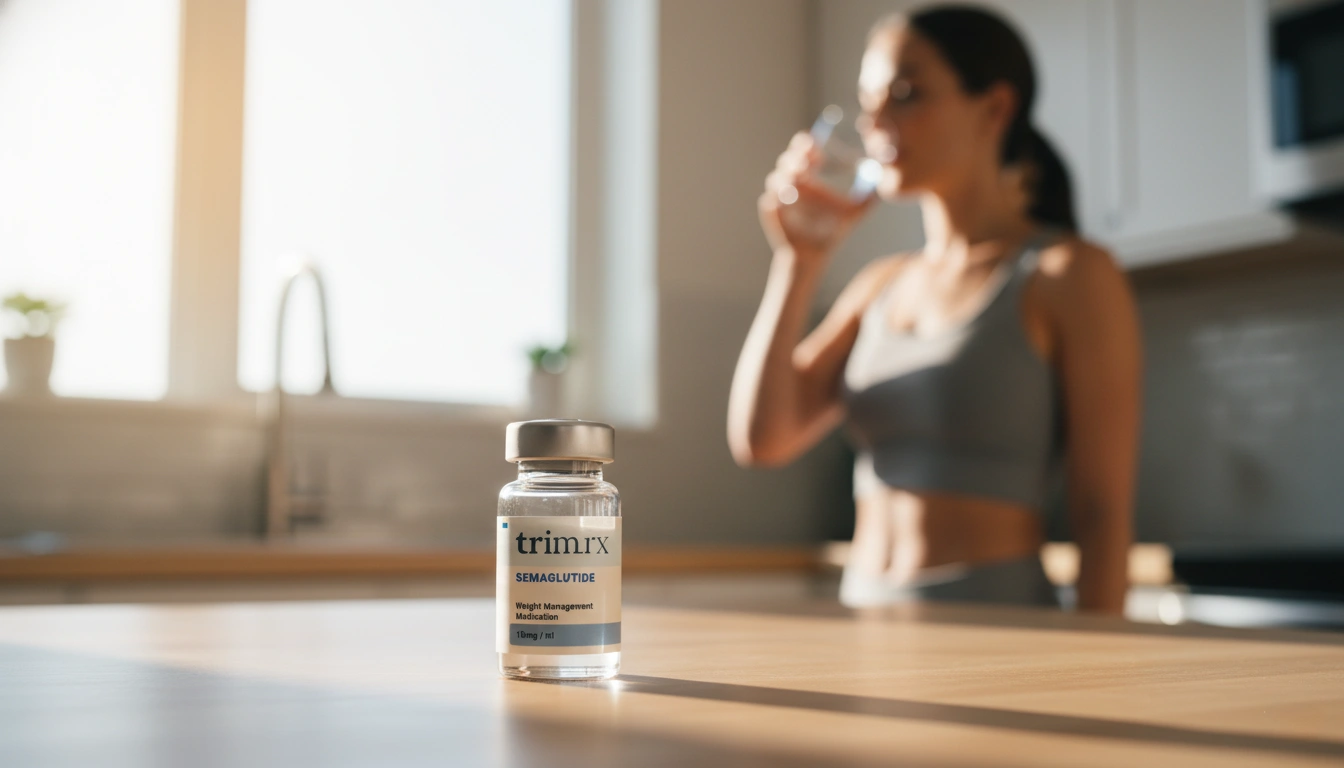
Rehydrate with small, frequent amounts rather than large volumes, use an oral rehydration solution rather than plain water if you have lost fluid through vomiting or diarrhea, and know the signs that mean you need medical attention rather than a glass of water.
The reason dehydration is common on this medication is not that it causes fluid loss directly. It is that appetite suppression reduces how much you eat and drink, a meaningful share of daily fluid normally comes from food, and thirst itself becomes a much weaker prompt. Most people who become dehydrated on this medication never felt thirsty at any point.
Recognizing it, since thirst will not tell you
Since the usual signal is unreliable, use these instead:
Urine color and frequency. Dark urine, or urinating noticeably less than usual, is the most practical everyday indicator.
Dizziness on standing. Lightheadedness when you get up suggests your blood pressure is dropping on position change, which is frequently a volume problem.
Headache, particularly on the day or two after your injection when intake drops most.
Fatigue that does not match your sleep.
Dry mouth, which is often the first thing people notice.
Constipation, which fluid deficit makes considerably worse.
Skin that stays tented briefly when pinched on the back of the hand.
These cluster. If you have three or four of them, treat it as one problem rather than four separate ones, because correcting hydration usually improves all of them together.
Consider this scenario: a patient has headaches every Monday, feels tired, and has been constipated for weeks. They search each symptom separately and find a different explanation for each. Tracking their actual fluid intake for three days shows they are drinking about a third of what they used to. One cause, three symptoms.
How to rehydrate properly
Small amounts, frequently. This matters more here than for most people, because your stomach empties slowly and a large volume at once sits uncomfortably or comes back up.
Use an oral rehydration solution if you have had vomiting or diarrhea, since you have lost salts as well as water and plain water alone does not replace them. Our guide on electrolytes on semaglutide covers what to look for.
Space fluids away from meals. Drinking a lot with food fills a slow stomach before you have eaten anything useful. Between meals is better.
Set a schedule. Decide on an amount, split it across the day, and use a bottle you refill a known number of times. Waiting for thirst is the thing that failed you.
Front-load around your injection. The day of and the day after are when intake usually drops most.
Cool rather than hot if nausea is present, since aroma worsens it.
Get medical care if
These warrant attention rather than more water:
- You cannot keep fluids down for more than a few hours
- You have stopped urinating, or your urine is very dark
- Confusion, unusual drowsiness, or extreme weakness
- Fainting, or repeatedly nearly fainting
- A racing heart alongside these symptoms
- Persistent vomiting or diarrhea for more than a day
- Severe abdominal pain, particularly radiating through to your back
Severe dehydration can affect kidney function, and that is the reason this deserves more attention than it usually gets. If you have kidney disease, diabetes, or take diuretics, the threshold for calling should be lower.
The blood pressure medication overlap
Worth flagging because it is frequently missed. Weight loss lowers blood pressure independently, so a dose of antihypertensive medication that was correct at your previous weight can become too strong.
Dizziness on standing is often the first sign, and people attribute all of it to dehydration when a prescription review is part of the answer. If you take blood pressure medication and have lost meaningful weight, that is worth raising with the prescriber who manages it.
Preventing it rather than treating it
Drink on a schedule permanently, not just when you notice symptoms. This has to become a habit, because the underlying appetite suppression is not going away.
Track it honestly for three days. Most people are surprised. You cannot fix a gap you have not measured.
Add electrolytes routinely if you sweat a lot, exercise, or live somewhere hot.
Eat foods with high water content, since a meaningful share of normal fluid intake comes from food and you are eating less of it.
Be more careful in heat and during exercise, where the deficit builds faster.
Watch it especially during illness, when the risk compounds sharply.
Our guide on getting the most out of your GLP-1 treatment covers hydration alongside the other basics that determine how well treatment goes.
Why this matters beyond comfort
Chronic mild dehydration is not just unpleasant. It contributes to constipation, headaches, fatigue, dizziness, dry mouth and the dental risk that comes with it, and it makes every illness harder to recover from.
It also affects some blood test results, which matters because kidney function is among the things typically monitored during treatment. Our guide on what lab tests to expect while on GLP-1 medications covers what gets checked and why.
When to call your provider
Contact your provider if dehydration keeps recurring despite genuinely increasing your intake, if you have had an episode severe enough to affect how you function, if you take diuretics or blood pressure medication and have lost significant weight, if you have kidney disease, or if you cannot maintain adequate intake in any form.
That last one is more common than people admit and worth raising rather than struggling with. If drinking enough has become genuinely difficult, that is a treatment issue rather than a willpower one.
The short version
Thirst stopped working as a prompt, which is why this sneaks up. Judge by urine color, dizziness on standing, and headaches instead. Rehydrate in small frequent amounts, use rehydration solution if you have lost fluid, and drink on a schedule permanently rather than in response to symptoms. Confusion, fainting, or not urinating means get seen.
If you want a provider who monitors hydration and kidney function as part of treatment rather than leaving it to you, see whether TrimRx is a fit for you.
This information is for educational purposes and is not medical advice. Consult with a healthcare provider before starting any medication. Individual results may vary.

Transforming Lives, One Step at a Time
Keep reading
Semaglutide vs Tirzepatide: Comparing Weight Loss, Blood Sugar, and Side Effects
Semaglutide and Tirzepatide are one of the most common comparisons in medical weight loss. The two medications share a clear family resemblance. Both are…

How Much Weight Can You Lose on Semaglutide?
How much weight can you lose on semaglutide? The answer varies depending on your starting weight, dosage, treatment duration, and individual response to the…

Hair Shedding Months Into Semaglutide
It shows up in the shower drain first, then on the pillow, then in the brush. By the time most people search this, they…


