What to Do When Taking Mounjaro for Best Results
Introduction
Taking the first step toward a healthier lifestyle with a prescription medication can feel both exciting and overwhelming. If you have recently started Mounjaro®, you likely have questions about how to manage your daily routine to ensure the best possible outcome. While the medication does a significant amount of the physiological heavy lifting, your habits, nutrition, and preparation play a vital role in your success. At TrimRx, we believe that understanding your treatment is the foundation of a sustainable health journey.
This article provides a practical roadmap for anyone navigating life on this medication. We will cover how to manage your injections, what to eat to support your body, and how to handle common side effects. By focusing on a personalized approach to metabolic health, we aim to help you move from simply taking a medication to achieving a total lifestyle shift. If you’re still deciding whether a personalized program is right for you, see if a personalized program is right for you.
Getting Started with the Basics
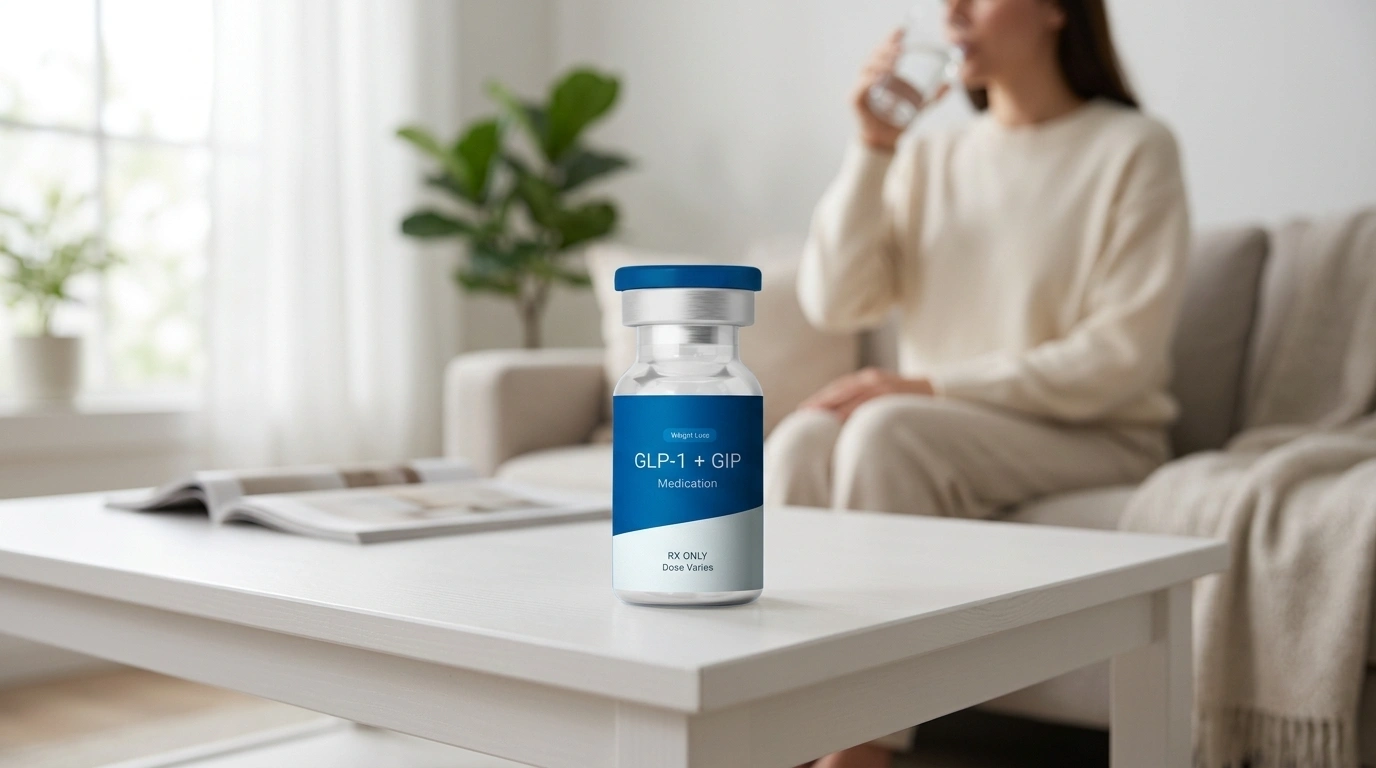
Mounjaro is a prescription medication known as a dual glucose-dependent insulinotropic polypeptide (GIP) and glucagon-like peptide-1 (GLP-1) receptor agonist. In plain English, this means it mimics two natural hormones in your body that regulate appetite and blood sugar. While many people are familiar with GLP-1 medications, the addition of the GIP component helps further support weight management and metabolic function.
When you begin this journey through a platform like ours, you are not just receiving a prescription; you are entering a supervised program designed to monitor your progress. Understanding How Tirzepatide Works: A Comprehensive Guide can help you make sense of the science behind the medication. Understanding the logistics of your medication is the first step toward feeling confident in your treatment.
Proper Storage and Handling
Maintain the cold chain. Your medication should be stored in the refrigerator at a temperature between 36°F and 46°F (2°C to 8°C). Keeping the pens in their original carton protects them from light, which can degrade the medication over time.
Know the room temperature limits. If you are traveling or accidentally leave a pen out, it can remain at room temperature (up to 86°F or 30°C) for up to 21 days. However, you should never freeze the medication. If a pen becomes frozen, it must be discarded, as the extreme cold can damage the chemical structure of the drug.
Check the liquid. Before every injection, look at the window of the pen. The liquid should be clear and colorless or slightly yellowish. If you see particles, cloudiness, or any discoloration, do not use that pen and consult your provider.
Mastering the Injection Process
The medication is administered once a week, and consistency is key to maintaining stable levels in your system. You do not need to take it with food, and you can choose any time of day that fits your schedule.
Step-by-Step: Your Weekly Injection
Step 1: Choose and prep your site. Select an injection site in your abdomen (at least two inches from the belly button), the front of your thigh, or the back of your upper arm if someone else is assisting you. Clean the area with an alcohol swab and let it dry completely.
Step 2: Rotate locations. Never use the exact same spot every week. Rotating your injection sites helps prevent skin irritation and tissue changes that can affect how the medication is absorbed.
Step 3: Administer the dose. Pull off the base cap, place the base flat against your skin, and unlock the pen. Press and hold the button. You will hear a first click when the injection starts and a second click when it is finished. This usually takes about 10 seconds.
Step 4: Safe disposal. Immediately place the used pen in an FDA-cleared sharps container. Never throw used pens into the regular household trash.
Key Takeaway: Consistency is more important than the specific hour of the day. Pick a “Mounjaro Day” that you can easily remember, such as every Sunday morning, to keep your hormone levels steady.
Managing the Dosing Schedule
Most individuals start on a 2.5 mg dose for the first four weeks. This initial phase is not typically for significant weight loss but is designed to let your body acclimate to the medication. If you want a deeper look at starter dosing and titration, does low-dose tirzepatide work explains why this approach matters. After four weeks, your provider may increase the dose to 5 mg, continuing to scale up in 2.5 mg increments every four weeks based on your results and how well you tolerate the drug.
What to Do If You Miss a Dose
Life happens, and you may occasionally forget an injection. If you miss a dose, take it as soon as possible within four days (96 hours) of the scheduled time. If more than four days have passed, skip the missed dose and wait until your next regularly scheduled day.
Important: Never take two doses within three days (72 hours) of each other. This increases the risk of severe gastrointestinal side effects and does not “make up” for the missed week.
Nutrition Strategies for Success
What you eat while taking Mounjaro is just as important as the medication itself. Because the drug slows down your digestion—a process called delayed gastric emptying—you will feel full faster and for much longer. This makes the quality of your food choices paramount.
Prioritize Lean Protein
When you lose weight quickly, your body may look to break down muscle mass for energy. To prevent this, you must consume adequate protein. Aim for a source of lean protein at every meal.
- Animal sources: Chicken breast, turkey, lean beef, eggs, and white fish.
- Plant sources: Lentils, chickpeas, tofu, tempeh, and edamame.
- Dairy: Greek yogurt and cottage cheese (low-fat versions are often easier on the stomach).
Focus on Fiber
Constipation is a common side effect of GLP-1 and GIP medications because the digestive tract moves more slowly. Fiber helps keep things moving, but you should introduce it gradually to avoid gas and bloating.
- Non-starchy vegetables: Broccoli, spinach, peppers, and cauliflower.
- Low-sugar fruits: Berries, apples (with the skin), and citrus.
- Complex grains: Quinoa, oats, and brown rice in small portions.
Foods to Limit or Avoid
Some foods can exacerbate side effects like nausea and heartburn. While nothing is strictly “banned,” many patients find that their bodies react poorly to specific items.
- High-fat and fried foods: These sit in the stomach even longer due to the medication, often leading to severe indigestion or nausea.
- Ultra-processed sugars: Large amounts of sugar can cause “dumping syndrome” or rapid shifts in blood sugar that lead to fatigue.
- Carbonated beverages: These can cause uncomfortable bloating and gas when digestion is slowed.
Myth: You must follow a restrictive “keto” or “low-carb” diet while taking Mounjaro. Fact: There is no required specific diet, but a balanced, protein-rich, Mediterranean-style eating pattern generally yields the best results and the fewest side effects.
Navigating Side Effects
Most side effects of this medication occur when you first start or when your dose is increased. They are usually gastrointestinal and tend to diminish over time as your body adjusts. For a closer look at managing GI symptoms, Nausea and GLP-1 Medications: Solutions That Work is a helpful companion read.
| Side Effect | Why It Happens | Management Tip |
|---|---|---|
| Nausea | Delayed gastric emptying | Eat smaller, more frequent meals; try ginger tea or bland foods like crackers. |
| Constipation | Slower gut motility | Increase water intake and fiber; ask your provider about a gentle stool softener. |
| Diarrhea | Changes in bile or gut bacteria | Stick to the BRAT diet (Bananas, Rice, Applesauce, Toast) temporarily. |
| Heartburn | Acid sitting in the esophagus | Avoid lying down for at least two hours after eating. |
When to Call a Provider
While mild nausea is common, some symptoms require immediate medical attention. If you experience severe, persistent abdominal pain that radiates to your back (which could indicate pancreatitis) or persistent vomiting that prevents you from keeping liquids down, contact a healthcare professional right away. Additionally, tell your provider if you notice a lump or swelling in your neck, as the medication carries a boxed warning regarding thyroid C-cell tumors.
The Importance of Hydration and Electrolytes
Dehydration is a hidden risk for many people on weight loss injections. Because you are eating less and your appetite for water may also decrease, it is easy to become dehydrated. This can lead to headaches, fatigue, and dizziness.
Drink more than you think you need. Aim for at least 80 to 100 ounces of water daily. If you are struggling with nausea or diarrhea, consider an electrolyte supplement. At TrimRx, we often recommend products like GLP-1 Daily Support to help maintain the balance of essential minerals and nutrients that can be lost during rapid weight loss.
Support for Your Journey
Beyond the medication, your body needs specific nutrients to thrive. Rapid weight loss can sometimes lead to temporary hair thinning or skin changes if you are not getting enough vitamins. Using a targeted supplement like our Weight Loss Boost can help bridge the gap, providing the micronutrients necessary to support your metabolism and energy levels while you eat less.
Lifestyle Habits That Enhance Results
The medication is a tool, but your lifestyle provides the environment for that tool to work. Small, consistent changes in your daily routine can significantly amplify the benefits of the medication.
Resistance Training
Since muscle loss is a risk during significant weight reduction, strength training is essential. You do not need to spend hours at the gym; even two days a week of bodyweight exercises, resistance bands, or weightlifting can help preserve your lean muscle mass. If low energy is getting in the way, GLP-1 Medications and Energy Levels: What to Expect helps explain why that can happen. This keeps your metabolic rate higher, making long-term maintenance much easier.
Prioritize Sleep
Sleep is when your body repairs itself and regulates metabolic hormones. Lack of sleep can increase cortisol levels, which may hinder weight loss and make side effects feel more intense. Aim for 7 to 9 hours of quality rest per night.
Mindful Eating
Because Mounjaro reduces “food noise”—the constant intrusive thoughts about eating—you have a unique opportunity to rebuild your relationship with food.
- Listen to fullness cues. Stop eating the moment you feel satisfied. Forcing yourself to “clear the plate” can lead to significant discomfort.
- Eat slowly. Give your brain time to receive the signals from your gut that you are full.
- Focus on hydration first. Sometimes the brain confuses thirst with hunger. Drink a glass of water before reaching for a snack.
Bottom line: Success on Mounjaro is not just about the injection; it is about combining the medication with high-protein nutrition, consistent hydration, and resistance exercise to protect your metabolic health.
Preparing for Medical Procedures
A critical safety note for anyone taking Mounjaro involves surgery or any procedure requiring anesthesia. Because the medication slows down stomach emptying, there is a risk that food or liquid could remain in your stomach during surgery, leading to a dangerous complication called aspiration.
Always inform your surgical team. Most anesthesiologists recommend pausing GLP-1 or GIP medications for at least one week before a scheduled procedure. Never assume they know you are taking it; be proactive in sharing your medication list with all healthcare providers.
Managing the Emotional Shift
One of the most profound changes people report while taking Mounjaro is the disappearance of cravings and the “quieting” of the mind regarding food. This can be an emotional transition. For many, food was a primary source of comfort or a way to cope with stress.
When that coping mechanism is less effective, it is important to find new ways to manage stress. Engaging in hobbies, walking, or speaking with a support group can help you navigate the psychological side of weight loss. Our dedicated team of specialists is available to provide guidance as you navigate these changes, ensuring you feel supported at every step.
How to Get Started with a Personalized Program
If you are not yet on a program or are looking for a more personalized experience, the process is designed to be straightforward and clinical. Because these are powerful medications, they require careful medical oversight.
The Onboarding Process:
Step 1: The Health Assessment. Complete a free assessment quiz to share your medical history, current weight, and health goals. This information is vital for determining if a GLP-1 or GIP medication is the right fit for you.
Step 2: Provider Consultation. A licensed healthcare provider will review your profile. If appropriate, they will recommend a treatment plan tailored to your specific needs. This may include branded medications like Mounjaro® or Wegovy®, or compounded versions of Semaglutide or Tirzepatide.
Step 3: Ongoing Support. Once your program begins, you receive your medication and continuous access to a clinical team. There are no waiting rooms or in-person visits required; everything is handled via our telehealth platform.
Conclusion
Taking Mounjaro is a significant commitment to your future self. By mastering the injection process, prioritizing protein and hydration, and staying mindful of how your body responds to the medication, you can achieve results that once felt out of reach. Remember that this is a marathon, not a sprint. The goal is a healthier, more vibrant life, and the habits you build today will sustain you long after you reach your target weight.
At TrimRx, our mission is to provide you with the science-backed tools and empathetic support necessary for a successful transformation. We believe in a transparent, personalized approach that removes the barriers to high-quality metabolic care. Your journey is unique, and we are here to ensure you have everything you need to succeed.
Key Takeaway: The most successful patients are those who view the medication as a partner to healthy lifestyle changes, rather than a replacement for them.
Next Step: Ready to see if a personalized weight loss program is right for you? Take our free assessment quiz today to get started.
FAQ
Can I drink alcohol while taking Mounjaro?
While there is no direct contraindication, many people find they have a decreased desire for alcohol or experience worse side effects, such as nausea or acid reflux, when drinking. Alcohol also provides empty calories and can lower blood sugar, so it is best to consume it in moderation and discuss it with your provider.
Why have I stopped losing weight on Mounjaro?
Weight loss plateaus are a normal part of the process as your body adjusts to a new weight. If your progress stalls for several weeks, it may be time to discuss a dose increase with your provider or re-evaluate your protein intake and activity levels. If you want a deeper look at maintenance and long-term treatment, Can You Take Tirzepatide Forever? Navigating Your Long-Term Weight Management Journey offers more context.
Does the injection hurt?
Most patients report that the injection is relatively painless, as the needle is very thin and the process is automated by the pen. If you are sensitive to needles, you can try letting the medication come to room temperature for 30 minutes before injecting to reduce any stinging sensation.
What should I do if I can’t afford the branded medication?
If the branded medication is not accessible, many individuals choose to work with telehealth platforms that offer compounded versions of Tirzepatide. These are prepared by FDA-registered, inspected compounding pharmacies and can provide a more accessible way to receive the same active ingredient.
Disclaimer: This content is for informational purposes only and does not constitute medical advice. It is not intended to diagnose, treat, cure, or prevent any disease or condition. Individual results may vary. Always consult a qualified healthcare professional before starting any weight loss program or medication.

Transforming Lives, One Step at a Time
Keep reading

Mounjaro Alternatives: What Else to Consider
If Mounjaro isn’t the right fit, the closest alternatives are other GLP-1 medications, chiefly semaglutide (Ozempic for diabetes, Wegovy for weight), along with a…

Mounjaro vs Zepbound: Same Drug, Two Brands
Like their semaglutide counterparts, Mounjaro and Zepbound are the same medication (tirzepatide) sold under two names for two purposes: Mounjaro is approved for type…

Retatrutide vs Mounjaro: Triple Agonist vs Dual Agonist
The core difference between retatrutide and Mounjaro comes down to how many hormone targets each hits: retatrutide activates three receptors, while Mounjaro (tirzepatide) activates…


