What to Eat on Mounjaro When Not Hungry
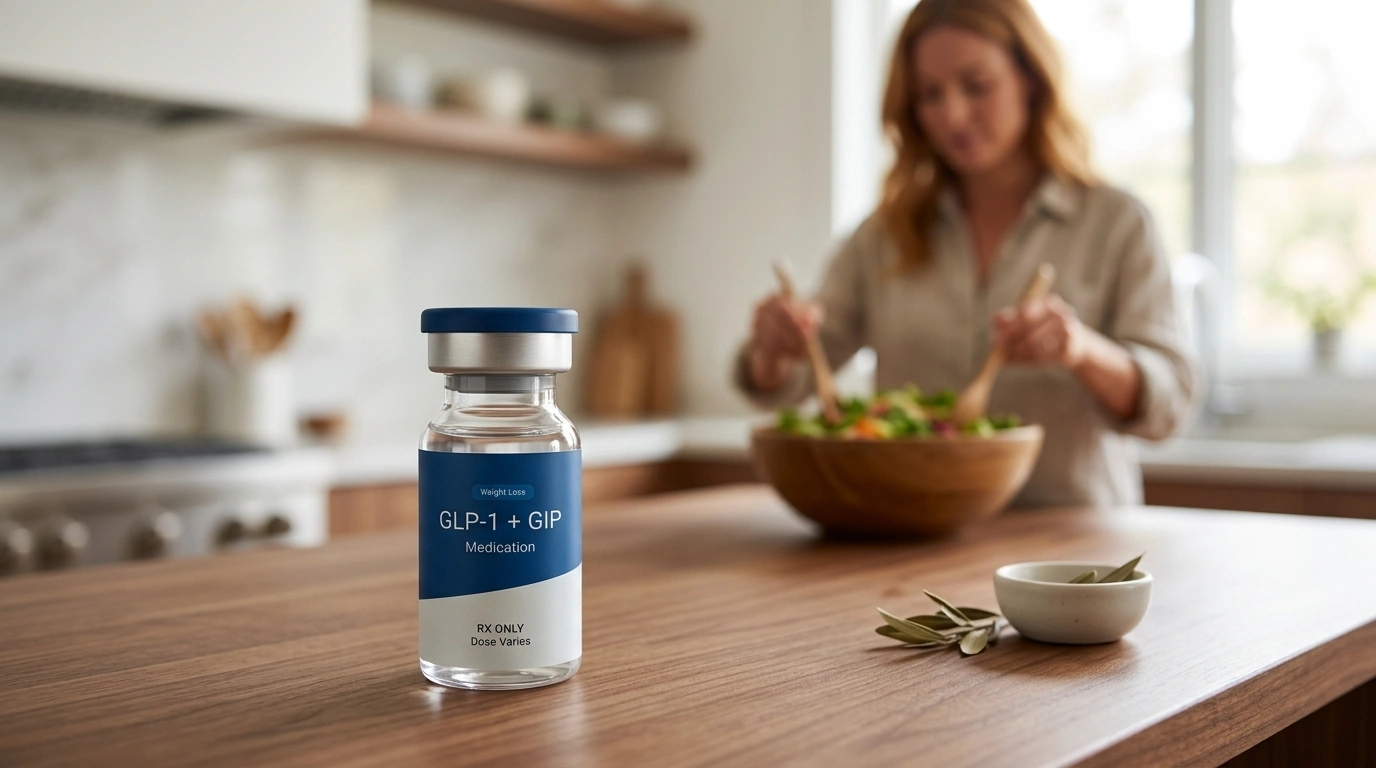
Table of Contents
- Introduction
- The Science Behind Reduced Hunger on Tirzepatide
- The Importance of Nutrient Density
- Practical Eating Strategies for Low Appetite
- Foods to Prioritize and Foods to Avoid
- Hydration and Electrolyte Balance
- Managing Side Effects Through Nutrition
- Personalizing Your Nutrition Plan
- Conclusion
- FAQ
Introduction
Sitting down to a meal only to find that even a few bites feel like a chore is a common experience for those starting their weight loss journey with tirzepatide. This medication, known by the brand name Mounjaro®, significantly alters how the body signals hunger and fullness. While the reduction in “food noise” is a welcome relief for many, it can also make it difficult to consume the essential nutrients your body needs to function optimally. At TrimRx, we believe that successful weight management is not just about eating less, but about eating better to support your metabolic health. If you are still figuring out whether a prescription program is the right fit, you can take the free assessment quiz to see what next step makes sense for you. This article covers the physiological reasons for your decreased appetite, the specific foods you should prioritize to maintain muscle and energy, and practical strategies for nourishing your body when you simply do not feel like eating.
The Science Behind Reduced Hunger on Tirzepatide
To understand what to eat, it is helpful to understand why your appetite has changed so dramatically. Mounjaro® is a dual-acting medication that targets two specific hormone receptors in the body: glucagon-like peptide-1 (GLP-1) and glucose-dependent insulinotropic polypeptide (GIP). These are receptor agonists, which means they mimic the natural hormones your body produces to regulate blood sugar and digestion. If you want a deeper explanation of the mechanism behind this shift, our guide on how GLP-1 actually works for weight loss is a helpful companion read.
The GLP-1 component works primarily by slowing down gastric emptying. This means that the food you eat stays in your stomach for a longer period, physically keeping you full for hours after a meal. At the same time, both GLP-1 and GIP act on the brain’s appetite control centers. They signal a sense of satiety, or fullness, and reduce the rewarding sensation often associated with eating. For an individual who has struggled with constant cravings, this shift can feel like a major relief, but it requires a new approach to daily nutrition.
Key Takeaway: Mounjaro® reduces hunger by slowing the rate at which your stomach empties and by signaling to your brain that you are satisfied, even with very small amounts of food.
The Importance of Nutrient Density
When your total food intake decreases, the quality of every bite becomes significantly more important. Since you can only eat a small volume of food, you must focus on nutrient-dense options—foods that provide a high amount of vitamins, minerals, and protein relative to their calorie count. Failing to eat enough can lead to fatigue, hair thinning, and, most importantly, the loss of lean muscle mass.
Prioritizing Protein for Muscle Maintenance
Protein is the most critical macronutrient to focus on when your appetite is low. When the body loses weight rapidly, it often pulls energy from both fat stores and muscle tissue. To protect your muscles—which are essential for maintaining a healthy metabolism—you must aim for a high protein intake.
Lean protein sources are generally easier to digest and less likely to cause the nausea sometimes associated with GLP-1 medications. Consider incorporating the following:
- Poultry: Chicken breast or turkey mince are versatile and lean.
- Fish: White fish like cod or tilapia, or omega-3 rich salmon.
- Dairy: Greek yogurt and cottage cheese are excellent because they require little preparation and provide high protein in small portions.
- Plant-based options: Tofu, tempeh, and edamame are great for those who prefer non-animal sources.
- Eggs: Whether boiled, poached, or scrambled, eggs are a complete protein and often well-tolerated.
Incorporating Essential Micronutrients
While protein is the priority, your body still requires a spectrum of vitamins and minerals to keep your immune system strong and your energy levels stable. Because bulky salads can be difficult to finish when you are not hungry, focus on “powerhouse” vegetables and fruits that offer a lot of nutrition in a small package.
Non-starchy vegetables like spinach, kale, and zucchini can be cooked down to a small volume, making them easier to consume. Berries, such as raspberries and blueberries, provide antioxidants and fiber without being overly filling. If you find it impossible to eat enough whole produce, we often suggest focusing on cooked vegetables rather than raw, as the cooking process breaks down fibers and makes them less taxing on the digestive system.
Practical Eating Strategies for Low Appetite
If the thought of a full meal is unappealing, you may need to change how you eat rather than just what you eat. Transitioning from three large meals to a “grazing” or “mini-meal” approach can help you meet your nutritional goals without feeling uncomfortably full.
The Power of Small, Frequent Meals
Breaking your daily intake into five or six small snacks can be much more manageable than trying to eat a standard dinner. For example, instead of a large chicken salad, you might have half a cup of Greek yogurt in the morning, a hard-boiled egg a few hours later, and a few ounces of grilled chicken in the afternoon.
Mechanical eating is a concept where you eat based on the clock rather than waiting for hunger cues. Because Mounjaro® can effectively “turn off” your hunger signals, waiting until you feel hungry might result in you not eating at all. Setting a gentle reminder to have a small, protein-rich snack every three to four hours ensures your body receives a steady stream of fuel. If you are still in the decision stage and want guided next steps, see if you qualify for a personalized program.
Liquid Nutrition and Smoothies
On days when solid food feels particularly difficult to swallow, liquid nutrition can be a lifesaver. Shakes and smoothies allow you to pack a significant amount of protein and vitamins into a format that is easy to sip over an hour or two.
When building a smoothie, start with a high-quality protein powder. Add a handful of spinach (which you won’t taste), a tablespoon of healthy fats like almond butter or avocado, and a small amount of fruit. This provides a balanced “meal in a glass” that bypasses the need for heavy chewing and helps you stay hydrated simultaneously.
Bottom line: When appetite is low, shift your focus to small, frequent, protein-rich snacks and utilize high-quality liquid nutrition to ensure you meet your daily requirements.
Foods to Prioritize and Foods to Avoid
Choosing the right foods can also help manage the common side effects of tirzepatide, such as mild nausea or changes in bowel habits. Some foods act as “triggers” that can make these symptoms worse, while others are gentle on the system.
Best Food Choices for Digestion
Easily digestible carbohydrates can be helpful if you are experiencing an upset stomach. Foods like white rice, toast, or crackers can provide a small energy boost without sitting heavily in the stomach. However, these should always be paired with a protein source to keep blood sugar stable.
Ginger and peppermint are natural aids for digestion. Many people find that sipping ginger tea or peppermint water throughout the day helps settle the stomach and makes the prospect of eating more palatable.
Foods That May Worsen Side Effects
Because Mounjaro® slows down your digestion, certain foods can become problematic. High-fat and fried foods take a long time to break down. When combined with the medication’s effect on the stomach, these foods can sit for too long, leading to significant bloating, acid reflux, or nausea.
Sugary processed snacks should also be limited. These can cause rapid shifts in blood sugar and often lack the fiber and protein needed for sustained satiety. Additionally, highly fibrous raw vegetables (like raw broccoli or cauliflower) can cause gas and discomfort for some individuals when their digestion is slowed. Cooking these vegetables thoroughly usually makes them much easier to tolerate. For more on managing GI side effects, our post on tirzepatide side effects and how to manage them may be useful.
Hydration and Electrolyte Balance
Staying hydrated is arguably as important as eating when you are on a weight loss program involving GLP-1 or GIP medications. Dehydration can often be mistaken for fatigue or even nausea. Furthermore, when you eat less, you are also consuming less water from food, making it easier to become dehydrated.
Electrolytes—including sodium, potassium, and magnesium—are vital. When you lose weight and reduce your intake of processed foods, your body may excrete more water and salt. Adding an electrolyte powder to your water once a day can help prevent the “brain fog” or headaches that sometimes accompany rapid weight loss. If you want another option built around nutritional support, GLP-1 Daily Support is designed for people looking to complement a reduced-calorie routine.
Note: Try to separate your fluid intake from your solid food intake. Drinking a large glass of water right before or during a meal can fill up your stomach, making it even harder to eat your required nutrients. Aim to sip water slowly between meals instead.
Managing Side Effects Through Nutrition
Nausea is one of the most frequently reported side effects when starting or increasing the dose of tirzepatide. Often, this nausea is actually a sign that the stomach is too empty or that a previous meal was too heavy.
- Eat bland foods: Follow the “BRAT” diet (Bananas, Rice, Applesauce, Toast) temporarily if nausea is severe, but reintroduce protein as soon as possible.
- Cold foods: Sometimes the smell of warm, aromatic food can trigger nausea. Cold items like chilled protein shakes, deli turkey, or cottage cheese may be better tolerated.
- Airflow and environment: Eating in a well-ventilated room without strong cooking odors can make a significant difference.
If side effects persist or become severe, it is crucial to consult with a healthcare professional. They can help determine if a dosage adjustment is necessary or if there are other underlying factors contributing to your discomfort. If constipation is part of what you are dealing with, our article on tirzepatide constipation solutions may be helpful.
Personalizing Your Nutrition Plan
Every individual’s body responds differently to medication. While one person may find they can still eat small portions of their favorite foods, another may experience a total aversion to certain textures or smells. This is why a personalized approach is so important.
At TrimRx, we focus on providing a platform where your progress is monitored by licensed providers who can offer guidance tailored to your specific health profile. We understand that weight loss is not a one-size-fits-all journey. Whether you are using a compounded medication or a branded option like Mounjaro®, your nutritional plan should reflect your unique needs, goals, and lifestyle.
For those who need an extra boost to ensure they are meeting their nutritional needs, we offer quick-access supplements like GLP-1 Daily Support. These products are designed to complement your program by providing essential nutrients that may be missing from a reduced-calorie diet. If your focus is more on energy and daily momentum, Weight Loss Boost is another option worth exploring.
Conclusion
Navigating your diet while on Mounjaro® requires a shift in mindset from “eating for volume” to “eating for value.” When you are not hungry, your primary goal is to protect your health by prioritizing high-quality protein, staying hydrated with electrolytes, and choosing nutrient-dense foods that are easy on your digestive system. Small, frequent meals and liquid nutrition can help you bridge the gap when solid food feels overwhelming. If you are ready to move from research to action, complete the free assessment quiz and take the next step toward a plan tailored to you.
- Prioritize protein to protect muscle mass.
- Eat small, frequent mini-meals throughout the day.
- Stay hydrated and use electrolytes to maintain energy.
- Avoid fried and high-sugar foods that can trigger nausea.
Sustainable weight loss is a marathon, not a sprint. By listening to your body and providing it with the essential fuel it needs—even in small amounts—you set the stage for long-term success. Our mission at TrimRx is to support you through every step of this process with clinical expertise and empathetic care.
FAQ
What should I do if I can’t eat anything at all on Mounjaro?
If you find it impossible to eat any solid food for more than a day, focus on sipping clear broths or protein shakes to prevent weakness. It is important to contact your healthcare provider if this persists, as they may need to adjust your dosage or evaluate your symptoms. If you want help deciding whether a program is appropriate before you start, you can take the free assessment quiz.
Is it okay to skip meals if I’m not hungry?
While it may be tempting to skip meals, consistently doing so can lead to muscle loss and nutrient deficiencies. Instead of skipping, try to have a very small, nutrient-dense snack, such as a piece of cheese or a few spoons of yogurt, to keep your metabolism supported. If you’re looking for added nutritional backup, GLP-1 Daily Support may be a fit alongside your routine.
Why do I feel nauseous when I think about food?
The medication increases your body’s sensitivity to fullness and can make certain food odors or textures less appealing. This “aversion” is often temporary and can be managed by sticking to bland, cold, or scent-free foods until the feeling passes. For a related read on digestive discomfort, see how to handle tirzepatide constipation.
Can I use protein shakes as meal replacements?
Protein shakes can be an excellent tool when your appetite is low, but they should ideally supplement a diet that includes whole foods when possible. Look for shakes that are low in added sugar and high in high-quality protein to get the most benefit. If your energy is also lagging, Weight Loss Boost is another supplement page to review.
Disclaimer: This content is for informational purposes only and does not constitute medical advice. It is not intended to diagnose, treat, cure, or prevent any disease or condition. Individual results may vary. Always consult a qualified healthcare professional before starting any weight loss program or medication.

Transforming Lives, One Step at a Time
Keep reading

Mounjaro Alternatives: What Else to Consider
If Mounjaro isn’t the right fit, the closest alternatives are other GLP-1 medications, chiefly semaglutide (Ozempic for diabetes, Wegovy for weight), along with a…

Mounjaro vs Zepbound: Same Drug, Two Brands
Like their semaglutide counterparts, Mounjaro and Zepbound are the same medication (tirzepatide) sold under two names for two purposes: Mounjaro is approved for type…

Retatrutide vs Mounjaro: Triple Agonist vs Dual Agonist
The core difference between retatrutide and Mounjaro comes down to how many hormone targets each hits: retatrutide activates three receptors, while Mounjaro (tirzepatide) activates…


