What to Eat on Ozempic: Complete Nutrition Guide for Best Results
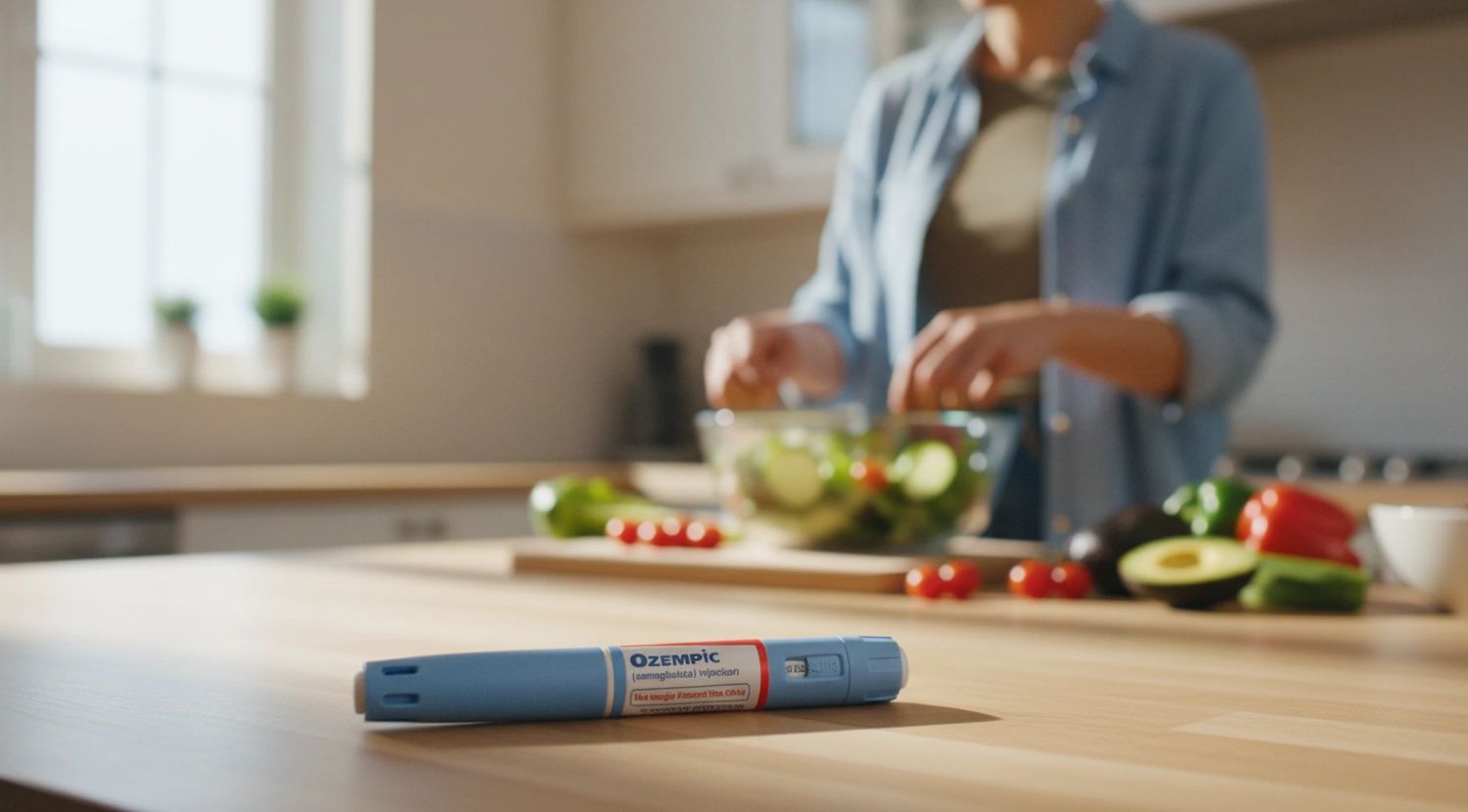
You started Ozempic a few weeks ago, and suddenly your relationship with food feels completely different. Your usual appetite has vanished, foods you once loved seem unappealing, and you’re struggling to figure out what to eat when you’re barely hungry. You know nutrition matters for weight loss success, but how do you eat well when you have almost no appetite?
Here’s what you need to know: Ozempic changes how your body signals hunger and fullness, making it crucial to eat strategically rather than relying on appetite alone. The best approach focuses on protein-rich foods at every meal, smaller portions eaten slowly, avoiding high-fat and high-sugar foods that worsen side effects, and prioritizing nutrient density over volume. What you eat on Ozempic directly affects both your weight loss results and how well you tolerate the medication.
This guide provides complete nutrition strategies for Ozempic users, covering the best foods for weight loss and side effect management, foods that commonly cause problems, meal timing and portion strategies, protein targets, hydration needs, and practical meal planning. By the end, you’ll have a clear framework for eating that maximizes results while minimizing discomfort.
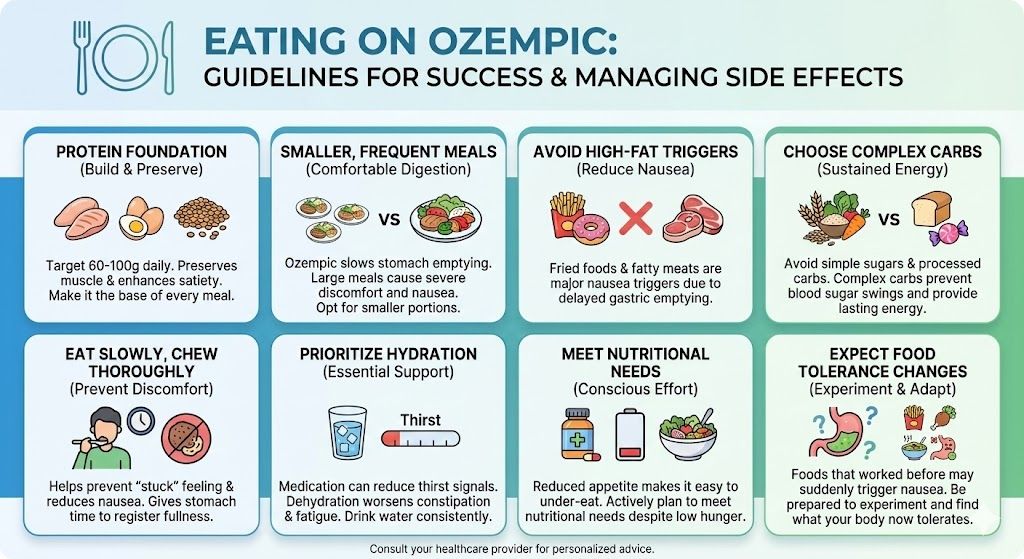
Key Takeaways: Eating on Ozempic
- Protein should be the foundation of every meal, targeting 60 to 100 grams daily to preserve muscle mass during weight loss and enhance satiety from the medication.
- Smaller, more frequent meals work better than large meals because Ozempic slows stomach emptying, and overeating causes severe discomfort and nausea.
- High-fat foods, especially fried foods and fatty meats, are the most common triggers for nausea and digestive discomfort on Ozempic due to delayed gastric emptying.
- Simple sugars and highly processed carbohydrates can cause blood sugar swings and don’t provide sustained energy, making complex carbohydrates a better choice.
- Eating slowly and chewing thoroughly helps prevent the uncomfortable “stuck” feeling and reduces nausea by giving your stomach time to register fullness.
- Hydration becomes more critical on Ozempic because the medication can reduce thirst signals, and dehydration worsens side effects like constipation and fatigue.
- The reduced appetite from Ozempic makes it easy to under-eat protein and essential nutrients, requiring conscious effort to meet nutritional needs despite low hunger.
- Foods that worked fine before Ozempic might suddenly trigger nausea or discomfort due to changes in gastric emptying, requiring experimentation to find what your body tolerates.
Understanding How Ozempic Changes Your Eating
Before diving into specific foods, it’s important to understand what’s happening in your body that makes eating feel so different on Ozempic.
Slowed Gastric Emptying
Semaglutide, the active ingredient in Ozempic, significantly slows how quickly food moves from your stomach into your small intestine. This delayed gastric emptying is one of the primary mechanisms for weight loss. Food staying in your stomach longer creates prolonged feelings of fullness and reduces overall appetite.
However, this slower emptying means your stomach holds food for extended periods. If you eat too much or eat foods that are already slow to digest (like high-fat meals), the food sits heavily in your stomach for hours. This creates that uncomfortable “too full” feeling that can last much longer than it would without the medication.
The delayed emptying also means timing matters more. Eating a large breakfast might leave you feeling too full to eat lunch, even though intellectually you know you should eat again.
Reduced Appetite Signals
Ozempic works on receptors in your brain that control appetite and food reward. It reduces the pleasurable response to food and decreases cravings. Many people describe food as less appealing or interesting than before starting treatment.
This reduced food reward is beneficial for weight loss, but it also means you might struggle to eat adequate nutrition. When nothing sounds good and you’re not experiencing hunger, it takes conscious effort to consume enough protein and nutrients to maintain health during weight loss.
The appetite suppression is typically strongest in the first few days after each injection, then gradually lessens as the week progresses. Some people find they can eat more normally toward the end of their weekly dosing cycle.
Changes in Food Preferences
Many people report that their food preferences change on Ozempic. Foods they previously enjoyed might suddenly seem unappealing or cause nausea. Rich, heavy, or fatty foods that were favorites before treatment often become intolerable.
Conversely, lighter foods like fruits, vegetables, and lean proteins often become more appealing. Your body seems to naturally gravitate toward foods that are easier to digest and less likely to cause discomfort.
These preference changes aren’t just psychological. The medication’s effects on digestion and appetite regulation genuinely alter how foods feel in your body, making some options more comfortable than others.
Blood Sugar Regulation
Semaglutide helps regulate blood sugar by increasing insulin secretion when glucose is present and suppressing glucagon (a hormone that raises blood sugar). This improved glucose control affects energy levels and how your body responds to different foods.
People with previously erratic blood sugar often notice more stable energy throughout the day on Ozempic. However, the medication’s effects on glucose regulation mean that eating patterns that cause blood sugar spikes and crashes (like high-sugar meals) become more noticeable and uncomfortable.
Protein: The Most Important Nutrient on Ozempic
Protein deserves special attention because adequate intake is crucial during weight loss, yet the appetite suppression from Ozempic makes reaching protein targets challenging.
Why Protein Matters During Weight Loss
When you lose weight, your body doesn’t selectively burn only fat. Without adequate protein intake and resistance exercise, you’ll lose muscle mass along with fat. This muscle loss slows your metabolism, reduces physical function, and can lead to a “skinny fat” appearance where you’ve lost weight but lack muscle definition.
Protein provides the amino acids your body needs to maintain and repair muscle tissue during caloric restriction. Adequate protein intake signals your body to preferentially burn fat stores for energy while preserving lean muscle mass.
Protein also enhances satiety. When combined with Ozempic’s appetite suppression, protein-rich meals create powerful, long-lasting fullness that helps prevent overeating and snacking.
Daily Protein Targets
Most people on Ozempic should aim for 60 to 100 grams of protein daily, depending on body size, activity level, and weight loss goals. A more precise target is approximately 0.7 to 1.0 grams of protein per pound of ideal body weight (or current weight if you’re already at or near goal weight).
For example, someone with an ideal body weight of 150 pounds should target 105 to 150 grams of protein daily. Someone smaller might target 60 to 80 grams, while someone larger might need 100 grams or more.
These targets are often higher than what people naturally eat when their appetite is suppressed, making protein prioritization essential.
Best Protein Sources
Lean proteins are generally better tolerated than fatty proteins on Ozempic. Good options include:
Chicken breast and turkey breast provide lean protein with minimal fat. They’re versatile and easy to digest. Grilled, baked, or slow-cooked preparations work better than fried.
Fish and seafood offer excellent protein with healthy fats. White fish like cod, tilapia, and halibut are especially well-tolerated. Salmon provides omega-3 fatty acids but can be too rich for some people early in treatment.
Eggs are an excellent protein source that most people tolerate well. Scrambled, hard-boiled, or prepared as an omelet with vegetables provides complete protein and nutrients.
Greek yogurt contains 15 to 20 grams of protein per cup and is generally well-tolerated. The thick, creamy texture feels satisfying, and the probiotics may help with digestive issues. Choose plain varieties and add your own fruit to avoid added sugars.
Cottage cheese provides similar benefits to Greek yogurt with slightly different texture. Mix with fruit or use as a base for savory preparations.
Protein shakes and powders can help reach protein goals when solid food is unappealing. Whey, casein, or plant-based proteins work well. Mix with water, unsweetened almond milk, or low-fat milk. Avoid heavy, high-calorie shakes with added sugars and fats.
Legumes like beans, lentils, and chickpeas provide protein along with fiber. They’re filling and nutritious, though some people find them gas-producing. Start with small portions to assess tolerance.
Tofu and tempeh offer plant-based protein options that many people tolerate well. Their mild flavor and soft texture make them easy to eat when appetite is low.
Lean cuts of beef and pork can work in moderation. Choose cuts like sirloin, tenderloin, or pork loin rather than fattier options like ribeye or pork belly. Smaller portions (3 to 4 ounces) digest more comfortably than large steaks.
Protein Distribution Throughout the Day
Rather than trying to eat all your protein in one or two meals, distribute it across the day. Aim for 20 to 30 grams at each meal, which optimizes muscle protein synthesis and makes reaching your total daily target more manageable.
A distribution might look like:
- Breakfast: 25 grams (Greek yogurt with protein powder)
- Lunch: 30 grams (chicken breast with vegetables)
- Dinner: 30 grams (fish with quinoa and vegetables)
- Snack: 15 grams (hard-boiled eggs or protein shake)
This approach prevents the need to eat large portions at any single meal, which is important when gastric emptying is delayed.
When Protein Is Difficult
If solid protein foods are unappealing or difficult to eat, rely more heavily on liquid protein sources like shakes or smoothies. Protein beverages typically digest more easily than solid foods and can help you reach targets when appetite is very low.
Some people find that protein is easier to consume earlier in the day, particularly in the first few days after their weekly injection when appetite suppression is strongest. If this applies to you, front-load your protein intake at breakfast and lunch.
Foods That Work Well on Ozempic
Certain foods are generally well-tolerated and support both weight loss and side effect management.
Lean Proteins
As discussed above, lean proteins should form the foundation of your eating. Chicken, turkey, fish, eggs, and Greek yogurt are the most consistently well-tolerated options.
Prepare proteins with minimal added fat. Grilling, baking, steaming, or slow-cooking work better than frying or using heavy sauces. Simple seasonings like herbs, spices, lemon, and vinegar add flavor without fat.
Non-Starchy Vegetables
Vegetables provide essential nutrients, fiber, and volume with minimal calories. Most people tolerate vegetables well on Ozempic, making them an ideal way to fill your plate without triggering discomfort.
Leafy greens like spinach, kale, lettuce, and arugula are nutrient-dense and easy to digest. Use them raw in salads or lightly cooked in dishes.
Cruciferous vegetables like broccoli, cauliflower, and Brussels sprouts provide excellent nutrition, though some people find them gas-producing. Start with smaller portions and note your tolerance.
Other well-tolerated vegetables include zucchini, bell peppers, tomatoes, cucumbers, green beans, asparagus, mushrooms, and carrots. Roasted, steamed, or sautéed with minimal oil, these vegetables add variety and nutrition.
Complex Carbohydrates in Moderation
While Ozempic works primarily through appetite suppression rather than carbohydrate restriction, choosing quality carbohydrate sources supports stable energy and better nutrition.
Quinoa provides complete protein along with complex carbohydrates and fiber. Its light texture and mild flavor make it easy to eat when appetite is reduced.
Sweet potatoes offer complex carbs with fiber, vitamins, and minerals. They’re naturally sweet without added sugars and provide sustained energy. A small to medium sweet potato (4 to 6 ounces) is typically a good portion.
Oatmeal provides fiber and complex carbs that digest slowly. Steel-cut or rolled oats work better than instant varieties with added sugars. Top with berries and a small amount of nuts for balanced nutrition.
Brown rice, wild rice, and whole grain pasta in moderate portions (1/2 to 3/4 cup cooked) provide energy without the blood sugar spike of refined grains.
Whole grain bread in small amounts (1 to 2 slices) can work well, especially for breakfast. Choose varieties with minimal added sugar and at least 3 grams of fiber per slice.
Fresh Fruits
Fruits provide natural sweetness, fiber, and nutrients. Most people tolerate fruits well on Ozempic, though very large portions of high-sugar fruits might cause discomfort.
Berries including strawberries, blueberries, raspberries, and blackberries are low in sugar relative to their fiber content. They add natural sweetness without blood sugar spikes.
Apples and pears provide fiber and satisfy sweet cravings. Eat with the skin on for maximum fiber benefit.
Citrus fruits like oranges, grapefruit, and clementines are refreshing and typically well-tolerated. The high water content aids hydration.
Melons including watermelon, cantaloupe, and honeydew have high water content and mild sweetness. They’re light and refreshing, especially in warm weather.
Bananas provide quick energy and potassium. They’re easy to eat when appetite is low and pair well with protein sources like nut butter or Greek yogurt.
Healthy Fats in Small Amounts
While high-fat foods often trigger nausea, small amounts of healthy fats are important for nutrient absorption, hormone production, and satiety.
Avocado provides monounsaturated fats along with fiber. A quarter to half of an avocado is typically well-tolerated as part of a meal.
Nuts and seeds offer healthy fats and protein. Small portions (1 to 2 tablespoons) work better than large handfuls. Almonds, walnuts, chia seeds, and ground flaxseed are good choices.
Olive oil in small amounts for cooking or dressing salads provides healthy fats. Use 1 to 2 teaspoons rather than pouring liberally.
Nut butters like almond butter or peanut butter in small amounts (1 tablespoon) can be paired with fruit or whole grain toast for balanced nutrition.
Soups and Broths
Broth-based soups are often very well-tolerated on Ozempic. The liquid form is easy to digest, and the warmth can be soothing. Vegetable soup, chicken noodle soup, or miso soup provide nutrition without heaviness.
Avoid cream-based soups, which are high in fat and more likely to cause discomfort.
Foods to Avoid or Limit on Ozempic
Certain foods commonly trigger side effects or interfere with weight loss goals. While individual tolerance varies, these foods cause problems for most people.
High-Fat Foods
Fatty foods are the most common triggers for nausea and digestive discomfort on Ozempic. Because gastric emptying is already delayed, adding high-fat foods that naturally digest slowly creates a compounding effect.
Fried foods including French fries, fried chicken, onion rings, and tempura are among the worst offenders. The combination of fat and breading sits heavily in the stomach for hours.
Fatty meats like ribeye steak, pork belly, bacon, and lamb chops are difficult to digest and often trigger nausea. If you eat red meat, choose lean cuts and smaller portions.
Heavy cream sauces, cheese sauces, and butter-based preparations add unnecessary fat. Cream-based pasta dishes, cheese-heavy casseroles, and butter-laden preparations commonly cause problems.
Full-fat dairy including whole milk, heavy cream, ice cream, and full-fat cheese can be too rich. Lower-fat alternatives like skim milk, low-fat cheese, and Greek yogurt are better tolerated.
Fast food and restaurant meals often contain hidden fats from cooking methods and sauces. Even “healthy-sounding” restaurant options frequently have more fat than homemade versions.
Simple Sugars and Refined Carbohydrates
While these don’t necessarily cause nausea, they provide empty calories without satiety and can cause blood sugar fluctuations.
Candy, cookies, cakes, and pastries offer little nutritional value and contribute to caloric intake without supporting your goals. The sugar can cause energy crashes that make you feel worse.
Sugary beverages including soda, sweetened coffee drinks, fruit juice, and energy drinks add significant calories without providing satiety. They’re a common hidden source of weight loss sabotage.
White bread, white rice, and regular pasta cause faster blood sugar spikes than whole grain alternatives. They also provide less fiber and nutrients.
Sweetened breakfast cereals with added sugars start your day with blood sugar spikes and crashes. Choose unsweetened options or higher-protein alternatives.
Alcohol
Alcohol poses several problems on Ozempic. It provides empty calories, lowers inhibitions around food choices, can worsen nausea and digestive issues, and may interact with blood sugar regulation.
Many people report lower alcohol tolerance on Ozempic, feeling intoxicated more quickly or experiencing worse hangovers. Our guide to alcohol and Ozempic covers this topic comprehensively.
If you choose to drink, do so in strict moderation and never on an empty stomach.
Spicy Foods
While not problematic for everyone, very spicy foods can aggravate nausea and stomach discomfort. Spices stimulate gastric acid production, which combined with delayed emptying can create heartburn and indigestion.
If you enjoy spicy food and tolerate it well, there’s no need to eliminate it completely. However, if you’re experiencing nausea or stomach issues, temporarily reducing spice levels might help.
Carbonated Beverages
Carbonated drinks, even calorie-free options like sparkling water or diet soda, can cause bloating and discomfort when your stomach is emptying slowly. The gas from carbonation has nowhere to go and can create pressure and fullness.
Some people tolerate carbonation fine, while others find it uncomfortable. Pay attention to how your body responds.
Foods High in Fiber in Large Amounts
Fiber is important for digestive health and preventing constipation, but very large amounts of fiber combined with slow gastric emptying can cause bloating and discomfort.
The key is moderate fiber intake spread throughout the day rather than a huge fiber load in one meal. Gradually increase fiber as you adjust to the medication rather than jumping immediately to very high intake.
Meal Timing and Portion Strategies
How you eat matters as much as what you eat when managing Ozempic’s effects.
Smaller, More Frequent Meals
Most people do better with smaller meals eaten more frequently rather than the traditional three large meals. This approach accommodates delayed gastric emptying by never overloading your stomach.
Consider eating 4 to 6 small meals throughout the day, each containing 200 to 400 calories. This might look like:
- Breakfast: Greek yogurt with berries (250 calories)
- Mid-morning snack: Hard-boiled eggs (150 calories)
- Lunch: Chicken and vegetable salad (350 calories)
- Afternoon snack: Apple with almond butter (200 calories)
- Dinner: Fish with quinoa and vegetables (400 calories)
- Evening snack if needed: Protein shake (150 calories)
This structure keeps you meeting nutritional needs without creating the overwhelming fullness that comes from larger meals.
Eating Slowly and Mindfully
Take at least 20 to 30 minutes to eat each meal. Put your fork down between bites. Chew thoroughly before swallowing. These habits give your stomach time to register fullness before you’ve eaten too much.
Many people find they’re suddenly full after just a few bites on Ozempic. If you eat quickly, you might consume too much before your body signals that you’re full, leading to uncomfortable overfullness.
Stop eating when you feel satisfied, not full. On Ozempic, the difference between satisfied and overfull can be just a few bites, and overeating causes severe discomfort that lasts for hours.
Front-Loading Nutrition
Appetite is typically lowest in the first few days after your weekly injection. Many people find it easier to eat earlier in the day, with appetite dropping significantly by evening.
If this pattern applies to you, prioritize protein and nutrient-dense foods at breakfast and lunch. Lighter options like soup or a salad might be all you can manage at dinner, and that’s okay as long as you’ve met most of your nutritional needs earlier.
Avoiding Late Evening Eating
Because gastric emptying is delayed, eating large meals close to bedtime can cause discomfort, acid reflux, and sleep disruption. The food sits in your stomach throughout the night instead of digesting.
Try to finish your last substantial meal at least 3 hours before bed. If you need an evening snack, keep it light and protein-focused, like a small protein shake or a hard-boiled egg.
Listening to Your Body
Your appetite will fluctuate throughout the week as medication levels change. Some days you might feel genuinely hungry and able to eat more normal portions. Other days you might struggle to eat at all.
Don’t force yourself to eat large amounts when you’re not hungry, but do make sure you’re meeting minimum protein and calorie targets even on low-appetite days. Using calorie tracking apps can help ensure you’re not chronically under-eating, which slows metabolism and causes muscle loss.
Managing Side Effects Through Diet
Dietary choices significantly impact how well you tolerate Ozempic and whether you experience common side effects.
Reducing Nausea
Nausea is the most common side effect, especially when starting treatment or increasing doses. Diet modifications can substantially reduce nausea:
Avoid fatty foods completely when nausea is present. Fat is the primary dietary trigger for nausea on Ozempic.
Eat bland, simple foods when nausea is severe. Toast, crackers, plain rice, bananas, and applesauce (the BRAT diet) can settle your stomach.
Ginger has natural anti-nausea properties. Ginger tea, ginger candies, or fresh ginger in foods may help. Some people find ginger ale (preferably with real ginger) soothing, though the sugar isn’t ideal.
Cold foods are often better tolerated than hot foods when nausea is present. Cold protein shakes, chilled fruit, or Greek yogurt straight from the refrigerator might be easier to eat.
Small, frequent sips of clear liquids help prevent dehydration without triggering nausea. Water, herbal tea, or clear broth work well.
Avoid strong smells. Foods with powerful odors can trigger nausea. Opt for mild-flavored, lightly-seasoned options when you’re feeling queasy.
Preventing Constipation
Constipation is common on Ozempic due to slowed gastrointestinal motility. Dietary strategies help:
Increase fiber gradually. Aim for 25 to 30 grams daily from vegetables, fruits, whole grains, and legumes. Add fiber slowly to prevent bloating.
Drink plenty of water. Dehydration makes constipation worse. Aim for at least 64 ounces (8 cups) of water daily, more if you’re active or in hot weather.
Prunes and prune juice have natural laxative effects. A few prunes daily or 4 to 6 ounces of prune juice can help maintain regularity.
Warm liquids in the morning, like warm water with lemon or hot tea, can stimulate bowel movements.
Healthy fats in moderation help lubricate the digestive system. A tablespoon of olive oil or a quarter avocado can help.
Magnesium-rich foods like leafy greens, nuts, seeds, and whole grains support digestive motility.
Managing Fatigue
Some people experience fatigue on semaglutide. Diet can impact energy levels:
Ensure adequate calorie intake. Chronic under-eating causes fatigue. Track your intake to verify you’re eating enough to support your activity level.
Balance macronutrients. Each meal should include protein, complex carbohydrates, and a small amount of healthy fat for sustained energy.
Avoid blood sugar swings by limiting simple sugars and eating regular meals. Erratic eating patterns and high-sugar foods cause energy crashes.
Stay hydrated. Dehydration is a common but overlooked cause of fatigue.
Consider B vitamins. If you’re eating less overall, you might benefit from a B-complex supplement to support energy metabolism.
Preventing “Ozempic Face”
Rapid weight loss can cause facial volume loss, sometimes called “Ozempic face.” While this is primarily about weight loss rate rather than specific foods, adequate protein intake helps preserve lean tissue throughout your body, including facial structures.
Slower, steadier weight loss (1 to 2 pounds per week) through appropriate calorie intake rather than extreme restriction may reduce dramatic facial changes.
Hydration on Ozempic
Water intake deserves special attention because Ozempic can affect thirst signals while increasing hydration needs.
Why Hydration Is Critical
The medication’s effects on appetite extend to thirst for many people. You might not feel as thirsty as you should, leading to chronic mild dehydration.
Adequate hydration helps prevent constipation, supports kidney function as your body metabolizes fat, helps regulate body temperature, maintains energy levels, and reduces some side effects like headaches and fatigue.
Dehydration also concentrates urine, potentially contributing to kidney stones in susceptible individuals. Adequate fluid intake dilutes urine and reduces this risk.
Daily Water Targets
Aim for at least 64 ounces (8 cups) of water daily as a baseline. Many people benefit from more, particularly:
- If you’re larger or more active
- In hot weather or climates
- If you’re experiencing constipation
- If you exercise regularly
A practical guideline is to drink enough that your urine is pale yellow. Dark yellow or amber-colored urine suggests dehydration.
Strategies for Adequate Hydration
Keep water with you constantly. A reusable water bottle that you refill throughout the day makes it easier to track and maintain intake.
Set reminders to drink. Phone alarms or apps can prompt you to drink water regularly, especially helpful when thirst signals are reduced.
Flavor water if plain water is unappealing. Add lemon, lime, cucumber, berries, or herbs like mint for variety without adding calories or sugar.
Drink water with medications. Taking your other medications with a full glass of water helps with both hydration and medication absorption.
Start and end your day with water. Drink a glass first thing in the morning and before bed as part of your routine.
Eat water-rich foods. Cucumbers, celery, watermelon, lettuce, and broth-based soups contribute to hydration.
Beverages to Limit
Coffee and tea are fine in moderation but have mild diuretic effects. If you drink several cups daily, make sure you’re also drinking plain water.
Avoid excessive diet soda or artificially sweetened beverages. While they don’t add calories, they don’t provide the pure hydration benefits of water, and artificial sweeteners may affect gut bacteria and food preferences.
Limit fruit juices, which add significant calories and sugar without providing fiber or satiety.
Sample Meal Plans
Practical examples help translate principles into real meals.
Sample Day 1: Higher Protein Focus
Breakfast (7:00 AM):
- 3-egg omelet with spinach and mushrooms
- 1 slice whole grain toast
- 1/2 cup berries Approximately 400 calories, 30g protein
Mid-Morning Snack (10:00 AM):
- Greek yogurt (6 oz) with 1 tablespoon chia seeds Approximately 150 calories, 18g protein
Lunch (1:00 PM):
- Grilled chicken breast (4 oz) over mixed greens
- Cherry tomatoes, cucumber, bell peppers
- Olive oil and vinegar dressing (1 tablespoon)
- Small apple Approximately 350 calories, 35g protein
Afternoon Snack (4:00 PM):
- Hard-boiled eggs (2)
- Baby carrots Approximately 150 calories, 12g protein
Dinner (7:00 PM):
- Baked salmon (4 oz)
- Roasted Brussels sprouts (1 cup)
- Quinoa (1/2 cup cooked) Approximately 450 calories, 35g protein
Total: Approximately 1,500 calories, 130g protein
Sample Day 2: Easier to Digest Focus
Breakfast (7:00 AM):
- Oatmeal (1/2 cup dry) made with almond milk
- Protein powder (1 scoop) mixed in
- Sliced banana
- 1 tablespoon almond butter Approximately 400 calories, 30g protein
Mid-Morning Snack (10:00 AM):
- Cottage cheese (1/2 cup) with strawberries Approximately 120 calories, 14g protein
Lunch (1:00 PM):
- Turkey breast (3 oz) in lettuce wraps
- Avocado (1/4)
- Tomato and cucumber slices
- Small orange Approximately 300 calories, 25g protein
Afternoon Snack (4:00 PM):
- Protein shake with unsweetened almond milk
- 1/2 cup blueberries blended in Approximately 200 calories, 25g protein
Dinner (7:00 PM):
- Chicken vegetable soup (broth-based, 2 cups)
- Side salad with light dressing
- Whole grain roll (small) Approximately 350 calories, 28g protein
Total: Approximately 1,370 calories, 122g protein
Sample Day 3: Plant-Based Focus
Breakfast (7:00 AM):
- Tofu scramble (6 oz firm tofu) with vegetables
- 1 slice whole grain toast
- 1/2 grapefruit Approximately 350 calories, 22g protein
Mid-Morning Snack (10:00 AM):
- Almond milk smoothie with protein powder and berries Approximately 200 calories, 25g protein
Lunch (1:00 PM):
- Lentil soup (1.5 cups)
- Mixed green salad with chickpeas
- Olive oil dressing (1 teaspoon) Approximately 400 calories, 20g protein
Afternoon Snack (4:00 PM):
- Edamame (1 cup)
- Cherry tomatoes Approximately 150 calories, 12g protein
Dinner (7:00 PM):
- Stir-fried tempeh (5 oz) with vegetables
- Brown rice (1/2 cup cooked)
- Steamed broccoli Approximately 450 calories, 30g protein
Total: Approximately 1,550 calories, 109g protein
Common Dietary Mistakes on Ozempic
Avoiding these pitfalls improves results and reduces side effects.
Not Eating Enough Protein
This is the most common and problematic mistake. When appetite is suppressed, protein intake often drops significantly. People eat small amounts and focus on whatever is easy or appealing, which often isn’t protein-rich.
Make protein non-negotiable at every meal. Track your intake for a few days to verify you’re meeting targets. Use protein supplements if needed to bridge gaps.
Eating Too Little Overall
While eating less is the goal for weight loss, eating too little (below 1,000 to 1,200 calories daily for most people) slows metabolism, causes muscle loss, triggers fatigue, and makes the diet unsustainable.
Very low calorie intake also makes it nearly impossible to meet protein and micronutrient needs. You’ll lose weight faster initially, but you’ll lose more muscle, feel worse, and be more likely to regain weight later.
Overeating Despite Low Appetite
Interestingly, some people continue to overeat even when not hungry, eating out of habit, boredom, or emotional triggers rather than physical hunger. Ozempic reduces appetite but doesn’t eliminate all psychological or habitual eating patterns.
Pay attention to why you’re eating. Are you physically hungry, or eating for other reasons? The medication provides a window to address emotional eating patterns that might have previously been overshadowed by strong physical hunger.
Relying on Processed Diet Foods
Low-calorie processed foods like diet frozen meals, protein bars with long ingredient lists, and “diet” snacks often contain artificial ingredients, excessive sodium, and minimal real nutrition.
Focus on whole foods as much as possible. A piece of grilled chicken with vegetables beats a diet frozen meal nutritionally, even if calories are similar.
Drinking Calories
Beverages don’t trigger satiety signals the same way solid foods do. Sweetened coffee drinks, smoothies with juice and added sugars, protein shakes with 400+ calories, and even excessive milk consumption add calories without providing the same fullness.
Stick primarily to water, unsweetened tea, and black coffee. When using protein shakes, keep them simple: protein powder, water or unsweetened almond milk, and perhaps berries. Avoid 600-calorie smoothie concoctions.
Not Adjusting as Weight Decreases
As you lose weight, your calorie needs decrease. What creates a calorie deficit at 250 pounds won’t create the same deficit at 180 pounds. People sometimes plateau because they haven’t adjusted their intake downward as their body size has changed.
Periodically recalculate your calorie and protein needs based on your current weight. Your weight loss results should remain steady with appropriate adjustments.
Ignoring Portion Sizes
Healthy foods still contain calories. Nuts, avocados, olive oil, and nut butters are nutritious but calorie-dense. Eating them freely without portion awareness can stall weight loss.
Measure or weigh portions of calorie-dense foods rather than estimating. A tablespoon of nut butter looks smaller than you might think, and it’s easy to eat 3 to 4 tablespoons while thinking it’s only one.
Eating Out on Ozempic
Restaurant meals require strategy to maintain your dietary approach.
General Restaurant Strategies
Review menus online before going to restaurants. Identify options that fit your needs so you’re not making rushed decisions while hungry.
Request modifications without hesitation. Ask for grilled instead of fried, dressing on the side, extra vegetables instead of fries, and smaller portions.
Split entrees or immediately box up half for later. Restaurant portions are typically much larger than what’s comfortable to eat on Ozempic.
Skip the bread basket and appetizers unless they’re vegetable-based. These add unnecessary calories and fill you up before the meal arrives.
Choose lean protein options and ask about preparation methods. Grilled, baked, or steamed preparations are better than fried, sautéed in butter, or covered in cream sauces.
Order water to drink. Restaurant beverages, even unsweetened iced tea, often contain more calories or sugar than you’d expect.
Specific Restaurant Types
At Italian restaurants, choose grilled fish or chicken over heavy pasta dishes. If you want pasta, order a small appetizer portion rather than an entree. Ask for marinara or wine-based sauces instead of cream sauces.
At Mexican restaurants, avoid the chips and cheese dip. Order fajitas with grilled protein, which come with vegetables and allow you to control portions. Skip the flour tortillas or eat just one. Ask for extra lettuce and use it as a wrap.
At Asian restaurants, choose steamed or stir-fried dishes with lots of vegetables and lean protein. Request brown rice instead of white rice, and eat only a small portion. Watch for hidden sugars in sauces like teriyaki and sweet and sour. Request sauce on the side.
At steakhouses, order the smallest cut of the leanest steak option (filet mignon or sirloin). Have steamed or roasted vegetables as sides instead of creamed spinach or loaded baked potatoes.
At breakfast restaurants, order egg-based dishes with vegetables and a side of fruit. Avoid pastries, pancakes, and French toast. If you want toast, eat one piece instead of a stack.
Supplements to Consider
While food should be your primary nutrition source, some supplements might be helpful when appetite is significantly reduced.
Multivitamin
A basic multivitamin provides insurance against micronutrient deficiencies when eating less overall. Choose a standard multivitamin rather than megadoses of individual nutrients.
Protein Powder
Protein supplements help you reach daily protein targets when solid food is unappealing. Whey, casein, or plant-based proteins all work. Choose options with minimal added sugars and ingredients.
Fiber Supplement
If you’re struggling to get adequate fiber from food, a fiber supplement like psyllium husk can help prevent constipation. Start with small doses and increase gradually to prevent bloating.
Vitamin D
Many people are deficient in vitamin D regardless of medication use. Since vitamin D supports multiple body functions including mood, immune health, and bone density, supplementation often makes sense, especially if you’re not getting regular sun exposure.
B Vitamins
B vitamins support energy metabolism. A B-complex supplement might help with energy levels if you’re eating significantly less food and therefore getting fewer B vitamins from your diet.
Omega-3 Fatty Acids
Fish oil or algae-based omega-3 supplements provide anti-inflammatory benefits and support heart and brain health. This is particularly useful if you’re not eating fatty fish regularly.
Consult Before Supplementing
Discuss supplements with your healthcare provider before starting them. Some supplements interact with medications or health conditions. Your provider can also order blood tests to identify specific deficiencies rather than supplementing blindly.
Frequently Asked Questions
Can I follow a low-carb or keto diet on Ozempic?
Yes, you can combine Ozempic with a low-carb or ketogenic diet if that approach appeals to you. Some people find that lower carbohydrate intake paired with Ozempic’s appetite suppression creates very effective weight loss. However, ensure you’re still eating adequate protein and total calories. The main consideration is that very low carb diets can cause initial side effects like fatigue and headaches that might compound with Ozempic’s side effects. Many people find a moderate carbohydrate approach (100 to 150 grams daily from quality sources) works well without being overly restrictive. Focus on whole food sources regardless of your carbohydrate level, and prioritize protein intake above all else.
How many calories should I eat on Ozempic?
Calorie needs vary based on your starting weight, goal weight, activity level, and metabolic rate. Most people do well with 1,200 to 1,800 calories daily while on Ozempic. Eating less than 1,000 to 1,200 calories is generally not recommended as it makes meeting protein and nutrient needs very difficult and can slow metabolism. Rather than focusing solely on a calorie number, prioritize adequate protein (60 to 100+ grams daily), eat when you’re hungry, stop when satisfied, and track your results. If you’re losing weight too quickly (more than 2 pounds per week consistently), you might need to eat slightly more. If weight loss stalls for several weeks, you might need to eat slightly less or increase activity.
Why does everything I eat make me nauseous on Ozempic?
Widespread nausea affecting most foods usually occurs in the first few weeks of starting Ozempic or after dose increases. This typically improves as your body adjusts to the medication. In the meantime, focus on bland, easily digestible foods like toast, crackers, rice, bananas, and clear broths. Avoid fatty foods entirely when nausea is severe. Eat smaller portions more frequently rather than regular-sized meals. Cold foods like smoothies or Greek yogurt are often better tolerated than hot meals. If nausea is severe or persistent beyond the first few weeks, contact your healthcare provider. They might recommend slowing dose increases or prescribing anti-nausea medication. Our guide to managing Ozempic nausea provides comprehensive strategies.
Can I eat dessert and sweets occasionally on Ozempic?
Yes, occasional treats fit into a balanced approach to eating on Ozempic. The medication isn’t a strict diet that forbids specific foods. However, you’ll likely find that your desire for sweets decreases naturally on the medication, and rich desserts might not be as appealing as they once were. When you do choose dessert, small portions satisfy better than they did before treatment. A few bites of cake or a small cookie often feels like enough. Avoid making desserts a daily habit, as they provide empty calories without nutrition. Save sweets for special occasions and focus on nutrient-dense foods for your regular meals. Many people also find that their taste preferences shift toward less sweet options naturally while on the medication.
Should I take vitamins while on Ozempic?
Taking a basic multivitamin is a reasonable precaution when eating less food overall, as reduced food intake makes it harder to meet all micronutrient needs through diet alone. A standard multivitamin provides insurance against deficiencies without excessive doses of any nutrient. Beyond a multivitamin, consider vitamin D if you’re not getting regular sun exposure, and B vitamins if you’re experiencing fatigue. Protein powder can help you meet protein goals when solid food is difficult. Before taking other supplements, consult your healthcare provider, who can order blood tests to identify any specific deficiencies rather than supplementing unnecessarily. Focus primarily on getting nutrients from whole foods, using supplements to fill gaps rather than as replacements for good nutrition.
How do I eat enough protein when I’m never hungry?
Meeting protein goals with minimal appetite requires strategic planning. Prioritize protein at every eating opportunity, eating protein first before filling up on other foods. Use protein-rich snacks like Greek yogurt, hard-boiled eggs, or cheese sticks between meals. Protein shakes and smoothies are often easier to consume than solid protein when appetite is very low. Consider eating more protein earlier in the day when appetite might be slightly stronger, especially in the days following your injection. Track your protein intake using an app to verify you’re hitting targets, as it’s easy to overestimate protein consumption. If solid food is particularly difficult, rely more heavily on liquid protein sources temporarily. Make protein non-negotiable, treating it like medication that you take regardless of appetite.
Can I do intermittent fasting with Ozempic?
Some people successfully combine Ozempic with intermittent fasting, though it’s not necessary for weight loss since the medication already reduces appetite and food intake significantly. If you choose to try intermittent fasting, ensure you’re still meeting protein and calorie targets within your eating window. The risk of combining Ozempic with aggressive fasting is under-eating to the point of losing muscle mass and slowing metabolism. Many people find that Ozempic naturally creates a form of intuitive eating where you eat when genuinely hungry and don’t eat when you’re not, which accomplishes similar goals to structured fasting. If intermittent fasting appeals to you, a moderate approach like a 12 to 14 hour overnight fast (finishing dinner by 7 PM and eating breakfast at 9 AM) is reasonable. Avoid extreme fasting protocols while using appetite-suppressing medication.
What should I eat on injection day when my appetite is lowest?
Appetite is typically most suppressed in the first 1 to 3 days after your weekly injection. During this time, focus on easily digestible, protein-rich foods even if you need to eat very small amounts. Protein shakes, Greek yogurt, eggs, and clear protein broths are usually well-tolerated. If solid food is completely unappealing, rely on liquid nutrition temporarily to ensure you’re getting adequate protein and calories. Don’t skip eating entirely just because you’re not hungry, as this promotes muscle loss and metabolic slowdown. Eat small amounts every 2 to 3 hours, focusing on protein and nutrient density. Your appetite typically increases slightly as the week progresses, making it easier to eat more normally by days 4 to 7 of your dosing cycle.
Why am I not losing weight even though I’m eating less?
If you’re not losing weight despite reduced food intake, several factors might be involved. First, verify you’re actually eating in a calorie deficit by tracking intake for several days. Many people underestimate portions or don’t account for beverages, condiments, and snacking. Second, ensure you’re eating enough. Paradoxically, eating too little (below 1,000 calories) can slow metabolism and stall weight loss. Third, consider whether you’re losing fat but retaining water, which can mask fat loss on the scale. Fourth, if you’ve been losing weight for several months, your calorie needs have decreased with your body size and need to be recalculated. Finally, weight loss isn’t always linear. Plateaus lasting 2 to 3 weeks are normal and usually break on their own. If your weight hasn’t changed in a month despite following your plan, consult your healthcare provider to evaluate your dosage or other factors.
Should my diet change as I increase my Ozempic dose?
The fundamental principles of eating on Ozempic remain the same regardless of dose, but your appetite will likely decrease further with dose increases. This means you’ll need to be even more conscious about meeting protein and calorie minimums since your natural hunger won’t guide you adequately. Some people who tolerated a wider variety of foods at lower doses find they need to focus on gentler, more easily digestible options at higher doses. Side effects like nausea often intensify temporarily after dose increases, requiring temporarily sticking to blander foods until your body adjusts. The week following a dose increase is typically when appetite is most suppressed and side effects are strongest. Be patient with yourself, focus on protein, and know that tolerance usually improves within 2 to 3 weeks at each new dose level.
Eating for Success on Ozempic
What you eat on Ozempic dramatically affects both your weight loss results and how well you tolerate the medication. Prioritizing protein at every meal, choosing easily digestible whole foods, avoiding high-fat triggers, eating smaller portions, and staying hydrated form the foundation of successful eating on semaglutide.
The medication provides a powerful tool for appetite suppression and weight loss, but nutrition remains your responsibility. Ozempic makes eating less easier, but eating well requires conscious planning and effort, especially when you’re not hungry. The reduced appetite creates an opportunity to break old eating patterns and establish healthier habits that will serve you long after treatment ends.
Remember that individual tolerance varies significantly. Foods that trigger severe nausea in one person might be perfectly fine for another. Pay attention to your body’s signals, keep a food log if needed to identify problematic foods, and adjust your approach based on your experiences.
Whether you’re using brand-name Ozempic or compounded semaglutide at $199 monthly through TrimRx, proper nutrition maximizes your results while minimizing side effects. For those considering tirzepatide as an alternative, the same nutritional principles apply, with compounded tirzepatide at $349 monthly offering another effective option with similar dietary considerations.
Get started with comprehensive medical support, clear nutritional guidance, and convenient online access to GLP-1 treatment that includes support throughout your weight loss journey. Proper nutrition paired with effective medication creates the optimal environment for sustainable, healthy weight loss success.

Transforming Lives, One Step at a Time
Keep reading

Online Ozempic Prescription Texas
You can get an Ozempic prescription online in Texas through a licensed telehealth provider without an in-person visit. Texas telehealth law allows providers to…

Online Ozempic Prescription California
You can get an Ozempic prescription online in California through a licensed telehealth provider without an in-person visit. California’s telehealth laws allow providers to…
Weight Loss Clinic Online Texas: Your Options
An online weight loss clinic in Texas gives you access to GLP-1 medications like semaglutide and tirzepatide through a fully virtual process. You complete…


