What to Eat on Ozempic for Weight Loss: A Comprehensive Guide
Introduction
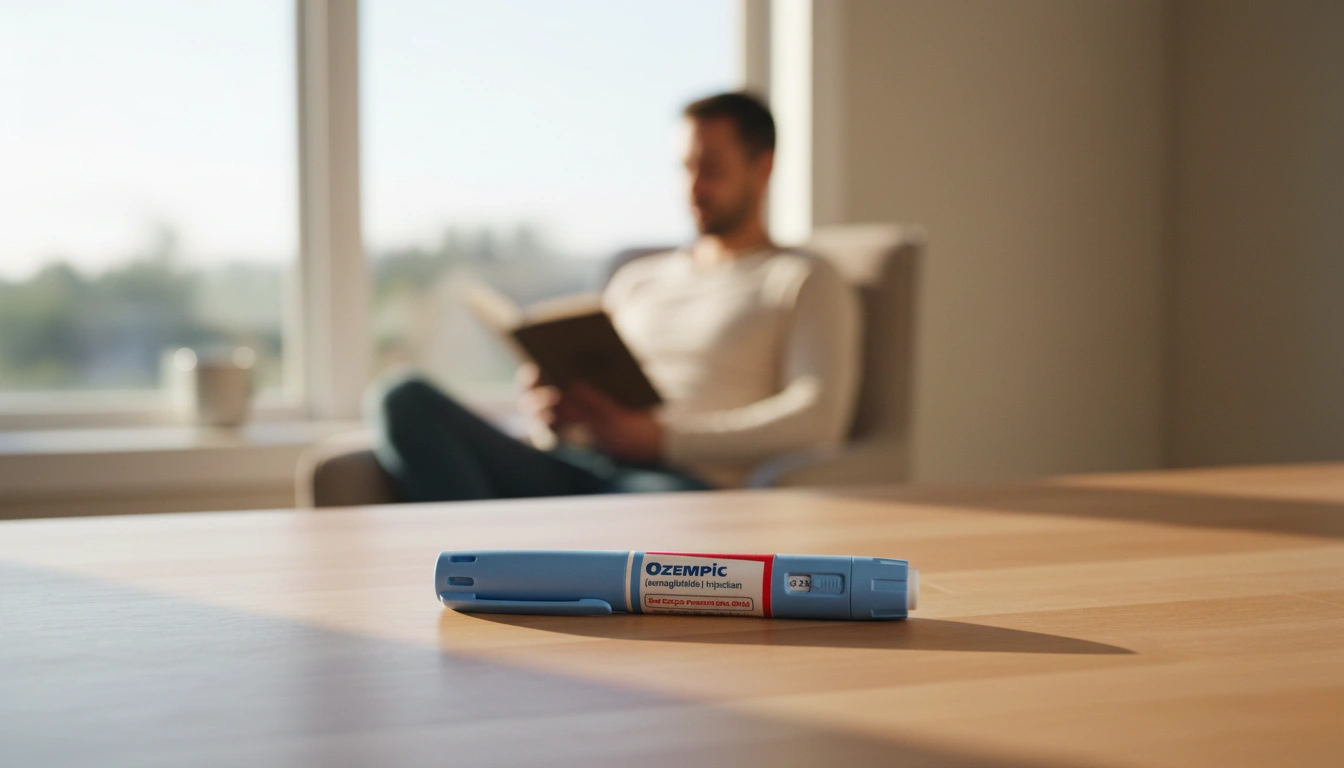
Navigating a weight loss journey can often feel like a daunting task, especially when it involves medications that alter our appetite and digestion, such as Ozempic (semaglutide). Did you know that many people using Ozempic report not just weight loss, but also changes in their food preferences and eating habits? This is a testament to how impactful this GLP-1 medication can be, but it also raises an essential question: What should you eat on Ozempic for optimal weight loss and health?
At TrimRx, we understand that sustainable weight loss is a journey requiring a combination of effective medication, personalized care, and informed dietary choices. This post will explore the types of foods that can help you maximize the benefits of Ozempic while minimizing potential side effects. By the end, you’ll have a clear understanding of how to construct a diet that supports your weight loss goals while maintaining your overall well-being.
We will cover various aspects, including what to prioritize in your diet, what to avoid, tips for managing side effects, and practical meal ideas. Understanding these components will empower you to make informed choices that align with your weight loss journey.
Understanding Ozempic and Its Mechanism
Ozempic is primarily known for its role in managing type 2 diabetes and promoting weight loss. It works by mimicking the action of a hormone called GLP-1 (glucagon-like peptide-1), which has several functions:
- Regulating Blood Sugar: Ozempic helps in the secretion of insulin while inhibiting glucagon release, which leads to lower blood sugar levels.
- Slowing Gastric Emptying: This process keeps food in the stomach longer, promoting a sustained feeling of fullness.
- Reducing Appetite: By acting on the brain’s hunger centers, Ozempic effectively reduces the desire to eat, leading to lower calorie intake.
While these effects can significantly aid weight loss, they can also lead to gastrointestinal (GI) side effects such as nausea and bloating. Understanding how Ozempic works can help us choose the right foods to enhance its benefits while managing any discomfort.
Foods to Embrace While on Ozempic
When considering what to eat on Ozempic for weight loss, focusing on nutrient-dense foods that are gentle on your stomach is essential. Here are the key food categories to incorporate into your diet:
1. Lean Proteins
Protein is crucial for maintaining muscle mass, especially when your appetite is reduced. Aim for high-quality protein sources, including:
- Poultry: Skinless chicken or turkey
- Fish: Salmon, mackerel, and other fatty fish rich in omega-3s
- Plant-Based Proteins: Tofu, tempeh, legumes, and beans
- Dairy: Low-fat Greek yogurt or cottage cheese
Including protein at every meal can help you feel fuller longer and provide essential amino acids for muscle maintenance.
2. Non-Starchy Vegetables
Vegetables are packed with vitamins, minerals, and fiber while being low in calories. They can help you feel satisfied without contributing to excess caloric intake. Some excellent options include:
- Leafy greens: Spinach, kale, and arugula
- Cruciferous vegetables: Broccoli, cauliflower, and Brussels sprouts
- Others: Bell peppers, zucchini, and asparagus
Aim for a colorful variety to ensure you’re getting a broad spectrum of nutrients.
3. Healthy Fats
In moderation, healthy fats can enhance satiety and provide essential fatty acids. Incorporate:
- Avocados: Rich in monounsaturated fats and fiber
- Nuts and Seeds: Almonds, walnuts, chia seeds, and flaxseeds
- Olive Oil: Use for cooking or salad dressings
4. Whole Grains
While you should be mindful of portion sizes, whole grains can provide fiber and sustained energy. Opt for:
- Quinoa
- Brown rice
- Oats
- Barley
These foods can help keep blood sugar levels stable, which is important for those on Ozempic.
5. Hydration
Staying hydrated is essential, especially since Ozempic can increase the risk of dehydration. Water is the best choice, but you can also include:
- Herbal teas
- Broths
- Infused waters with fruits or herbs
Foods to Limit or Avoid on Ozempic
While some foods can support your health journey, others may exacerbate side effects or hinder your weight loss progress. Here’s what to limit or avoid:
1. High-Fat Foods
Fatty foods can slow digestion further and may increase the likelihood of nausea. Avoid:
- Fried foods (e.g., fried chicken, doughnuts)
- Fatty cuts of meat (e.g., bacon, sausage)
- Heavy dairy products (e.g., full-fat cheese, cream)
2. Processed Foods
Ultra-processed foods often contain added sugars, unhealthy fats, and preservatives. Limit:
- Sugary snacks and desserts
- Fast food and microwave meals
- Sugary beverages (including soda and fruit juices)
3. High-Glycemic Index Foods
Foods that cause rapid spikes in blood sugar can be counterproductive. Avoid:
- White bread and pastries
- Sugary cereals
- Certain starchy vegetables (like white potatoes in large amounts)
4. Caffeine and Alcohol
Both substances can irritate the stomach and worsen GI side effects. If you consume them, do so in moderation and pay attention to how your body responds.
Tips for Managing Side Effects
Experiencing side effects while on Ozempic is common, but certain dietary strategies can help alleviate discomfort:
1. Eat Smaller, More Frequent Meals
Instead of three large meals, consider having smaller, more frequent meals to reduce the workload on your digestive system.
2. Chew Thoroughly and Eat Slowly
Take your time with meals, chewing well to help your body digest food more easily. Listen to your body and stop eating once you feel satisfied, not stuffed.
3. Stay Active
Gentle movement post-meals, such as going for a short walk, can aid digestion and help minimize feelings of fullness or bloating.
4. Consider Fiber Supplements
If you’re struggling to get enough fiber from food, discuss with your healthcare provider the option of taking a fiber supplement to help manage constipation.
Sample Meal Ideas
To help you get started on this journey, here are some sample meals:
Breakfast
- Greek yogurt with fresh berries and a sprinkle of chia seeds
- Scrambled eggs with spinach and tomatoes, served with whole grain toast
Lunch
- Grilled chicken salad with mixed greens, avocado, and a vinaigrette dressing
- Quinoa bowl with black beans, corn, diced bell peppers, and lime dressing
Dinner
- Baked salmon with steamed broccoli and sweet potato
- Stir-fried tofu with mixed vegetables served over brown rice
Snacks
- A handful of almonds or walnuts
- Slices of cucumber or bell peppers with hummus
Conclusion
Navigating a weight loss journey while on Ozempic requires a thoughtful approach to diet. By prioritizing lean proteins, non-starchy vegetables, and healthy fats while limiting high-fat and processed foods, you can maximize the benefits of this medication. Remember, every individual’s experience with Ozempic may vary, so it’s crucial to listen to your body and adjust your diet accordingly.
As we at TrimRx believe, sustainable weight loss is a partnership between effective medication, personalized care, and informed dietary choices. If you’re ready to explore how our personalized weight loss program can support you on your journey, we encourage you to take our free assessment quiz to determine your eligibility for our prescription weight loss medications. Together, we can help you achieve your weight loss goals in a safe and effective manner.
FAQ
What is Ozempic and how does it work?
Ozempic is a medication that mimics the GLP-1 hormone to regulate blood sugar levels and reduce appetite. It helps with weight loss by slowing gastric emptying and signaling fullness to the brain.
What foods should I avoid while on Ozempic?
It’s best to limit high-fat foods, processed foods, high-glycemic index foods, and alcohol, as they can exacerbate side effects and hinder weight loss.
How can I manage side effects from Ozempic?
Eat smaller, more frequent meals, chew thoroughly, stay active after meals, and consider fiber supplements to help manage gastrointestinal side effects.
Can I still enjoy treats while on Ozempic?
Yes, moderation is key. You can enjoy treats occasionally, but be mindful of portion sizes and choose healthier options when possible.
How can TrimRx help me on my weight loss journey?
At TrimRx, we offer personalized, medically supervised weight loss programs designed to support you in achieving sustainable weight loss through effective medications and individualized care. Take our free assessment quiz to get started today!

Transforming Lives, One Step at a Time
Keep reading

Ozempic and Colorectal Cancer: What the New Research Shows
Colorectal cancer is the third most commonly diagnosed cancer in the United States and one of the cancers most strongly linked to obesity, metabolic…

Does Ozempic Reduce Cancer Risk: What the Research Shows
The connection between obesity and cancer has been established for decades. What’s newer, and genuinely interesting, is emerging evidence that GLP-1 medications like Ozempic…

When to Stop Ozempic Before Surgery: Aspiration Risk Explained
If you’re scheduled for surgery and you’re currently taking Ozempic or another GLP-1 medication, there’s a specific conversation you need to have with your…


