What to Eat While on a GLP-1
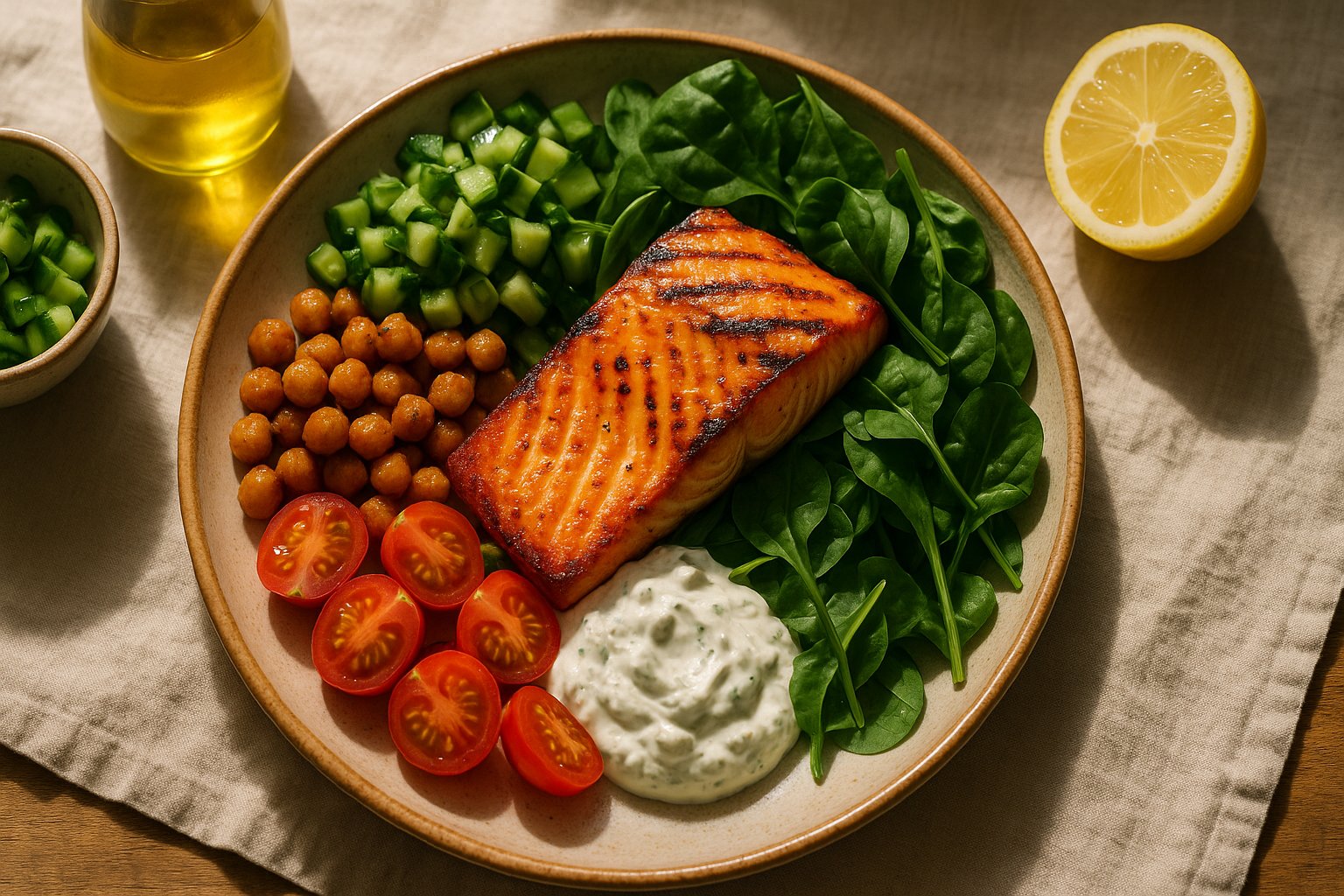
When a GLP-1 medication like semaglutide or tirzepatide curbs your appetite, the challenge shifts from eating less to eating well. The priorities are getting enough protein to protect muscle, choosing foods that are gentle on your stomach, staying hydrated, and not filling your smaller appetite with empty calories. Protein and fiber matter most, while greasy, sugary, and heavily processed foods tend to make side effects worse. Here’s a practical guide to eating on a GLP-1, so the weight you lose comes from fat rather than muscle and the side effects stay manageable.
Protein Comes First
The single most important food goal on a GLP-1 is protein. Rapid weight loss of any kind costs some muscle, and when appetite drops, it’s easy to under-eat protein without noticing. A review in Obesity and Endocrinology published by Oxford in 2026 highlights that adequate protein combined with resistance training is the most effective way to preserve lean mass during weight loss. A common target is roughly 1.2 to 1.6 grams of protein per kilogram of body weight per day, spread across meals.
With a smaller appetite, that means leading with protein at every meal: eggs, Greek yogurt, chicken, fish, tofu, beans, or a protein shake when solid food feels like too much. If you eat only a few bites, make them count.
Foods That Help and Foods That Hurt
Because these drugs slow stomach emptying, heavy, fatty, and sugary foods tend to sit uncomfortably and can trigger nausea. Lighter, nutrient-dense choices go down more easily.
| Focus on | Go easy on |
|---|---|
| Lean protein (eggs, fish, chicken, tofu) | Fried and greasy foods |
| Vegetables and fiber-rich foods | Sugary sweets and sodas |
| Fruit, whole grains, legumes | Heavily processed, high-fat meals |
| Water and hydrating fluids | Large portions in one sitting |
Fiber deserves attention too, since eating less overall often means less fiber, which can lead to constipation. Vegetables, fruit, whole grains, and legumes help keep things moving, added gradually so they don’t cause bloating.
Practical Habits That Make It Easier
A few small adjustments go a long way. Eating slowly and stopping when full prevents the discomfort of overfilling a stomach that’s emptying slowly. Smaller, more frequent meals often sit better than three large ones. Staying hydrated matters more than usual, since reduced appetite can mean drinking less without realizing it. And keeping easy protein options on hand (yogurt, cheese, ready cooked chicken, shakes) helps on days when cooking feels like too much.
Consider a hypothetical patient who feels full after a few bites and ends up grazing on crackers through the day. Shifting those bites to protein first, adding a daily shake, and keeping water nearby could protect her muscle and steady her energy, even as she eats less overall.
Frequently Asked Questions
How much protein should I eat on a GLP-1?
A common goal is about 1.2 to 1.6 grams per kilogram of body weight daily, spread across meals, to help preserve muscle. Leading each meal with protein makes this achievable even when your appetite is low. A provider or dietitian can tailor the number to you.
What foods make GLP-1 side effects worse?
Greasy, fried, very sugary, and heavily processed foods tend to worsen nausea and discomfort, since the medication already slows digestion. Lighter, protein- and fiber-focused meals usually feel better.
Do I need to count calories on a GLP-1?
Most people don’t need to obsess over calories, since the medication reduces appetite for you. The bigger focus is eating enough protein and nutrients within that smaller appetite. Talk to your provider about what’s right for your situation.
To see whether a GLP-1 fits your goals, you can take the TrimRx quiz for a licensed provider’s review.
This article is for educational purposes and is not medical or nutritional advice. Talk to a qualified healthcare provider or dietitian about your individual needs. Individual results vary.

Transforming Lives, One Step at a Time
Keep reading
Construction Work in Summer on a GLP-1
Summer on a job site means early starts, heavy physical work, direct sun or hot interiors, and lunch from a cooler or the back…

Colonoscopy Prep on a GLP-1
If you are on a GLP-1 and have a colonoscopy, upper endoscopy, or any procedure with sedation coming up, the single most important step…
Clergy and Community Meals on a GLP-1
For pastors, priests, rabbis, imams, chaplains, and other community leaders, food is part of the work. Potlucks, fellowship dinners, holiday meals, funeral receptions, and…


