What to Expect After Your First Dose of Zepbound®
Introduction
Starting a medical weight loss journey is a significant step toward reclaiming your health, and it is natural to feel a mix of anticipation and uncertainty. If you have just taken or are about to take your first dose of Zepbound®, you likely have questions about how your body will react in the coming hours and days. This medication, which contains the active ingredient tirzepatide, represents a sophisticated approach to weight management by targeting two different hormone receptors in the body.
At TrimRx, we believe that understanding the science behind your treatment is the best way to feel empowered and confident. This article will walk you through the immediate physiological changes, common side effects, and the timeline of appetite suppression you may experience. We will also cover how to manage early symptoms and what the “initiation phase” of dosing means for your long-term success. Our goal is to provide a clear roadmap so you can focus on your progress with peace of mind.
Quick Answer: Within the first 24 to 48 hours after your first dose of Zepbound®, you may notice a significant decrease in hunger and the disappearance of “food noise.” While some people experience mild nausea or fatigue, these symptoms are typically manageable and often subside as the body adjusts to the medication.
The First 24 to 48 Hours: Immediate Changes
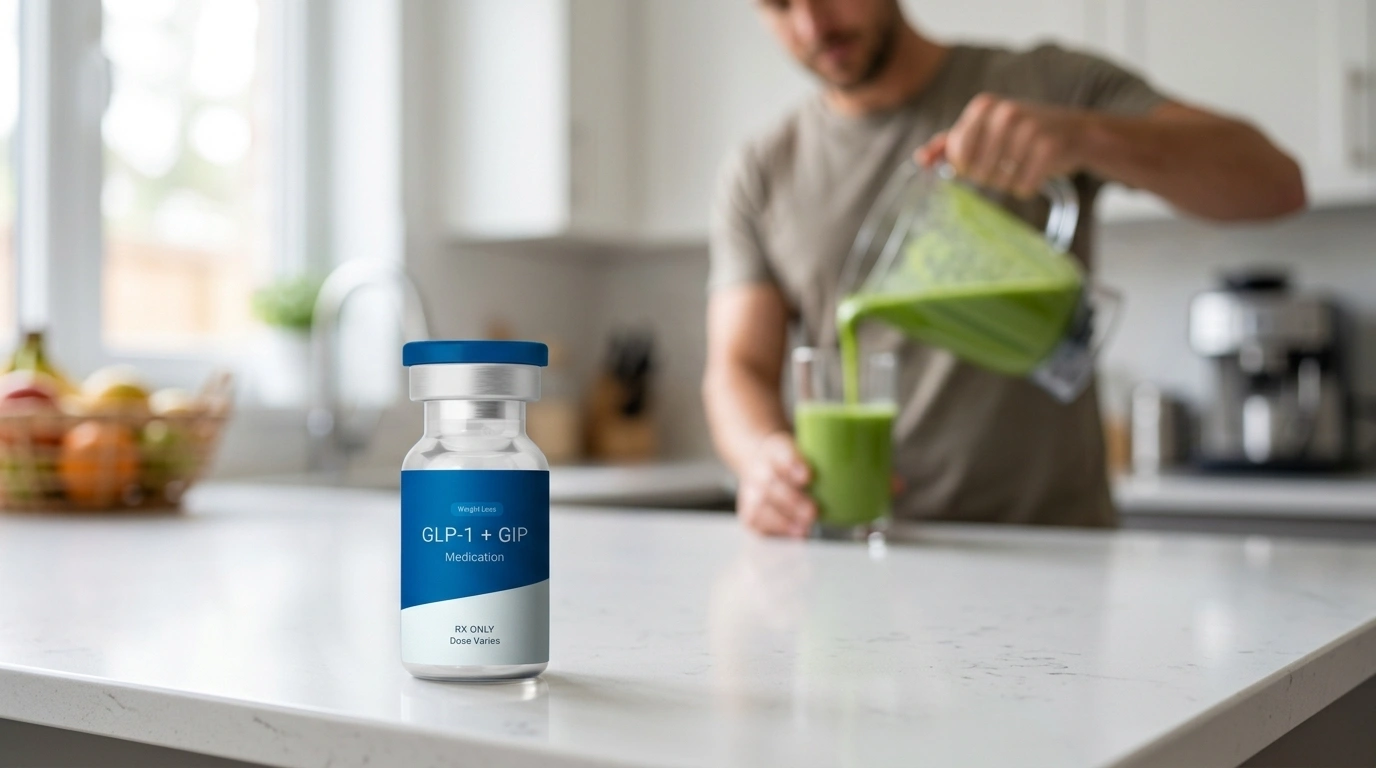
The initial window after your first injection is a period of adjustment for your metabolic system. Zepbound® is a dual-acting medication, meaning it mimics two natural hormones: glucagon-like peptide-1 (GLP-1) and glucose-dependent insulinotropic polypeptide (GIP). Once injected, the medication begins to circulate and interact with receptors in your brain and digestive tract.
Boldly stated, most users notice the effects on their appetite before they notice any physical side effects. You may find that your thoughts are no longer preoccupied with the next meal, a phenomenon often called the reduction of “food noise.” This shift can happen as quickly as 12 to 24 hours after the first dose. For more detail, explore this guide to how GLP-1 medications can quiet food noise.
Physically, you may feel “full” much sooner than usual. This is because the medication slows down gastric emptying, which is the speed at which food leaves your stomach and enters the small intestine. Because food stays in your stomach longer, the signals of satiety sent to your brain are more persistent and intense.
How the Medication Works in Your Body
To understand what you are feeling, it is helpful to know what tirzepatide—the active ingredient in Zepbound®—is doing behind the scenes. Unlike earlier generations of weight loss medications that only targeted the GLP-1 receptor, this is a dual agonist.
GLP-1 (Glucagon-like Peptide-1) is a hormone produced in the gut that triggers insulin release, blocks glucagon (which prevents the liver from releasing too much sugar), and signals the brain that you are full.
GIP (Glucose-dependent Insulinotropic Polypeptide) is another hormone that works alongside GLP-1 to improve how the body breaks down sugar and fat. For additional background, read this overview of how GLP-1 medications work for weight loss.
By activating both pathways, the medication provides a “double signal” to the metabolic system. This dual action is why many people report a more profound effect on appetite suppression compared to single-agonist medications. It effectively “muffles” the hunger signals that often make traditional dieting so difficult.
Key Takeaway: Zepbound® works by mimicking two hormones that regulate hunger and blood sugar, leading to slower digestion and a significant reduction in the mental urge to eat.
Common Early Side Effects and Why They Happen
It is common to experience some “onboarding” symptoms as your body acclimates to the new hormone levels. Most of these are gastrointestinal because the receptors for GLP-1 and GIP are highly concentrated in the digestive system. You can also review this guide to tirzepatide side effects and what to expect.
Nausea and Digestive Discomfort
Nausea is the most frequently reported side effect after the first dose. This happens because your digestive system is literally slowing down. If you eat a meal of the same size or speed as you did before the medication, your stomach may feel overly full, leading to queasiness.
Changes in Bowel Habits
You may notice either constipation or diarrhea. Constipation occurs because the slowed movement of the gut allows more water to be absorbed from the stool. Conversely, for some individuals, the shift in hormonal balance can temporarily speed up transit or alter how the intestines process liquids, leading to loose stools.
Fatigue and Energy Levels
Some users report feeling a “crash” or general tiredness a day after the injection. This can be caused by the body adjusting its glucose management or simply a result of a sudden, sharp decrease in caloric intake. If you are eating significantly less than usual, your body may take a few days to adjust its energy expenditure.
Note: While mild side effects are common, they should not be debilitating. If you experience severe abdominal pain, persistent vomiting, or signs of an allergic reaction, you should contact a healthcare provider immediately.
Managing the Initiation Phase
The first four weeks of treatment are usually conducted at a low “initiation dose” of 2.5mg. It is important to remember that this dose is primarily designed to help your body get used to the medication, rather than to maximize weight loss.
Myth: If I don’t lose five pounds in the first week, the medication isn’t working.
Fact: The first month is about safety and tolerability. Significant fat loss takes time, and the initial dose is meant to minimize side effects while your body adjusts to the dual-hormone action.
To make this first week as smooth as possible, consider the following strategies:
- Hydration is critical: Drink plenty of water, as dehydration can worsen nausea and fatigue.
- Prioritize protein: Focus on lean proteins to maintain muscle mass and keep energy levels stable.
- Eat slowly: Since your stomach empties more slowly, stop eating before you feel “full” to avoid post-meal discomfort.
- Avoid heavy triggers: Greasy, fried, or highly sugary foods are more likely to cause upset stomachs during the first few days of a dose.
If you find that your digestive system needs extra support during this transition, some people find success by incorporating targeted supplements. You can also complete a free eligibility assessment to explore whether a supervised medication program may be appropriate for you.
Appetite Suppression and the “Food Noise” Effect
One of the most striking things to expect after the first dose of Zepbound® is the mental clarity regarding food. For many people struggling with weight, hunger is not just a physical sensation in the stomach; it is a constant mental background noise. You might find yourself planning dinner while eating lunch or reaching for snacks out of habit rather than hunger.
Within 48 hours of the first dose, many patients describe a “quieting” of these thoughts. This allows for more intentional eating choices. Instead of fighting against your biology to stay within a calorie deficit, the medication aligns your biology with your goals. This mental shift is also discussed in this guide to tirzepatide and food noise.
Bottom line: The first dose often provides the first evidence that weight loss does not have to be a constant battle of willpower, but rather a manageable process of metabolic regulation.
What to Expect Regarding Weight Loss in Week One
It is natural to step on the scale a few days after your first dose, but the results in the first week can be misleading. Some individuals see a drop of several pounds almost immediately. This is usually “water weight” caused by a reduction in inflammation and the depletion of glycogen stores as caloric intake drops.
For others, the scale may not move at all in the first seven days. This is also normal. The 2.5mg dose is a sub-therapeutic level for many, intended to prepare the system for higher doses later. Weight loss is a marathon, not a sprint, and the first dose is simply the starting line.
Factors that influence the first week’s results:
- Starting weight and BMI: Those with higher starting points may see more initial fluid shifts.
- Dietary changes: If you immediately pivot to a high-protein, low-carb intake, the scale may move faster.
- Activity levels: Consistent movement helps stimulate metabolism alongside the medication.
Preparing for Your First Injection
If you haven’t taken your first dose yet, preparation can reduce anxiety and set the stage for success. Zepbound® is typically administered once weekly via a pre-filled, single-dose pen.
Step 1: Choose your injection site. The most common areas are the abdomen (at least two inches from the belly button), the thigh, or the back of the upper arm.
Step 2: Clean the skin. Use an alcohol swab to ensure the area is sterile.
Step 3: Administer the dose. Follow the instructions provided with your prescription carefully. Most pens have a clear “click” or color indicator to show the dose is complete.
Step 4: Track your symptoms. Keep a simple log of how you feel over the next three days. This information is invaluable for your healthcare provider when deciding how to progress your treatment.
The Role of Personalized Telehealth
Navigating the first few weeks of a GLP-1 or GIP medication can feel overwhelming if you are doing it alone. This is why a telehealth-first approach is so effective. At TrimRx, we connect you with licensed providers who understand the nuances of these medications.
The process begins with a free assessment quiz to determine your eligibility and create a profile. From there, you have access to a dedicated team that can answer questions about side effects or dosing schedules 24/7. This level of support ensures that you aren’t just taking a medication, but participating in a supervised program designed for sustainable health.
Whether your provider prescribes branded options or connects you with medications prepared by FDA-registered, inspected compounding pharmacies, the goal remains the same: a personalized path to success. Having a specialist to guide you through the first dose and beyond can make the difference between giving up due to mild side effects and pushing through to reach your goals.
Lifestyle Habits to Support the First Dose
The medication is a powerful tool, but it works best when supported by a healthy foundation. During your first week, try to establish habits that will serve you throughout the program.
Sleep and Recovery
The metabolic changes occurring in your body require energy. You may find that you need an extra hour of sleep during the first few nights. Listen to your body and allow it the time it needs to recover and adjust.
Gentle Movement
You do not need to start a high-intensity workout on day one. In fact, gentle walking is often better for the first week. It helps with digestion, can alleviate mild nausea, and supports the “fat-burning” signals the medication is sending to your cells.
Nutrient Density
Because you will be eating less, what you eat becomes more important. Focus on “quality over quantity.” This is where our Weight Loss Boost supplement can be helpful, providing extra support for your metabolism as you reduce your caloric intake.
Key Takeaway: Success with Zepbound® is a partnership between the medication’s hormonal regulation and your daily lifestyle choices.
Long-Term Expectations After the Initial Dose
As you move past the first week, the medication will begin to reach a “steady state” in your blood. Each weekly dose builds slightly on the last. By the end of the first month, most of the early side effects like nausea usually fade as the body becomes more efficient at processing the hormone mimics.
Your provider will typically keep you on the starting dose for four weeks before discussing an increase. This gradual escalation is the gold standard for minimizing discomfort while maximizing the long-term metabolic benefits.
Conclusion
Taking your first dose of Zepbound® is the beginning of a transformative chapter in your health journey. While the first 24 to 48 hours may bring some mild digestive changes or a period of adjustment, they also bring the profound relief of reduced hunger and a quieter mind. Understanding that these shifts are signs of the medication interacting with your GLP-1 and GIP receptors can help you navigate the first week with confidence.
At TrimRx, our mission is to provide the clinical expertise, high-quality medication access, and empathetic support you need to turn these initial steps into lasting lifestyle changes. We believe that weight loss should be science-backed, transparent, and tailored to the individual.
If you are ready to see how a personalized, medically supervised program can support your goals, the next step is simple. You can see if you qualify for a personalized program today to see which treatment options are right for your health profile. Your journey to a healthier, more vibrant version of yourself starts with understanding your body and having the right team by your side.
FAQ
How long does it take for the first dose of Zepbound® to start working?
Most people begin to feel the effects of the medication within 12 to 24 hours of the first injection. The most immediate sign is usually a decrease in appetite or the disappearance of the urge to snack. While the physical feeling of fullness happens quickly, the full weight loss benefits develop over several months as the dosage is gradually increased.
What should I do if I feel nauseous after my first dose?
Nausea is a common side effect during the first week and can often be managed by eating smaller, more frequent meals and staying well-hydrated. Avoiding high-fat or greasy foods can also reduce the load on your digestive system while it is slowed down by the medication. If the nausea is persistent or prevents you from drinking fluids, you should consult your healthcare provider for guidance. For additional information, review these expert tips for managing tirzepatide nausea.
Can I drink alcohol after taking my first dose?
It is generally recommended to limit or avoid alcohol, especially during the first week of treatment. Alcohol can irritate the stomach and worsen side effects like nausea or dehydration. Furthermore, alcohol contains empty calories that can work against your weight loss goals, so it is best to see how your body reacts to the medication first before introducing alcohol.
Do I need to follow a specific diet while on this medication?
While there isn’t one “required” diet, the medication is most effective when paired with a balanced, protein-rich eating plan and regular physical activity. Focusing on whole foods, lean proteins, and fiber can help manage side effects and ensure your body gets the nutrients it needs as your calorie intake decreases. Our team of specialists can help you refine your approach as you progress through the program. If you are considering treatment, you can find out if GLP-1 medications may be right for you.
Disclaimer: This content is for informational purposes only and does not constitute medical advice. It is not intended to diagnose, treat, cure, or prevent any disease or condition. Individual results may vary. Always consult a qualified healthcare professional before starting any weight loss program or medication.

Transforming Lives, One Step at a Time
Keep reading
How Long Does a FRIO Pouch Keep Tirzepatide Cold?
Around 45 hours per soak, and it can be kept active for weeks by re-soaking every couple of days. That is the headline figure…

What Happens If Your Telehealth Provider Stops Offering Tirzepatide?
Get a copy of your records before the account closes, then transfer to a provider who can continue you. The records step is the…

Why Are My Lips Always Dry on Tirzepatide?
Almost always because you are drinking less than you used to, and you have probably not noticed. Appetite suppression reduces how much you eat…


