What to Expect After Taking Mounjaro
Introduction
Starting a new weight loss journey often brings a mix of hope and curiosity. If you are considering or have recently started Mounjaro®, you likely have questions about how your body will react in the coming days and weeks. You might wonder how soon you will feel less hungry or when you might see a change on the scale. At TrimRx, we believe that being prepared for the physical and mental shifts of this medication is essential for long-term success. If you are considering the next step, take the free assessment quiz.
This article outlines the typical experience during the first month of treatment. We will cover the biological mechanism of the medication, the common timeline for results, and how to manage early side effects. Our goal is to provide a clear roadmap so you can focus on your health with confidence and clarity. By understanding the science behind the treatment, you can set realistic expectations for your metabolic health journey.
How Mounjaro Works in Your Body
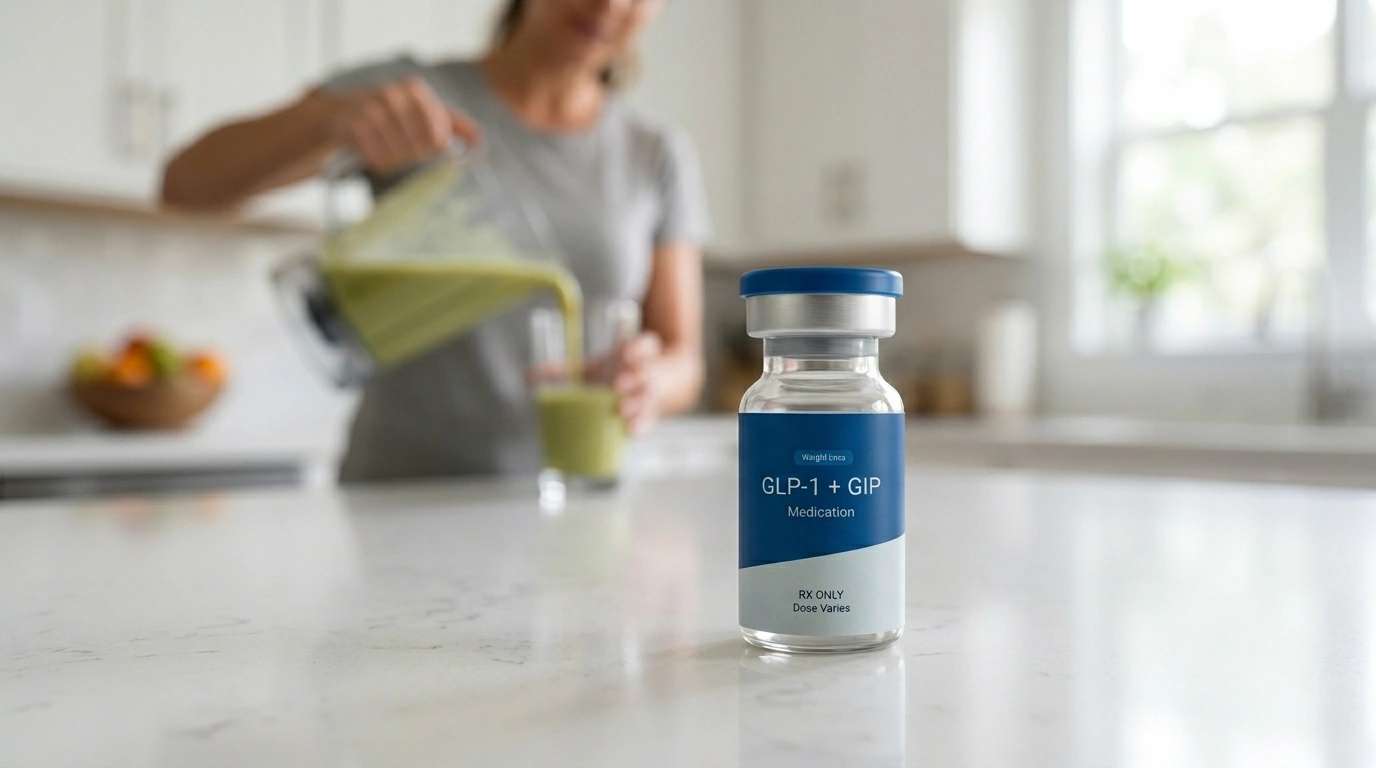
To understand what to expect, it is helpful to know what the medication is doing inside your system. Mounjaro is the brand name for tirzepatide. If you want a week-by-week look at the early phases, our tirzepatide results timeline is a useful companion read.
The GLP-1 hormone tells your brain that you are full. It also slows down “gastric emptying,” which is the speed at which food leaves your stomach. The GIP hormone works alongside GLP-1 to improve how your body breaks down sugar and stores fat. Together, these two hormones address weight management from multiple angles.
Key Takeaway: Unlike older medications that only target one hormone pathway, the dual-action approach of tirzepatide helps regulate appetite and blood sugar more effectively for many individuals.
The First 24 to 72 Hours
Many people wonder if they will feel an immediate change after their first injection. While everyone is different, the medication typically reaches its peak levels in the bloodstream between 8 and 72 hours after the dose is administered.
Initial Appetite Changes You may notice a reduction in food noise very quickly. Food noise refers to the constant, intrusive thoughts about eating or the next meal. For many, this quieted mental state is the first sign that the medication is working. You might find that you forget to snack or that you feel satisfied with much smaller portions than usual.
Early Physical Sensations Some individuals report a slight feeling of fullness or a “heavy” stomach shortly after the first dose. This is the result of slowed digestion. Because food stays in your stomach longer, you may feel satisfied for hours after a light meal.
Your First Month: A Week-by-Week Timeline
The first four weeks are often considered the “initiation phase.” During this time, you typically start on a low dose, such as 2.5 mg. This low dose is designed to help your body acclimate to the hormone changes while minimizing discomfort.
Week One: The Transition Begins
During the first week, your primary focus is on hydration and observation. You are introducing a powerful metabolic tool to your system. You may feel a significant drop in hunger, or the effects may be subtle. It is common to feel a bit of “new medication anxiety,” but most people find the injection process much simpler than expected.
Week Two: Building Momentum
By the second dose, the medication is beginning to maintain a more consistent level in your body. You might start to notice that your cravings for high-fat or sugary foods have diminished. This is a great time to start focusing on high-quality protein and fiber. Some people experience a bit of fatigue during this week as their caloric intake naturally drops, and the Weight Loss Boost supplement can be a simple way to think about energy support during weight loss.
Week Three: Settling Into a Routine
By week three, many of the initial “newness” sensations begin to fade. Your body is starting to adapt to the slowed digestive process. If you experienced mild nausea in the first two weeks, you might find it begins to subside now. You may notice that you are naturally choosing smaller plates or leaving food behind without feeling deprived.
Week Four: Assessing Progress
At the end of the first month, you and your healthcare provider will evaluate how you feel. Many patients see a modest reduction in weight during this month—often around 2% to 4% of their starting weight—though results vary widely. If you have tolerated the medication well, your provider may discuss moving to a higher dose for the following month.
Quick Answer: Most people begin to feel a reduction in appetite within the first 24 to 72 hours after their first dose, though significant weight loss typically accumulates over several months of consistent use.
Common Physical Side Effects
Because Mounjaro affects the digestive system, gastrointestinal side effects are the most common experiences during the first month. These are usually mild to moderate and often improve as your body adjusts.
Nausea and Vomiting Nausea is the most frequently reported side effect. It often occurs a day or two after the injection. To manage this, try eating small, frequent meals rather than three large ones. Avoid greasy or very spicy foods, which can be harder for a “slowed” stomach to process. If nausea is your main concern, our Nausea and GLP-1 Medications: Solutions That Work guide offers practical strategies.
Changes in Bowel Habits Some people experience diarrhea, while others may deal with constipation.
- Diarrhea: This often happens if the diet is too high in fat or if the body is still adjusting to the medication.
- Constipation: Because the digestive tract moves more slowly, staying hydrated is critical. Increasing your water intake and eating fibrous vegetables can help keep things moving.
Heartburn and Indigestion Slowed digestion can sometimes cause stomach acid to back up. Staying upright for at least two hours after eating and avoiding large meals before bed can significantly reduce these symptoms.
Side Effect Management at a Glance
| Side Effect | Why It Happens | Simple Management Tip |
|---|---|---|
| Nausea | Slowed stomach emptying | Eat smaller portions; try ginger tea. |
| Constipation | Slower intestinal transit | Increase water and fiber intake. |
| Fatigue | Lower calorie intake | Prioritize protein and consistent sleep. |
| Heartburn | Acid backup from slow digestion | Avoid eating 3 hours before lying down. |
If you want a closer look at why early energy changes happen, read GLP-1 Medications and Energy Levels: What to Expect.
Understanding the “Mental Shift”
One of the most profound things to expect after taking Mounjaro is a change in your relationship with food. For individuals who have struggled with chronic hunger or emotional eating, the “quieting” of the brain can be life-changing.
Reduction in Cravings You may find that foods you once couldn’t resist—like soda, chips, or sweets—simply don’t interest you anymore. This isn’t just about willpower; the medication is physically changing the reward signals in your brain associated with food.
The Fullness Signal On this medication, the “I’m full” signal is often much stronger and arrives much earlier. It is important to listen to this signal immediately. Eating past the point of fullness while on a GLP-1/GIP medication can lead to significant discomfort or nausea.
Nutrition and Hydration Strategies
What you eat and drink can significantly impact how you feel after taking your dose. Because you will likely be eating less, every bite counts more toward your nutritional needs.
Prioritize Protein Protein is essential for maintaining muscle mass while you lose weight. Aim for lean sources like chicken, turkey, fish, Greek yogurt, or tofu. Many people find that protein shakes are a helpful way to meet their goals when their appetite is very low. If you want nutritional support that fits alongside treatment, the GLP-1 Daily Support supplement may be a good fit.
The Importance of Hydration Hydration is perhaps the most important factor in managing side effects. Dehydration can worsen nausea and lead to headaches. Aim for at least 80 to 100 ounces of water daily. Adding electrolytes can also be beneficial, especially in the first few weeks as your body adjusts.
For a broader look at building meals that are sustainable over time, read A Healthy Diet for Weight Loss: The 2026 TrimrX Breakdown.
Fiber is Your Friend To combat the risk of constipation, include plenty of leafy greens, berries, and whole grains. If you find it difficult to eat enough volume to get your fiber, talk to your provider about a gentle fiber supplement.
Managing Your Injection Routine
Mounjaro is a once-weekly subcutaneous injection. Most people choose to inject in the abdomen, thigh, or the back of the upper arm.
If you want a more detailed breakdown of the process, how to take tirzepatide covers the step-by-step routine.
Tips for a Smooth Injection:
- Rotate Sites: Do not use the exact same spot every week. This prevents skin irritation.
- Temperature Matters: Some people find that letting the pen sit at room temperature for 30 minutes before injecting makes the process more comfortable.
- Pick a Consistent Day: Choose a day of the week that works best for your schedule. Many people prefer Friday or Saturday so that if they experience mild side effects, they occur over the weekend.
When to Consult a Healthcare Provider
While most side effects are manageable, it is important to know when a symptom requires professional medical attention. You should always stay in close contact with your clinical team during your weight loss journey.
Contact your provider if you experience:
- Severe or persistent abdominal pain that may radiate to your back.
- Severe vomiting that prevents you from keeping liquids down.
- Signs of a serious allergic reaction, such as swelling of the face or difficulty breathing.
- Persistent changes in vision.
Note: Mounjaro carries a boxed warning regarding thyroid C-cell tumors. Individuals with a personal or family history of medullary thyroid carcinoma or Multiple Endocrine Neoplasia syndrome type 2 should not use this medication. Always discuss your full medical history with a licensed provider.
How TrimRx Supports Your Journey
Navigating the world of GLP-1 and GIP medications can feel overwhelming, but you don’t have to do it alone. Our platform is designed to make the process as straightforward as possible. Through the TrimRx telehealth platform, you gain access to licensed providers who can evaluate your health history and determine if a medication like tirzepatide is right for you.
If you are a candidate, our program includes doctor consultations and ongoing support. We also offer a personalized approach that is tailored to your specific metabolic needs and goals.
Maximizing Success with the TrimRx Program
Starting the program is a simple, structured process designed for your convenience and safety.
- The Assessment: You start by taking our free assessment quiz. This helps our partner providers understand your BMI, medical history, and weight loss goals.
- Provider Review: A licensed healthcare provider reviews your information to ensure the program is safe and appropriate for you.
- Prescription and Fulfillment: If approved, your provider writes a prescription and outlines the next steps for treatment.
- Ongoing Support: You have access to our specialist team to help you manage side effects or ask questions about your progress.
Conclusion
Taking the first step with a medication like Mounjaro is a significant move toward better health. In the first month, you can expect a noticeable shift in your appetite, some mild digestive adjustments, and the beginning of a new relationship with food. While the physical changes are important, the mental clarity that comes from reduced food noise is often the most appreciated benefit.
At TrimRx, our mission is to provide an empathetic, science-backed environment where you can pursue sustainable weight loss. We combine the power of modern clinical treatments with the convenience of telehealth to ensure you are supported every step of the way. Whether you are just starting or looking for a more personalized program, see if you qualify for a personalized program.
Key Takeaway: Success on Mounjaro is a marathon, not a sprint. The first month is about learning to listen to your body’s new signals and establishing the healthy habits that will support your long-term transformation.
FAQ
How much weight will I lose in the first month on Mounjaro?
Weight loss varies for every individual, but many people lose between 2% and 4% of their starting body weight in the first four weeks. This initial phase is primarily intended to help your body adjust to the medication at a low dose. Consistency with nutrition and hydration is key to seeing early results. If you’d like help deciding whether a personalized program is right for you, you can complete the free assessment quiz.
What should I do if I miss a dose of Mounjaro?
If you miss a dose, you should take it as soon as possible, provided it is within 4 days (96 hours) of your scheduled time. If more than 4 days have passed, skip the missed dose and wait until your next regularly scheduled day. Never take two doses within 3 days of each other.
Can I drink alcohol while taking Mounjaro?
While there is no direct contraindication, it is generally recommended to limit alcohol, especially in the first month. Alcohol can increase the risk of low blood sugar and may worsen gastrointestinal side effects like nausea or heartburn. Additionally, alcohol contains empty calories that may slow your weight loss progress.
Will I have to stay on the 2.5 mg dose forever?
The 2.5 mg dose is typically considered an “initiation dose” to help your body acclimate. Most patients move up to a 5 mg dose after the first four weeks, depending on their tolerance and weight loss progress. Your healthcare provider will work with you to determine the most effective maintenance dose for your specific needs.
Disclaimer: This content is for informational purposes only and does not constitute medical advice. It is not intended to diagnose, treat, cure, or prevent any disease or condition. Individual results may vary. Always consult a qualified healthcare professional before starting any weight loss program or medication.

Transforming Lives, One Step at a Time
Keep reading

Mounjaro Alternatives: What Else to Consider
If Mounjaro isn’t the right fit, the closest alternatives are other GLP-1 medications, chiefly semaglutide (Ozempic for diabetes, Wegovy for weight), along with a…

Mounjaro vs Zepbound: Same Drug, Two Brands
Like their semaglutide counterparts, Mounjaro and Zepbound are the same medication (tirzepatide) sold under two names for two purposes: Mounjaro is approved for type…

Retatrutide vs Mounjaro: Triple Agonist vs Dual Agonist
The core difference between retatrutide and Mounjaro comes down to how many hormone targets each hits: retatrutide activates three receptors, while Mounjaro (tirzepatide) activates…


