What to Expect After First Dose of Ozempic: Your First Week Guide
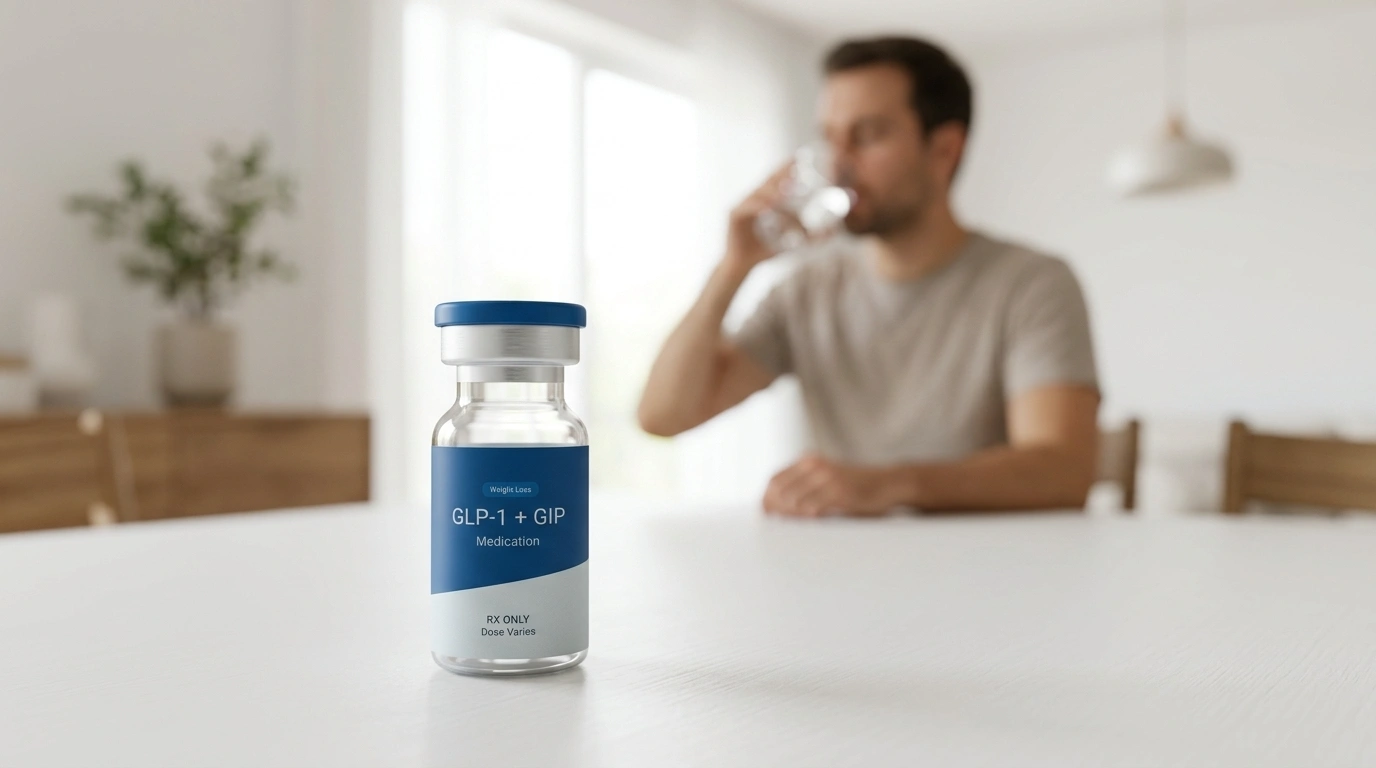
Introduction
Standing in front of the mirror after your first injection, you might feel a mix of hope and nervous anticipation. You have likely tried numerous diets and exercise routines that didn’t deliver the lasting results you deserved, and starting a GLP-1 medication feels like a significant turning point. At TrimRx, we understand that the first few days of any new health journey are often the most uncertain. You may wonder if the medication is working immediately or if the stories you have heard about side effects will become your reality. This article details the day-by-day experience of your initial week, from the physiological shifts in your digestion to the mental changes in how you view food. Our goal is to provide a clear roadmap so you can navigate the adjustment period with confidence and realistic expectations. If you are considering prescription treatment, you can complete a free eligibility assessment to learn whether a personalized program may fit your needs.
How the Medication Begins Working
To understand the first week, it is helpful to know what the medication is doing behind the scenes. Ozempic® (semaglutide) is a GLP-1 receptor agonist, which is a type of medication that mimics a natural hormone in your body called glucagon-like peptide-1. This hormone is typically released by your intestines after you eat to tell your brain you are full and to help your pancreas manage blood sugar. For a broader explanation, read this guide to how GLP-1 medications affect appetite and digestion.
When you take your first dose, you are introducing a steady supply of this “fullness signal” to your system. Unlike the natural hormone, which disappears quickly, this medication is designed to last for a full week. It primarily works through three pathways: it signals the brain to reduce hunger, it prompts the pancreas to release insulin more effectively, and it slows down gastric emptying, which is the speed at which food leaves your stomach.
Quick Answer: After your first dose of Ozempic®, you may feel very little for the first 24 hours. Most people begin to notice a decrease in appetite and mild digestive shifts between days two and four as the medication reaches peak levels in the bloodstream.
The First 24 Hours: The Priming Phase
Most individuals feel completely normal immediately after their first injection. Because the medication is injected into the subcutaneous fat (the layer of fat just under the skin), it takes time to be absorbed into the bloodstream. It does not hit your system all at once.
You may experience a “placebo effect” or a sense of relief. After weeks of research and clinical consultations, finally taking the first step can bring a mental shift. However, physiologically, the medication is just beginning its journey. Some people report a mild headache or a slight “off” feeling in the stomach within a few hours, but these are often subtle.
The first day is the best time to focus on hydration. Since you do not yet know how your stomach will react to the slowing of digestion, drinking plenty of water is a proactive way to support your system. It is also a good idea to eat your regular, healthy meals on day one, as your appetite may not change significantly until the following morning. For more context, review this GLP-1 hydration guide.
Days 2 to 4: The Peak Adjustment Period
This window is typically when the most noticeable changes occur. By the second or third day, the concentration of the medication in your blood is reaching its initial peak. This is when the communication between your gut and your brain begins to recalibrate. You can also review this first-week semaglutide timeline for another look at early changes.
Changes in Appetite and “Food Noise”
One of the most common reports during these days is the reduction of food noise. This term refers to the constant, intrusive thoughts about food, cravings, or planning the next meal that many people struggle with daily. You might find that you simply “forget” to snack or that you feel satisfied with a much smaller portion of food than usual.
Common Digestive Shifts
Because the medication slows down the movement of food through your stomach, your digestive system has to learn a new pace. During days two through four, you might notice:
- Mild Nausea: This is the most frequently reported side effect and often feels like a lingering sense of being “too full.”
- Early Satiety: You may sit down for a meal feeling hungry but find yourself unable to finish even half of your plate.
- Changes in Energy: Some people feel a bit more tired than usual as the body adjusts to a lower calorie intake and a different metabolic rhythm.
Key Takeaway: The first week is a “priming” phase. The initial 0.25 mg dose is intentionally low to help your body adapt to the medication’s signals before moving to higher, more therapeutic levels.
Days 5 to 7: Finding a New Normal
As you approach the end of your first week, the “newness” of the signals starts to settle. For many, the initial nausea or “off” feeling begins to fade as the body acclimates to the slower gastric emptying.
You might notice your appetite returns slightly toward day six. This is normal. The medication has a half-life of about seven days, meaning it stays in your system for a long time, but the “peak” intensity of the first dose begins to level out just before it is time for your next injection. This does not mean the medication has stopped working; it is simply part of the steady buildup process.
This is a critical time to establish a routine. Use these final days of the week to reflect on which foods made you feel best. Most people find that high-fat or greasy foods cause more discomfort during the first week, while lean proteins and fiber-rich vegetables are better tolerated.
Managing Common Side Effects at Home
While most early symptoms are mild, having a management plan can make your first week much more comfortable. Small adjustments to your daily habits are often enough to mitigate the most common issues. You may also find this guide to managing early GLP-1 side effects useful as you track your symptoms.
Nausea and Stomach Discomfort
Eat slowly and stop before you are full. Because your stomach is emptying more slowly, it is very easy to override your “full” signal. If you eat at your old pace, you may end up feeling uncomfortably stuffed, which leads to nausea.
- Try using a smaller plate to help with portion control.
- Chew your food thoroughly to aid the slower digestive process.
- Keep bland foods like crackers, ginger tea, or plain toast available if you feel queasy.
Fatigue and Hydration
Prioritize electrolytes and water. If you are eating significantly less, you may also be consuming fewer fluids from food. Fatigue is often a sign of mild dehydration or a sudden drop in calorie intake.
- Sip water throughout the day rather than drinking large amounts at once.
- Ensure you are getting enough protein, even in smaller portions, to keep your energy stable.
Managing “Sulfur Burps”
Some people notice burps that have a distinct “rotten egg” or sulfur smell. This happens because food is sitting in the stomach longer and beginning to break down more slowly.
- Avoid carbonated beverages, which can increase gas.
- Limit heavy, cruciferous vegetables like broccoli or cauliflower during the first few days if this occurs.
Note: If you experience side effects, they are typically most noticeable during the first 48 to 72 hours after an injection and tend to improve as the week progresses.
What to Do Next: A First-Week Checklist
- Track your symptoms: Keep a simple log of how you feel each day to share with your licensed provider.
- Rotate your injection site: If you feel discomfort at the injection site, try the thigh or the back of the arm for your next dose.
- Focus on protein first: To maintain energy and muscle health, always eat your protein before your carbohydrates during a meal.
- Stay upright after eating: Don’t lie down immediately after a meal, as this can worsen acid reflux or nausea.
- Listen to your body: If you aren’t hungry, do not force a large meal, but do try to have a small, nutrient-dense snack to keep your blood sugar stable.
If you are still deciding whether prescription treatment is appropriate, you can start the assessment process and provide information for licensed provider review.
Understanding the “Starter Dose” Strategy
It is important to remember that the standard starting dose of 0.25 mg is not meant for maximum weight loss. It is an “induction” or “initiation” dose. Its primary purpose is to allow your gastrointestinal tract and your brain to get used to the new hormonal levels.
Do not be discouraged if the scale does not move immediately. Some people lose a few pounds of water weight in the first week due to reduced inflammation and smaller portions, but many people lose nothing at all in the first seven days. This is not a sign of failure. The medication is building a foundation in your system. Significant results are typically the product of several months of consistent treatment and lifestyle adjustments.
Myth: If I don’t feel sick, the medication isn’t working. Fact: Only about 20% to 30% of people experience significant nausea at the starting dose. Many people feel absolutely fine while still benefiting from improved blood sugar and reduced appetite.
When to Contact a Healthcare Professional
While the vast majority of people get through their first week with only minor, manageable symptoms, it is vital to know when a symptom requires professional guidance.
Severe or persistent vomiting is not normal. If you cannot keep fluids down for more than 24 hours, you should contact a healthcare provider immediately. Dehydration can happen quickly and can lead to secondary issues like kidney stress.
Watch for signs of pancreatitis. Though rare, inflammation of the pancreas is a serious potential side effect. This typically presents as severe abdominal pain that does not go away and may radiate through to your back. If you experience intense, sharp pain in your upper stomach, seek medical attention.
Allergic reactions are also possible. If you notice a severe rash, swelling of the face or throat, or have any difficulty breathing, seek emergency care. Always keep your licensed provider informed of your progress through our platform so they can adjust your plan if needed.
Creating Your Support System with TrimRx
At TrimRx, we believe that medication is just one part of a sustainable weight loss journey. Our personalized programs are designed to provide you with the medical oversight and expert guidance needed to navigate these early weeks safely. We are here to help you move past the “trial and error” phase of dieting and toward a science-backed approach that respects your body’s unique needs. By partnering with us, you have access to a team that understands the nuances of GLP-1 therapy and is dedicated to your long-term success.
If you are ready to explore whether a personalized prescription program may be appropriate, you can complete the free assessment quiz.
Conclusion
The first week after your first dose of Ozempic® is a period of discovery. You are learning how your body responds to a slower digestive pace and how your mind reacts to a quieter “food noise” environment. While some mild nausea or fatigue is common, these symptoms usually signal that your body is successfully adapting to the medication’s pathways. Focus on hydration, prioritize protein, and be patient with the process.
Key Takeaways:
- The first 24 hours are usually quiet; peak effects occur between days 2 and 4.
- The 0.25 mg starter dose is for adjustment, not immediate maximum weight loss.
- Small, bland meals and consistent hydration are your best tools for comfort.
- Mental shifts, like reduced cravings, are often the first signs the medication is working.
“The first week is about transition. It is the time when you stop fighting your appetite and start listening to your body’s new signals.”
Sustainable weight loss is a marathon, not a sprint. The first dose is simply the first step in a much larger journey toward metabolic health. If you are ready to see how a personalized, medically supervised plan can support your goals, the next step is simple.
Take the first step toward a personalized program by completing our free assessment quiz today.
FAQ
How long do side effects last after the first dose?
For most people, mild side effects like nausea or fatigue last for about two to four days after the first injection. These symptoms typically subside as the week progresses and your body adjusts to the medication’s effect on your digestion. If symptoms are persistent or severe, review when ongoing nausea requires professional guidance and contact a licensed provider.
What should I avoid eating during my first week?
It is generally best to avoid high-fat, greasy, or heavily fried foods, as they can worsen the nausea caused by slowed stomach emptying. You should also be cautious with very sugary foods and carbonated drinks, which may cause bloating or discomfort as your body adapts.
Is it normal to feel no change in my appetite after the first shot?
Yes, it is entirely normal. The 0.25 mg dose is a very low starter dose meant to minimize side effects rather than produce immediate, dramatic weight loss. Some individuals require several weeks of treatment and a dose increase before they notice a significant shift in hunger. If you are considering treatment, you can find out whether a personalized program may be appropriate.
Can I drink alcohol during my first week?
While alcohol is not strictly prohibited, it is wise to limit or avoid it during your first week. Alcohol can irritate the stomach, increase the risk of nausea, and may cause blood sugar fluctuations that make you feel lightheaded while your body is adjusting to the medication.
TrimRX does not practice medicine or prescribe medications. Compounded medications are not FDA-approved and are not evaluated by the FDA for safety or efficacy. Results vary by individual and are not guaranteed.
Disclaimer: This content is for informational purposes only and does not constitute medical advice. It is not intended to diagnose, treat, cure, or prevent any disease or condition. Individual results may vary. Always consult a qualified healthcare professional before starting any weight loss program or medication.

Transforming Lives, One Step at a Time
Keep reading

Can You Eat Clam Chowder on Zepbound?
Clam chowder is a seaside classic, often served in a bread bowl on a chilly day. New England chowder is thick, creamy, and rich…

Can You Eat Korean BBQ on Zepbound?
Korean barbecue is a social, hands-on meal: platters of marinated meats grilled at the table, surrounded by small side dishes called banchan, with lettuce…
Can You Eat Brownies on Zepbound?
Brownies are a classic homemade treat, a bake sale staple, and a common office snack. They are also dense, rich, and very sweet, made…


