What to Know When Taking Mounjaro
Introduction
Starting a new weight loss journey often brings a mix of hope and uncertainty, especially when moving toward advanced medical options. Many individuals find themselves frustrated after years of trying various diets and exercise routines without seeing lasting results. Understanding the specifics of your treatment is the first step toward feeling confident and in control. At TrimRx, we believe that clear information is the foundation of any successful health transformation. This post covers the essential details of Mounjaro® (tirzepatide), including how it works in your body, how to manage the transition period, and the lifestyle adjustments that support the best possible outcomes. If you want to see whether a personalized program is the right fit for your goals, take the free assessment quiz. By learning the practical “how-tos” and safety protocols, you can focus on your progress while minimizing common hurdles.
What is Mounjaro and How Does It Work?
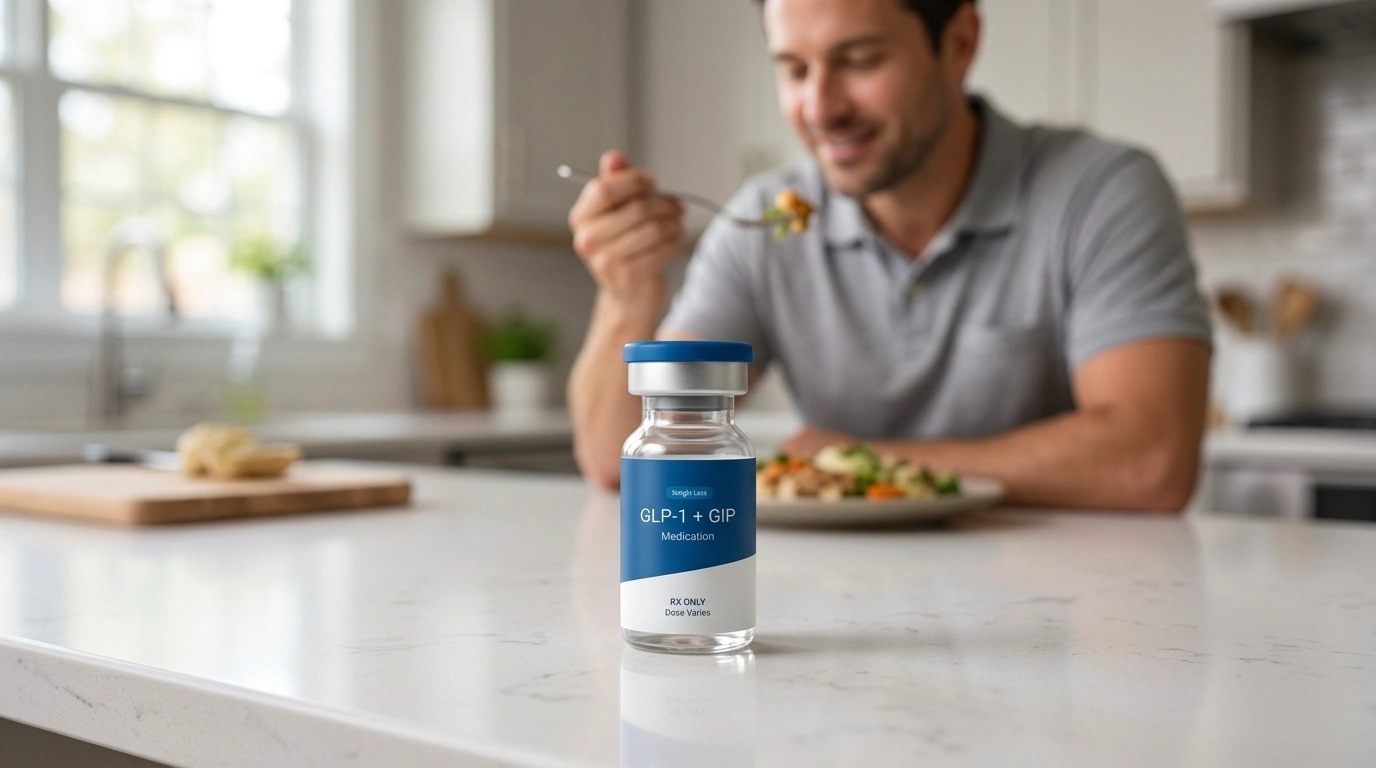
Mounjaro® is a prescription medication known as a dual agonist. Unlike earlier medications in this category that targeted a single pathway, this treatment mimics two different hormones naturally produced in your gut: glucagon-like peptide-1 (GLP-1) and glucose-dependent insulinotropic polypeptide (GIP).
Quick Answer: Mounjaro works by mimicking two hormones, GLP-1 and GIP, which help regulate your blood sugar and slow down your digestion. This combination signals your brain that you are full sooner and keeps you satisfied for longer periods, which may support sustainable weight management.
The Role of GLP-1 and GIP
To understand what to know when taking Mounjaro, it helps to know what these hormones do. GLP-1 (glucagon-like peptide-1) is a hormone that tells your brain you have eaten enough. it also slows down “gastric emptying,” which is the speed at which food leaves your stomach. GIP (glucose-dependent insulinotropic polypeptide) is the second hormone involved. It works alongside GLP-1 to improve how your body breaks down sugar and fat. For a broader primer on the hormone side of treatment, What is GLP-1? A 2026 Breakdown from Our Medical Experts is a helpful companion read.
By activating both receptors, the medication provides a “dual-action” approach. Research suggests this combined effect may be more effective for weight loss and blood sugar management than medications that only target the GLP-1 receptor. If you want a deeper look at the science behind that effect, see How GLP-1 Actually Works for Weight Loss: The 2026 Breakdown.
Clinical Background
Initially, the U.S. Food and Drug Administration (FDA) approved Mounjaro® specifically for the treatment of type 2 diabetes. However, because of the significant weight loss observed in clinical trials, many healthcare providers prescribe it “off-label” for weight management, or they may prescribe Zepbound®, which contains the same active ingredient (tirzepatide) but is FDA-approved specifically for chronic weight management. If you want to see whether a personalized prescription program makes sense for you, take the free assessment quiz.
Key Takeaway: The dual-hormone approach of tirzepatide helps reduce appetite and improve metabolic function more effectively than single-hormone treatments for many people.
Administering Your Weekly Dose
One of the most important things to know when taking Mounjaro is the correct way to handle the injection. The medication is delivered via a subcutaneous injection, which means it goes into the fatty tissue just beneath the skin rather than into a muscle or vein.
Step-by-Step Injection Process
Step 1: Prepare your site. / Wash your hands and clean the injection area with an alcohol swab. You can choose your abdomen, the front of your thigh, or the back of your upper arm.
Step 2: Check the medication. / Ensure the liquid is clear and colorless or slightly yellow. If it is cloudy or contains particles, do not use it.
Step 3: Inject the dose. / Pull off the base cap, place the clear base flat against your skin, and unlock the pen. Press and hold the button; you will hear a click when the injection starts and a second click when it is finished, usually within 10 seconds.
Step 4: Dispose of the pen. / Place the used single-dose pen in a puncture-resistant sharps container immediately.
Timing and Consistency
The medication is taken once a week. You should aim to take it on the same day each week, at any time of day that is convenient for you. You do not need to take it with food. If you wish to change the day of your weekly dose, ensure there are at least three days (72 hours) between the two doses.
Managing Missed Doses
If you miss a dose, take it as soon as you remember, provided it is within four days (96 hours) of the scheduled time. If more than four days have passed, skip the missed dose and wait until your next regularly scheduled day. Never take two doses within three days of each other, as this significantly increases the risk of severe side effects.
How to Store Your Medication
Proper storage is critical for maintaining the effectiveness of tirzepatide. High temperatures or freezing can damage the proteins in the medication, making it less effective or unusable.
- Refrigeration: Store your pens in the refrigerator between 36°F and 46°F (2°C to 8°C).
- Light Protection: Keep the pens in their original carton to protect them from light.
- Room Temperature: If you are traveling, the medication can stay at room temperature (up to 86°F or 30°C) for up to 21 days. If it is not used within that 21-day window, it must be discarded.
- Avoid Freezing: Never store the pens in the freezer. If a pen accidentally freezes, do not use it, even if it thaws out later.
What to Expect: The Titration Schedule
When you begin a program through a platform like TrimRx, your healthcare provider will likely start you on a low dose. This gradual approach is called titration. It allows your body to adjust to the hormone changes while minimizing gastrointestinal discomfort. For a closer look at the medication-access side of treatment, How Can I Get Tirzepatide for Weight Loss? explains the process in more detail.
Standard Dosing Progression
Most individuals start at a 2.5 mg dose for the first four weeks. This is considered an “induction” dose, intended to get your body used to the medication rather than to achieve maximum weight loss immediately. After the initial month, your provider may increase the dose to 5 mg. From there, doses may increase in 2.5 mg increments every four weeks, up to a maximum of 15 mg, depending on your progress and how well you tolerate the medication.
Note: Not everyone needs to reach the maximum dose. Your provider will help determine the “maintenance dose” that works best for your specific health profile and goals.
Common Side Effects and How to Manage Them
The most common side effects associated with Mounjaro® are gastrointestinal. These occur because the medication slows down your digestion, which can sometimes lead to an “overfull” feeling or irritation in the digestive tract. For a more detailed breakdown of symptoms and practical management strategies, read Tirzepatide Side Effects: What to Expect and How to Manage.
Nausea and Vomiting
Nausea is the most frequently reported side effect, especially during the first few days after a dose increase. To manage this:
- Eat smaller, more frequent meals instead of three large ones.
- Avoid greasy, fried, or highly spicy foods.
- Focus on “bland” foods like crackers, toast, or rice if you feel unsettled.
- Stop eating the moment you feel full; overeating while on this medication can lead to immediate nausea.
Diarrhea and Constipation
Because the medication changes how quickly food moves through your system, some people experience changes in bowel habits.
- For Diarrhea: Stay hydrated with water and electrolytes to prevent dehydration.
- For Constipation: Increase your fiber intake through vegetables and whole grains, and ensure you are drinking plenty of water throughout the day.
Injection Site Reactions
Some people notice slight redness, itching, or swelling where they injected the medication. This is usually mild and resolves on its own. To prevent this, always rotate your injection site each week—for example, use the left side of your stomach one week and the right side the next.
Bottom line: Most side effects are temporary and occur most often during dose increases. If side effects become severe or persistent, it is essential to contact your healthcare provider.
Nutrition and Lifestyle Adjustments
Taking a GLP-1 or GIP medication is not a “magic pill” that works in isolation. It is a tool designed to work alongside healthy lifestyle choices. When you participate in our personalized programs, we emphasize the importance of nourishing your body correctly to support the medication’s effects, and the Weight Loss Boost supplement is one option some readers consider during that process.
Prioritize Protein
As you lose weight, there is a risk of losing muscle mass along with fat. To protect your muscles, aim for a high-protein diet. Lean meats, fish, beans, tofu, and Greek yogurt are excellent choices. Protein also helps keep you feeling satisfied, which complements the medication’s appetite-suppressing effects. If reduced appetite makes it harder to stay on track nutritionally, the GLP-1 Daily Support supplement is designed to fit alongside GLP-1 treatment.
Stay Hydrated
Hydration is crucial when taking Mounjaro®. Dehydration can worsen nausea and put unnecessary strain on your kidneys. Drink water consistently throughout the day, even if you do not feel thirsty. If you struggle with the taste of plain water, try adding slices of lemon or cucumber.
Mindful Eating
Because your stomach empties more slowly, your “fullness” signals may be delayed. Eat slowly and chew your food thoroughly. This gives your brain time to receive the message that you are satisfied before you overconsume.
Myth: You can eat whatever you want as long as you take the medication. Fact: While the medication reduces hunger, eating high-fat or high-sugar foods can lead to severe stomach upset and may slow your weight loss progress. A balanced, nutrient-dense diet is still the key to long-term success.
Safety Warnings and Precautions
While tirzepatide is generally well-tolerated, there are serious medical considerations you must discuss with a licensed professional.
Thyroid Health
Mounjaro® carries a “boxed warning” regarding thyroid C-cell tumors. In animal studies, tirzepatide caused thyroid tumors in rats. It is currently unknown if it causes the same in humans. You should not take this medication if you or anyone in your family has ever had a type of thyroid cancer called medullary thyroid carcinoma (MTC) or if you have Multiple Endocrine Neoplasia syndrome type 2 (MEN 2).
Pancreatitis
Inflammation of the pancreas (pancreatitis) has been reported in patients taking GLP-1 medications. If you experience severe pain in your stomach area that radiates to your back, with or without vomiting, stop taking the medication and seek medical help immediately.
Birth Control Interactions
One specific thing to know when taking Mounjaro is that it can interfere with how your body absorbs oral contraceptives (birth control pills). This is most common when you first start the medication or when your dose is increased. Healthcare providers often recommend using a backup barrier method of birth control (like condoms) for at least four weeks after starting the drug or increasing the dose.
Pregnancy and Breastfeeding
Weight loss is not recommended during pregnancy, and the effects of tirzepatide on an unborn baby are not fully understood. If you plan to become pregnant, most providers recommend stopping the medication at least two months in advance.
The Difference Between Branded and Compounded Medications
When researching your options, you may encounter both branded medications like Mounjaro® and Ozempic® and compounded versions of the same active ingredients. If you are comparing pathways and want to know how patients typically access treatment, How Can I Get Tirzepatide for Weight Loss? is a useful next read.
Branded Medications
Branded medications are produced by specific pharmaceutical companies and have undergone the full FDA approval process for their specific use (such as type 2 diabetes or chronic weight management). TrimRx connects patients with providers who can write prescriptions for these branded medications, which patients then fill at their local pharmacy.
Compounded Tirzepatide
Compounded Semaglutide and Compounded Tirzepatide are prepared by specialized pharmacies. While these compounded medications themselves are not FDA-approved, they are often prepared in FDA-registered and inspected compounding pharmacies. These versions are frequently used during times of national drug shortages to ensure patients can continue their treatment. At TrimRx, we ensure that any compounded medication comes from high-quality, inspected facilities to maintain safety and consistency.
| Feature | Branded Mounjaro® | Compounded Tirzepatide |
|---|---|---|
| Active Ingredient | Tirzepatide | Tirzepatide |
| FDA Status | FDA-approved for T2D | Not FDA-approved |
| Pharmacy Type | Retail/Commercial Pharmacy | FDA-registered Compounding Pharmacy |
| Delivery Method | Pre-filled Single-dose Pen | Vial and Syringe |
Why a Personalized Program Matters
Weight loss is a highly individual process. What works for one person may not be the right fit for another. This is why a telehealth-first approach can be so beneficial. It allows for consistent, 24/7 access to specialists who can adjust your program based on your body’s specific responses. If you want a practical overview of the bigger-picture process, How to Start a Weight Loss Journey That Actually Lasts offers a helpful companion perspective.
Our platform focuses on removing the barriers to high-quality care. There are no waiting rooms or stressful in-person visits. Instead, you receive a comprehensive program that includes doctor consultations, the necessary lab work, and unlimited support. This structure is designed to help you navigate the “what to know” of your journey in real-time. Whether you are dealing with a plateau or a specific side effect, having a dedicated team ensures you never have to guess about your next steps.
Conclusion
Successfully taking Mounjaro® requires more than just a weekly injection; it requires a commitment to understanding how the medication interacts with your body and your lifestyle. By focusing on proper injection techniques, consistent storage, and supportive nutrition, you set the stage for sustainable metabolic health. TrimRx is dedicated to providing the clinical expertise and empathetic guidance needed to make this journey as smooth as possible. We prioritize science-backed treatments tailored to your unique health profile, ensuring you have the tools to achieve lasting change.
If you are ready to see if a personalized weight loss program is the right fit for your health goals, the first step is simple.
Next Step: Complete our free assessment quiz to see which personalized program options are available for you. Take the free assessment quiz.
FAQ
Can I drink alcohol while taking Mounjaro?
While there is no direct “danger” in having a single drink, alcohol can increase the risk of low blood sugar and worsen gastrointestinal side effects like nausea or acid reflux. Many people find that their desire for alcohol naturally decreases while on the medication, but it is best to consult your healthcare provider about your specific habits.
Is Mounjaro better than Ozempic for weight loss?
Clinical studies suggest that because Mounjaro® targets two hormone receptors (GLP-1 and GIP) rather than just one (GLP-1 like Ozempic®), it may lead to a higher percentage of weight loss for some individuals. However, the “better” medication is always the one that your body tolerates best and fits your specific medical history. If you want a side-by-side look at tolerability, Tirzepatide vs Semaglutide Side Effects: How They Compare is a useful follow-up.
What should I do if I don’t see weight loss in the first month?
The first month is typically a 2.5 mg induction dose designed to help your body adjust to the medication, not to trigger rapid weight loss. Many people do not see significant changes until they move to the 5 mg or 7.5 mg doses. Consistency with your diet and hydration during this time is essential.
Do I have to stay on this medication forever?
The duration of treatment depends on your individual health goals and metabolic needs. Some people use the medication to reach a target weight and then slowly taper off, while others may use a low maintenance dose long-term to manage their metabolic health. If you want to think ahead about the maintenance phase, Maintain Weight Loss After Tirzepatide: The Next Chapter is a helpful read. Your healthcare provider will help you develop a long-term plan that is right for you.
Disclaimer: This content is for informational purposes only and does not constitute medical advice. It is not intended to diagnose, treat, cure, or prevent any disease or condition. Individual results may vary. Always consult a qualified healthcare professional before starting any weight loss program or medication.

Transforming Lives, One Step at a Time
Keep reading

Mounjaro Alternatives: What Else to Consider
If Mounjaro isn’t the right fit, the closest alternatives are other GLP-1 medications, chiefly semaglutide (Ozempic for diabetes, Wegovy for weight), along with a…

Mounjaro vs Zepbound: Same Drug, Two Brands
Like their semaglutide counterparts, Mounjaro and Zepbound are the same medication (tirzepatide) sold under two names for two purposes: Mounjaro is approved for type…

Retatrutide vs Mounjaro: Triple Agonist vs Dual Agonist
The core difference between retatrutide and Mounjaro comes down to how many hormone targets each hits: retatrutide activates three receptors, while Mounjaro (tirzepatide) activates…


