What to Take for Nausea with Zepbound®: Effective Relief Strategies
Introduction
Starting a weight loss journey with a medication like Zepbound® is an exciting step toward better metabolic health, but the transition can sometimes feel physically taxing. For many, the most significant hurdle isn’t the calorie counting or the exercise routine; it is the wave of nausea that often arrives shortly after the first few injections. You may find yourself feeling successful on the scale but struggling to get through your workday or enjoy a simple meal. This discomfort is one of the most common reasons individuals hesitate to continue their treatment, even when they are seeing the results they desire.
At TrimRx, we understand that managing side effects is just as important as the medication itself for long-term success. Whether you are experiencing mild queasiness or more persistent discomfort, there are several evidence-based strategies and remedies you can use to find relief. This article covers dietary adjustments, over-the-counter options, and lifestyle changes to help you stay comfortable. While nausea is a frequent companion to GLP-1 medications, it is often manageable with the right approach and a bit of patience. For additional context, review this guide to tirzepatide side effects and what to expect.
Quick Answer: To manage nausea with Zepbound®, prioritize bland foods like crackers or ginger, stay hydrated with electrolytes, and eat smaller, more frequent meals. Over-the-counter options like bismuth subsalicylate or prescription ondansetron may also be recommended by a healthcare provider.
Why Zepbound® Causes Nausea
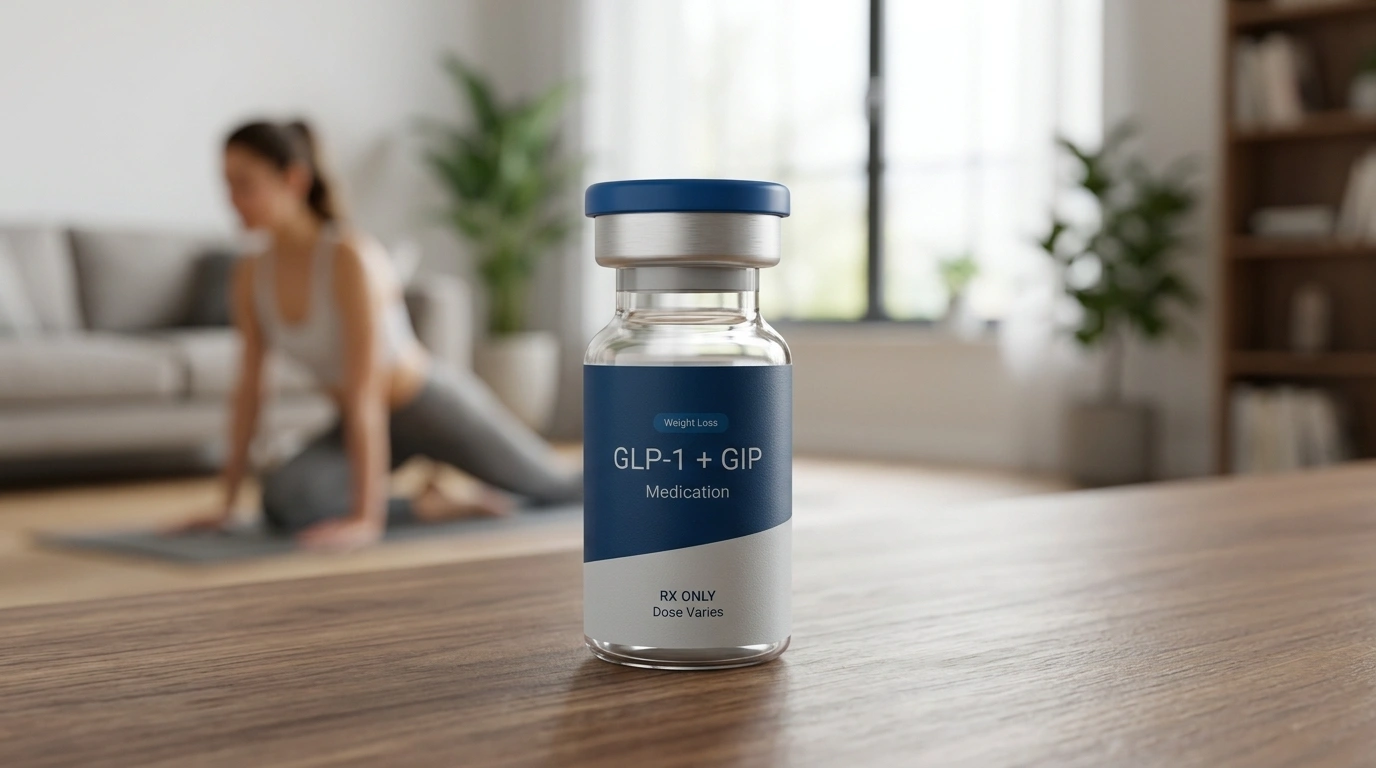
To understand what to take for nausea, it is helpful to understand why it happens in the first place. Zepbound® contains the active ingredient tirzepatide. This is a dual-acting medication known as a receptor agonist. It mimics two different hormones in your body: glucagon-like peptide-1 (GLP-1) and glucose-dependent insulinotropic polypeptide (GIP). These hormones work together to regulate your blood sugar and tell your brain that you are full.
One of the primary ways these medications work is by slowing down gastric emptying. In plain English, this means the food you eat stays in your stomach for a much longer period than it used to. While this is great for keeping you full and reducing your appetite, it can lead to a “heavy” feeling or backup in the digestive tract. When the stomach remains full for an extended period, the brain receives signals that can manifest as nausea or even vomiting. For a deeper explanation, read about what causes nausea with tirzepatide.
Most people find that nausea is most intense during the first 24 to 72 hours after their weekly injection. It also tends to flare up when you increase your dosage. As your body becomes accustomed to the higher levels of tirzepatide, these symptoms usually subside. However, for that initial adjustment period, having a toolkit of remedies is essential.
Key Takeaway: Nausea is a side effect of slowed digestion and hormonal signaling. It is usually temporary and tends to peak shortly after an injection or a dose increase.
Dietary Strategies for Managing Queasiness
What you put in your stomach—and how you put it there—makes a world of difference when your digestion has slowed down. When you are feeling nauseous, the traditional “three square meals a day” approach often backfires.
The Power of Small, Frequent Meals
Eating smaller portions more frequently helps prevent your stomach from becoming overly distended. Because Zepbound® keeps food in your stomach longer, a large meal can feel like a brick sitting in your digestive tract. Instead of a full lunch, try having a half-sandwich now and the other half in two hours. This gives your stomach time to process smaller amounts of volume without triggering the nausea reflex.
Prioritizing Bland Foods
When nausea strikes, your “food environment” should be as neutral as possible. Many patients find success with the BRAT diet or similar bland options. These foods are low in fiber and easy for the stomach to break down quickly.
| Food Category | Best Options for Nausea | Foods to Avoid |
|---|---|---|
| Grains | Saltines, white toast, plain rice | Whole wheat, fried dough, pastries |
| Proteins | Boiled chicken, egg whites, tofu | Fried meat, fatty steaks, spicy sausage |
| Produce | Bananas, applesauce, steamed carrots | Raw broccoli, onions, spicy peppers |
| Liquids | Electrolyte water, ginger tea, broth | Coffee, soda, alcohol |
Identifying and Avoiding Triggers
High-fat, fried, and heavily spiced foods are the most common triggers for GLP-1-related nausea. Fat takes the longest to digest, even under normal circumstances. When combined with a medication that already slows digestion, high-fat meals can linger in the stomach for an excessive amount of time, leading to significant discomfort and acid reflux. Similarly, very sweet foods can cause a “dumping” sensation or blood sugar fluctuations that contribute to a queasy feeling. For more practical strategies, see this guide to managing Zepbound side effects.
What to Take: Over-the-Counter and Natural Remedies
If dietary changes aren’t enough, you may need to reach for specific products to help settle your stomach. There are several natural and over-the-counter (OTC) options that are generally considered safe for those on weight loss medications.
Ginger and Peppermint
Ginger is a well-studied natural remedy for various types of nausea. It works by encouraging gastrointestinal motility (the movement of the gut) and has anti-inflammatory properties. You can take ginger in several forms:
- Ginger Tea: Steeping fresh ginger root in hot water.
- Ginger Chews: Small, portable candies made with real ginger.
- Ginger Supplements: Capsules containing concentrated ginger powder.
Peppermint is another excellent option. It helps relax the muscles in the digestive tract, which can relieve the “crampy” feeling that sometimes accompanies nausea. Peppermint tea or enteric-coated peppermint oil capsules are popular choices.
Over-the-Counter Medications
There are a few OTC medications that can provide quick relief. However, you should always consult your healthcare provider before adding new medications to your routine to ensure there are no interactions.
- Bismuth Subsalicylate: This helps coat the stomach and can reduce nausea and indigestion.
- Phosphorated Carbohydrate Solution: Often found as a clear liquid, this helps calm stomach contractions.
- Antihistamines: Some people find that motion sickness medications containing dimenhydrinate or meclizine can help, though these can cause drowsiness.
Bottom line: Natural remedies like ginger and peppermint are great first-line defenses, while OTC medications can provide a stronger intervention for moderate symptoms.
Prescription Options for Severe Nausea
For some individuals, the nausea caused by Zepbound® or other GLP-1 medications like Wegovy® or Mounjaro® can be severe enough to interfere with daily life. In these cases, a healthcare provider may prescribe a stronger anti-emetic (anti-nausea) medication.
Ondansetron (Zofran)
Ondansetron is the most commonly prescribed medication for GLP-1-induced nausea. It works by blocking the action of serotonin, a natural substance that can cause nausea and vomiting. It is often available as a tablet that dissolves under the tongue, which is helpful if you are feeling too sick to swallow a pill with water.
While ondansetron is highly effective, it is usually intended for short-term use. One common side effect of ondansetron is constipation. Since medications like Zepbound® can also slow down bowel movements, using these two together requires careful monitoring of your fiber and fluid intake to avoid further digestive issues.
Consultation is Key
If you find that you cannot keep fluids down or if the nausea is preventing you from eating entirely, it is a sign that your dosage may need to be adjusted. At TrimRx, we encourage our members to communicate openly with their providers. Sometimes, staying at a lower dose for an extra few weeks allows the body to adapt without the need for additional prescription medications. If you are considering treatment, you can complete a free eligibility assessment.
Injection Habits and Lifestyle Adjustments
Sometimes, “what to take” for nausea isn’t a pill, but a change in your routine. Small shifts in how and when you administer your medication can have a surprising impact on how you feel.
Changing the Injection Site
Many patients report that injecting into the thigh or back of the arm results in less nausea than injecting into the abdomen. While the medication is absorbed regardless of the site, some clinical data and significant patient feedback suggest that gastrointestinal side effects may be more pronounced when the injection is closer to the digestive organs. Rotating your injection site each week is also essential for skin health and absorption consistency.
Timing Your Dose
Consider the timing of your injection in relation to your schedule.
- Nighttime Injections: Taking your dose right before bed may allow you to “sleep through” the peak of the initial side effects.
- Day Before a Day Off: If you know you usually feel sick 24 hours after your dose, try to schedule your injection so that your “queasy day” falls on a weekend or a day when you don’t have major work commitments.
The “Alcohol Swab” Trick
An interesting, albeit temporary, hack for acute nausea is sniffing an isopropyl alcohol prep pad. Clinical studies in emergency room settings have shown that inhaling the scent of an alcohol swab can provide rapid, short-term relief from nausea. While it doesn’t solve the underlying cause, it can be a helpful tool if you have a sudden wave of queasiness while out and about.
Myth: You should stop eating entirely if you feel nauseous on Zepbound®. Fact: Avoiding food entirely can lead to low blood sugar, which actually makes nausea worse. Stick to small amounts of bland protein and simple carbohydrates.
The Role of Hydration and Electrolytes
Dehydration is a leading cause of worsening nausea and headaches while on Zepbound®. Because the medication suppresses your thirst as well as your hunger, it is very easy to go several hours without drinking water. When you are dehydrated, your blood pressure can drop slightly, and your body’s ability to process the medication can be affected, leading to a cycle of feeling poorly. For additional hydration guidance, read about how water supports weight loss and metabolism.
Why Electrolytes Matter
When your digestion slows down, you aren’t just losing water; you are also losing essential minerals like sodium, potassium, and magnesium. Simply chugging plain water can sometimes dilute your electrolyte levels further, making you feel weak or dizzy.
- Sip, Don’t Gulp: Taking large gulps of water can stretch the stomach and trigger a gag reflex.
- Use Electrolyte Powders: Adding a balanced electrolyte supplement to your water once or twice a day can help maintain your energy levels and keep nausea at bay.
- Avoid Caffeine: Large amounts of coffee or caffeinated soda can act as a diuretic and irritate the stomach lining.
If reduced appetite makes it difficult to maintain your nutritional intake, GLP-1 Daily Support supplement may provide additional nutritional support alongside your routine.
When to Contact a Healthcare Provider
While nausea is common, it is important to distinguish between “normal” side effects and signs of a more serious complication. Weight loss medications like Zepbound® and Mounjaro® carry a small risk of more severe issues like pancreatitis or gallbladder problems.
You should seek medical advice immediately if you experience:
- Severe, persistent abdominal pain that radiates to your back.
- Continuous vomiting where you cannot keep any liquids down for 24 hours.
- Signs of severe dehydration, such as dark urine, extreme dizziness, or confusion.
- Fever or yellowing of the eyes and skin (jaundice).
It is also important to talk to your provider if your nausea doesn’t improve after the first few weeks. You may be more sensitive to the medication, and a slower titration (dosage increase) schedule might be necessary.
Managing the Emotional Weight of Side Effects
It is normal to feel frustrated when you are trying to improve your health but feel sick in the process. Many people feel a sense of failure if they have to take a break or lower their dose, but managing side effects is a marathon, not a sprint.
Our mission at TrimRx is to help individuals embrace a healthier lifestyle through a transparent and personalized approach. We believe that weight loss should not be a “suffer at all costs” experience. By using these tools and working closely with clinical experts, you can find a balance where the medication supports your goals without diminishing your quality of life.
Next Steps for Starting Your Program
If you are considering starting a weight loss journey but are worried about side effects like nausea, the best way to start is with a professional assessment. Every body reacts differently to GLP-1 and GIP medications.
Step 1: Complete the Free Assessment Quiz.
This helps determine your eligibility and provides our affiliated providers with your medical history. You can see if you qualify for a personalized program.
Step 2: Consult with a Licensed Provider.
You will have the opportunity to discuss your concerns about nausea and receive personalized advice on which medication—and which starting dose—is right for you.
Step 3: Receive Your Personalized Program.
If prescribed, your medication (such as Compounded Semaglutide or Compounded Tirzepatide) will be shipped from an FDA-registered compounding pharmacy, along with instructions on how to manage your first few weeks.
Step 4: Access Ongoing Support.
As you progress, you will have 24/7 access to specialists who can help you adjust your diet and lifestyle to minimize discomfort. If low appetite affects your energy during weight loss, Weight Loss Boost supplement offers a product-specific option to explore.
Summary of Nausea Management
Managing nausea is about being proactive rather than reactive. By the time you feel very sick, it is much harder to settle your stomach than it is to prevent the feeling from starting.
Key Takeaway: Success on Zepbound® is built on a foundation of hydration, small meals, and open communication with your care team. Most nausea is temporary and can be managed with simple home remedies and patience.
- Prioritize Protein: Even if it’s just a few bites of chicken or a plain protein shake, keeping your protein intake up supports your muscles while you lose weight.
- Stay Ahead of Hydration: Don’t wait until you are thirsty; sip electrolyte water throughout the day.
- Be Patient with Your Body: It can take 4–8 weeks for your digestive system to fully adapt to a new medication protocol.
FAQ
How long does the nausea usually last after a Zepbound® injection?
For most people, nausea is most prominent in the first 48 hours after the injection. As the medication levels in your bloodstream stabilize throughout the week, the feeling typically subsides. Many patients find that after 4 to 6 weeks on the same dose, the nausea disappears entirely as the body adjusts. For more detail, read about when nausea starts after a Zepbound injection.
Can I take Pepto-Bismol or Tums with Zepbound®?
Generally, yes, bismuth subsalicylate (Pepto-Bismol) and calcium carbonate (Tums) are safe to use for occasional relief of nausea and heartburn. However, because these medications can affect how other drugs are absorbed, it is always best to check with your healthcare provider for a personalized recommendation.
Why is my nausea worse in the morning?
Nausea may feel worse in the morning because your stomach has been empty for several hours, allowing stomach acid to build up. Additionally, the slowed gastric emptying means any dinner from the night before might still be processing. Try eating a few saltine crackers before you even get out of bed to help settle your stomach.
Does the injection site really matter for nausea?
While the FDA-approved labeling does not state that the injection site changes side effects, a significant number of patients report fewer stomach issues when injecting in the thigh. Clinical providers often suggest trying the thigh or the back of the arm if the abdomen results in significant queasiness.
Disclaimer: This content is for informational purposes only and does not constitute medical advice. It is not intended to diagnose, treat, cure, or prevent any disease or condition. Individual results may vary. Always consult a qualified healthcare professional before starting any weight loss program or medication.

Transforming Lives, One Step at a Time
Keep reading

Kids’ Birthday Party on Zepbound
If you have young children, birthday parties are a regular part of life: your own child’s, and the steady stream of classmates’ parties most…

Water Aerobics on Zepbound
For people with painful knees, hips, or backs, water aerobics and pool exercise are often the first kind of exercise that feels possible. The…

New Year’s Eve on Zepbound
New Year’s Eve is built around staying up late. There is usually a big dinner or a party spread, drinks through the evening, champagne…


